

Aluminum Busbar: A Lightweight Alternative for Modern Power Distribution
Copper has dominated electrical connections for decades. But in the last five years, we've seen a clear shift. More engineers are asking about aluminum busbar solutions — not because copper is bad, but because aluminum solves specific problems that copper can't.
Weight. Cost. Corrosion resistance in outdoor environments. These are the three reasons aluminum busbar demand keeps growing across the industries we serve.
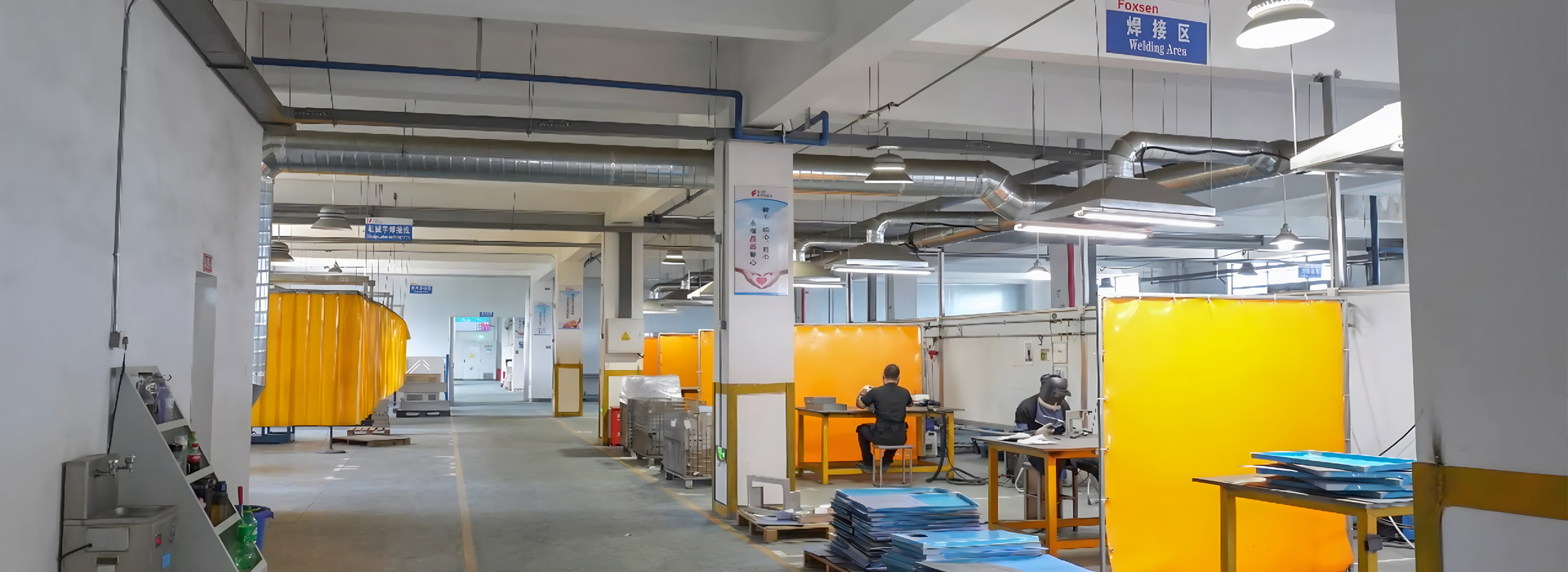
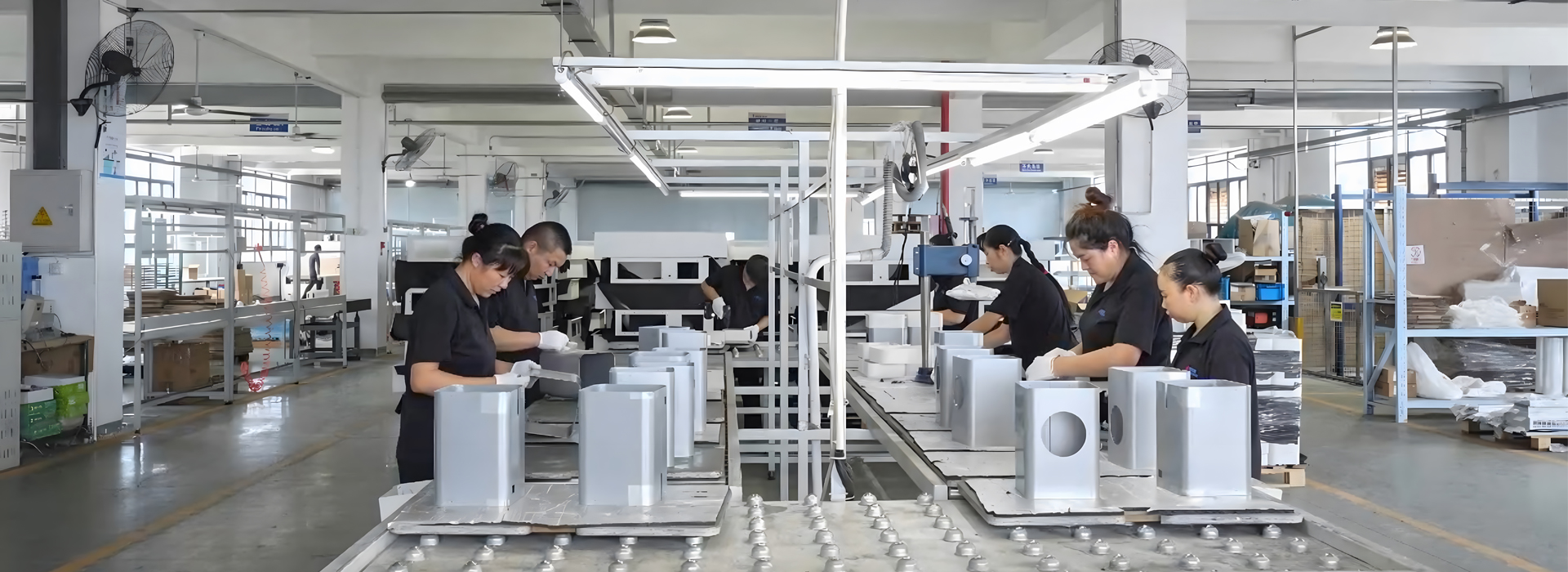
At FOXSEN, we've been fabricating custom aluminum busbars since 2017 alongside our copper work. The processes overlap — same laser cutters, same CNC brakes, same quality checks. But the material behaves differently. It cuts faster, welds differently, and requires specific plating knowledge to maintain reliable electrical contact over time.
This article covers what we've learned about aluminum busbar design, manufacturing, and where it makes sense versus copper.
Where Aluminum Busbar Outperforms Copper
Weight Reduction
Aluminum is roughly one-third the density of copper. In energy storage systems where every kilogram affects shipping cost and installation labor, switching from copper to aluminum busbar can reduce connector weight by 50% or more. We've seen this matter most in containerized battery energy storage systems (BESS) and EV charging infrastructure where technicians handle components during assembly.
Cost Efficiency
Aluminum raw material costs significantly less than copper. For large cross-section electrical distribution system components, material savings add up fast. One caveat: the connection interface often requires copper-aluminum transition plating or bimetal washers to prevent galvanic corrosion. This adds cost. But on balance, aluminum busbar remains cheaper for equivalent current capacity in most applications above 200A.
Corrosion Resistance
Bare aluminum forms a natural oxide layer that protects against atmospheric corrosion. In coastal energy storage system installations or outdoor electrical distribution system cabinets, aluminum busbar with appropriate surface treatment outlasts bare copper. The oxide layer is thin — nanometers — but stable. The trick is managing that oxide at electrical contact points.
Aluminum Busbar Applications by Industry
Energy Storage / BESS
Containerized battery energy storage systems need busbars to connect cells, modules, and inverters. Weight matters because containers have floor load limits. Aluminum busbar reduces structural support requirements and simplifies installation. We typically see 3mm to 6mm thickness, 40mm to 100mm width, with tin or nickel plating at bolted joints.
EV Charging Infrastructure
DC fast chargers handle 150kW to 350kW. Internal power distribution requires busbars that won't overheat but also won't make the cabinet too heavy to wall-mount. Aluminum busbar hits this balance. We've fabricated parts for EV charging system manufacturers where weight reduction directly enabled a smaller enclosure design.
Data Center Power Distribution
Less common here — data center PDUs often stick with copper for legacy compatibility. But hyperscale facilities exploring liquid cooling and higher rack densities are reconsidering. Aluminum busbar in busway systems can reduce overhead structural load. We've prototyped parts for this market, though volume remains lower than BESS or EV charging.
Industrial Equipment & Switchgear
Large motor control centers and power distribution boards sometimes specify aluminum busbar for main feeds where weight and cost outweigh the slight conductivity penalty. The key is proper termination: plated contact surfaces, anti-oxidant compound, and correct bolt torque.
Manufacturing Aluminum Busbar: What Changes Versus Copper
Cutting
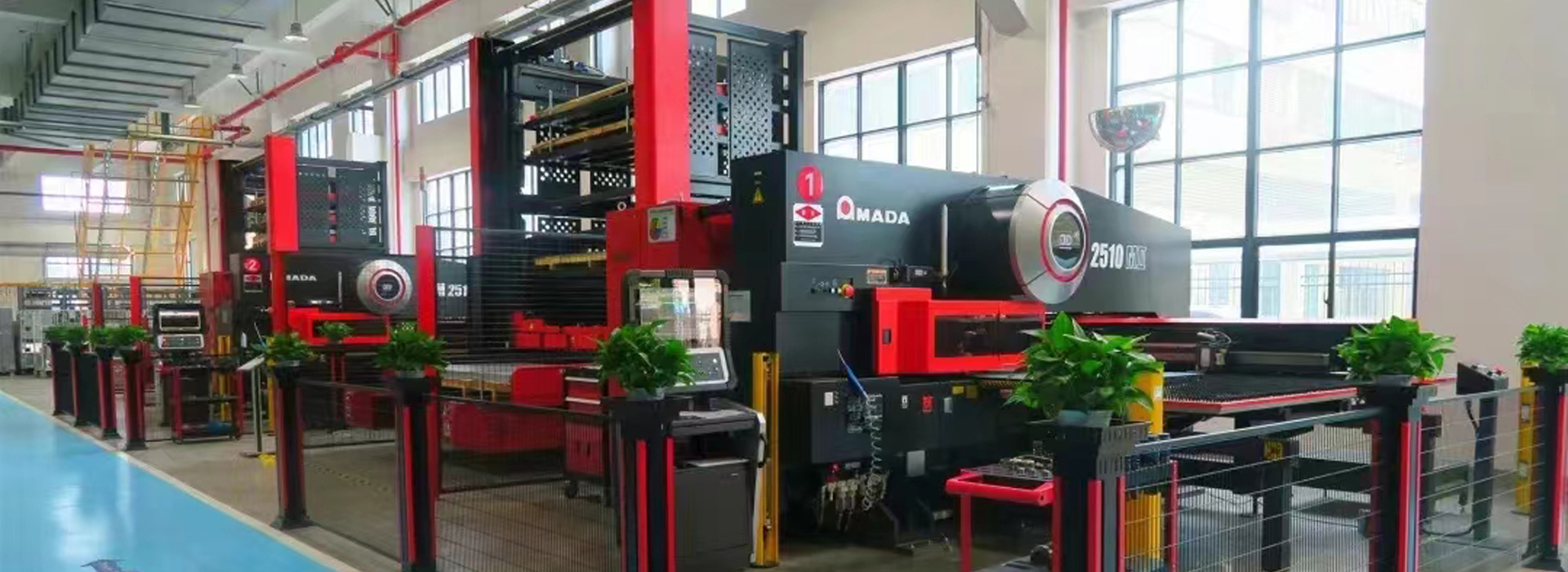
Aluminum cuts roughly 40% faster than copper on our AMADA 3015LVP-40CF laser. Less reflectivity, lower melting point. But the cut edge is softer — more prone to burr formation. We adjust assist gas pressure and cut speed to minimize this. For high-volume straight cuts, our Baichao 6000W laser or hydraulic shear handles the workload.
Punching
Our AMADA AE2510 turret punches work well on aluminum up to 6mm. Beyond that, edge cracking becomes a risk. We prefer laser or machining for thicker material.
Machining
Aluminum is easier to drill and mill than copper. Tapping requires care — the material galls if you use standard copper taps. We use aluminum-specific tap geometries and lubricants. Threaded holes in aluminum busbar for bolted connections are common; we hold ±0.05mm positional tolerance on critical features.
Bending
Aluminum work-hardens like copper but with different characteristics. 5052-H32 bends cleanly. 6061-T6 is stronger but cracks if bent too tight. We typically specify 5052 for formed aluminum busbar and 6061 for flat structural applications. Minimum bend radius is 1.5× material thickness for 5052, 2.5× for 6061.
Surface Treatment
Bare aluminum oxide has high electrical resistance. For reliable connections, we specify:
l Tin plating — most common, solderable, prevents oxidation at joints
l Nickel plating — better wear resistance, higher temperature stability
l Silver plating — highest conductivity, used in switchgear contacts, expensive
l Chromate conversion coating — for corrosion protection without electrical contact requirements
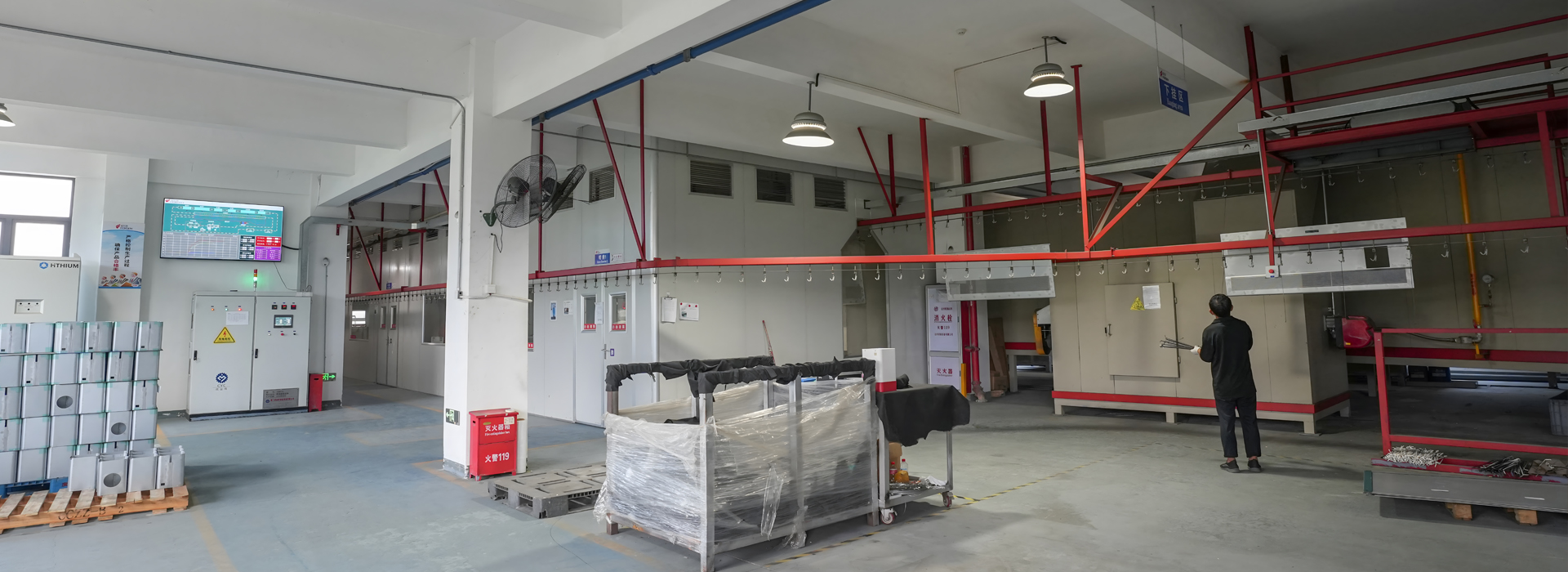
We don't plate in-house. Our local partners handle this with certificates we verify on every batch.

Design Considerations Engineers Often Miss
Thermal Expansion
Aluminum expands 23% more than copper per degree Celsius. In long bus runs — say, a 2-meter aluminum busbar in a power distribution system — this creates movement at supports. Flexible joints or expansion gaps prevent buckling. We've seen designs where rigid mounting cracked the bar after six months of thermal cycling.
Contact Resistance
The natural oxide layer on aluminum is insulating. Even tin-plated surfaces need proper bolt torque and anti-oxidant compound to maintain low contact resistance over years. We recommend specifying torque values and re-torque schedules in installation documentation.
Current Capacity Derating
Aluminum conductivity is 61% of copper by volume. To carry equivalent current, aluminum busbar needs roughly 1.6× the cross-sectional area. Engineers sometimes miss this and specify the same dimensions as their copper design. Result: overheating. We flag this in DFM review when we see it.
FAQ: Working With FOXSEN on Aluminum Busbar Projects
Q: What aluminum alloys do you use for busbars?
Mostly 5052-H32 for formed parts and 6061-T6 for flat structural bars. 5052 bends well. 6061 is stronger but requires larger bend radius. We stock both and can source others if your specification requires.
Q: Can you plate aluminum busbars?
We don't plate in-house. We coordinate with certified local partners for tin, nickel, or silver plating. Every batch gets thickness verification and adhesion testing. Certificates provided on request.
Q: What's the thickest aluminum busbar you can fabricate?
Our practical limit is 10mm for laser cutting and 6mm for CNC punching. Beyond 10mm, we recommend machining from plate or sourcing extruded bar stock. Most energy storage system busbars fall in the 3mm to 6mm range.
Q: Do you provide conductivity testing?
Yes. We verify incoming material with eddy current conductivity meters. For high-volume orders, we can arrange laboratory resistivity testing with documentation.
Q: Can you mix aluminum and copper in the same assembly?
We fabricate both materials but don't recommend direct contact without bimetal transition plates or plated interfaces. Galvanic corrosion between aluminum and copper is real. We can design and supply transition washers or plated joint plates as part of the assembly.
Q: What's the typical lead time?
Prototypes: 5-10 days. Production: 2-4 weeks depending on volume and plating requirements. Shipping adds 3-5 weeks to Europe, 2-3 weeks to US West Coast.
Q: How do I request a quote?
Email Anne@xmfoxsen.com or WhatsApp +86 132 9592 1800. Send a drawing, sketch, or description. We'll confirm material, plating, tolerances, and flag any design concerns within 24 hours.
FOXSEN Industrial Technology Co., Ltd.
No.108, Rongyuan Road, Tongan District, Xiamen, Fujian, China