

Industry Overview
The aluminum enclosure box has become a preferred solution for housing electronic components, control systems, and sensitive equipment across industries. Aluminum’s unique combination of lightweight strength, natural corrosion resistance, and excellent thermal conductivity makes it ideal for applications ranging from consumer electronics to industrial automation and outdoor installations. According to market data, the global aluminum enclosure market continues steady growth, driven by demand from electronics manufacturing, renewable energy systems, and telecommunications infrastructure.
Unlike steel enclosures, an aluminum enclosure box offers significant weight reduction—typically 40-60% lighter than comparable steel designs—while maintaining structural integrity. This weight advantage simplifies installation, reduces shipping costs, and enables deployment in weight-sensitive applications such as aerospace, portable equipment, and wall-mounted installations. The natural oxide layer on aluminum provides inherent corrosion resistance, eliminating the need for additional coatings in many indoor applications.
Material Properties and Alloy Selection
The performance of any aluminum enclosure box begins with appropriate alloy selection. Different aluminum series offer distinct characteristics suited to specific requirements.
6061 Aluminum is the most common alloy for fabricated enclosures. It offers excellent machinability, good weldability, and superior corrosion resistance. The T6 temper provides enhanced strength while maintaining formability, making it ideal for precision CNC machining parts integration where tight tolerances are essential.
5052 Aluminum provides exceptional formability and corrosion resistance, particularly suited for applications requiring complex bending and deep drawing operations. Its higher strength than 6061 in the annealed condition makes it popular for formed enclosure components.
6063 Aluminum is often specified for extruded enclosures, offering a smooth surface finish ideal for anodizing. Its excellent extrudability enables complex cross-sectional shapes with integrated mounting features.
3003 Aluminum serves applications where moderate strength and excellent formability are required, often used for smaller aluminum enclosure box designs where weight reduction is paramount.
The thickness range for fabricated aluminum enclosures typically spans from 1mm to 5mm, with material selection balancing strength requirements, weight constraints, and manufacturing capabilities.
Fabrication and Manufacturing Processes
The production of a quality aluminum enclosure box involves multiple precision manufacturing stages that directly impact performance and durability.
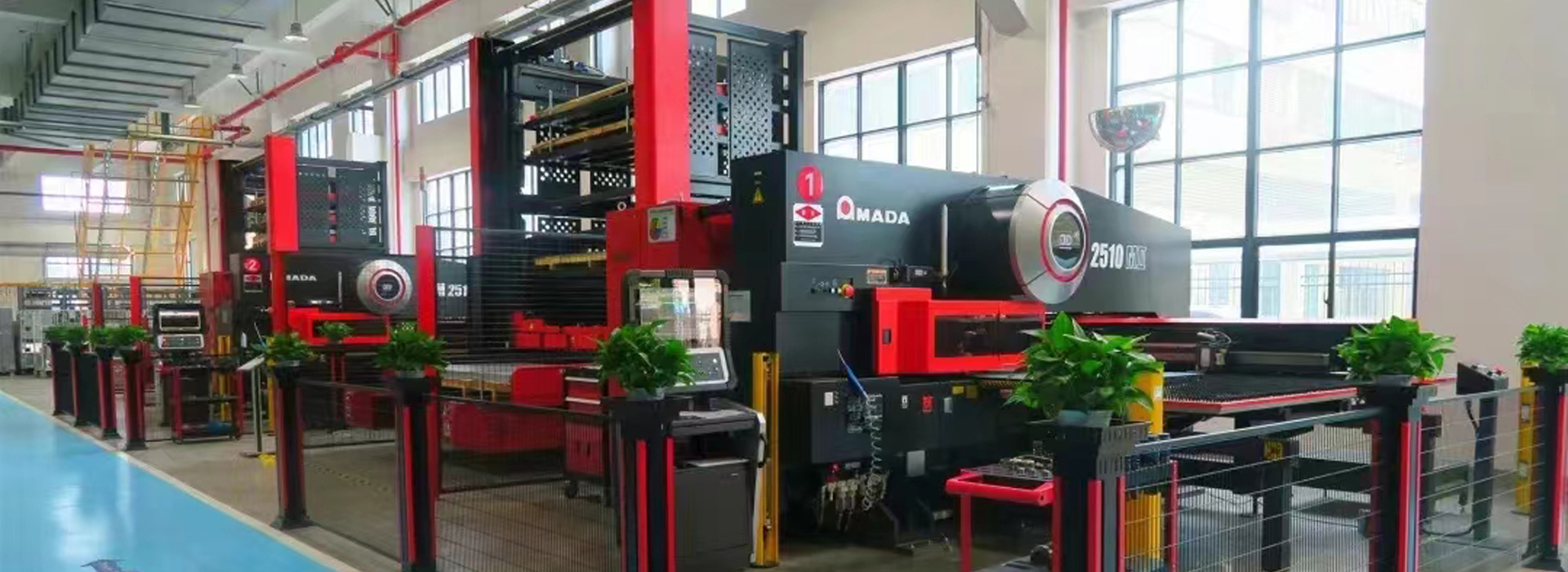
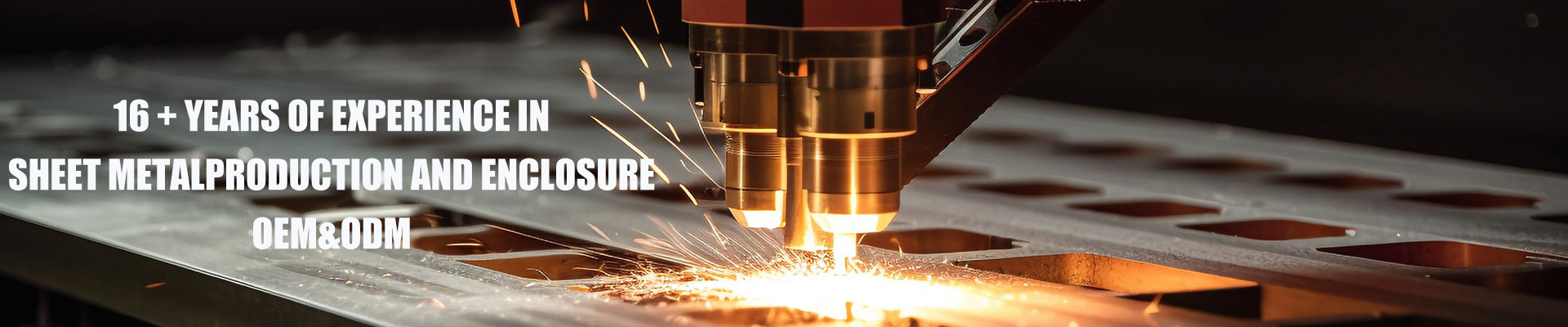
Cutting and Blanking: Laser cutting provides clean, accurate edges with minimal heat-affected zone, achieving tolerances as fine as ±0.1 mm. For high-volume production, precision punching operations create consistent parts efficiently. Waterjet cutting offers a cold-cutting alternative that eliminates heat distortion entirely.
Bending and Forming: CNC press brakes equipped with angle sensors achieve precise bend angles on aluminum sheet. Springback characteristics differ from steel, requiring adjusted bend calculations and specialized tooling to prevent marking of the softer aluminum surface. Complex enclosures may involve multiple forming operations with intermediate annealing to restore ductility.
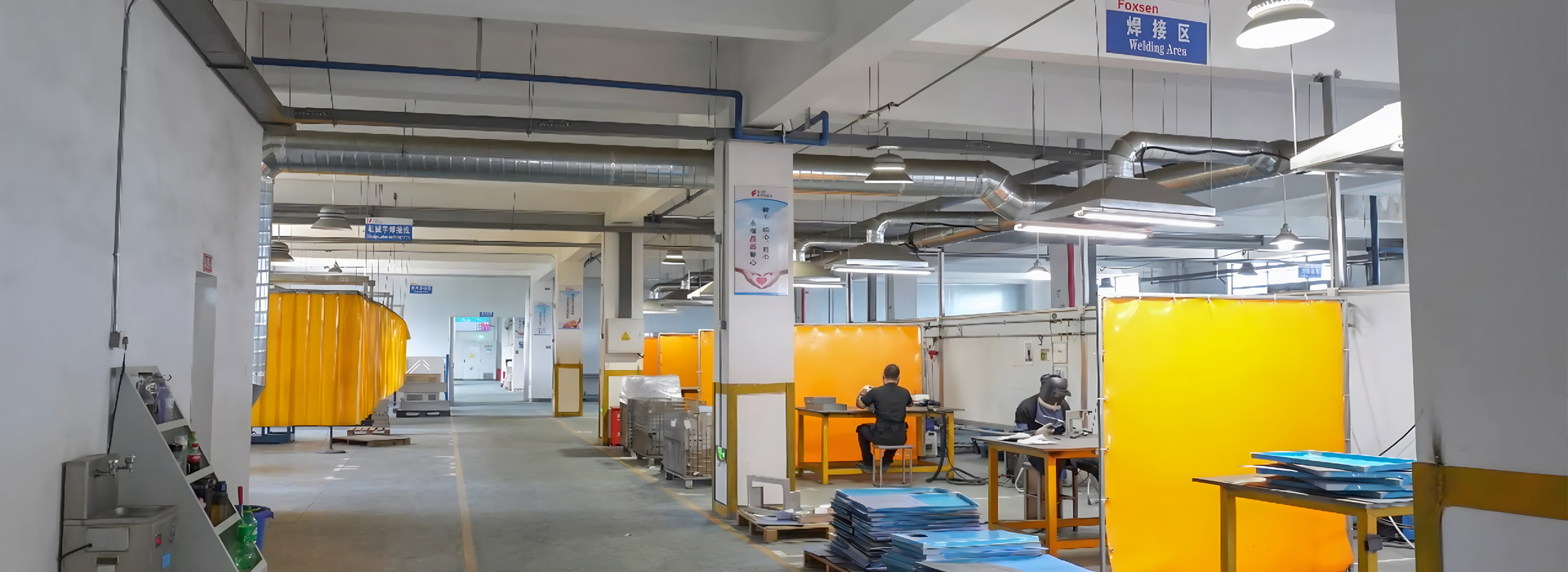
Welding and Assembly: TIG welding is the preferred method for aluminum enclosures, providing clean, strong welds with controlled heat input. Proper filler material selection and preheating prevent oxidation and ensure weld integrity. For applications requiring sealed enclosures, continuous seam welding creates watertight joints. Robotic welding systems with real-time monitoring ensure consistent penetration and minimal heat distortion.
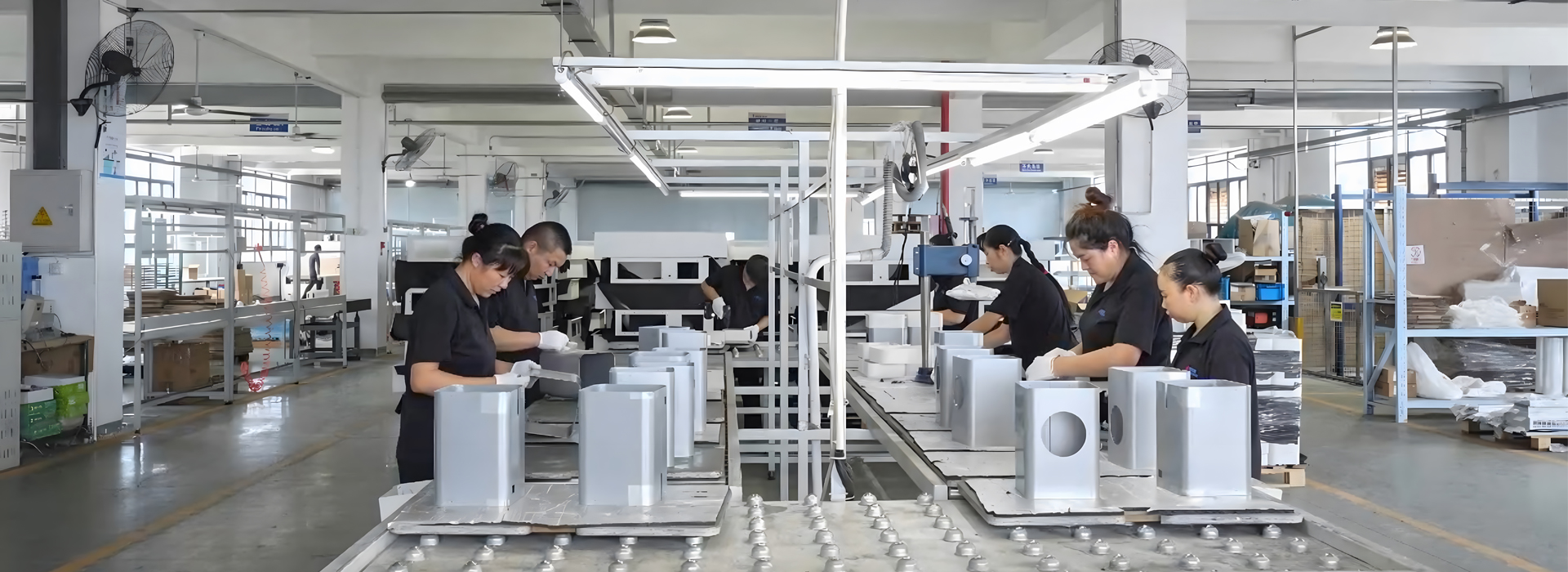
CNC Machining Integration: After forming, precision CNC machining parts operations create mounting holes, cutouts, and threaded features with tight tolerances. This capability enables integration of connectors, displays, and control interfaces directly into the aluminum enclosure box design.
Surface Treatment and Finishing
Surface finishing protects the aluminum enclosure box from corrosion while enhancing appearance and functionality.
Anodizing is the most common surface treatment for aluminum enclosures. This electrochemical process builds a thick, hard oxide layer that provides excellent wear and corrosion resistance. Anodized finishes can achieve various colors while maintaining the metallic appearance. Type II anodizing offers decorative protection, while Type III hard anodizing provides maximum durability for demanding environments.
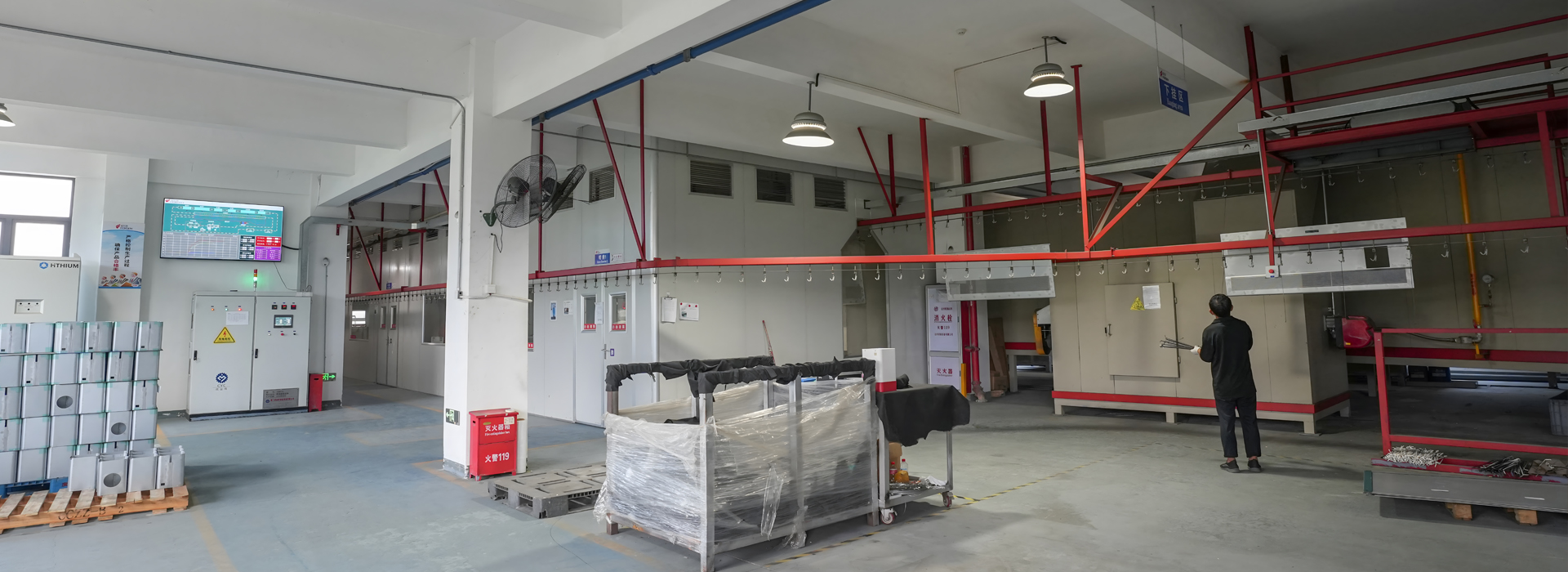
Powder Coating provides an alternative finish with extensive color options and excellent durability. The coating bonds to the aluminum surface through electrostatic application and thermal curing, creating a tough, uniform finish resistant to chemicals and weathering.
Chemical Conversion Coating (chem film or alodine) offers a thin, conductive coating that preserves electrical grounding while providing corrosion protection. This finish is common for electronic enclosures where electrical continuity is critical.
Brushed and Polished Finishes provide aesthetic appeal for consumer-facing applications, with clear coating protecting the surface from oxidation.
Structural Design Features
The engineering of an aluminum enclosure box incorporates design elements that determine functionality and longevity.
Seam Construction: For environmental protection, seam design is critical. Interlocking seams with gaskets provide dust and moisture sealing, while welded seams offer maximum integrity for outdoor applications. Gasket channels machined into mating surfaces ensure consistent compression and sealing performance.
Mounting Provisions: Integrated mounting bosses, threaded inserts, and DIN rail mounts simplify installation of internal components. Design flexibility allows custom configurations tailored to specific electronic enclosure requirements, accommodating PCBs, power supplies, and terminal blocks.
Thermal Management: Aluminum’s excellent thermal conductivity enables effective heat dissipation. Enclosure designs may incorporate fins or textured surfaces to increase surface area for passive cooling. For higher heat loads, integration with fans or heat sinks is simplified by aluminum’s machinability.
EMI Shielding: For applications requiring electromagnetic interference protection, aluminum’s inherent conductivity provides effective shielding when proper seam contact and grounding are maintained. Conductive gaskets and finger stock maintain shielding integrity at openings and seams.
Applications Across Industries
Aluminum enclosure boxes serve critical functions across diverse sectors, each with unique requirements.
Electronics and Instrumentation: Test equipment, power supplies, and measurement devices rely on aluminum enclosures for protection and thermal management. The material’s shielding properties protect sensitive circuits while its lightweight nature supports portable designs.
Industrial Automation: Control cabinets, PLC housings, and operator interface enclosures benefit from aluminum’s durability and corrosion resistance. Machined openings for displays and controls integrate seamlessly with enclosure designs.
Telecommunications: Base station equipment, network switches, and fiber optic termination units utilize aluminum enclosures for outdoor and indoor applications. Weather-resistant designs with appropriate gasketing maintain IP65 and higher ratings.
Renewable Energy: Solar inverter housings, battery management system enclosures, and EV charging station components incorporate fabricated aluminum for lightweight durability. These applications complement battery enclosure manufacturing with corrosion-resistant, thermally efficient designs.
Medical Equipment: Diagnostic instruments, patient monitoring systems, and laboratory devices require enclosures combining cleanliness, durability, and electromagnetic compatibility. Aluminum’s smooth surfaces facilitate cleaning while its shielding properties protect sensitive electronics.
Consumer Electronics: Audio equipment, computer peripherals, and professional gear utilize aluminum enclosures for aesthetic appeal, heat dissipation, and structural rigidity.
Future Trends and Developments
The aluminum enclosure box industry continues evolving with several notable trends shaping its future.
Lightweight High-Strength Designs: Advanced aluminum alloys and optimized structural designs enable thinner walls without sacrificing strength, further reducing weight while maintaining protection levels.
Integrated Thermal Solutions: Enclosures increasingly incorporate integral heat sinks, thermal bridges, and cooling channels directly into the design, leveraging aluminum’s thermal conductivity for enhanced performance.
Modular and Configurable Platforms: Standardized enclosure families with interchangeable components enable rapid configuration for diverse applications, reducing lead times and tooling costs.
Sustainable Manufacturing: Aluminum’s high recyclability supports circular economy principles. Manufacturers increasingly use recycled content aluminum and implement energy-efficient production processes to reduce environmental impact.
Surface Treatment Innovation: New anodizing processes and coatings expand color options, enhance durability, and add functional properties such as antimicrobial surfaces for medical applications.