

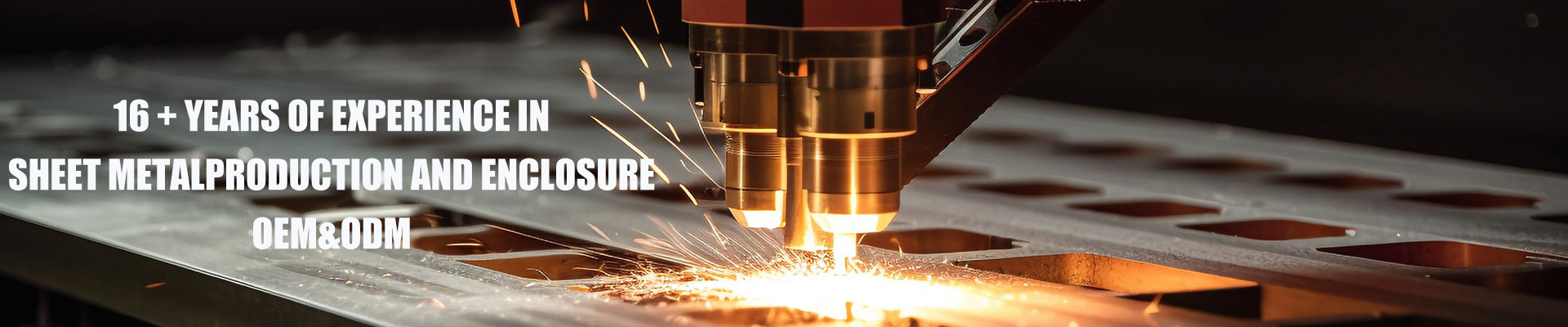
Battery Enclosure Manufacturer | Custom Energy Storage Enclosure OEM
H1: Custom Battery Enclosure Manufacturer — Precision Sheet Metal Solutions for Energy Storage Systems
We are a professional battery enclosure manufacturer specializing in custom energy storage enclosure solutions for industrial and commercial applications. With 16+ years of sheet metal fabrication experience and advanced automated production lines, we provide OEM battery enclosure systems for lithium battery packs, energy storage systems (ESS), and industrial power applications.
Our custom battery housings are engineered for global OEM customers who require high safety standards, structural reliability, and long-term durability in demanding environments. Whether you need a single battery pack housing or a complete energy storage cabinet, we deliver precision-manufactured solutions from design to final assembly.
H2: What Is a Battery Enclosure? Definition & Core Functions
A battery enclosure is a protective metal housing designed to secure lithium batteries or energy storage modules in industrial systems. It serves as the first line of defense against external threats while maintaining optimal internal conditions for battery performance.
Core Functions of a Battery Enclosure:
l Physical Protection — Shields battery cells from dust, moisture, vibration, and mechanical impact
l Thermal Management — Facilitates heat dissipation through ventilation design or integrated cooling channels
l Structural Support — Provides rigid mounting for battery modules, BMS, and electrical components
l Safety Containment — Contains thermal runaway events and prevents fire propagation
l EMI/EMC Shielding — Protects sensitive electronics from electromagnetic interference
In modern energy applications, a battery housing is not merely a protective shell — it is an integrated system that combines thermal engineering, structural design, and safety compliance into a single precision-fabricated unit.
H2: Battery Enclosure vs Energy Storage Enclosure: What's the Difference?
While these terms are often used interchangeably, they describe protection systems at different scales:
Battery Enclosure
l Scale: Individual battery pack or module
l Typical Size: 200mm – 800mm
l Contents: Battery cells, BMS, connectors
l Applications: EV battery packs, portable power
l Fabrication: Precision stamping, CNC machining
Energy Storage Enclosure
l Scale: Complete system with multiple modules
l Typical Size: 800mm – 2000mm+
l Contents: Battery modules, inverter, cooling system, control panel
l Applications: Grid-scale ESS, solar storage cabinets
l Fabrication: Heavy-gauge sheet metal, structural welding
Both require high-precision sheet metal fabrication to ensure safety, heat dissipation, and structural stability. Our factory is equipped to manufacture both battery pack housings and large-scale energy storage cabinets under one roof.
H2: Battery Enclosure Applications: ESS, Solar & Industrial Power
Our custom battery enclosures and energy storage cabinets are widely used across these industries:
Renewable Energy & Energy Storage
l Grid-scale energy storage systems (ESS) — Utility-level battery enclosures for peak shaving and load balancing
l Solar energy storage cabinets — Integrated housings for residential and commercial PV systems
l Wind power battery storage — Offshore and onshore enclosure solutions
l Industrial & Commercial Power
l Industrial backup power systems — UPS battery enclosures for manufacturing facilities
l Telecom backup power units — Outdoor battery cabinets for 5G base stations and data centers
l Electric vehicle charging systems — EV charger battery housings and power distribution enclosures
Smart Infrastructure
l Smart grid energy systems — Intelligent enclosure solutions with IoT integration
l Microgrid battery storage — Modular enclosures for decentralized power systems
These applications demand reliable battery housing structures that operate flawlessly in both indoor controlled environments and harsh outdoor conditions.
H2: Battery Enclosure Manufacturing Process: Sheet Metal Fabrication
We manufacture every battery enclosure using advanced sheet metal fabrication processes to ensure precision, durability, and cost-effectiveness.
Our Core Manufacturing Capabilities:
Laser Cutting
l Equipment: AMADA 3015LVP-40CF, 6000W fiber laser
l Application: High-precision panel cutting up to 25mm steel
CNC Punching
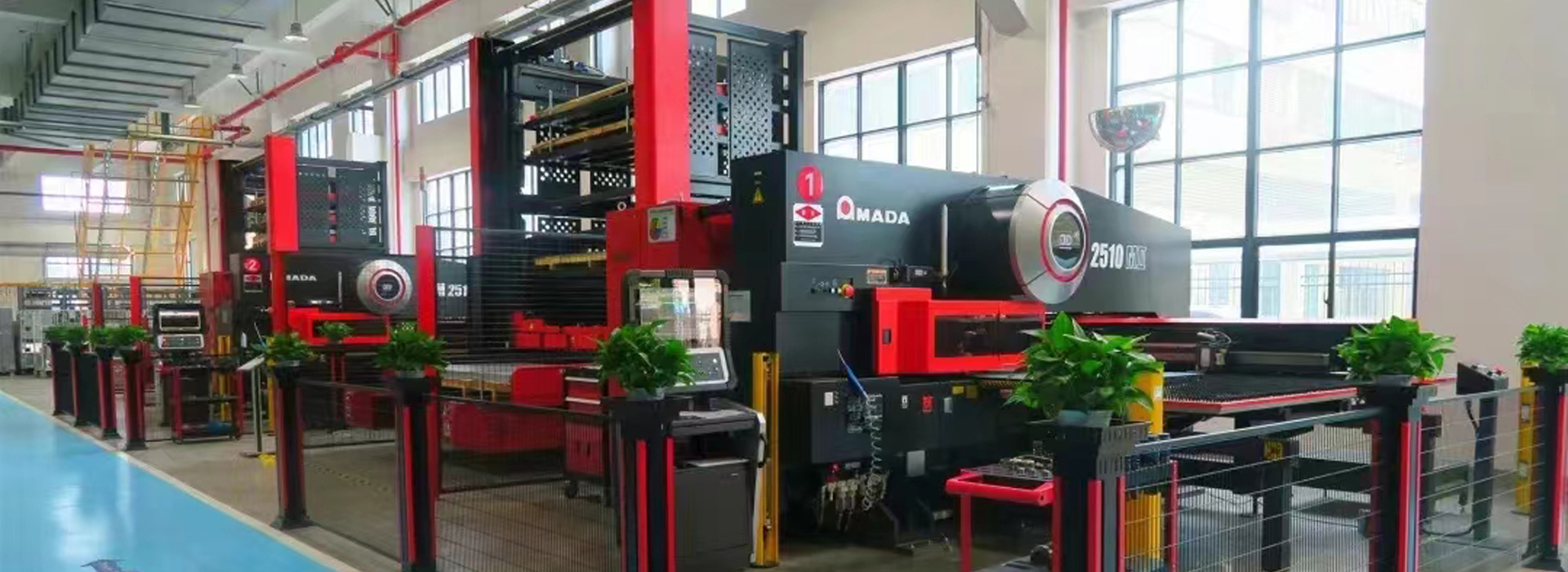
l Equipment: AMADA AE2510 (2 sets)
l Application: Complex hole patterns, ventilation slots
CNC Bending
l Equipment: 8× Accurpress CNC press brakes (40-300Ton)
l Application: Precision forming of enclosure panels
Automated Bending
l Equipment: 300Ton robotic bending center
l Application: High-volume production with ±0.1mm accuracy
Welding
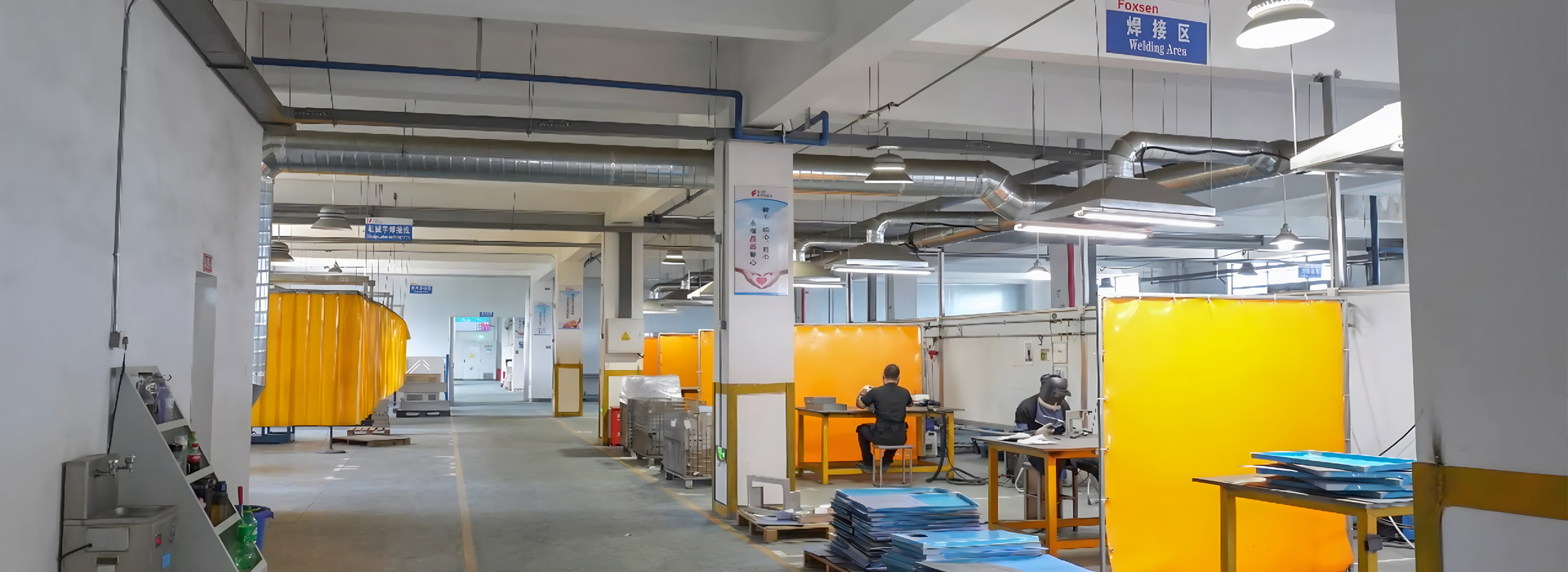
l Equipment: Panasonic spot/argon/MIG welders + Hyundai welding robots
l Application: Structural reinforcement and seam welding
Laser Welding
l Equipment: Yaskawa laser welding robots (2 sets)
l Application: Aesthetic seams for visible surfaces
Surface Treatment
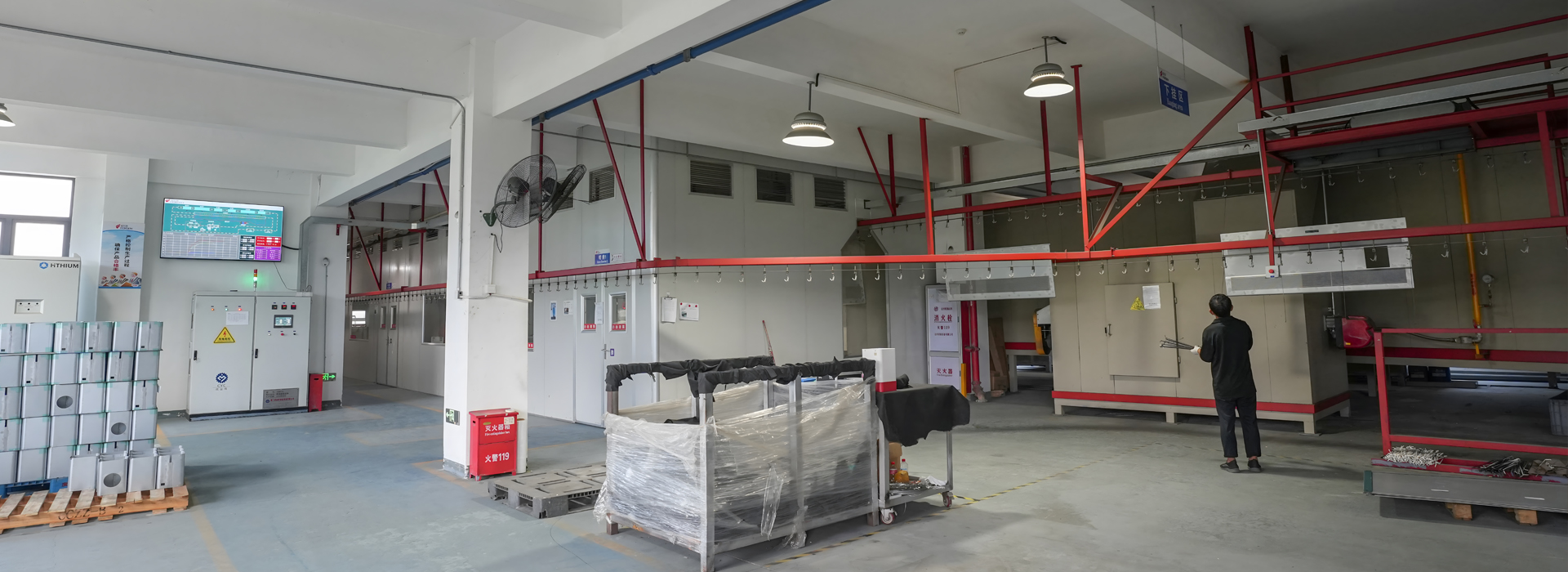
l Equipment: Fully automatic powder coating line
l Application: Corrosion-resistant finishes in custom colors
Additional Processes:
l Metal Stamping for mass-production battery brackets and mounting plates
l CNC Machining for threaded inserts, connector holes, and precision features
l Riveting and Tapping for PEM hardware installation
l Passivation and Anodizing for aluminum battery housings
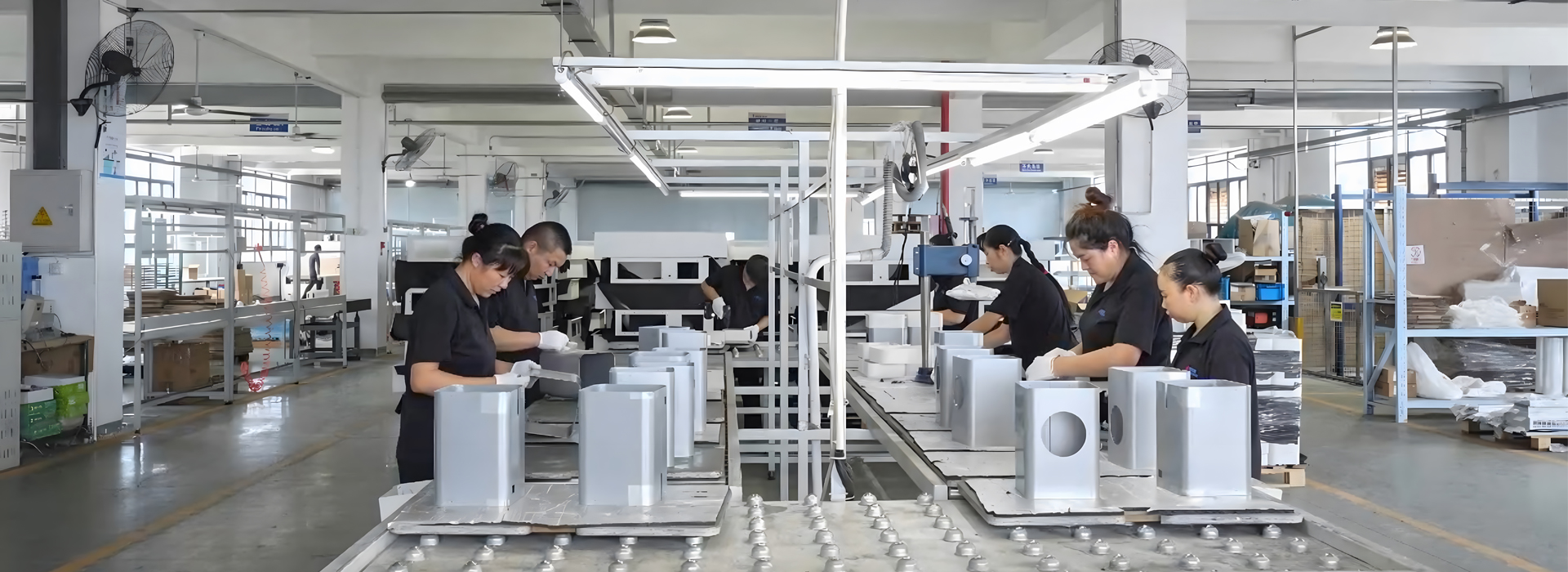
This integrated battery enclosure manufacturing process ensures every energy storage cabinet meets industrial-grade performance requirements and your exact specifications.
H2: Custom Battery Enclosure Design & OEM Engineering Services
We provide full OEM/ODM battery enclosure design services tailored to your application requirements.
Our Engineering Support Includes:
l Structural Design Optimization — CAD/CAM modeling for maximum strength-to-weight ratio
l Thermal Management Design — Ventilation layout, heat sink integration, and airflow simulation
l DFM (Design for Manufacturing) Analysis — Design reviews to reduce production costs by 15-30%
l Material Selection Guidance — Steel, stainless steel, or aluminum based on your environment and budget
l IP/NEMA Rating Consultation — Ensuring the right protection level for your application
l Prototype Development — Rapid prototyping with 3-7 day turnaround for validation
l Testing & Validation — Load testing, salt spray testing, and dimensional inspection reports
Our DFM-first approach allows customers to improve product performance while reducing manufacturing costs — before a single part is mass-produced.
H2: Battery Enclosure Materials & Surface Finishes
Selecting the right material and finish is critical for battery housing performance and longevity.
Material Comparison:
Cold Rolled Steel (CRS)
l Advantages: Cost-effective, excellent formability
l Best For: Indoor ESS cabinets, general battery boxes
l Typical Thickness: 1.0mm – 3.0mm
Stainless Steel (304/316)
l Advantages: Superior corrosion resistance, hygienic
l Best For: Marine, chemical, outdoor environments
l Typical Thickness: 1.5mm – 3.0mm
Aluminum (5052/6061)
l Advantages: Lightweight, excellent thermal conductivity
l Best For: EV battery packs, weight-sensitive applications
l Typical Thickness: 2.0mm – 4.0mm
Galvanized Steel
l Advantages: Good corrosion resistance at lower cost
l Best For: Outdoor telecom cabinets, budget projects
l Typical Thickness: 1.2mm – 2.5mm
Surface Finish Options:
l Powder Coating — RAL color matching, UV-resistant, 60-120μm thickness
l Anodizing — Hard anodizing for aluminum (Type II/III)
l Zinc Plating — Electro-galvanized or hot-dip galvanized
l Passivation — For stainless steel chemical resistance
l Fire-Resistant Coating — Intumescent coatings for enhanced fire safety
All finishes are tested in our in-house lab for salt spray resistance, coating thickness, adhesion, and pencil hardness.
H2: Frequently Asked Questions About Battery Enclosures
What is the difference between a battery enclosure and an energy storage enclosure?
A battery enclosure typically houses a single battery pack or module, while an energy storage enclosure is a larger system that contains multiple battery modules, inverters, cooling systems, and control electronics. Both require precision sheet metal fabrication but differ in scale and complexity.
What materials are used for battery enclosures?
Common materials include cold rolled steel (cost-effective), stainless steel (corrosion-resistant), aluminum (lightweight, good thermal conductivity), and galvanized steel (outdoor durability). Material selection depends on application environment, weight requirements, and budget.
What IP rating do I need for outdoor battery enclosures?
For outdoor applications, we recommend IP65 or higher for protection against dust and water jets. Harsh environments (coastal, industrial) may require IP67 or NEMA 4X stainless steel enclosures.
Can you provide custom battery enclosure design services?
Yes, we offer full OEM/ODM design services including structural optimization, thermal management design, DFM analysis, and prototype development. Our engineering team works with your CAD files or can design from your specifications.
What is your typical lead time for battery enclosure orders?
Prototype orders: 3-7 days after design confirmation. Mass production: 2-4 weeks depending on complexity and quantity. We maintain flexible capacity to accommodate urgent orders.
Do you provide quality certificates with battery enclosures?
Yes, we provide material certificates, dimensional inspection reports, coating test reports, and salt spray test results with every shipment. Custom inspection protocols are available upon request.