

Industry Overview
The copper busbar remains the industry standard for high-current power distribution across electrical panels, switchgear, busway systems, and industrial control centers. Copper’s inherent properties—exceptional electrical conductivity, thermal performance, and mechanical strength—make it the preferred conductor material for applications ranging from data centers and renewable energy plants to electric vehicle charging infrastructure and industrial facilities. According to market research, the global copper busbar market continues steady growth, driven by electrification trends and infrastructure modernization.
Unlike cables, a copper busbar offers lower impedance, better heat dissipation, and more compact installation within enclosures. Its rigid structure simplifies connection layouts and reduces voltage drop over short distances. The versatility of copper allows fabrication into flat bars, round rods, or custom profiles to meet specific design requirements.
Material Properties and Conductivity
The performance of any copper busbar begins with the quality of its base material. High-conductivity copper (typically C11000 electrolytic tough pitch copper) achieves 101% IACS (International Annealed Copper Standard) conductivity, meaning it conducts electricity even better than the standard reference. This superior conductivity translates directly into lower resistive losses, reduced heat generation, and improved energy efficiency.
Copper also offers excellent thermal conductivity, allowing a copper busbar to dissipate heat effectively even under continuous high-load conditions. Its high melting point (1083°C) and robust mechanical properties ensure reliable operation during short-circuit events. Unlike aluminum, copper does not suffer from creep or galvanic corrosion issues when connected to copper terminals, making it the preferred choice for critical connections.
Manufacturing and Fabrication Processes
Copper busbar manufacturing involves several precision processes that determine final quality and performance.
Material Sourcing: High-purity copper cathodes are melted and cast into continuous rod or flat bar stock. The oxygen content is carefully controlled—ETP copper contains approximately 0.02-0.04% oxygen, which improves conductivity while maintaining good workability.
Extrusion and Rolling: For larger cross-sections, copper is extruded or rolled to achieve precise dimensions. This process aligns the grain structure, enhancing mechanical properties.
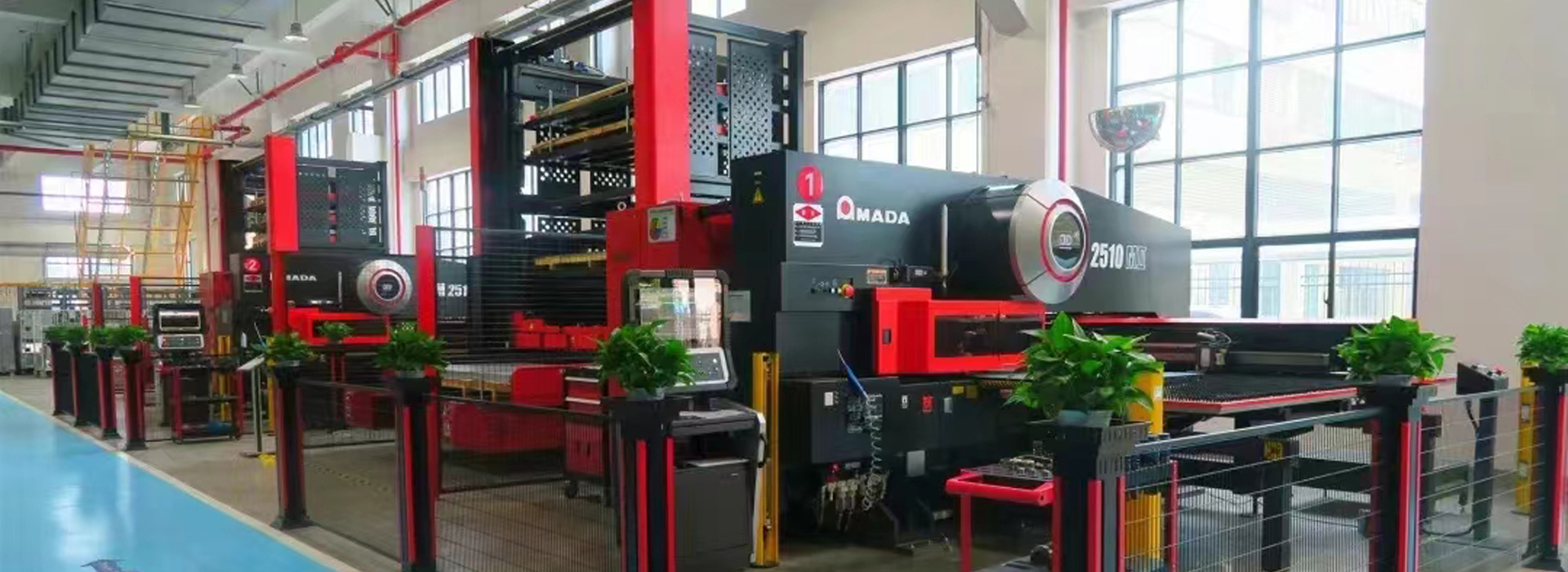
Cutting and Punching: CNC-controlled equipment cuts copper busbar to exact lengths and punches mounting holes with tight tolerances (±0.1mm). High-quality tooling ensures clean edges without burrs that could cause electrical stress points.
Bending and Forming: Copper’s ductility allows complex bending operations. CNC press brakes with radius dies prevent cracking and maintain consistent bend angles. For intricate shapes, multi-step forming with intermediate annealing may be required.
Plating and Surface Treatment: Many copper busbar applications specify tin, silver, or nickel plating to enhance corrosion resistance, improve contact surfaces, and facilitate soldering. Tin plating is common for outdoor or humid environments, while silver plating provides maximum conductivity for high-frequency applications.
Insulation Coating: For compact installations, some busbars receive epoxy powder coating or PVC heat-shrink insulation to prevent accidental contact and reduce clearance requirements.
Applications Across Industries
Copper busbar systems serve critical power distribution functions across diverse sectors.
Switchgear and Panelboards: Within electrical enclosures, copper busbar forms the main distribution backbone, carrying current from incoming feeders to branch circuits. Its rigid structure supports multiple connection points while maintaining low impedance. These applications often integrate with electronic enclosure designs requiring organized, space-efficient layouts.
Data Centers: Busway systems using copper busbar deliver power to server racks with greater efficiency than traditional cable bundles. The modular nature allows easy reconfiguration as IT loads change. Lower heat generation reduces cooling requirements, improving overall power usage effectiveness (PUE).
Renewable Energy: Solar combiner boxes and wind turbine converters rely on copper busbar to aggregate power from multiple strings. Battery energy storage systems (BESS) use busbars for interconnections between battery modules, inverters, and grid interfaces—directly complementing battery enclosure manufacturing with reliable internal conductors.
Electric Vehicle Charging: DC fast chargers (150-350kW) demand low-resistance, high-current paths. Copper busbar within charging cabinets carries current from grid rectifiers to vehicle connectors with minimal voltage drop. Thermal performance is critical, as sustained high currents generate significant heat.
Industrial Automation: Motor control centers (MCCs) and variable frequency drive (VFD) panels distribute power using busbars. The mechanical rigidity withstands vibration from nearby machinery.
Transportation: Railway traction power, shipboard electrical systems, and airport ground power units utilize copper busbar for reliable high-current distribution in confined spaces.
Advantages Over Aluminum Busbar
While aluminum busbars offer lower material cost and lighter weight, copper busbar provides distinct technical advantages:
Higher conductivity: Copper’s conductivity is approximately 1.6 times that of aluminum, allowing smaller cross-sections for the same current rating.
Superior thermal performance: Copper dissipates heat more effectively, reducing temperature rise under load.
Better mechanical strength: Copper resists creep and maintains connection torque over time, unlike aluminum which requires periodic retightening.
No galvanic corrosion concerns: Copper connections to copper terminals avoid the dissimilar metal issues that plague aluminum-copper interfaces.
Higher short-circuit withstand: Copper’s higher melting point and strength enable it to survive fault currents without deformation.
For critical applications where reliability is paramount, copper busbar remains the specification of choice.
Design Considerations and Sizing
Proper copper busbar selection requires evaluating several factors:
Current Rating: Ampacity depends on cross-sectional area, ambient temperature, permissible temperature rise, and installation method (enclosed or open air). Standard reference tables provide baseline values; derating factors apply for multiple parallel bars or elevated temperatures.
Voltage Drop: For longer runs, voltage drop must remain within acceptable limits (typically 1-3%). Larger cross-sections reduce drop but increase cost and weight.
Short-Circuit Withstand: The busbar must withstand electromagnetic forces during fault conditions. Proper bracing and support spacing prevent deformation.
Skin Effect: At higher frequencies (e.g., harmonics from VFDs), current tends to flow on the conductor surface. Multiple thin laminations or hollow profiles may be specified.
Thermal Expansion: Copper expands approximately 17 µm/m°C. Long busbar runs require expansion joints or sliding supports to prevent stress on connections.
Installation Best Practices
Proper installation ensures copper busbar systems deliver rated performance and longevity:
Clean contact surfaces: Remove oxide using fine abrasive pads (never steel wool). Apply conductive grease to maintain low resistance.
Correct bolt torque: Follow manufacturer specifications. Over-tightening deforms busbar; under-tightening increases resistance and heating.
Use flat and spring washers: These maintain clamping force despite thermal cycling.
Maintain clearances: Follow IEC 61439 or UL 67 spacing requirements between phases and to ground.
Support adequately: Spacing between supports depends on bar size and short-circuit withstand requirements.
Quality Standards and Testing
Reputable copper busbar manufacturers comply with international standards:
IEC 61439: Low-voltage switchgear and controlgear assemblies
UL 67: Panelboards (North America)
ASTM B187: Standard specification for copper bus bar
ISO 9001: Quality management systems
Testing includes conductivity verification, dimensional inspection, and optional salt spray for plated bars. For custom fabrications, coordinate measuring machines (CMM) validate critical tolerances.
Future Trends
The copper busbar industry continues evolving with several notable trends. Higher voltage DC systems (1500V for solar and storage) demand busbars with enhanced insulation and clearance. Compact designs with integrated cooling channels or heat sinks improve power density. Smart busbars incorporating temperature and current sensors enable predictive maintenance. Sustainable manufacturing emphasizes recycled copper content and energy-efficient production.
Conclusion
The copper busbar remains fundamental to safe, efficient power distribution across modern electrical infrastructure. From switchgear and data centers to renewable energy and EV charging, copper’s unmatched conductivity, thermal performance, and reliability justify its continued preference. Understanding material properties, manufacturing processes, design considerations, and installation practices enables engineers to specify optimal copper busbar solutions for each application. As global electrification accelerates, the copper busbar will continue serving as the backbone of power delivery systems.