

Industry Overview
Copper sheet fabrication encompasses the processes of cutting, forming, bending, welding, and finishing copper sheet metal into finished components and enclosures. Copper's exceptional electrical and thermal conductivity, corrosion resistance, and antimicrobial properties make it indispensable across power distribution, electronics, construction, and industrial equipment sectors. According to industry data, the global copper fabrication market continues steady growth, driven by electrification trends, renewable energy expansion, and infrastructure modernization.
Unlike fabrication of other metals, copper sheet fabrication requires specialized knowledge due to copper's unique material properties—its high ductility, work-hardening characteristics, and thermal conductivity demand careful process control to achieve optimal results. From busbars and electrical enclosures to architectural features and heat exchangers, fabricated copper components deliver performance that alternative materials cannot match.
Material Properties and Alloy Selection
The success of any copper sheet fabrication project begins with appropriate material selection. Different copper alloys offer distinct properties suited to specific applications.
C110 (Electrolytic Tough Pitch Copper) is the most common grade for general fabrication. With 99.9% minimum copper content and electrical conductivity of 101% IACS (International Annealed Copper Standard), it delivers excellent conductivity for electrical applications while maintaining good formability for bending and forming operations.
C101 (Oxygen-Free Copper) provides the highest purity with conductivity reaching 101% IACS. Its oxygen-free composition prevents hydrogen embrittlement during welding, making it ideal for applications requiring high-temperature processing or critical electrical connections.
C122 (Phosphorus-Deoxidized Copper) contains phosphorus as a deoxidizer, improving weldability and brazeability. It is commonly specified for plumbing applications, heat exchangers, and components requiring extensive joining operations during copper sheet fabrication.
Brass and Bronze Alloys offer enhanced strength and corrosion resistance for architectural and decorative applications. These copper-based alloys expand the design possibilities for fabricated components.
The thickness range for copper sheet fabrication typically spans from 0.5mm to 6mm for sheet applications, with thicker plates used for structural components. Material selection must consider the balance between conductivity requirements, mechanical strength, formability, and cost.
Core Fabrication Processes
Copper sheet fabrication involves multiple precision operations that transform flat copper sheets into finished products.
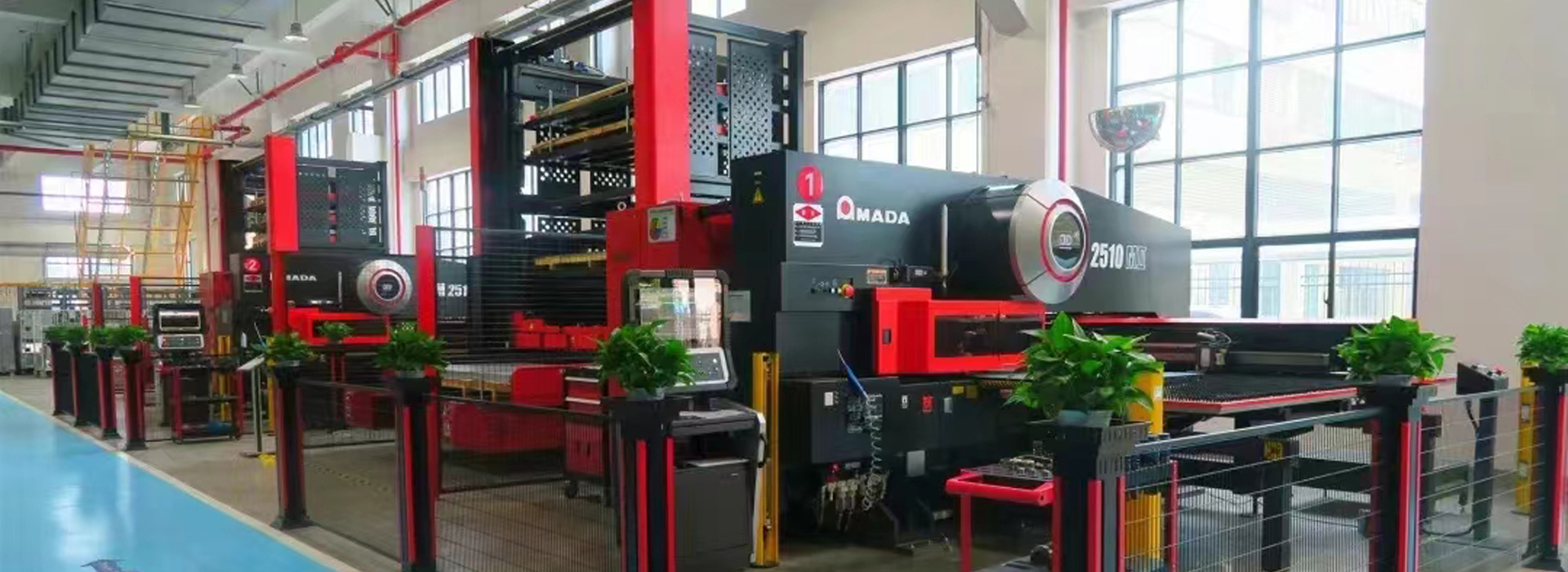
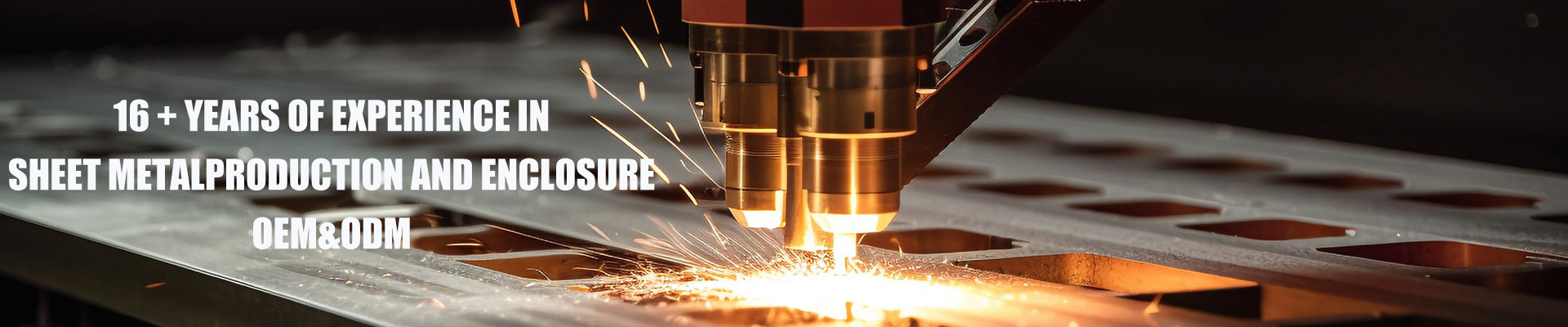
Cutting: Precise cutting is the first step in copper sheet fabrication. Laser cutting provides clean, accurate edges with minimal heat-affected zone, achieving tolerances as fine as ±0.1 mm. Waterjet cutting offers a cold-cutting alternative that eliminates heat distortion entirely, particularly valuable for thin copper sheets where thermal deformation could compromise accuracy. Shearing remains economical for straight-line cuts on larger production runs.
Punching and Blanking: For high-volume production, precision punching operations create holes, cutouts, and complex shapes efficiently. Progressive dies can perform multiple operations in sequence, producing consistent parts with minimal material waste. This capability aligns with metal stamping service expertise, where precision tooling delivers repeatable quality.
Bending and Forming: Copper's excellent ductility allows for complex bending operations. CNC press brakes equipped with angle sensors achieve precise bend angles, while proper tooling selection prevents marking or deformation of the soft copper surface. Springback characteristics differ from steel, requiring adjusted bend calculations during copper sheet fabrication.
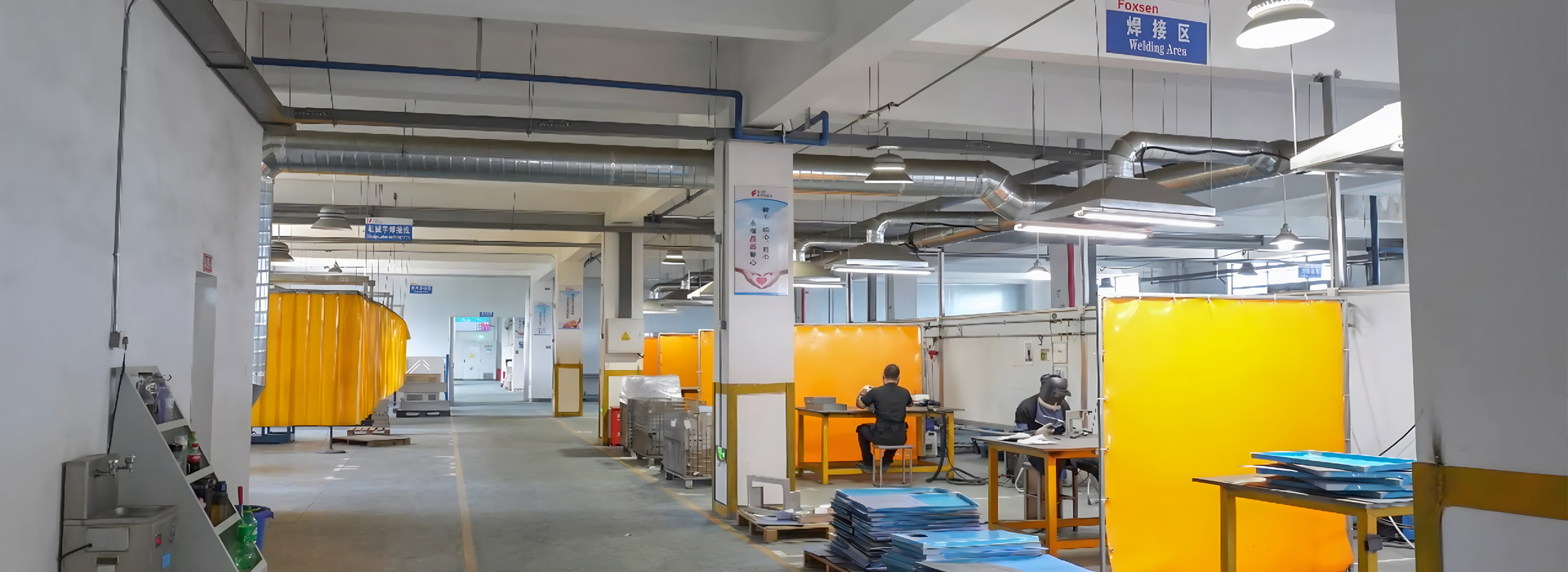
Welding and Joining: TIG welding is the preferred method for copper, providing clean, strong welds with controlled heat input. Proper filler material selection and preheating prevent oxidation and ensure weld integrity. For applications requiring electrical continuity, bolted or clamped connections may replace welding to maintain conductivity.
Surface Treatment and Protection
Copper naturally develops a protective patina over time, but many applications require specific surface finishes or enhanced protection.
Mechanical Finishing: Brushing, polishing, and satin finishing create uniform surface appearances. For architectural and decorative applications, these finishes provide aesthetic appeal while maintaining copper's natural characteristics.
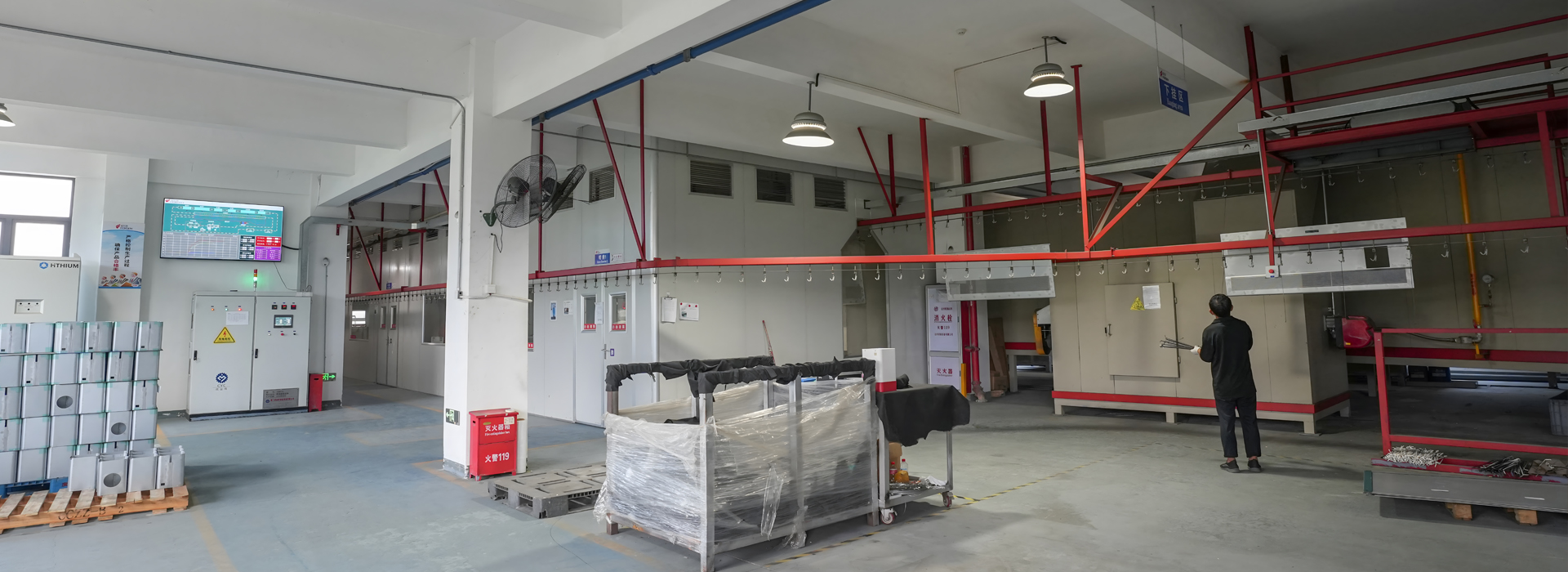
Chemical Treatment: Patination accelerates the natural weathering process, creating consistent green or brown finishes for architectural applications. Clear coating preserves the original copper color, preventing oxidation where the natural patina is undesirable.
Tin Plating and Silver Plating: For electrical applications, plating enhances corrosion resistance and improves contact surfaces. Tin plating provides cost-effective protection, while silver plating offers maximum conductivity for high-performance electrical connections.
Anti-Tarnish Coatings: Thin clear coatings prevent surface oxidation during storage and shipping, ensuring fabricated components arrive in pristine condition.
Applications Across Industries
Copper sheet fabrication serves critical functions across diverse sectors, each with unique requirements.
Power Distribution and Electrical Equipment: Busbars, switchgear components, transformer connections, and grounding systems rely on fabricated copper for efficient power transmission. Electrical enclosures and electronic enclosure applications benefit from copper's conductivity and electromagnetic shielding properties. Fabricated copper components deliver the low resistance and high reliability essential for critical power infrastructure.
Renewable Energy Systems: Solar installations utilize fabricated copper for inverter connections, combiner boxes, and array grounding. Wind turbines incorporate copper components for power conversion and transmission. Battery storage systems require precision-fabricated copper busbars and interconnects, complementing battery enclosure manufacturing with reliable internal connections.
Architectural and Construction: Copper roofing, flashing, gutters, and wall cladding showcase the material's durability and aesthetic appeal. Fabricated copper features appear in historic building restoration and contemporary architecture, where the natural patina adds character over decades of service.
Heat Transfer and HVAC: Copper's exceptional thermal conductivity makes it ideal for heat exchangers, radiators, cooling plates, and HVAC components. Fabricated copper sheets form the core of many thermal management systems where efficient heat transfer is critical.
Industrial Equipment: Process equipment, chemical handling systems, and specialized machinery incorporate fabricated copper components where corrosion resistance and thermal performance are essential.
Medical and Hygienic Applications: Copper's antimicrobial properties make it valuable for touch surfaces in healthcare facilities. Fabricated copper components for door hardware, handrails, and work surfaces provide continuous antimicrobial protection.
Quality Standards and Manufacturing Capability
Copper sheet fabrication requires strict quality control to ensure consistent performance. Dimensional inspection using coordinate measuring machines verifies critical tolerances. Electrical conductivity testing confirms material meets specified IACS requirements. Surface finish inspection ensures aesthetic and functional requirements are satisfied.
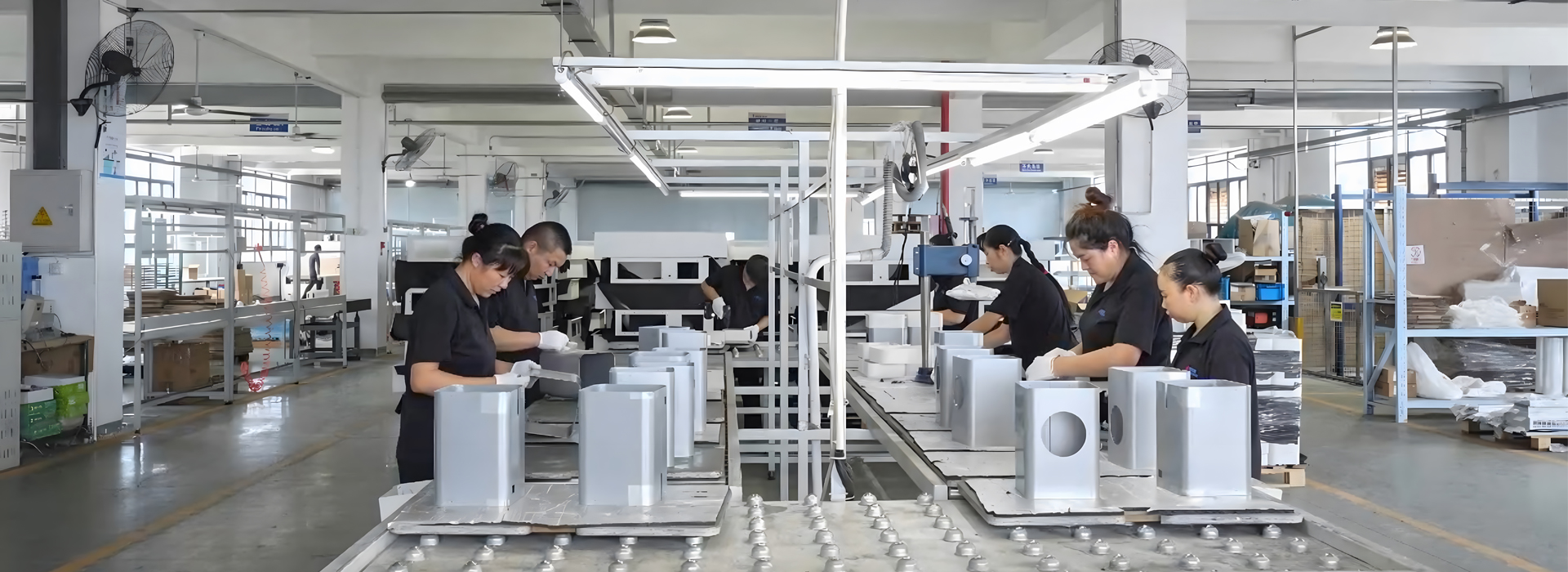
Manufacturing capabilities supporting copper sheet fabrication include precision CNC equipment for cutting and forming, skilled welding expertise for copper-specific joining operations, and finishing facilities capable of producing required surface treatments. Quality management systems certified to ISO 9001 ensure consistent processes and traceability.
For complex projects, integrated manufacturing combining copper sheet fabrication with CNC machining, stamping, and assembly capabilities streamlines production and ensures component compatibility across the final assembly.
Material Considerations and Challenges
Working with copper presents specific challenges that experienced fabricators address through specialized techniques.
Work Hardening: Copper work-hardens during forming operations, which can lead to cracking if not managed properly. Intermediate annealing may be required for complex bends or multiple forming steps to restore ductility and prevent failure.
Thermal Conductivity: Copper's high thermal conductivity rapidly dissipates heat during welding, requiring higher heat input or preheating to achieve proper fusion. Skilled welders adjust parameters accordingly to ensure weld integrity.
Surface Protection: The soft surface of copper is susceptible to scratching and marking during handling. Proper tooling selection and careful workholding protect surface finish throughout copper sheet fabrication operations.
Material Cost: Copper's value requires efficient material utilization. Nesting optimization and careful layout minimize waste, while recycling programs recover scrap material value.