

In today's highly automated and precision-driven manufacturing landscape, the production efficiency, consistency, and cost control of components are key determinants of product competitiveness. Among various metal forming processes, die stamping technology holds a central position due to its exceptional performance in mass production. The resulting Die Stamping Parts have become the lifeline for industries ranging from automotive to consumer electronics. This article delves into the technical essence, process evolution, wide-ranging applications, and future trends of Die Stamping Parts, analyzing how this foundational process continues to propel modern industry forward.

I. Core Process Analysis: What Are Die Stamping Parts?
Die Stamping Parts specifically refer to metal components formed in one stroke or through multiple stations in a continuous process using a die set on a press. The core of this process lies in the high-precision die—typically consisting of a punch and a die—which, under tremendous pressure, plastically deforms or separates sheet metal to achieve parts with complex shapes and precise dimensions. Compared to simple sheet metal fabrication, the production of Die Stamping Parts is highly dependent on die engineering. Its process flow encompasses multiple steps such as blanking, piercing, bending, drawing, flanging, and coining, which can be completed in a single stroke or a series of progressive strokes. Parts produced by this method exhibit extremely high repeatability and consistency, excellent surface quality, and relatively high material utilization rates, making them particularly suitable for mass-production scenarios with annual volumes reaching hundreds of thousands or even millions of units. It can be said that every qualified Die Stamping Part is the product of the marriage between precision die design and stable stamping processes.
II. Process Evolution and Automation Integration
Die stamping technology itself is constantly evolving. Early single-station dies have progressively given way to complex progressive dies capable of performing dozens of operations within a single die set,极大地提升了 production efficiency and part accuracy. Today, Computer-Aided Design (CAD) and Computer-Aided Manufacturing (CAM) are standard tools for die design. Finite Element Analysis (FEA) allows for the simulation of material flow and prediction of forming defects in a virtual environment, thereby optimizing die design and reducing try-out costs and time.
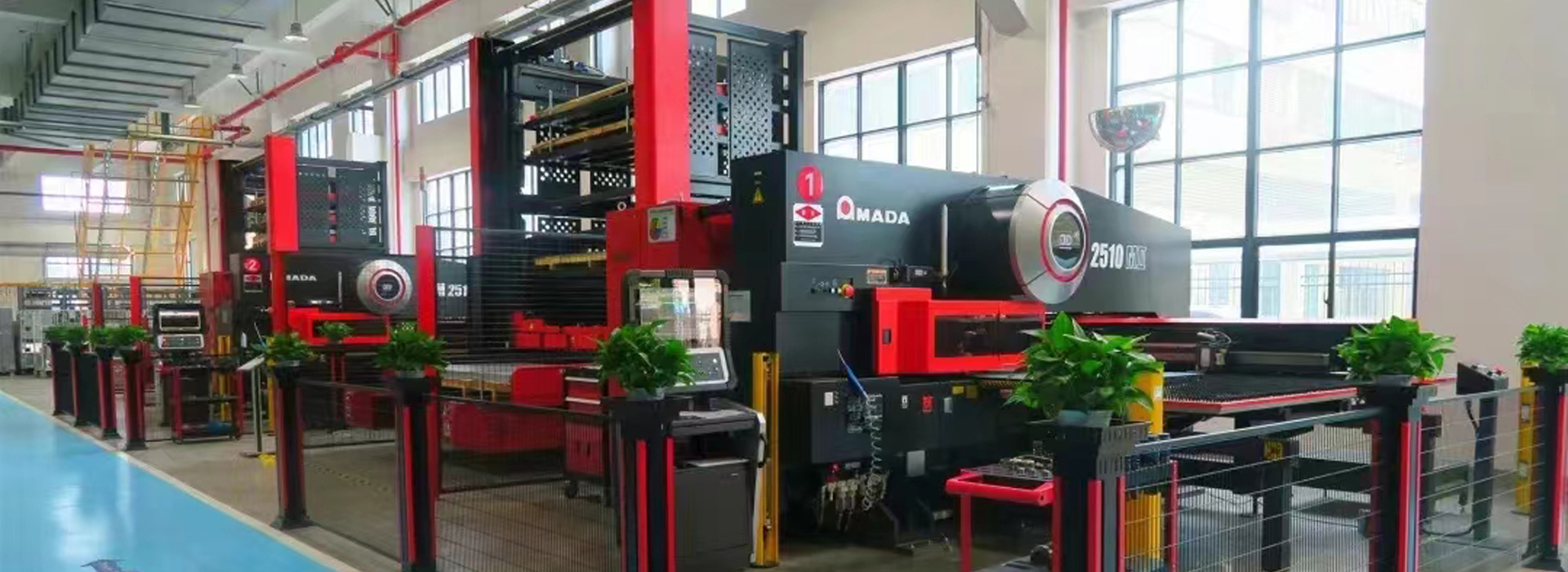
The automated production lines for Die Stamping Parts are now highly mature. The entire process—from coil feeding, leveling, and automatic feeding to high-speed stamping (which can reach hundreds or even thousands of strokes per minute), and finally to the automatic collection or transfer of parts to the next assembly stage—requires almost no manual intervention. This high level of automation not only ensures production safety but also minimizes labor costs while guaranteeing the stable and reliable quality of each batch of Die Stamping Parts. In-line vision inspection systems and sensors are also integrated into production lines for real-time monitoring of critical dimensions and surface defects, enabling in-process quality control.
III. Cross-Industry Applications and Critical Role
Die Stamping Parts are ubiquitous, and their performance directly impacts the quality of end products.
Automotive Industry: This is the largest consumer of Die Stamping Parts. Body structural components (like rails and crossmembers), exterior panels (such as doors and hoods), chassis parts, and precision structural components inside engines and transmissions extensively utilize stamped parts made from high-strength steel or aluminum alloys. The lightweighting trend is driving the application of advanced technologies like hot stamping in producing high-strength Die Stamping Parts.
Consumer Electronics & Appliances: The mid-frames, internal shielding cans, connectors of smartphones, as well as the housings and internal brackets of home appliances, demand extremely high dimensional accuracy and appearance. These parts are often made from stainless steel or aluminum alloys using precision progressive dies, showcasing the capability of Die Stamping Parts in miniaturization and high precision.
Industrial Equipment & Energy: Motor laminations (stators and rotors), metal structural components for electrical cabinets, and connectors for solar mounting systems all rely on robust and reliable Die Stamping Parts. These parts often require good structural strength and corrosion resistance, making material selection and surface treatment processes crucial.
Emerging Sectors: In battery pack (Battery Enclosure) manufacturing, metal end plates for securing cells, cover plates, and other components are increasingly produced using die stamping processes to achieve efficiency and quality consistency.
IV. Materials, Die Technology, and Sustainability Challenges
The performance boundaries of Die Stamping Parts are continuously being expanded by new materials. The application of advanced high-strength steels, aluminum and magnesium alloys, and composite metal sheets is growing. However, they also pose new challenges for stamping processes, such as difficult springback control and higher forming force requirements, which in turn drive advancements in die materials and lubrication technologies. Die manufacturing itself is a precise discipline, involving CNC Machining Parts technology to machine complex cavities, as well as meticulous heat treatment and surface treatment to ensure longevity and wear resistance.
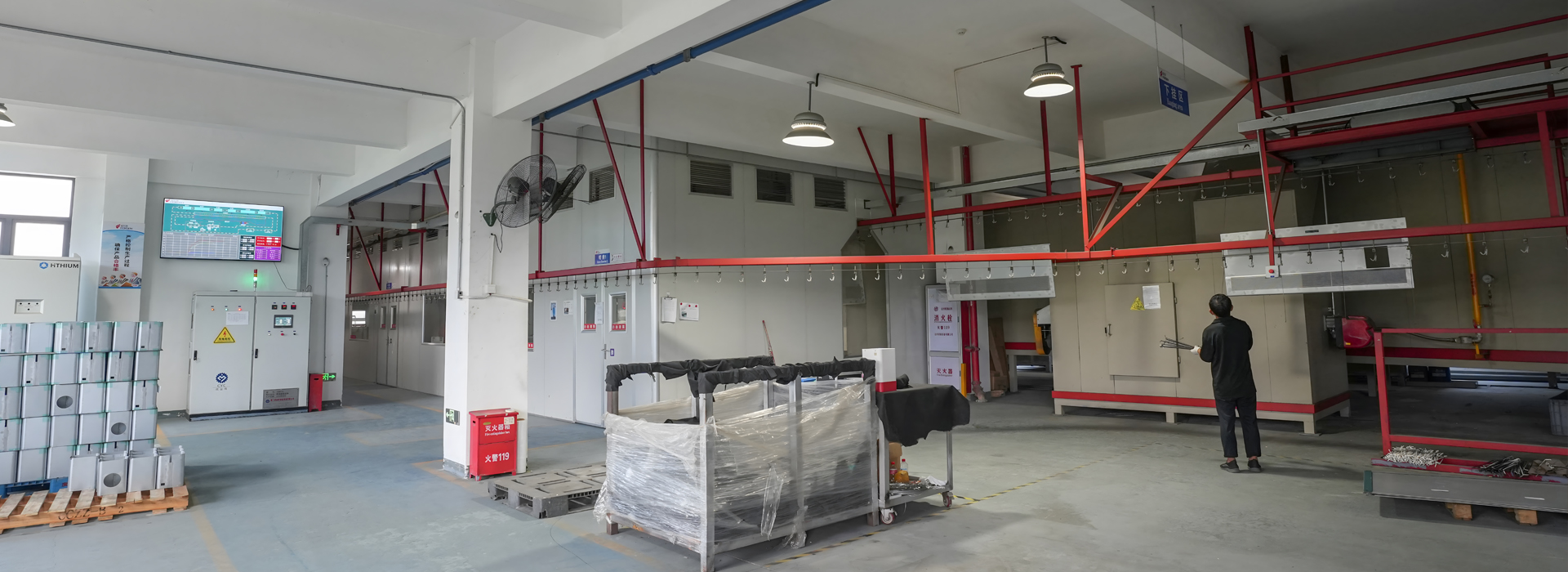
Sustainability is a major theme in modern manufacturing. For Die Stamping Parts production, this is mainly reflected in three areas: First, maximizing sheet utilization and reducing scrap through optimized nesting design and adopting more advanced multi-out processes. Second, efficient recycling and reuse of the scrap generated during stamping (usually the same metal). Third, developing more environmentally friendly lubrication and cleaning technologies to reduce chemical pollution during production.
V. Future Trends: Intelligence, Flexibility, and High Added Value
Looking ahead, the production of Die Stamping Parts will move towards greater intelligence and flexibility. Digital twin technology will enable full-process virtual mapping and real-time optimization from die design to stamping production. Predictive maintenance based on big data and artificial intelligence can forewarn of die wear or equipment failure, reducing unplanned downtime. Simultaneously, to meet the market demand for high-mix, low-volume production, quick die change systems and flexible stamping cells suitable for medium volumes are gaining increasing importance.
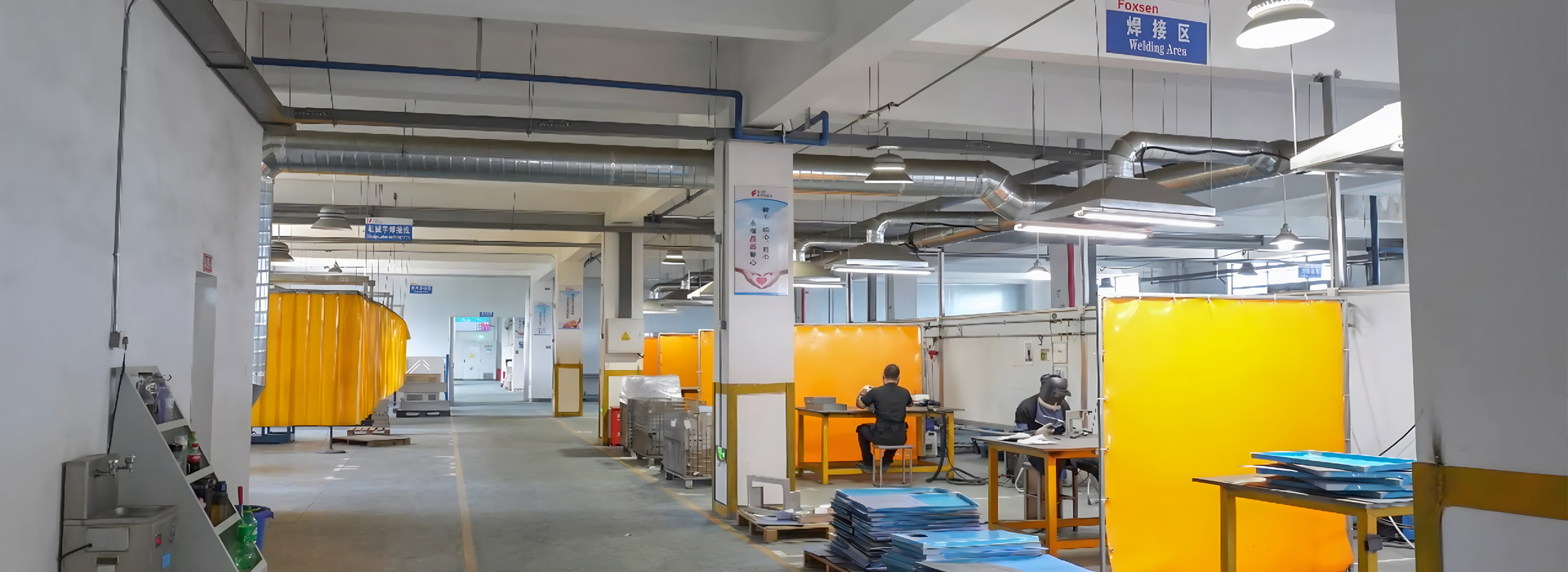
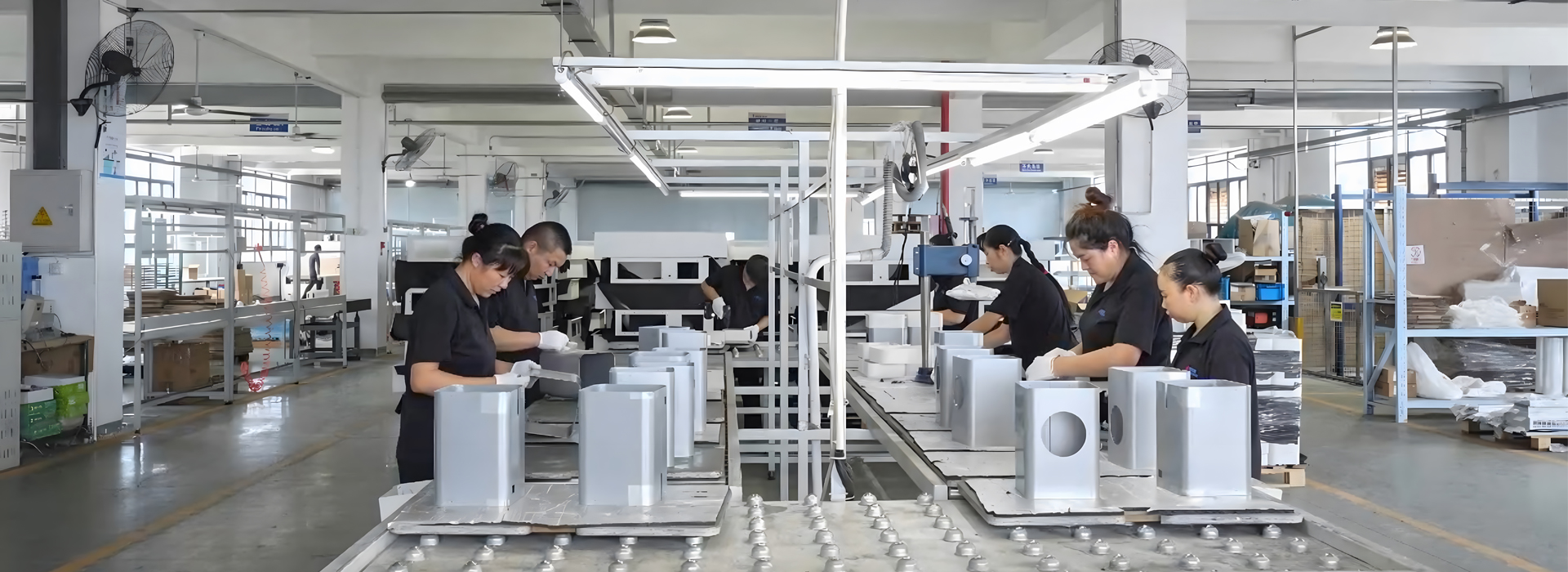
Furthermore, integrating more post-processing steps (such as tapping, welding, riveting, cleaning) into the stamping line to produce more functionally complete assemblies rather than individual parts is a clear trend for adding value to Die Stamping Parts. This "one-stop" forming approach not only shortens the supply chain but also improves the overall accuracy and reliability of the final assembly.
In conclusion, as the cornerstone of modern mass manufacturing, the technology and market for Die Stamping Parts remain vibrant. With the continuous integration of new materials, new processes, and smart technologies, die stamping will continue to provide cost-effective and high-quality key metal components for various industries. Its evolution is, in itself, a condensed history of modern industrial progress.