


Industry Overview
The electrical meter box enclosure serves as the critical interface between utility power grids and residential, commercial, or industrial customers. These enclosures house revenue-grade metering equipment, protecting sensitive electronics from weather, tampering, and environmental hazards while providing authorized access for meter reading and maintenance. According to utility industry data, millions of meter boxes are deployed annually worldwide, with demand driven by grid modernization, smart meter rollouts, and new construction.
Unlike general-purpose electrical enclosures, an electrical meter box enclosure must comply with specific utility standards regarding security, sealing, and visibility. The enclosure typically features a transparent or windowed cover allowing meter reading without opening, robust locking mechanisms to prevent unauthorized access, and weatherproof construction for outdoor pole or wall mounting.
Key Design Requirements
Security and Tamper Resistance: Utility companies prioritize preventing electricity theft. The electrical meter box enclosure incorporates reinforced hinges, padlock hasps, or utility-specific barrel locks. Some designs include anti-pry flanges and break-away screws. Meters themselves often have sealing rings, but the enclosure provides the first layer of physical protection.
Weatherproof Sealing: Outdoor installations require IP54 to IP65 ingress protection, depending on local climate. A well-designed electrical meter box enclosure uses closed-cell foam gaskets or formed-in-place seals around the door. Drainage openings at the bottom prevent water accumulation while maintaining insect exclusion. For coastal areas, stainless steel construction with powder coating resists salt corrosion.
Visibility and Accessibility: Meter readers need clear view of the meter display without unsealing the enclosure. Many electrical meter box enclosure designs incorporate UV-stabilized polycarbonate windows or complete transparent covers. The window must resist yellowing and scratching over decades of sun exposure. Hinged doors with captive screws allow authorized access while preventing lost hardware.
Thermal Management: Modern smart meters generate heat from internal electronics and communication modules. The electrical meter box enclosure must dissipate this heat to prevent meter accuracy drift or premature failure. Ventilation slots with insect screens or passive convection paths are common. For high-density multi-meter enclosures, larger surface areas or forced ventilation may be required.
Material Selection
Galvanized Steel: The most common material for utility meter boxes. Hot-dip galvanized steel provides excellent corrosion resistance at moderate cost. After fabrication, additional powder coating offers color matching and enhanced durability. Steel enclosures offer high mechanical strength, resisting impact and vandalism.
Stainless Steel: For harsh environments—coastal, chemical plants, or food processing—type 304 or 316 stainless steel is specified. A stainless steel enclosure for metering applications provides decades of maintenance-free service, resisting pitting and crevice corrosion. Stainless steel also offers a premium appearance for architectural applications.
Polycarbonate: Non-metallic enclosures are increasingly used for residential and light commercial meter boxes. UV-stabilized polycarbonate offers transparency (eliminating need for separate windows), electrical insulation, and light weight. However, polycarbonate may yellow over time and has lower impact resistance than steel. Special grades with UV inhibitors mitigate these issues.
Aluminum: Lightweight and naturally corrosion-resistant, aluminum meter boxes are common in coastal areas where weight matters for pole mounting. Aluminum also dissipates heat effectively, benefiting smart meters.
Manufacturing Processes
Quality electrical meter box enclosure production involves several precision steps:
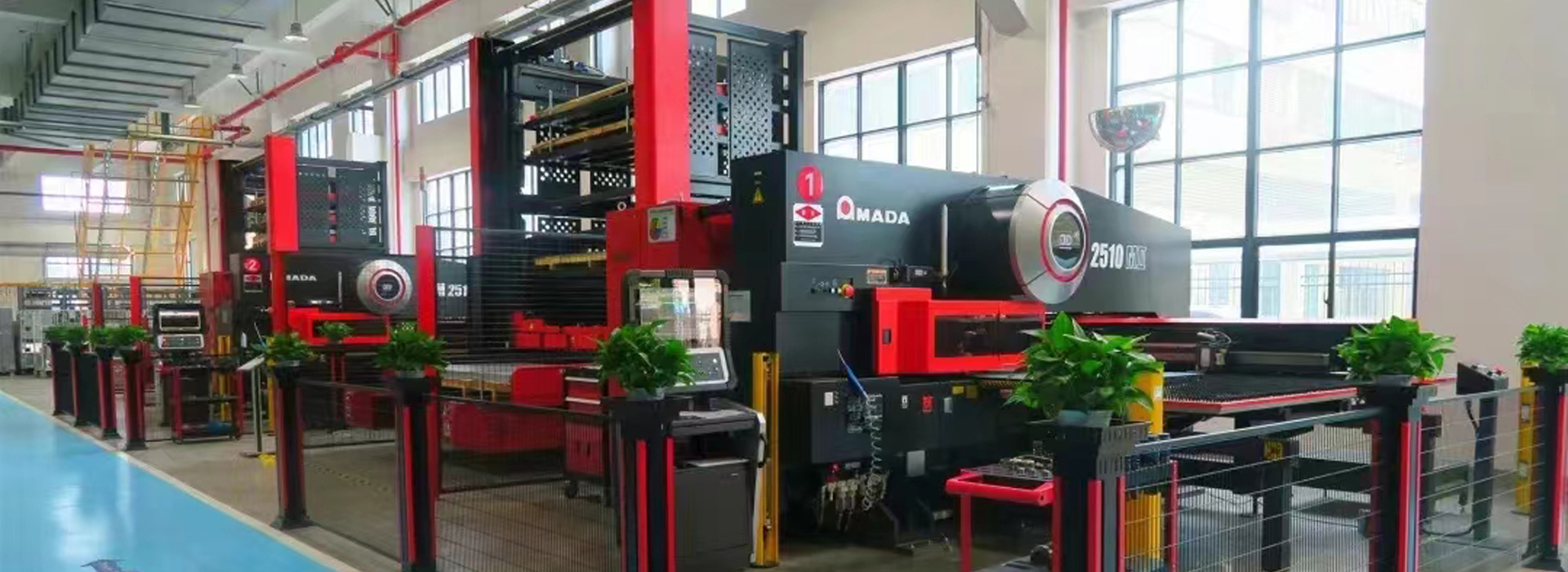
Cutting and Punching: CNC laser cutting or turret punching creates accurate blanks and knockout holes for conduit entries. Tooling must produce clean edges to prevent wire insulation damage.
Bending and Forming: Press brakes form the box shape and door flanges. For gasketed designs, the door flange must be flat and true to ensure uniform seal compression. Deep-drawn designs eliminate side seams, improving weather resistance.
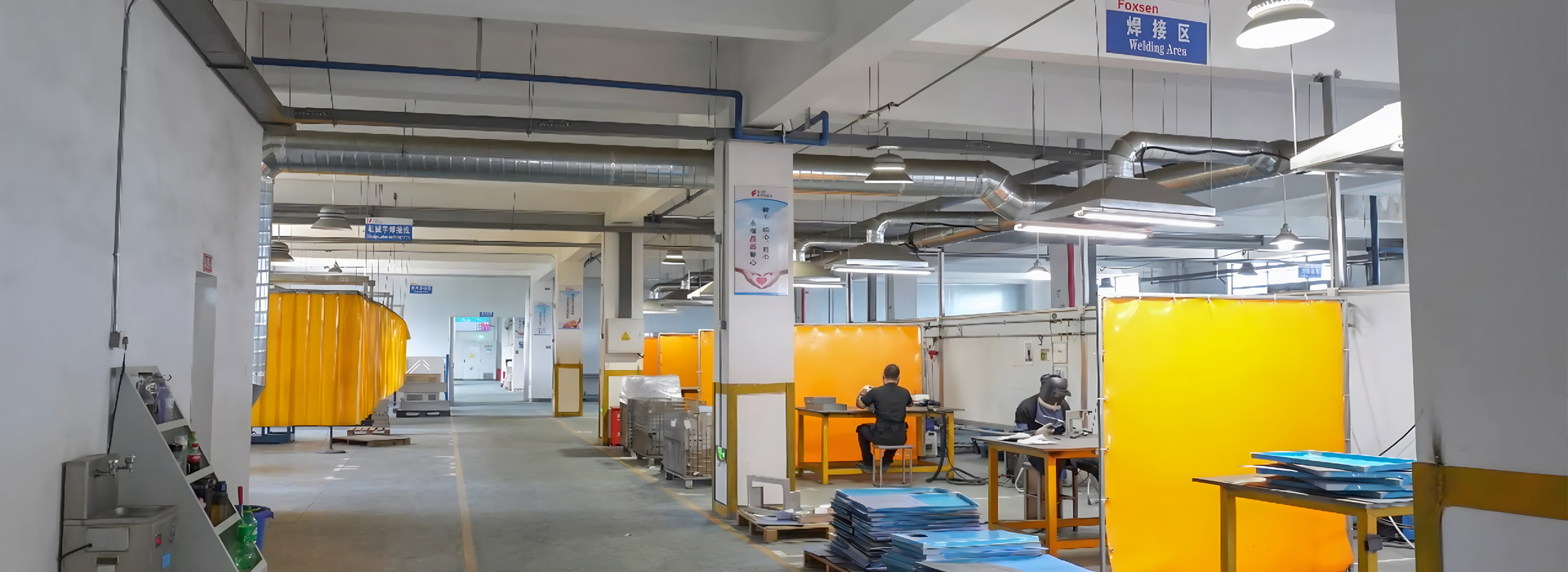
Welding: For steel enclosures, seams are welded to prevent water ingress. Robotic MIG welding ensures consistent penetration and minimal spatter. Post-weld grinding creates smooth surfaces for gaskets.
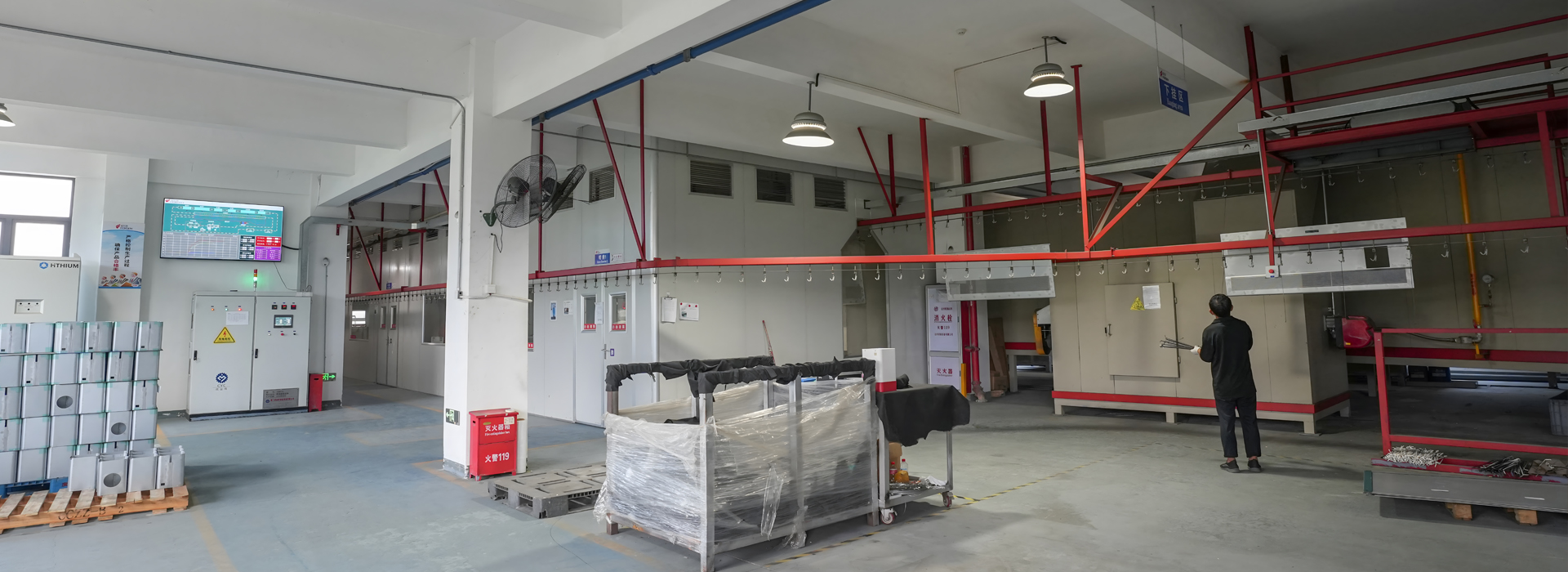
Surface Treatment: Steel enclosures receive zinc plating or hot-dip galvanizing followed by powder coating. The coating must withstand UV, salt spray, and impact. Color is often utility green, gray, or custom.
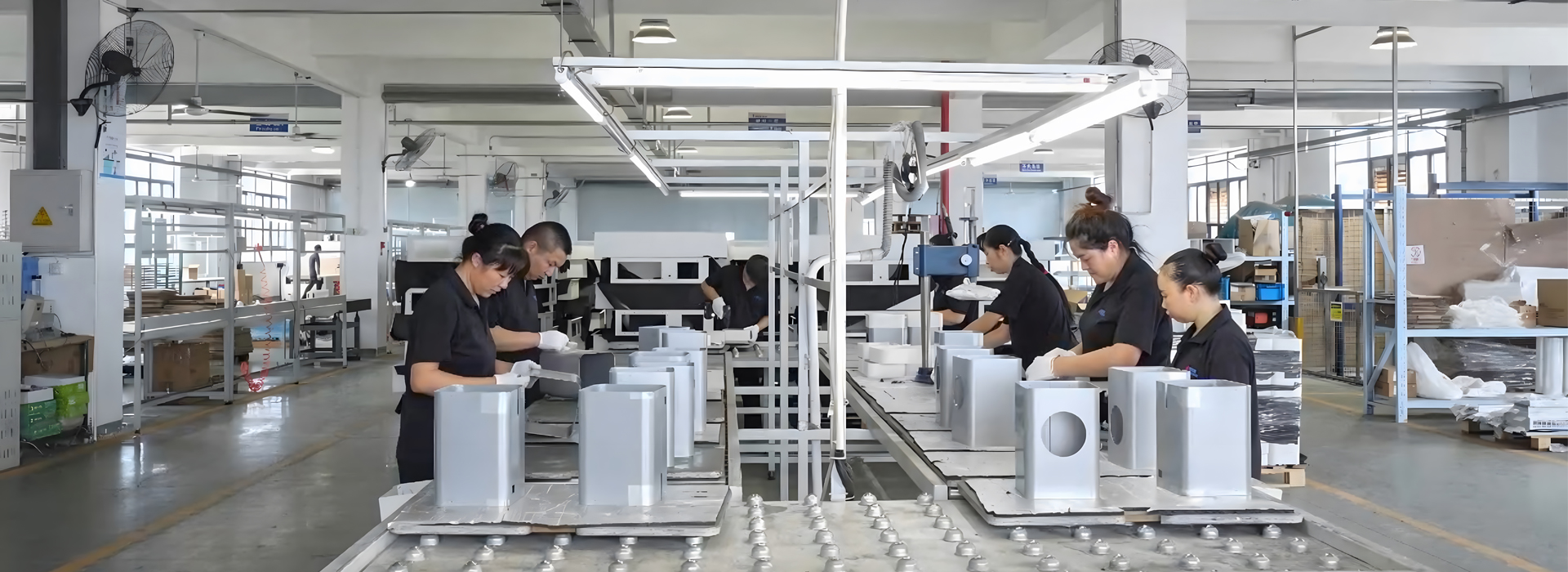
Assembly: Hinges, latches, window frames, and mounting brackets are installed. Some electrical meter box enclosure designs include pre-installed meter sockets or terminal blocks, integrating metal stamping service components for contact fingers and bus bars.
Testing: Each enclosure undergoes dimensional checks, gasket compression tests, and dielectric strength verification for insulated designs.
Types of Meter Box Enclosures
Single Meter Enclosures: For individual residential or small commercial services. Typically wall-mounted, sized for one meter socket. May include a customer-accessible compartment for main breaker.
Multi-Meter Enclosures: For apartment buildings, strip malls, or industrial facilities housing multiple tenants. These larger electrical meter box enclosure units contain individual meter compartments with separate sealing and locking. Bus bar systems distribute incoming power to each meter position, often fabricated using CNC machining parts for precision connections.
Instrument Transformer (CT) Enclosures: For high-current services where direct metering is impractical. These enclosures house current transformers and potential transformers, stepping down primary currents to safe levels for standard meters. CT enclosures require more internal space and robust bus bar systems.
Combination Meter-Main Enclosures: Integrate the meter socket with a main circuit breaker or disconnect switch. These compact designs reduce installation labor and footprint, commonly used for residential underground services.
Regulatory Compliance
Electrical meter box enclosure products must meet multiple standards:
UL 414 (North America): Meter sockets
IEC 61439-2 (International): Power switchgear and controlgear assemblies
ANSI C12 series: American National Standard for electricity metering
NEMA 250 (USA): Enclosures for electrical equipment
IP rating per IEC 60529: Ingress protection
Utility companies often have additional specifications regarding lock type, window material, grounding provisions, and conduit hub locations.
Installation Considerations
Mounting: Enclosures mount directly to walls, poles, or concrete pads. Adequate support must carry the weight of the enclosure, meter, and associated wiring. Backfeed panels require clearance behind the enclosure.
Grounding and Bonding: A electrical meter box enclosure must be properly grounded to protect against shock and lightning. A dedicated grounding lug connects to the service neutral or grounding electrode conductor.
Conduit Entry: Knockouts or hub fittings accommodate rigid or EMT conduit. Sealing bushings prevent water entry through conduit threads.
Clearance Requirements: Utility regulations specify working space in front of the meter box—typically 1 meter (3 feet) for safety during reading and maintenance. Side and top clearances allow heat dissipation and conduit bending.
Smart Meter Integration
The transition to advanced metering infrastructure (AMI) has changed electrical meter box enclosure design. Smart meters include communication modules (RF, cellular, or PLC) that require signal transparency. Plastic windows or non-metallic covers are essential for RF signals. Some enclosures now incorporate external antenna ports. Heat generation from smart meters is higher than electromechanical meters, demanding improved ventilation.
Future Trends
Composite Materials: Fiber-reinforced polymer enclosures offer corrosion resistance, RF transparency, and light weight. They are gaining acceptance for residential smart meter installations.
Integrated Disconnect Switches: Utilities increasingly require external disconnect means for safety of line workers. Combination meter sockets with integrated breakers or switch disconnectors are growing.
Plug-and-Play Designs: Pre-wired meter boxes with factory-installed internal components reduce field labor. Quick-connect terminals and modular bus bars simplify installation.
Sustainability: Recyclable materials and longer service lives reduce environmental impact. Galvanized steel and aluminum are highly recyclable at end-of-life.
Conclusion
The electrical meter box enclosure is a specialized product category that balances security, weather protection, visibility, and thermal management for utility metering. From single residential boxes to multi-tenant commercial assemblies, these enclosures ensure accurate revenue measurement and safe power delivery. Understanding material options, manufacturing processes, regulatory requirements, and smart grid trends enables specifiers to select the right electrical meter box enclosure for each application. As grid modernization continues, the electrical meter box enclosure will remain essential infrastructure, protecting the meters that measure and manage electrical energy.