



Why the Box Matters as Much as the Board
Every electronic device—from a simple thermostat to a complex industrial controller—needs protection. That protection comes from an enclosure for electronic equipment. Engineers often design the circuit board first, then look for a box to put it in. This is backwards. The enclosure for electronic equipment determines how well heat escapes, how reliably connectors seal, and how long the product survives in the field. A well-designed enclosure for electronic equipment can double the service life of the electronics inside, while a poor one can turn a $500 board into scrap within months.
The Three Non-Negotiable Functions
An enclosure for electronic equipment must do three things simultaneously, not one at a time.
Physical protection: The enclosure must resist impact, vibration, and ingress of dust and water. This is measured by IP (Ingress Protection) ratings. An IP54 enclosure for electronic equipment handles splashes and dust. An IP67 version survives temporary submersion. For factory floors, IK ratings (impact resistance) matter too—IK08 means the enclosure for electronic equipment withstands a 1.7kg hammer dropped from 300mm.
Thermal management: Electronics generate heat. A sealed enclosure for electronic equipment traps that heat. Every 10°C rise above rated temperature halves component lifespan. Passive cooling (vents, heat sinks) works for low-power devices. For high-power, an enclosure for electronic equipment may integrate fans, thermoelectric coolers, or even liquid cold plates. Some designs use the enclosure itself as a heat sink—aluminum extrusions with fins.
Electromagnetic compatibility (EMC): The enclosure for electronic equipment must shield internal circuits from external interference, and also prevent the device from radiating noise that disturbs nearby equipment. Conductive enclosures (steel, aluminum, coated plastic) act as Faraday cages. A plastic enclosure for electronic equipment needs an internal conductive coating or separate shielding cans.
Material Selection: The First Major Decision
Choosing the right material for an enclosure for electronic equipment drives cost, weight, and performance.
Aluminum: Light, strong, excellent heat dissipation. An aluminum enclosure for electronic equipment is the default choice for industrial controls, test instruments, and RF equipment. Machined or extruded, it offers design flexibility. Anodizing adds hardness and color.
Steel: Lower cost than aluminum, higher strength, better magnetic shielding. A painted steel enclosure for electronic equipment dominates building automation and power supplies. Galvanized steel sheet adds corrosion resistance for outdoor use.
Stainless steel: For corrosive environments—food processing, marine, chemical. A stainless steel enclosure Type 304 works for most. Grade 316 adds molybdenum for coastal and high-chloride conditions.
Polycarbonate (PC) and ABS: Lightweight, non-conductive, low cost. A plastic enclosure for electronic equipment is common for consumer devices and indoor sensors. UV-stabilized PC resists sunlight for outdoor use. But plastic provides no EMC shielding without conductive coatings.
Designing for Manufacturability
A custom enclosure for electronic equipment often costs less than modifying a standard box to fit a non-standard board. Modern fabrication methods make small-batch custom enclosures affordable:
CNC machining parts: For aluminum or plastic, CNC produces precise cutouts, threads, and pockets. Tolerances of ±0.05mm are routine. This allows an enclosure for electronic equipment to match the PCB exactly, with no wasted space.
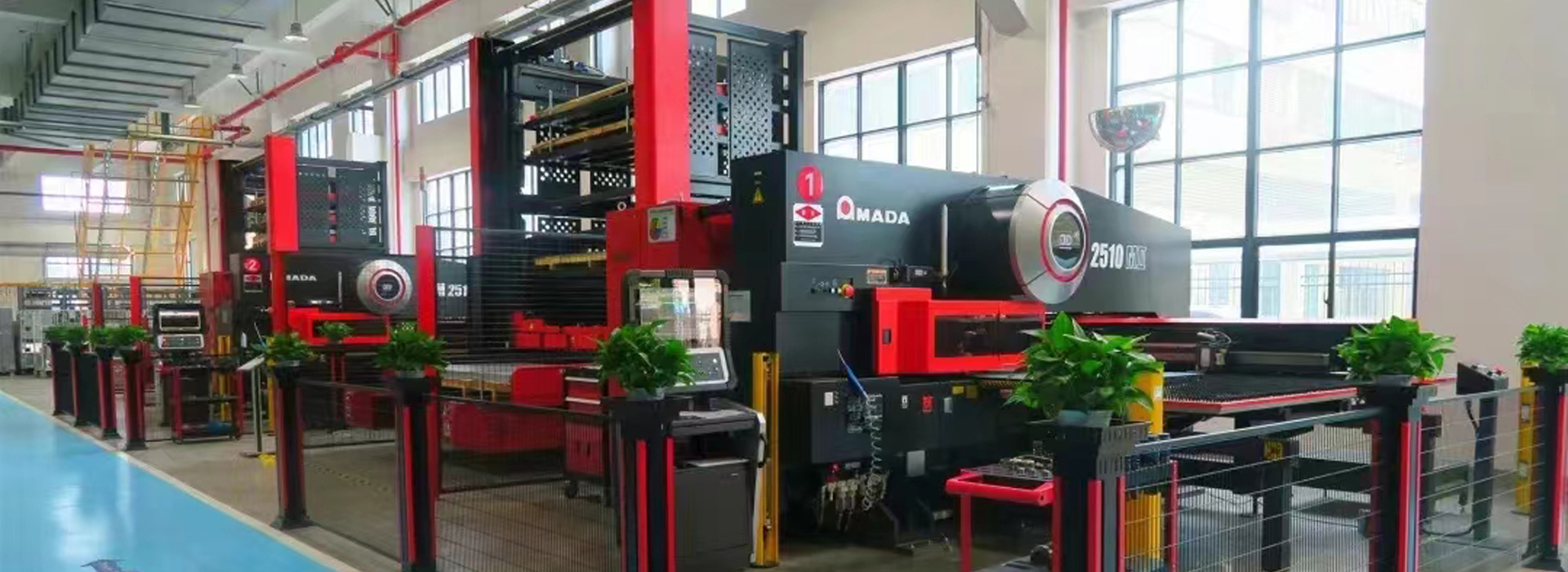
Sheet metal fabrication: For steel or aluminum, laser cutting and CNC bending create complex shapes. A metal stamping service can produce high volumes of identical parts quickly.
3D printing: For prototypes or very low volumes (1-50 units), printed enclosures eliminate tooling costs.
Combining these processes—for example, a stamped steel base with a machined aluminum front panel—gives the best of each.
Sealing and Cable Entry
The weakest points of any enclosure for electronic equipment are where wires go in and out. A poorly sealed cable entry nullifies an otherwise perfect IP rating.
Cable glands: Standard PG or metric glands with rubber seals compress around the cable. Choose IP68-rated glands for outdoor enclosure for electronic equipment.
M12 connectors: For industrial sensors and fieldbus devices, M12 circular connectors integrate directly into the enclosure wall, providing sealed, disconnectable interfaces.
PCB-mounted connectors: For internal power or signals, a connector soldered to the board and sealed with an O-ring against the enclosure wall eliminates internal wiring.
For multiple small wires (e.g., sensor cables), a junction box or terminal strip inside the enclosure for electronic equipment allows one large cable gland for the bundle, simplifying sealing.
Thermal Management Strategies
Heat kills electronics. An enclosure for electronic equipment must move heat from internal components to outside air.
Low power (<10W): Passive convection through vents (with filters to keep dust out) is sufficient. The enclosure for electronic equipment should have vents at bottom (cool air in) and top (hot air out).
Medium power (10-100W): Add an internal fan. The fan creates forced convection, but the enclosure for electronic equipment needs filtered intake to prevent dust buildup. Fan life (typically 30,000-50,000 hours) becomes a maintenance item.
High power (>100W): Consider external fins or a heat sink integrated into the enclosure for electronic equipment wall. Some designs use a heat pipe to transfer heat to a remote fin array. For very high power (inverters, RF amplifiers), liquid cooling plates are bolted to the enclosure for electronic equipment base.
EMI Shielding Techniques
Without proper shielding, an enclosure for electronic equipment can turn into a radio transmitter. Digital circuits produce harmonics that interfere with nearby devices.
Conductive enclosures: Steel and aluminum provide natural shielding. For a plastic enclosure for electronic equipment, apply conductive paint (nickel or copper) to the interior surfaces. Typical surface resistivity should be below 0.1 ohm per square.
EMI gaskets: At seams and doors, conductive elastomers or finger stock maintain electrical continuity. A gap as small as 1mm at 1GHz leaks 20dB of shielding.
Filtered connectors: For cables that must pass through the enclosure, use connectors with built-in capacitive filters to shunt high-frequency noise to ground.
Testing an enclosure for electronic equipment for EMC compliance (FCC Part 15, CE) requires a certified lab. Pre-compliance testing with a spectrum analyzer and near-field probes identifies leaks early.
Industries That Depend on Custom Enclosures
Industrial automation: PLCs, motor drives, and HMI panels need rugged enclosure for electronic equipment that withstand oil mist, vibration, and temperature swings. Die-cast aluminum is common.
Medical devices: Patient monitors and diagnostic equipment require easy-to-clean surfaces and biocompatibility. A stainless steel enclosure for electronic equipment with electropolished finish resists disinfectants.
Telecommunications: Base station controllers and fiber optic terminals often sit outdoors. A weatherproof enclosure for electronic equipment with integrated thermal management protects sensitive optics and electronics.
Consumer electronics: Smart speakers, gaming consoles, and IoT hubs demand attractive, low-cost plastic enclosure for electronic equipment with molded-in features for assembly.
Renewable energy: Solar inverters and battery management systems use sealed enclosure for electronic equipment rated IP65 for outdoor installation. These often integrate with a battery enclosure for combined energy storage.
The Cost of Getting It Wrong
Saving 1000 in warranty claims. Field failures from water ingress, overheating, or EMC issues damage brand reputation. A properly specified enclosure for electronic equipment pays for itself in reduced returns and longer product life. Engineering time spent early on enclosure design—thermal simulation, sealing tests, EMC pre-scans—prevents disasters later.
Conclusion
The enclosure for electronic equipment is not an afterthought. It is an active component that protects, cools, and shields the expensive electronics inside. From material selection and sealing to thermal management and EMC, every decision affects reliability. Whether you need a single prototype or a million production units, specifying the right enclosure for electronic equipment requires understanding the operating environment, power dissipation, and regulatory requirements. Do it right, and the enclosure disappears from the user's mind—because it never fails. Do it wrong, and it becomes the reason your product fails.