

Why the Front Panel Matters More Than You Think
When you walk into a server room, a broadcast studio, or a laboratory filled with electronic instruments, what do you see first? Rows of metal front panel units mounted neatly in racks. This seemingly simple component—a sheet of metal with cutouts, labels, and handles—determines the user’s first impression, the equipment’s usability, and even its long-term durability. Yet the metal front panel is often an afterthought in product design, specified only at the last minute. This article argues that treating the metal front panel as a primary design element pays dividends in product quality, brand perception, and customer satisfaction.
From Flat Sheet to Functional Interface
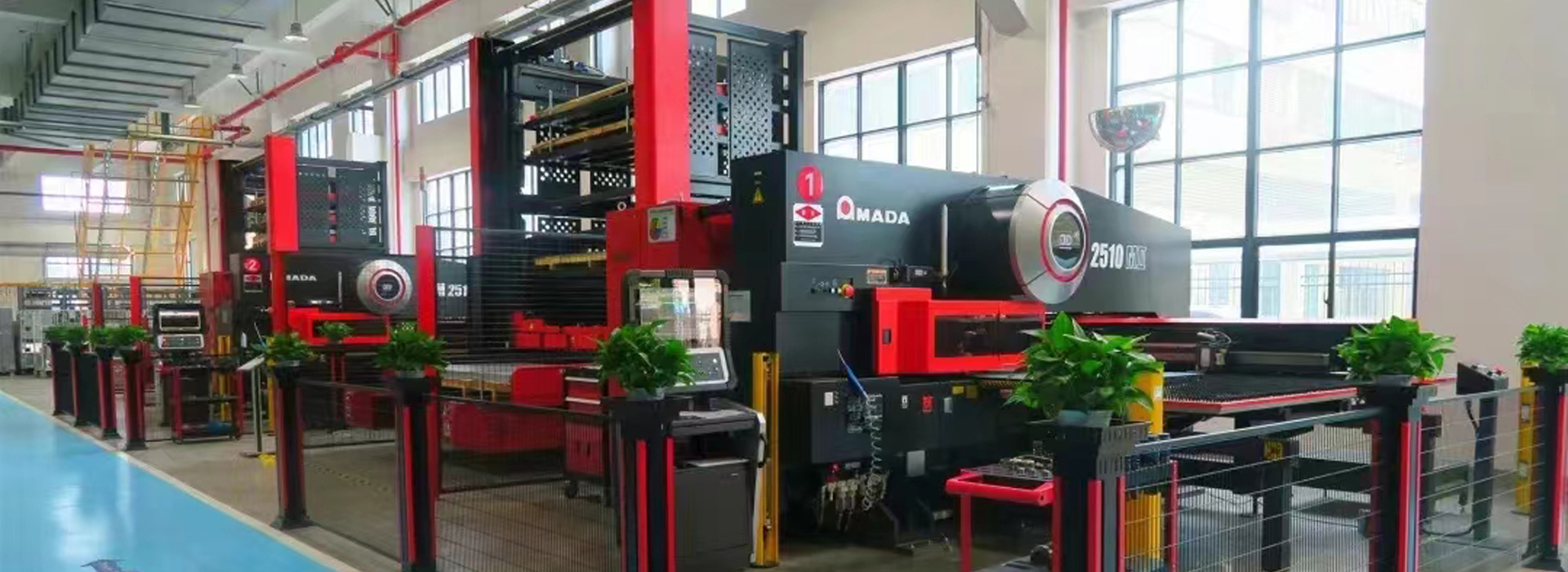
The journey of a metal front panel begins with a flat sheet of aluminum, steel, or stainless steel. Aluminum dominates for its balance of weight, strength, and machinability; steel offers higher impact resistance; and stainless steel provides corrosion resistance for medical or marine environments. The raw sheet enters a metal stamping service line or a CNC machining center, where it is cut, punched, and formed.
Precision is non-negotiable. A metal front panel must align with chassis rails, PCB-mounted connectors, and display cutouts. Tolerances typically fall within ±0.1 mm. Any deviation causes assembly headaches—USB ports that don’t align, switches that bind, or screws that cross-thread. That is why experienced engineers involve their CNC machining parts supplier early, discussing hole patterns, edge finishes, and material thickness before finalizing the design.
Five Critical Features of a Well-Designed Front Panel
A superior metal front panel goes beyond basic dimensions. Here are five features that separate professional-grade panels from generic ones:
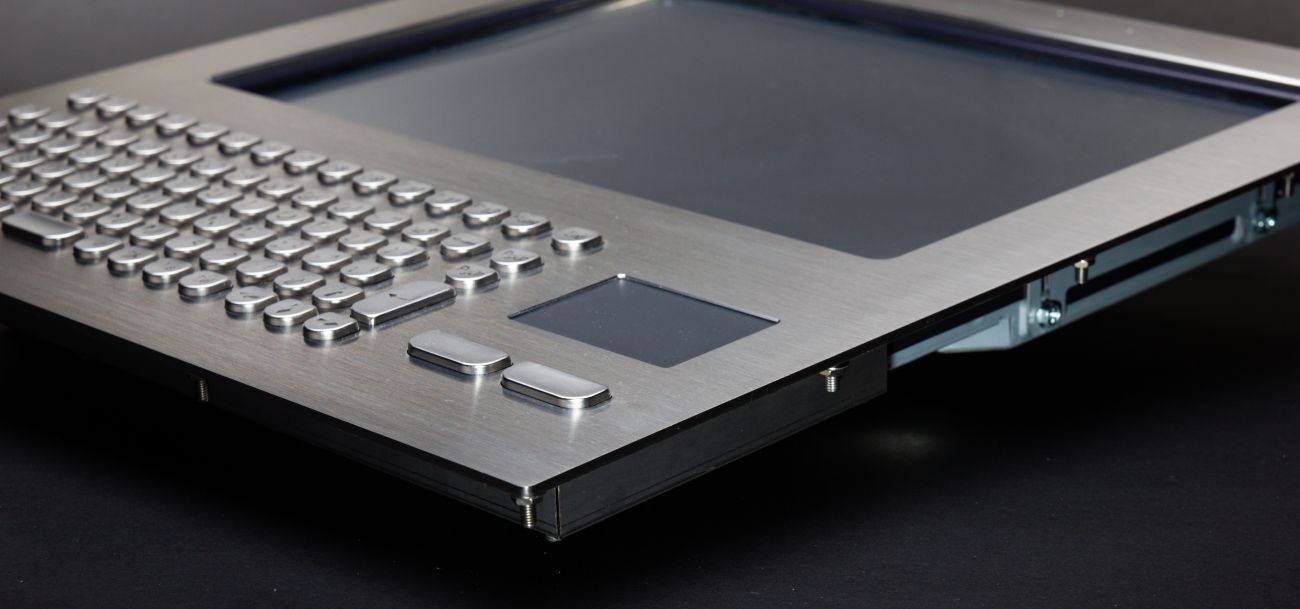
1. Tactile and Visual Branding: The metal front panel carries the product identity. Brushed or anodized finishes, laser-engraved logos, and bead-blasted textures communicate quality. Many OEMs use their metal front panel as a branding canvas, matching the finish to the rest of their product line.
2. Ergonomic Controls: Switches, knobs, and indicators must be placed where fingers naturally reach. A crowded metal front panel frustrates users; a spacious one feels intuitive. Good designers also consider glove-friendly operation and lighting conditions.
3. EMI Shielding Integrity: The front panel is part of the electromagnetic shielding enclosure. Gaskets, spring fingers, or conductive paint on the metal front panel ensure continuous electrical contact with the chassis. A poor seal here can ruin the EMC performance of an otherwise well-designed electronic enclosure.
4. Ventilation and Cooling: For equipment that generates heat, the metal front panel may include ventilation slots or perforated sections. Proper airflow prevents hotspots and extends component life. Some designs integrate fan filters behind the panel.
5. Serviceability: Handles, captive screws, and hinge mechanisms make the metal front panel easy to remove for internal access. A panel that requires special tools or excessive force wastes maintenance time and risks damage.
Material and Finish Options: A Quick Guide
Choosing the right material and finish for a metal front panel depends on the operating environment and aesthetic goals.
Aluminum (5052, 6061): Lightweight, easy to machine, excellent for anodizing. Clear anodized metal front panel retains a metallic look; colored anodizing adds durability and style.
Cold-rolled steel: Stronger and less expensive than aluminum, but requires plating or powder coating to prevent rust. Ideal for industrial controls where appearance is secondary.
Stainless steel (304, 316): Premium choice for hygienic or corrosive environments. A brushed stainless steel enclosure front panel resists fingerprints and cleans easily.
Powder coating: Available in any RAL color, textured or smooth. Powder coating hides minor surface scratches and provides chemical resistance.
Screen printing or laser marking: For legends, logos, and scales. Laser marking on a metal front panel is permanent and smudge-proof.
How Front Panel Design Impacts the Entire Enclosure
A poorly designed metal front panel creates ripple effects. If the panel is too thick, it may interfere with PCB-mounted components. If cutouts are misaligned, connectors won’t seat fully. If the finish is too reflective, users struggle to read displays. Conversely, a well-executed metal front panel simplifies assembly, reduces warranty claims, and enhances user satisfaction. That is why leading electronic enclosure manufacturers now prototype front panels early, using 3D printing or short-run fabrication to validate fit and feel before committing to production tooling.
Customization: When Standard Sizes Don’t Work
Off-the-shelf front panels rarely fit unique product requirements. Customization allows any hole pattern, any dimension, any finish. A custom metal front panel can integrate a brand’s specific switch layout, a non-standard display cutout, or a specialized mounting bracket. Small-batch fabrication—using CNC punching and laser cutting—makes custom metal front panel production economical even for quantities under 100 units. For larger runs, progressive dies from metal stamping service reduce per-unit cost while maintaining consistency.
Installation and Assembly Tips
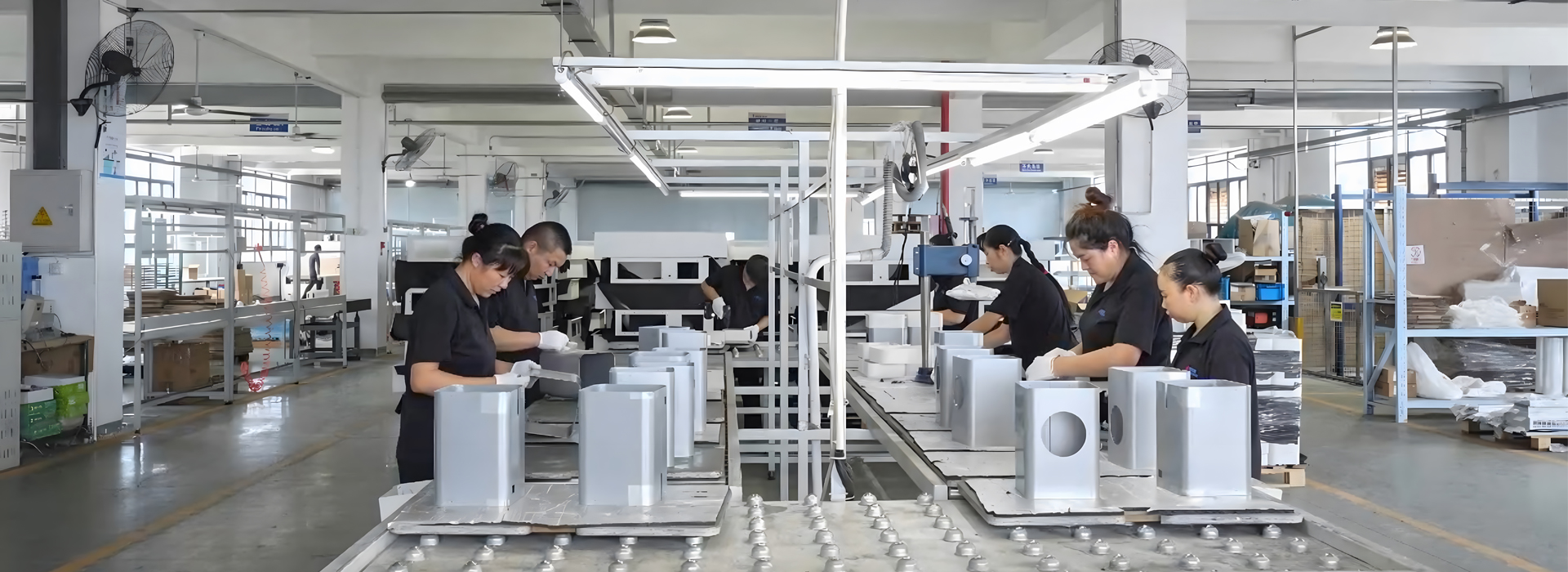
Assembling a metal front panel to a chassis requires attention to fastener torque, grounding, and alignment. Use thread-locking compound for screws that may vibrate loose. Ensure that any EMI gasket compresses evenly—uneven compression creates leakage paths. For panels with displays, apply anti-static film until final assembly to protect sensitive electronics. Always test-fit the metal front panel before finalizing production; minor adjustments at this stage prevent major rework later.
Conclusion
The metal front panel is the public face of your electronic product. It communicates quality, protects internal components, and enables user interaction. By treating front panel design as an engineering priority—not an afterthought—manufacturers can reduce assembly errors, improve brand perception, and extend product life. Whether you need a single prototype or thousands of units, investing in precision fabrication and thoughtful finishing for your metal front panel pays back in every unit shipped.