

Industry Background and Technological Evolution
With the accelerated global energy transition, outdoor battery energy storage systems are becoming critical components of distributed energy networks, communication base stations, and emergency power systems. The core challenge for such systems is how outdoor battery enclosures can ensure the safety and efficiency of energy storage units in complex and variable environments. Unlike traditional indoor battery cabinets, outdoor battery enclosures require integrated engineering solutions specifically addressing natural environmental factors.
Systematic Requirements of Design Standards
The design of modern outdoor battery enclosures must comply with multi-dimensional engineering standards. The International Electrotechnical Commission (IEC) 62933 series provides a safety framework for battery energy storage systems, while outdoor battery enclosures require additional environmental adaptability indicators. The UL 9540 standard in the United States specifically addresses overall safety certification for energy storage systems, providing clear guidance for material selection and structural design of outdoor battery enclosures.
The ingress protection rating system is central to outdoor battery enclosure design. Typically requiring IP55 or higher, this means equipment must prevent dust accumulation and withstand low-pressure water jets simultaneously. In coastal or industrial areas, salt spray corrosion testing (such as ASTM B117) requires enclosure materials to withstand hundreds of hours of salt spray exposure without structural damage.
Technological Breakthroughs in Thermal Management Systems
Temperature control systems represent the most technologically sophisticated subsystem of outdoor battery enclosures. Lithium batteries typically operate optimally between 15-30°C, while outdoor ambient temperatures can range from -30°C to over 50°C. Passive cooling solutions include phase change material (PCM) applications and optimized ventilation design, while active solutions involve precision air conditioning systems and integrated liquid cooling technologies.
Thermal runaway protection mechanisms are critical to safety design. The latest outdoor battery enclosure designs are beginning to integrate multi-level thermal runaway detection and suppression systems, including VOC gas detection, multi-point temperature monitoring, and targeted fire suppression agent release systems. These systems require deep integration with battery management systems (BMS) to achieve millisecond-level response times.
Material Science and Structural Innovation
Stainless steel enclosures demonstrate unique advantages in coastal and highly corrosive environments. The molybdenum content in 316L stainless steel provides excellent pitting corrosion resistance in chloride environments. Surface treatment technologies continue to innovate, evolving from traditional powder coatings to multi-layer composite coating systems that extend corrosion protection life from 10 to over 20 years.
In structural design, modularization has become mainstream. Modular outdoor battery enclosures allow flexible expansion of system capacity while reducing installation complexity and costs. The latest designs place each battery module in an independent sealed compartment, achieving dual protection through physical and thermal isolation.
Application Scenarios and Technical Adaptation
Communication Infrastructure Sector
5G network construction drives demand for distributed energy storage solutions. Base station outdoor battery enclosures must meet specific spatial constraints and electromagnetic compatibility requirements. Compact design has become a technical focus, while ensuring stable performance across a wide temperature range of -40°C to 55°C. These enclosures typically integrate remote monitoring interfaces, supporting centralized battery health management for operators.
Renewable Energy Integration
In solar and wind farms, outdoor battery enclosures perform critical functions in smoothing power fluctuations and enhancing grid compatibility. These applications impose higher requirements on cycle life and charge-discharge efficiency, with some projects beginning to adopt liquid cooling solutions to maintain batteries within optimal temperature ranges. System integrators increasingly prefer pre-integrated solutions that combine battery modules, thermal management systems, and power conversion units within unified outdoor battery enclosures.
Emergency Power and Microgrids
Backup power systems for critical facilities like hospitals and data centers are transitioning toward outdoor deployment. Such outdoor battery enclosures must meet higher seismic, fire, and explosion protection requirements. The latest designs incorporate gas insulation technology and double-shell structures, providing multiple protection layers in extreme conditions. Intelligent management systems can optimize charge-discharge strategies based on historical data and weather forecasts, extending system lifespan.
Standard Evolution and Testing Certification
Since 2023, multiple international standards organizations have begun updating technical specifications for outdoor energy storage equipment. The International Organization for Standardization (ISO) is developing the ISO 6469 series, adding dedicated sections on mechanical safety and environmental adaptation for outdoor battery systems. These standards emphasize that outdoor battery enclosures must withstand more rigorous mechanical shock, vibration, and extreme temperature cycling tests.
Certification systems continue to improve. Beyond traditional CE and UL certifications, specialized certifications for specific application scenarios are emerging, such as TÜV tropical certification for tropical climates and seismic safety certification for earthquake-prone areas. These certifications require manufacturers to provide more comprehensive test data and technical documentation, driving overall industry technological advancement.
Intelligentization and Digital Integration
Internet of Things (IoT) technology applications in outdoor battery enclosures continue to deepen. The latest generation products commonly integrate multiple sensors that monitor not only basic parameters like temperature and humidity but also real-time enclosure stress, connector status, and insulation performance. The introduction of edge computing capabilities enables enclosures to autonomously perform certain diagnostic and adjustment functions, reducing dependence on cloud systems.
Digital twin technology applications provide new tools for lifecycle management of outdoor battery enclosures. Manufacturers can create virtual models of enclosures, synchronizing real-time operational data from physical equipment for fault prediction and maintenance planning. This technology is particularly suitable for geographically dispersed energy storage projects, significantly reducing operational costs and failure risks.
Supply Chain and Cost Structure Analysis
Raw material costs constitute 40-60% of total outdoor battery enclosure costs, with price fluctuations in steel and aluminum directly affecting product pricing. In the first quarter of 2024, stainless steel plate prices increased by 12%, prompting manufacturers to seek alternative materials and optimize design solutions. Some companies have begun exploring composite materials to replace certain metal components, reducing weight and costs while maintaining strength.
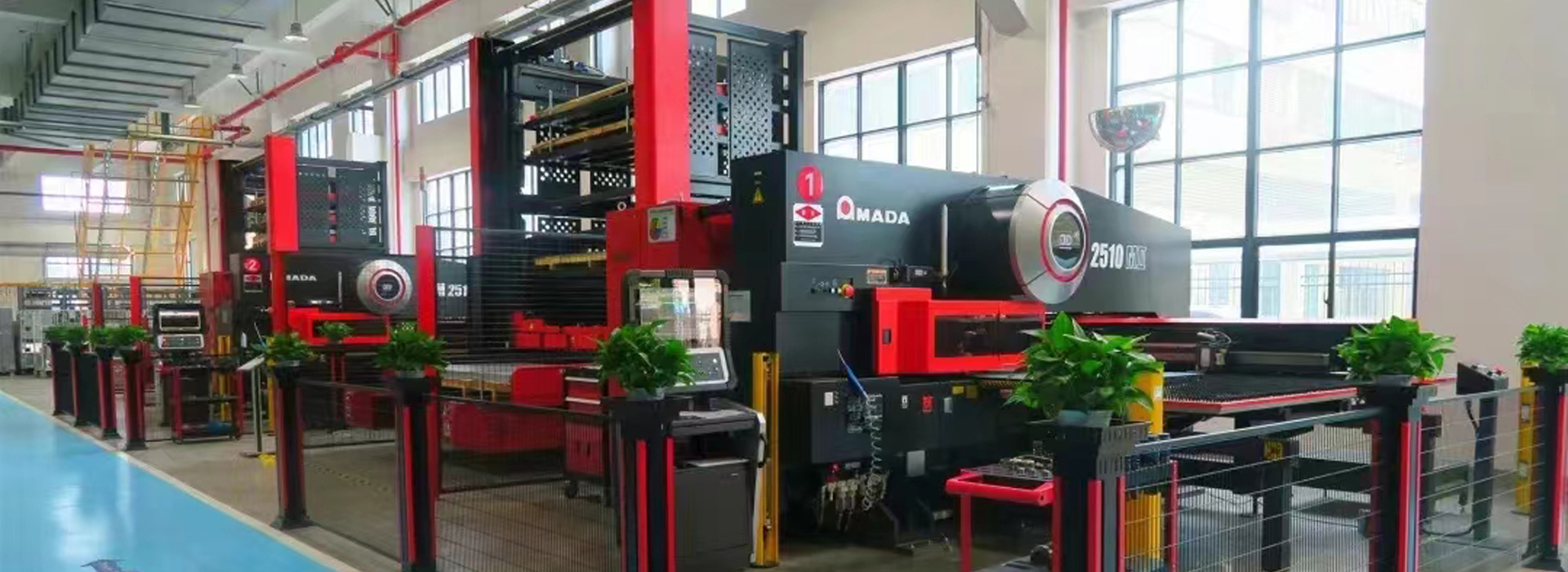
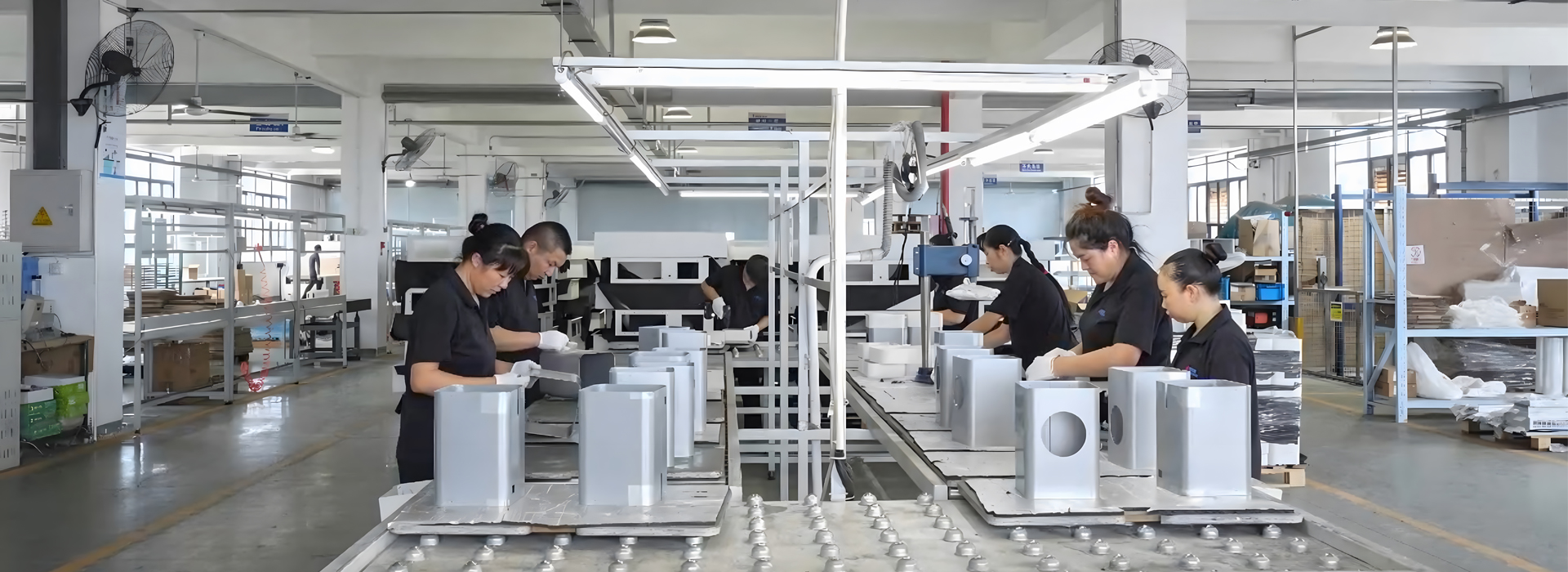
In manufacturing processes, the precision of CNC machining parts directly affects enclosure sealing performance and structural strength. With the proliferation of laser welding and robotic bending technologies, manufacturing precision and consistency have significantly improved. Modular design has also transformed production models, combining batch production of standardized components with customer customization needs, balancing economies of scale with individualized requirements.
Environmental Adaptation and Sustainable Development
Environmental impact assessments of outdoor battery enclosures are receiving increasing attention. The European Union's latest Ecodesign Directive requires manufacturers to declare product carbon footprints throughout the lifecycle and provide recyclable design solutions. Leading companies have begun adopting traceable materials and using water-based coatings and recyclable sealing materials to reduce environmental impact.
Extreme climate resilience has become a new area of technological competition. Specialized technologies continue emerging for high-temperature protection in desert regions, low-temperature startup in Arctic areas, and high-humidity environmental protection in tropical rainforests. These technological advancements not only expand the geographical application range of outdoor battery enclosures but also enhance system adaptability amid climate change.
Market Trends and Future Outlook
Rapid growth in distributed energy storage markets continues to drive technological innovation in outdoor battery enclosures. According to industry analysts, the global outdoor battery energy storage market is projected to grow at an annual rate of 18% from 2024 to 2028, with the Asia-Pacific region becoming the largest market. This growth stems not only from traditional energy sectors but also emerging innovative applications like electric vessel charging and mobile charging stations.
Technological innovation is progressing toward higher integration and intelligence. Next-generation outdoor battery enclosures will increasingly emphasize seamless integration with renewable energy generation equipment, charging infrastructure, and grid dispatch systems. Artificial intelligence algorithm applications will enable enclosures to develop self-optimization capabilities, automatically adjusting operational parameters based on usage patterns and climatic conditions.
Continuous improvement of safety standards will remain a key driver of industry development. As battery energy density increases and system scale expands, the importance of safety design becomes more prominent. Future outdoor battery enclosures may integrate more active safety technologies, such as early fault warning systems and automatic isolation mechanisms, transitioning safety protection from passive response to active prevention.