

Stainless Steel Enclosure: When Corrosion Resistance Is Non-Negotiable
Some environments kill standard steel in months. Salt spray on offshore platforms. Chlorine in pool equipment rooms. Daily chemical washdown in food plants. For these applications, a stainless steel enclosure isn't a premium option — it's the only option that lasts.
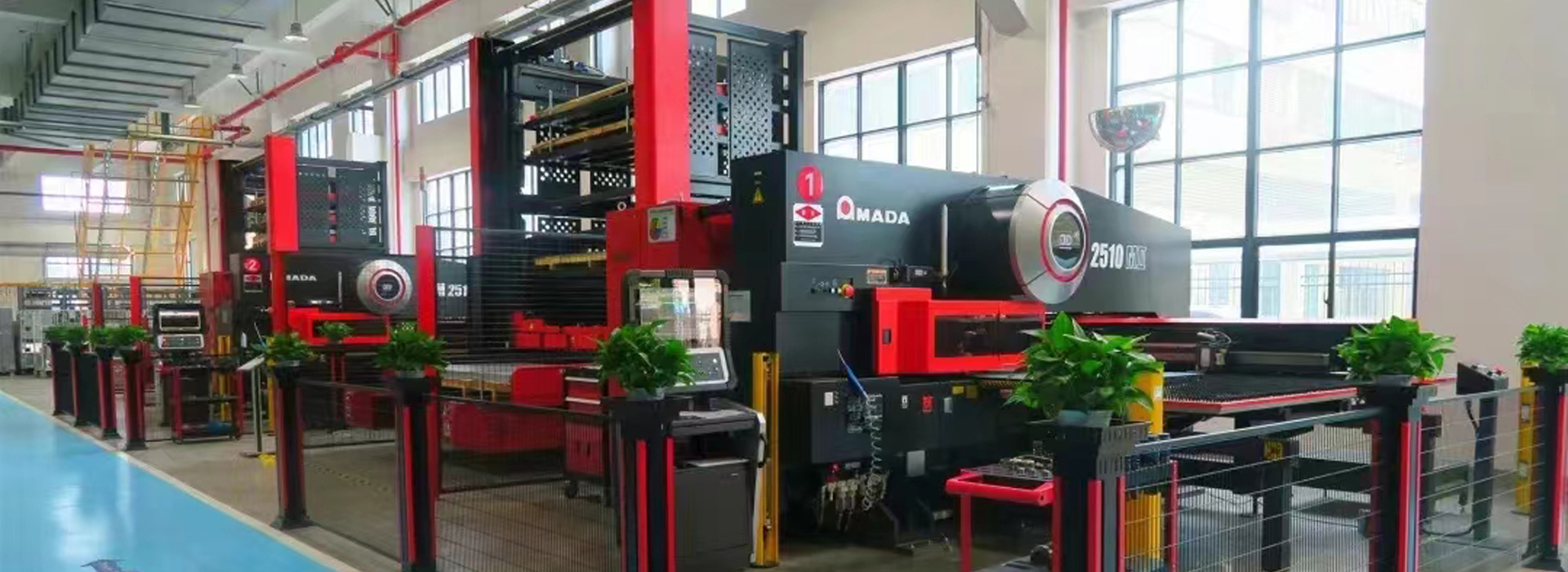
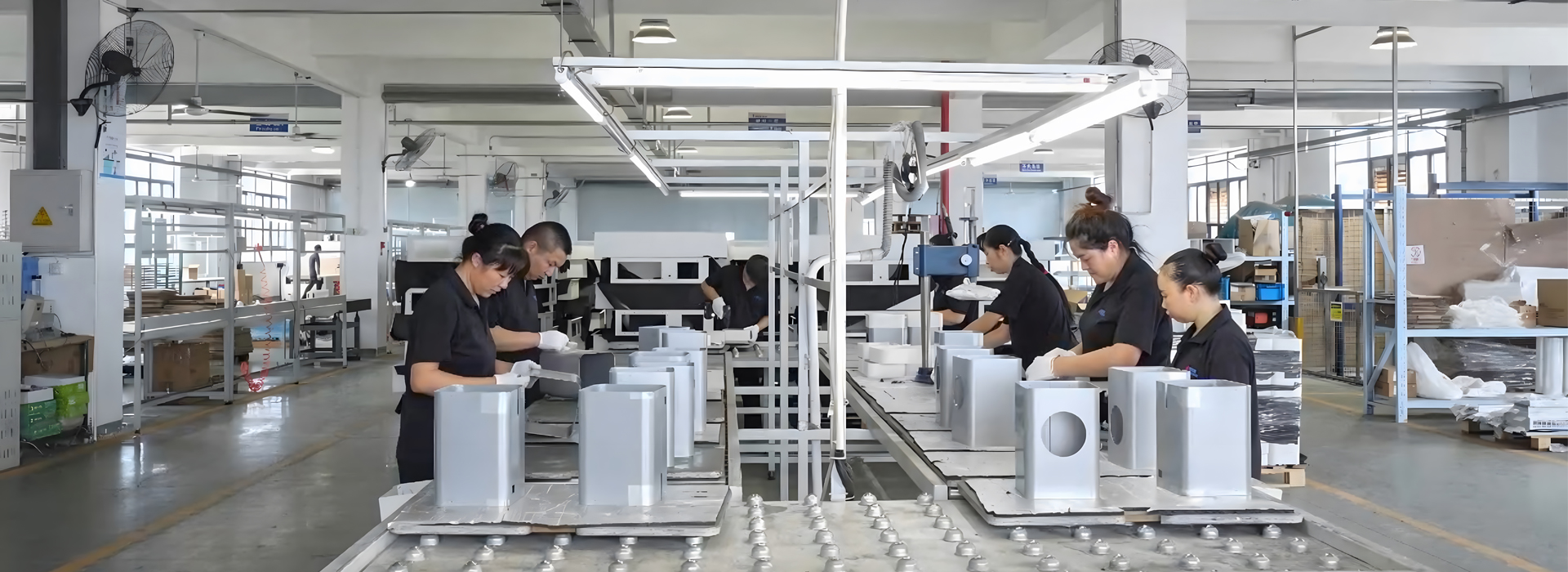
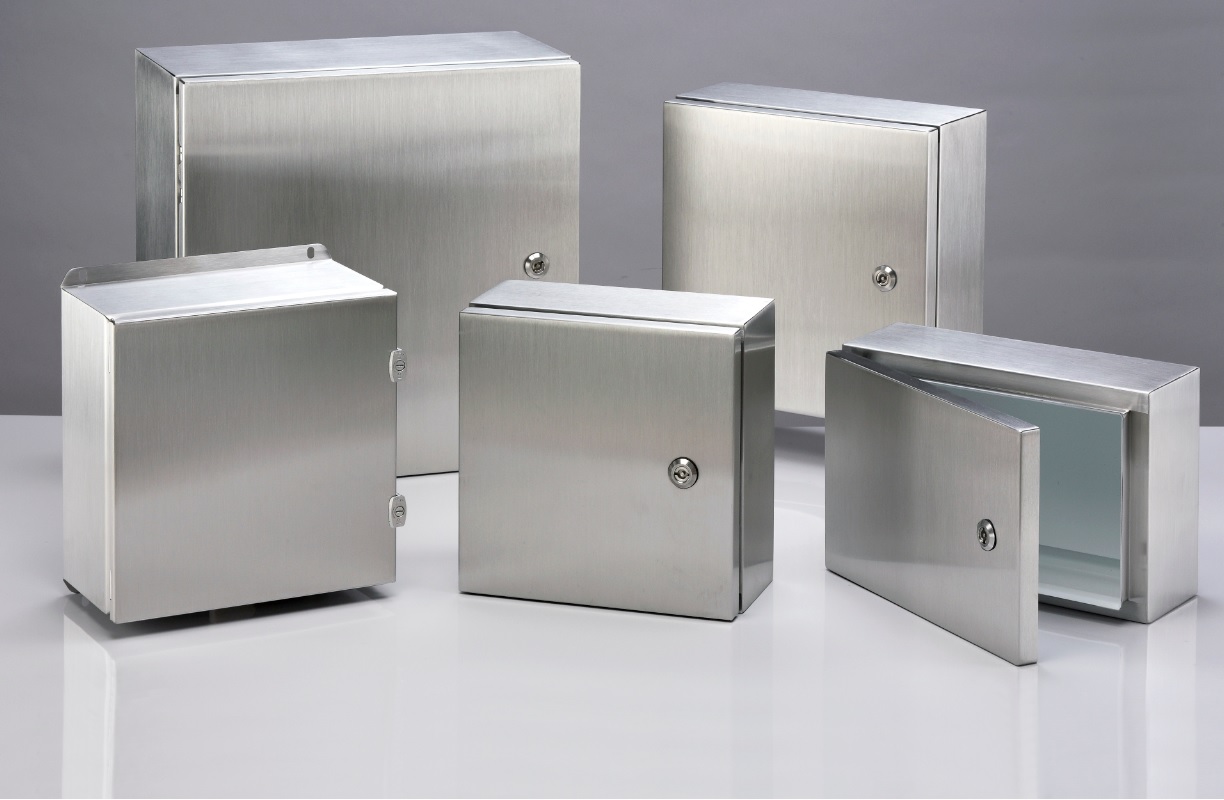
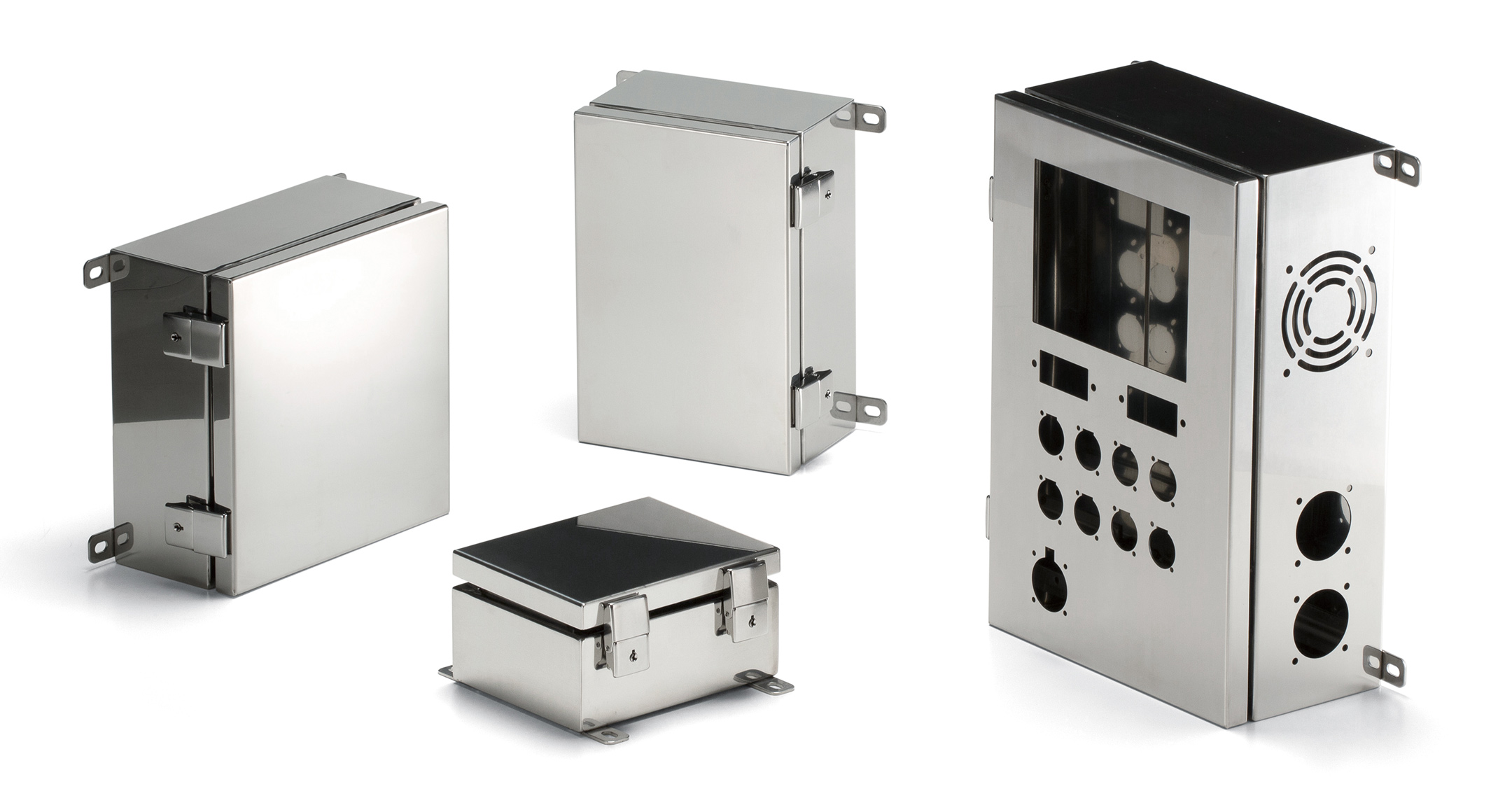
At FOXSEN, we've fabricated custom stainless steel enclosures since 2017. Marine telecom cabinets. Pharmaceutical cleanroom panels. Food processing control boxes. Coastal energy storage system housings. The common thread: 304 or 316 grade, welded seams, and surface finishes that meet both functional and regulatory requirements.
This article covers what we've learned about specifying, fabricating, and validating stainless steel enclosures that survive where others fail.
304 vs 316: The Decision That Determines Lifespan
Not all stainless steels handle all environments. The grade choice for your stainless steel enclosure is the single most important specification.
304 Stainless Steel
18% chromium, 8% nickel. The workhorse grade. Resists ordinary atmospheric corrosion, fresh water, and most food acids. We use 304 stainless steel enclosures for:
1. Indoor food processing equipment
2. General industrial control panels
3. Medical device housings in non-sterile areas
4. Clean room applications without aggressive chemicals
Limitation: 304 contains no molybdenum. In chloride environments — seawater, de-icing salts, swimming pool atmospheres — it pits. We've seen 304 stainless steel electrical enclosures fail in coastal installations within two years. The surface looks fine until you spot the pinholes.
316 Stainless Steel
Adds 2-3% molybdenum. This single element changes everything in chloride resistance. 316 stainless steel enclosures survive:
1. Marine and offshore environments
2. Coastal energy storage system installations
3. Chemical processing plants
4. Pharmaceutical sterilization areas
5. Outdoor telecom infrastructure within 5km of seawater
Cost premium: roughly 25-40% over 304. But replacement cost of a failed enclosure — downtime, labor, damaged electronics — typically exceeds material savings within three years.
316L
Low-carbon variant of 316. Required when post-weld annealing isn't practical. The reduced carbon content prevents sensitization — chromium carbide precipitation at grain boundaries that destroys corrosion resistance near welds. We specify 316L stainless steel enclosures for welded assemblies that won't receive full heat treatment.
Surface Finish: More Than Appearance
The finish on a stainless steel enclosure determines cleanability, corrosion resistance, and whether it meets industry standards.
No. 2B (Mill Finish)
Smooth, reflective, cold-rolled finish. Cost-effective. We use it for industrial stainless steel enclosures where appearance is secondary. Reflectivity can be an issue in outdoor applications — glare from polished surfaces.
No. 4 (Brushed Finish)
Unidirectional satin appearance. Hides scratches, fingerprints, and minor handling damage. Standard for food processing and architectural applications. We specify No. 4 brushed stainless steel enclosures for equipment that operators clean daily — the brush pattern doesn't show wipe marks.
No. 8 (Mirror Finish)
Highly reflective, polished surface. Required for some pharmaceutical and semiconductor applications where particle shedding must be minimized. Expensive to maintain during fabrication — every scratch requires re-polishing.
Electropolished
Removes surface iron contamination and smooths micro-roughness. Creates a passive chromium oxide layer thicker than mechanical polishing alone. We recommend electropolishing for medical equipment stainless steel enclosures and high-purity pharmaceutical applications. Reduces bacterial adhesion and improves cleanability validation.
Passivation
Chemical treatment — typically nitric or citric acid — that removes free iron from the surface and enhances the natural oxide layer. Less expensive than electropolishing. Standard for welded stainless steel enclosures where heat tint from welding has compromised surface chemistry.
Fabrication Challenges Specific to Stainless Steel
Stainless steel doesn't behave like carbon steel. Treat it the same, and you get distortion, cracking, or corrosion failure at the welds.
Welding
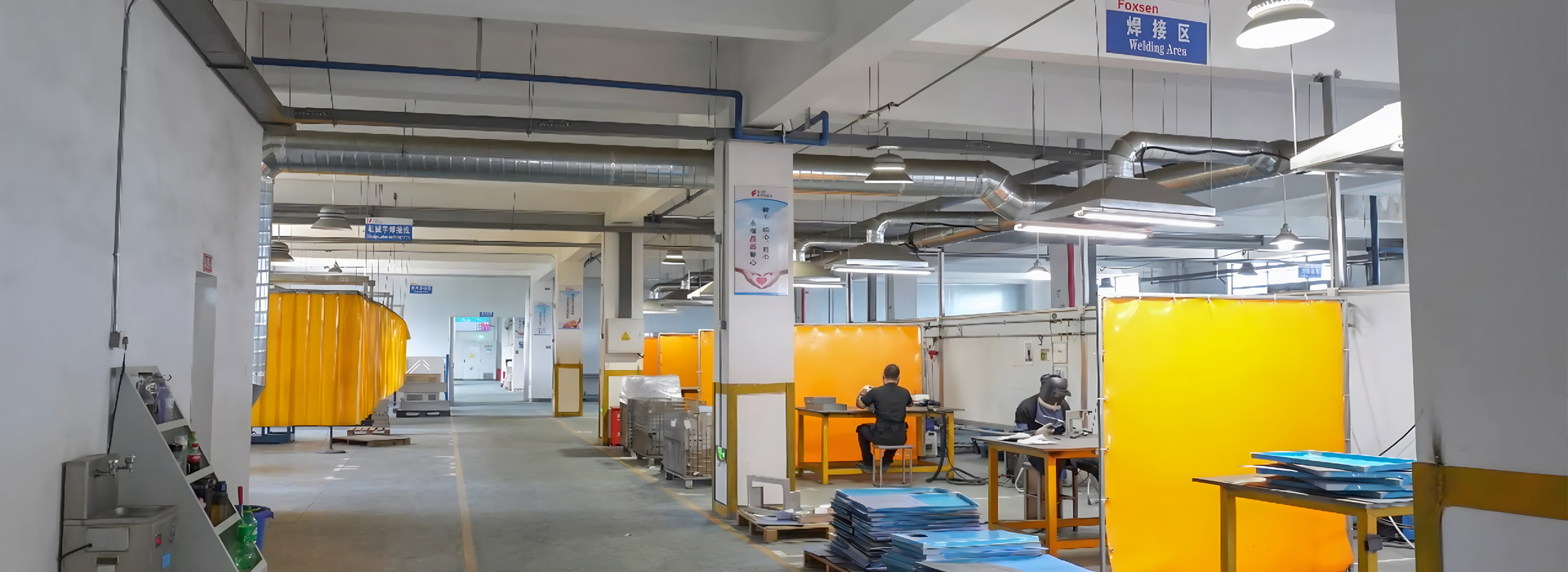
Stainless steel conducts heat roughly 40% slower than carbon steel. Heat concentrates at the weld zone, causing warping and grain growth. We use:
1. TIG welding with argon backing gas for critical seams
2. Pulsed MIG for faster production on non-critical joints
3. Controlled heat input — low amperage, travel speed adjusted to prevent distortion
4. Post-weld cleaning — mechanical removal of heat tint, followed by passivation
Our Hyundai and Yaskawa welding robots maintain consistent parameters. But stainless still requires more attention than steel. A stainless steel enclosure with poorly cleaned welds will fail at the heat-affected zone — not the base metal.
Bending
Stainless work-hardens faster than mild steel. Bend it too tight, and it cracks. Springback is greater — typically 2-3 degrees more than carbon steel. Our operators compensate with adjusted bend angles and larger bend radii. For 316 stainless steel enclosures, minimum inside bend radius is 2× material thickness. For 304, 1.5× works.
Machining
Austenitic stainless steels (304, 316) are gummy. They don't chip cleanly like carbon steel. We use carbide tooling, slower speeds, and heavier feeds to prevent work hardening at the cut surface. Stainless steel CNC parts for enclosure interiors — mounting brackets, cable glands, hinge reinforcements — require these parameters.
Surface Protection During Fabrication
Iron contamination from carbon steel tooling or handling embeds free iron particles in stainless surfaces. These particles rust, creating cosmetic streaks and initiating pitting. We segregate stainless fabrication from carbon steel work. Tools, tables, and gloves are stainless-dedicated. Sounds excessive until you've explained rust spots on a $3,000 pharmaceutical cabinet.
Applications Where Stainless Steel Enclosure Is Essential
Marine and Offshore
Salt spray destroys coated steel in months. 316 stainless steel enclosures for navigation equipment, communication systems, and energy storage system controls on offshore platforms. We design with drainage channels, sealed cable glands, and breather valves that block salt while equalizing pressure.
Food and Beverage Processing
FDA and USDA requirements mandate smooth, cleanable surfaces. 304 stainless steel enclosures with No. 4 finish are standard. We avoid horizontal ledges where debris collects. Radius corners, sloped tops, and sealed seams prevent bacterial harborage.
Pharmaceutical Manufacturing
GMP environments require validation of surface finish and material traceability. We provide mill certificates, surface roughness measurements (Ra values), and passivation certificates. 316L stainless steel enclosures with electropolishing for sterile processing areas.
Chemical Processing
Chlorine, caustic soda, and acidic vapors attack standard enclosures. 316 stainless steel enclosures with proper gasket selection survive where 304 fails within months. We coordinate with clients on chemical compatibility — not all 316 applications are equal.
Coastal Energy Storage
Containerized battery energy storage systems within 10km of seawater need 316 stainless steel enclosures for inverter controls, battery management systems, and switchgear. We've seen 304 fail at weld seams in these environments while adjacent 316 components remain intact.
IP and NEMA Ratings for Harsh Environments
A stainless steel enclosure in a corrosive environment needs more than the right material. The sealing system must match.
IP66 + 316 Stainless
Standard for offshore and heavy industrial exposure. Dust-tight, protected against powerful water jets. We specify silicone gaskets with stainless steel retaining clips — rubber degrades in UV and ozone.
NEMA 4X
US standard combining IP66-equivalent sealing with corrosion resistance. 316 stainless steel NEMA 4X enclosures are specified for food, pharmaceutical, and marine applications in North American markets. The 4X rating requires specific construction details — continuous hinge pins, seamless gasket channels, no external fasteners that penetrate the seal.
FAQ: Working With FOXSEN on Stainless Steel Enclosure Projects
Q: Do you stock 304 and 316 material, or do you order per project?
We keep 1.5mm, 2.0mm, and 3.0mm 304 in stock for quick-turn prototypes. 316 and 316L we order per project — lead time from mills is typically 5-7 days for standard thicknesses, 2-3 weeks for non-standard. If your timeline is tight, tell us upfront and we'll check stock availability before quoting.
Q: What's the difference between your standard welding and "corrosion-resistant" welding?
Standard TIG on stainless looks fine but leaves heat tint — a rainbow-colored oxide layer that destroys corrosion resistance at the weld. For marine or pharmaceutical stainless steel enclosures, we grind off heat tint mechanically, then passivate the entire surface. This adds cost (roughly 15-20%) but prevents weld-line failure. We quote both options so you can decide.
Q: Do you actually test IP ratings, or just build to the standard?
We build to IP66 and NEMA 4X construction standards — sealed seams, correct gasket compression, proper drainage. We don't perform formal IP certification testing in-house. If you need certified IP66 for a regulated market, we can recommend third-party labs in Xiamen or Shanghai. We've worked with three; turnaround is typically 2 weeks.
Q: How do I send you a drawing?
Email Anne@xmfoxsen.com or WhatsApp +86 132 9592 1800. STEP, IGES, DWG, DXF, PDF all work. A photo with hand-marked dimensions also works — we've quoted from phone pictures of whiteboard sketches. Include: environment (indoor/outdoor, chemical exposure), IP/NEMA requirement if known, approximate quantity, and any regulatory standard (FDA, marine class, etc.).