


Stainless Steel Junction Box: The Reliable Hub for Harsh Environment Wiring

When Standard Boxes Fail
Walk through any chemical plant, food processing line, or coastal solar farm. You will see electrical junction boxes everywhere. But look closer—many are rusted, their covers warped, gaskets cracked. Standard painted steel or plastic boxes simply cannot survive aggressive environments. That is where the stainless steel junction box takes over. It is not a cosmetic upgrade. It is a functional necessity when humidity, salt, or corrosive chemicals are present.
What Makes Stainless Steel Different
The stainless steel junction box earns its performance from the alloy itself. Type 304 contains 18% chromium, which forms a passive oxide layer. That layer self-repairs when scratched. Type 316 adds 2-3% molybdenum, dramatically improving resistance to chlorides. A stainless steel junction box rated for marine use is almost always 316.
In contrast, painted carbon steel relies on a coating. One scratch exposes bare metal. Rust begins. Within months, the stainless steel junction box would still look new; the painted box would show orange streaks.
IP Ratings: Matching Protection to Environment
A stainless steel junction box is available in multiple ingress protection levels:
IP54: Dust-protected and splash-resistant. Suitable for indoor washdown areas but not direct hose spray.
IP65: Dust-tight and low-pressure water jets. This is the minimum for outdoor stainless steel junction box use in most industrial settings.
IP66: Dust-tight and powerful water jets. For food and beverage facilities where daily high-pressure cleaning occurs.
IP67: Dust-tight and temporary immersion. For equipment that may sit in puddles or see periodic flooding.
IP68: Continuous submersion. For underground or marine applications.
Choosing the wrong rating for a stainless steel junction box leads to water ingress and short circuits. Always specify IP66 or higher for outdoor use unless the box is under a shelter.
Sealing: The Gasket Matters
Even a stainless steel junction box fails if the gasket is poor. Look for:
Closed-cell silicone or EPDM: These materials do not absorb water. They maintain compression for years.
One-piece molded gasket: Seamless designs eliminate leak paths.
Gland plates: Removable plates with pre-cut holes for cable glands. Each gland must be IP-rated to match the stainless steel junction box.
Cheap boxes use foam rubber gaskets. Those degrade in sunlight and chlorinated water. A quality stainless steel junction box will have a UV-stabilized silicone gasket rated for -40°C to +120°C.
Welded vs. Formed Construction
Stainless steel junction box enclosures come in two construction types.
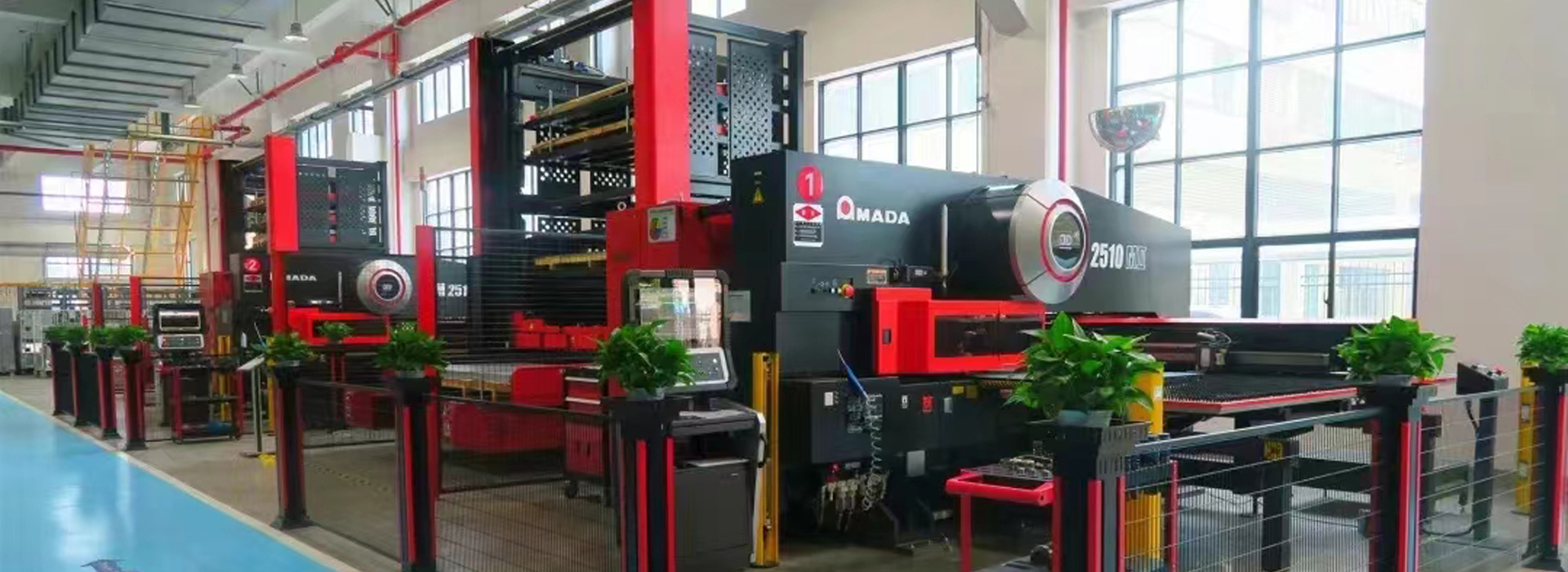
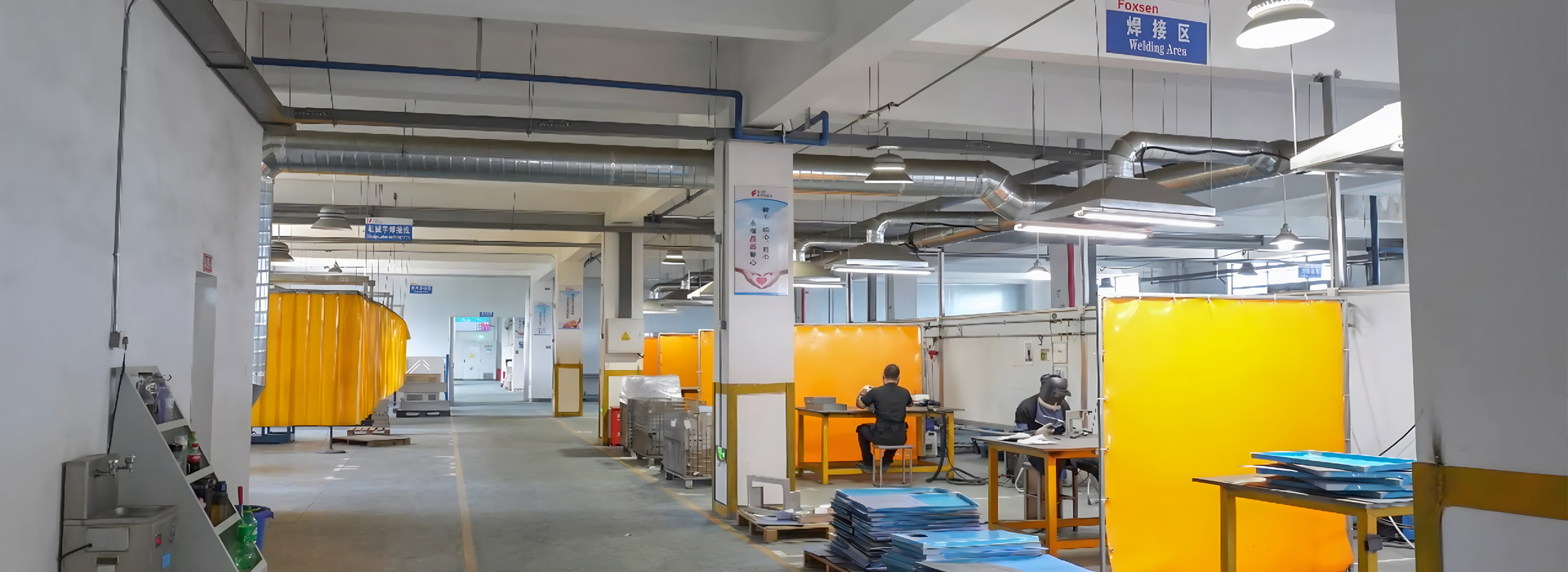
Formed (fabricated): Flat sheets are cut, bent, and welded at the seams. This allows custom sizes. The welds must be ground and passivated to restore corrosion resistance. A well-made fabricated stainless steel junction box is extremely strong.
Drawn (deep-drawn): The box is formed from a single piece of metal without corner welds. This eliminates leak paths and creates a seamless interior. Deep-drawn stainless steel junction box units are common for small sizes (80x80mm up to 200x200mm).
For large enclosures, fabricated construction is the only option. Ensure the supplier provides a passivation certificate.
Applications You Will Recognize
Food and beverage production: Daily washdowns with chlorine-based sanitizers. A painted steel box rusts within six months. A stainless steel junction box lasts ten years. Meat processing plants demand IP69K (high-pressure, high-temperature washdown) and 316 stainless.
Chemical and pharmaceutical plants: Acid vapors and solvent residues. Plastic boxes may crack; painted steel corrodes. A 316L stainless steel junction box with electropolished surface resists attack and is easy to clean.
Marine and offshore: Salt spray is relentless. Even 304 stainless will show pitting after a few years. Specifying a 316 stainless steel junction box with IP66 is standard for shipboard electrical systems.
Solar farms: Combiner boxes and junction boxes sit in direct sun, rain, and dust. A stainless steel junction box (304, IP65) handles thermal cycling and UV exposure without degrading.
Wastewater treatment: Hydrogen sulfide gas corrodes copper and aluminum. A stainless steel junction box protects control wiring and sensors.
Installation Best Practices
Installing a stainless steel junction box requires attention to detail:
Use stainless steel hardware: Zinc-plated screws will rust and stain the box. Use 304 or 316 screws, washers, and nuts.
Avoid galvanic couples: Do not mount a stainless steel junction box directly on aluminum or carbon steel structures without isolating washers. Moisture creates a battery.
Seal unused entries: Blanking plugs must be IP-rated. Do not leave knockout holes open.
Ground properly: Use a dedicated ground lug. The stainless steel junction box must be bonded to the system ground.
For high-vibration areas (pumps, compressors), use thread-locking compound on screws. A loose cover on a stainless steel junction box defeats its seal.
Cost vs. Value
A stainless steel junction box costs two to three times more than a painted steel box. But consider the total cost of ownership. A painted box in a corrosive environment may need replacement every 2-3 years. Each replacement requires labor, downtime, and rewiring. A stainless steel junction box lasts 15-20 years with zero maintenance. Over a decade, the cheaper box becomes far more expensive.
Standards and Certifications
Look for a stainless steel junction box that meets:
IEC 60529: IP rating certification.
UL 50 / UL 50E: Enclosures for electrical equipment (North America).
NEMA 250: Type 4X rating for corrosion resistance.
RoHS and REACH: Compliance for global markets.
Suppliers should provide mill certificates for the stainless steel alloy. Verify the material grade before purchasing.
Common Mistakes to Avoid
Overtightening cover screws: Warps the box and damages the gasket. Use a torque driver.
Mixing metals: Stainless steel cover with aluminum body. Galvanic corrosion occurs.
Ignoring temperature range: A stainless steel junction box with a silicone gasket handles -40°C to +120°C. Polycarbonate boxes may become brittle in extreme cold.
Using the wrong cable gland: Plastic glands on a stainless steel junction box look mismatched and may fail under UV. Use nickel-plated brass or stainless steel glands.
The Bottom Line
The stainless steel junction box is not overkill for demanding environments. It is the minimum specification for food processing, marine, chemical, and wastewater applications. The upfront premium pays back in avoided downtime, replacement labor, and extended equipment life. When you need a junction box that will outlast the equipment it serves, choose stainless steel.