

In modern electrical power systems, whether in large industrial plants, commercial buildings, infrastructure, or renewable energy power stations, safe and reliable electricity distribution and control form the cornerstone of normal operations. The physical vessel carrying this core function is precisely the Switchgear Enclosure. It is far more than a simple metal cabinet; it is a complex engineering system integrating safety, protection, thermal management, and intelligent interfaces. This article delves into the core functions, design standards, key technical components, and the evolving trends of Switchgear Enclosure in the context of smart grids and energy transition.
I. Core Definition & Function: A Safety Fortress Beyond a "Box"
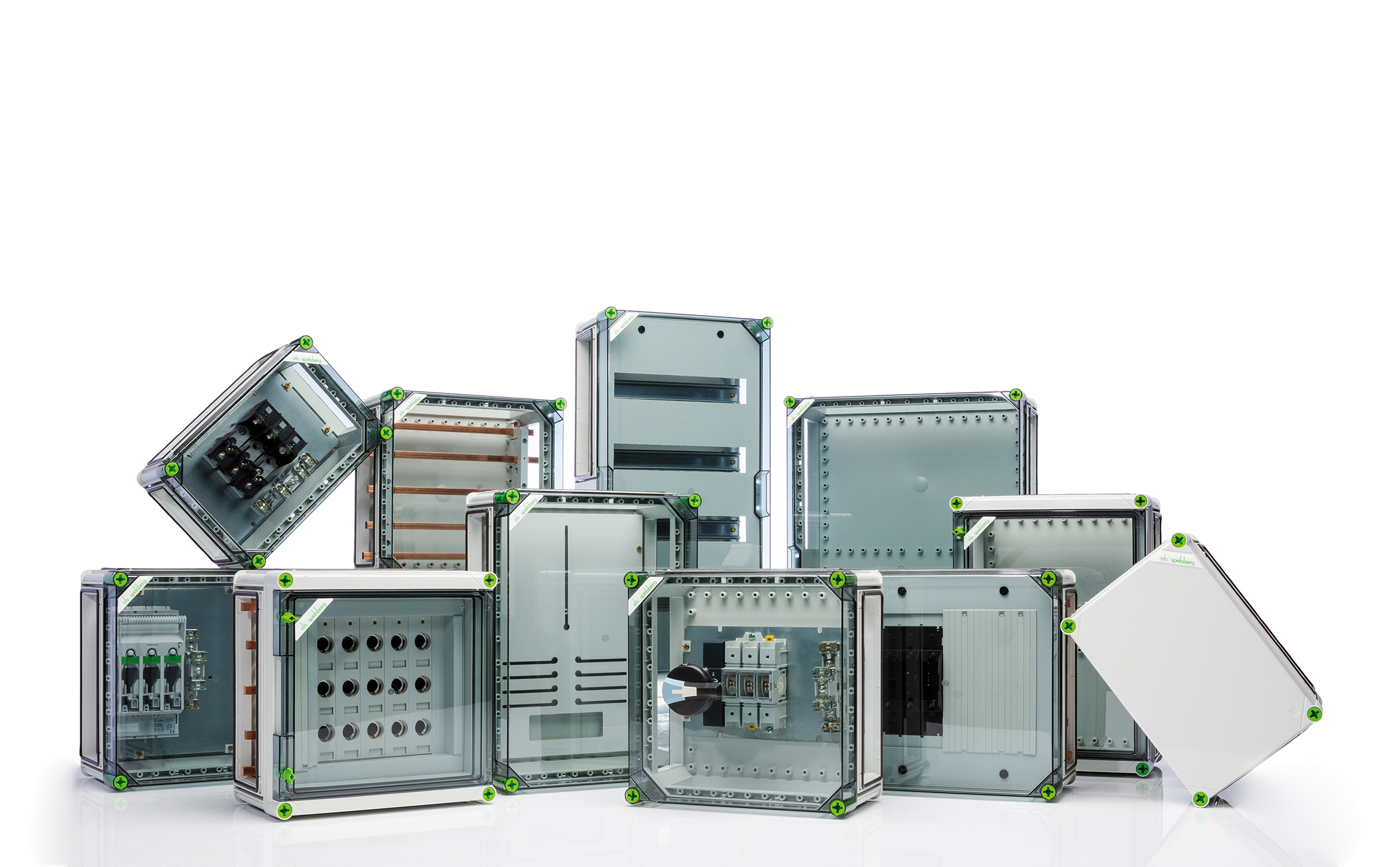
A Switchgear Enclosure is a housing specifically designed to contain and protect medium and low-voltage switchgear, such as circuit breakers, disconnectors, contactors, protection relays, metering instruments, and associated control, measurement, and protection equipment. Its primary functions are multidimensional and critical:
Personnel Safety Protection (Shock Prevention): This is the most basic and vital function. The Switchgear Enclosure forms a physical barrier through robust metal construction (e.g., quality steel plate or aluminum alloy) and reliable locking mechanisms, preventing accidental contact with live parts by operators and unauthorized personnel, complying with stringent international safety standards (e.g., the IEC 61439 series).
Equipment Protection & Environmental Isolation: The Switchgear Enclosure provides internal precision electrical components with the ability to resist harsh external environments. This includes preventing the ingress of solid foreign objects (e.g., dust, tools) and moisture, defined by its Ingress Protection (IP) code rating (e.g., IP54, IP65). In corrosive environments (e.g., coastal areas, chemical plants), using a Stainless Steel Enclosure is a common choice. It also protects equipment from mechanical impact, vibration, and animal intrusion.
Arc Fault Safety Protection: In the event of an internal short-circuit causing an arc flash, the high-strength structure of the Switchgear Enclosure must withstand and safely vent the high-temperature, high-pressure gases generated, preventing catastrophic rupture and protecting nearby personnel and equipment. This involves specialized arc fault withstand testing.
Thermal Management & Heat Dissipation: Switchgear generates heat during operation. A well-designed Switchgear Enclosure must ensure effective heat dissipation to prevent insulation degradation, performance loss, or malfunctions due to overheating. This is typically achieved through natural ventilation (with filters), forced ventilation (fans), or the installation of air conditioners/heat exchangers, balancing cooling needs with protection rating requirements.
Electromagnetic Compatibility: For sensitive control and communication equipment, a Switchgear Enclosure may need to provide electromagnetic shielding to reduce EMI emitted by internal devices or to protect internal devices from external interference.
II. Design & Manufacturing: A Systems Engineering Process Following Stringent Standards
The journey of a qualified Switchgear Enclosure from design to delivery is governed by a series of engineering specifications and standards.
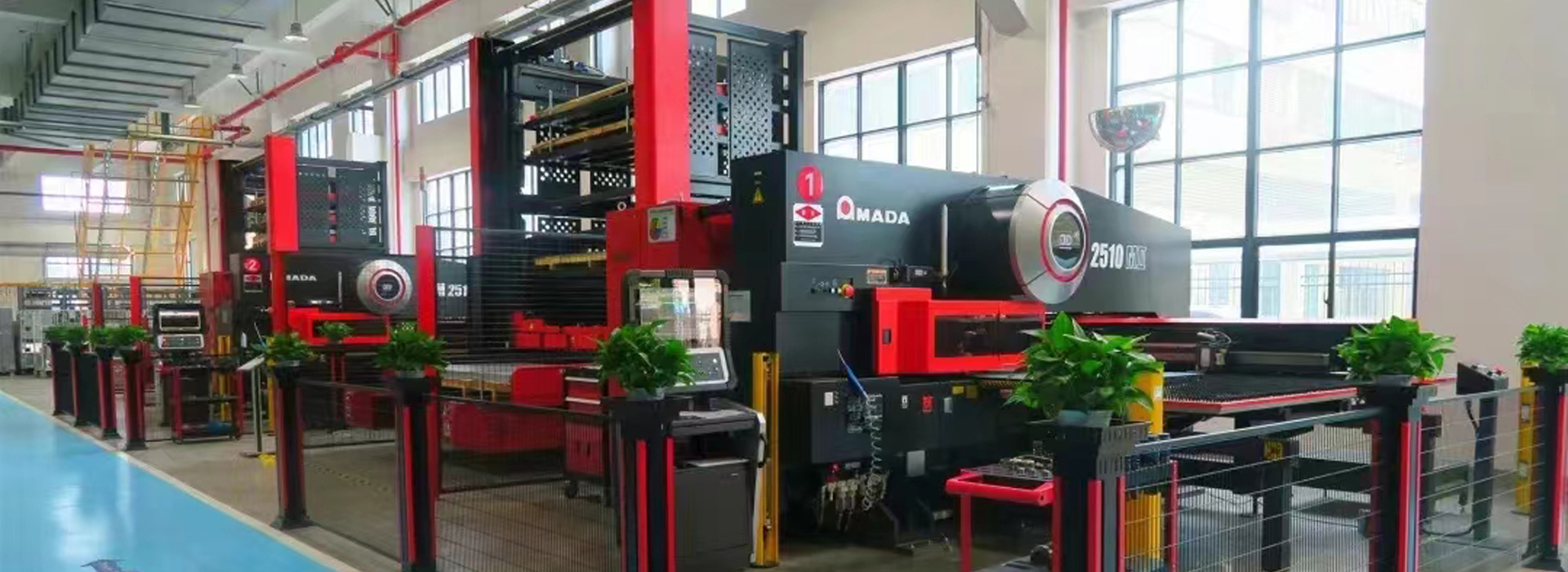
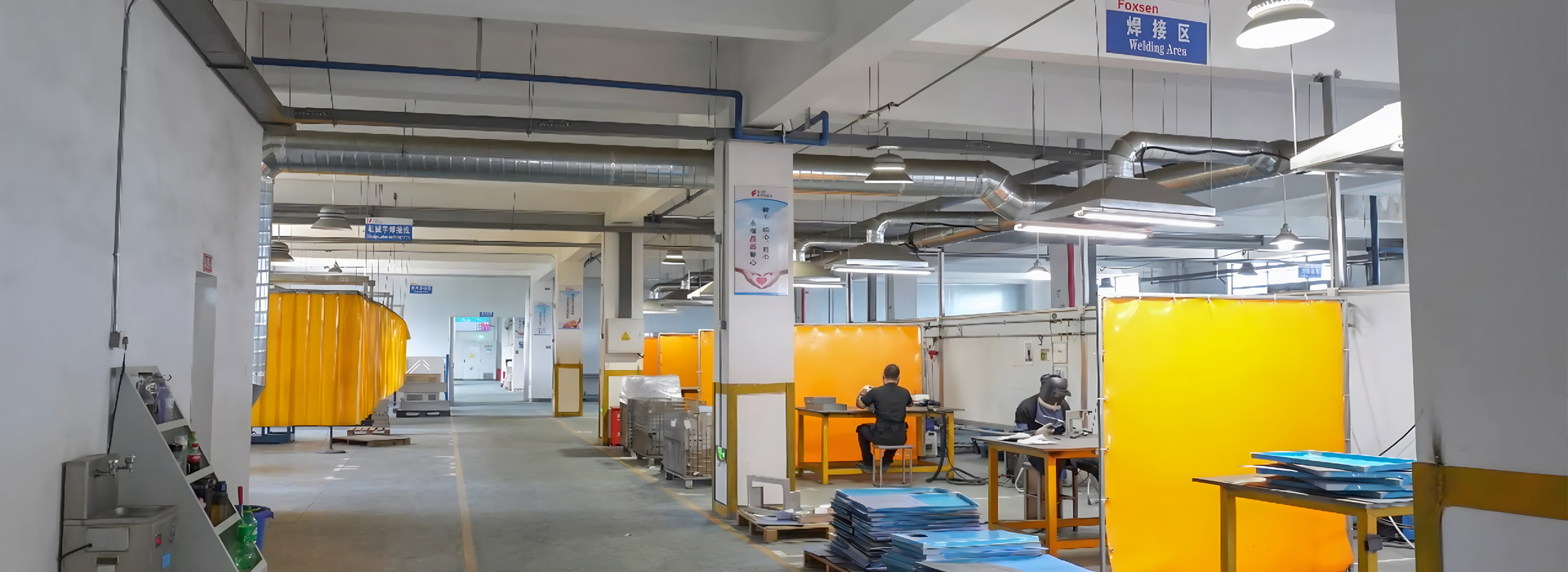
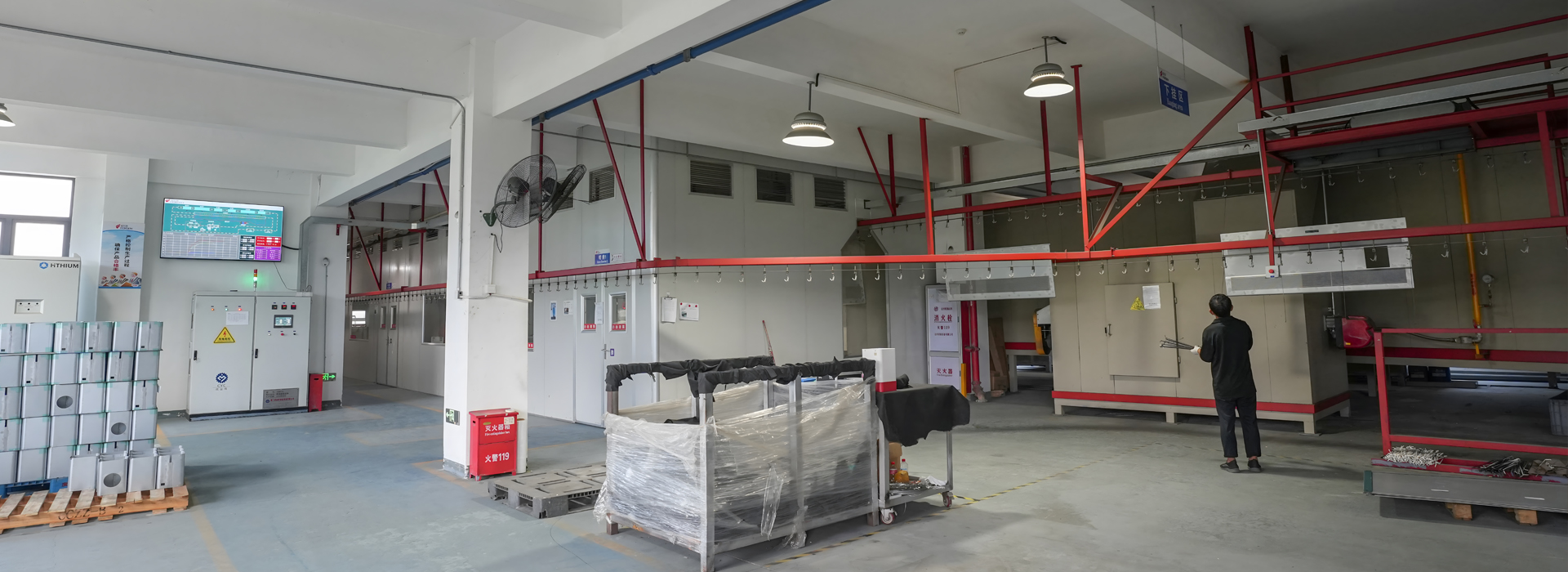
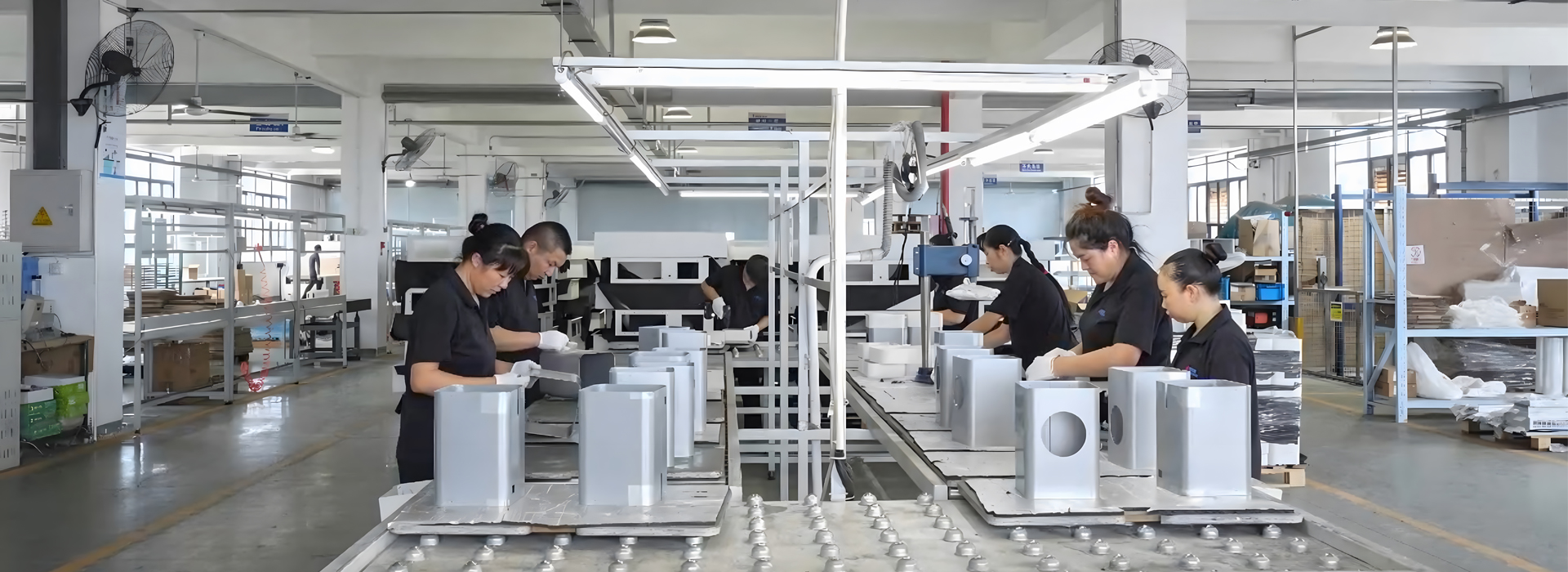
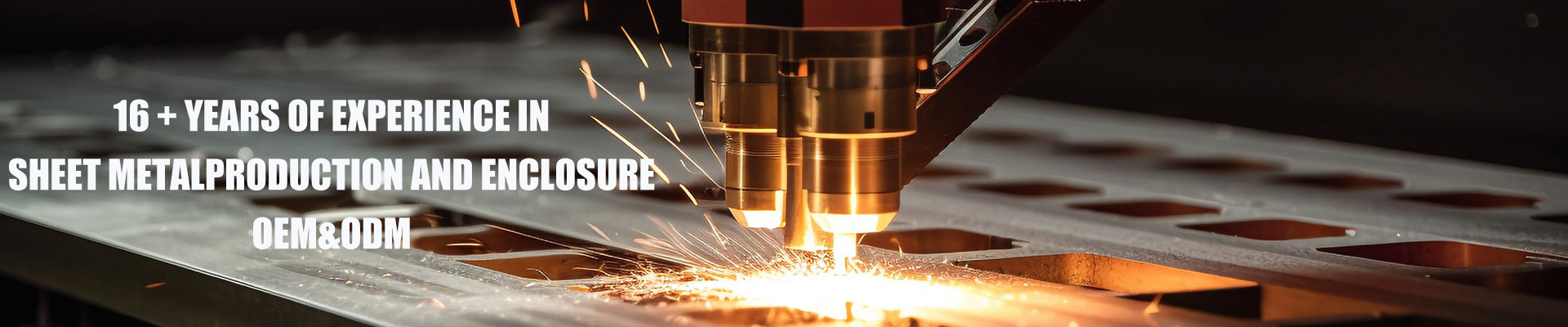
Materials & Manufacturing Processes: The main housing is typically made from cold-rolled steel, processed through laser cutting, bending, welding, and surface treatment (e.g., phosphating, powder coating). For high-protection panels or special shapes, CNC Machining Parts technology is used for high-precision fabrication. Door frames and hinges must be robust to ensure proper alignment and sealing. Internally, standardized mounting plates (mounting rails) are common, facilitating modular installation and maintenance of components.
Structural & Safety Design: This includes a reliable earthing (grounding) system, viewing windows (explosion-proof or high-strength polycarbonate), pressure relief devices (for venting arc fault pressure), safe cable entry/exit interfaces, and standards-compliant interlocking mechanisms (to prevent door opening when live).
Standards & Certification: The design and testing of a Switchgear Enclosure must comply with mandatory standards for its target markets. The most widely adopted international standard is the IEC 61439 series (Low-voltage switchgear and controlgear assemblies), specifying requirements for temperature rise, dielectric properties, short-circuit withstand strength, IP rating, and more. In North America, standards like UL 891 (Switchboards) or UL 1558 (Metal-Enclosed Low-Voltage Power Circuit Breaker Switchgear) apply. Additionally, industry-specific certifications may be required, such as from classification societies or for explosive atmospheres.
III. Key Internal Components & Integration Trends
While the enclosure is the body, its value lies in perfectly housing the internal systems. Modern Switchgear Enclosure is increasingly becoming an integrated platform:
Busbar System: As the backbone for current transmission, the material (copper or aluminum), cross-section, insulation, and connection reliability of busbars directly determine the enclosure's current-carrying capacity and temperature rise.
Intelligent Monitoring Units: Integration of digital meters, communication modules (supporting Modbus, Profibus, Ethernet/IP, etc.), and environmental sensors (temperature, humidity) transforms the Switchgear Enclosure into a node in a smart distribution network, enabling remote monitoring, energy management, and predictive maintenance.
Modularity & Scalability: To accommodate future load growth or functional upgrades, good design allows for the relatively easy addition or replacement of functional units within the existing Switchgear Enclosure framework.
IV. Market Applications & Future Evolution
Switchgear Enclosure finds applications wherever centralized power distribution and control are required:
Industry & Manufacturing: Main distribution rooms in factories, motor control centers on production lines.
Commercial Buildings & Data Centers: Basement electrical rooms in buildings, power distribution units in data centers.
Infrastructure: Power distribution systems for subways, airports, hospitals.
Energy Sector: Auxiliary power systems in thermal/hydroelectric plants, combiner boxes and inverter skids for solar/wind farms, distribution units for EV charging stations.
Future trends indicate that Switchgear Enclosure is evolving in the following directions:
Deep Integration of Intelligence & IoT: Incorporating more advanced sensors and communication for self-diagnostics and cloud-based data analytics.
Compact Size & High Power Density: With the use of semiconductor switches (e.g., IGBTs), equipment size is shrinking, demanding that Switchgear Enclosure solves greater heat dissipation and EMI challenges in more compact spaces.
Green & Sustainable Design: Using more environmentally friendly surface treatments, recyclable materials, and designing better thermal solutions to reduce cooling energy consumption.
Enhanced Safety: Further improving arc fault protection technologies and integrating more advanced access control and condition monitoring systems.
In summary, the Switchgear Enclosure is a critical infrastructure component in modern power distribution systems, fulfilling both "passive protection" and "active support" roles. Its design, materials, and manufacturing quality directly impact the safety, reliability, and operational efficiency of the entire distribution network. In the march towards a digitalized, low-carbon energy future, the Switchgear Enclosure is evolving from merely a device "housing" into a safe, intelligent, and efficient power management interface. For system integrators, engineering consultants, and end-users, a deep understanding of its technical requirements and selecting Switchgear Enclosure that meets the highest industry standards is a fundamental decision for ensuring power supply continuity and protecting personnel and assets.