

In today's industrial facilities, commercial buildings, and infrastructure projects, the safety, organization, and spatial efficiency of electrical distribution systems are paramount. Among these, the Wall Mounted Switch Cabinet stands out as a widely adopted solution for housing power distribution and control equipment. Valued for its flexibility and efficiency, it serves as a critical component in numerous applications. This article delves into the design standards, core functions, application areas, and evolving trends of the Wall Mounted Switch Cabinet in modern electrical engineering.
I. Definition and Design Standards: More Than Just a Wall-Mounted Box
A Wall Mounted Switch Cabinet is an enclosed metal or non-metallic cabinet designed to be fixed onto walls or vertical structures. Its primary purpose is to house and protect low-voltage electrical equipment such as circuit breakers, contactors, relays, variable frequency drives, PLCs (Programmable Logic Controllers), terminal blocks, and associated instrumentation and control systems. Compared to floor-standing switchgear, its core advantage lies in saving valuable floor space, making it particularly suitable for areas with spatial constraints or where equipment needs to be installed close to the load point.
Its design and manufacture must adhere to stringent national and international standards to ensure electrical safety, mechanical strength, and protective performance. Key standards include:
IEC 61439 Series / GB 7251 Series: General standards for low-voltage switchgear and controlgear assemblies, specifying requirements for temperature rise, dielectric properties, short-circuit withstand strength, etc.
IP (Ingress Protection) Rating: Defines the degree of protection provided by the enclosure against solid objects and water. Depending on the installation environment (e.g., workshop, outdoor corridor, cleanroom), a Wall Mounted Switch Cabinet can have an IP rating ranging from IP20 (protection against solid objects larger than 12.5mm) to IP66 (dust-tight and protected against powerful water jets). High IP ratings demand excellent sealing design and material craftsmanship.
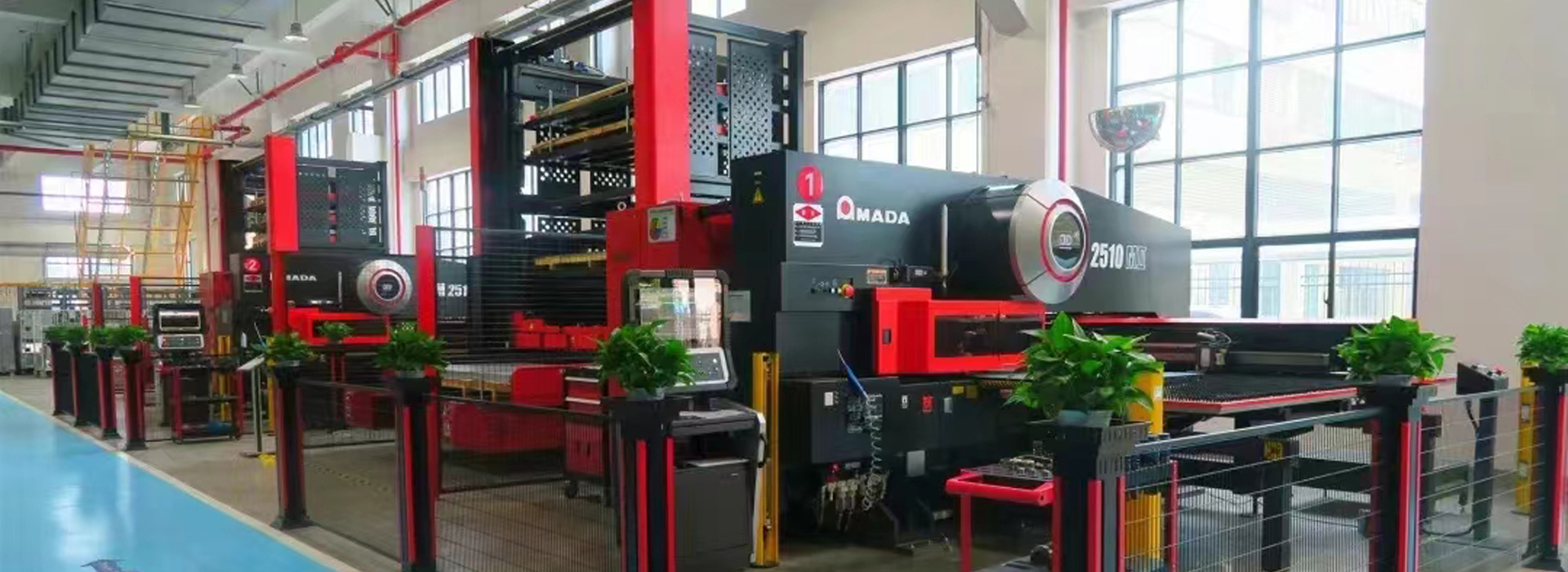
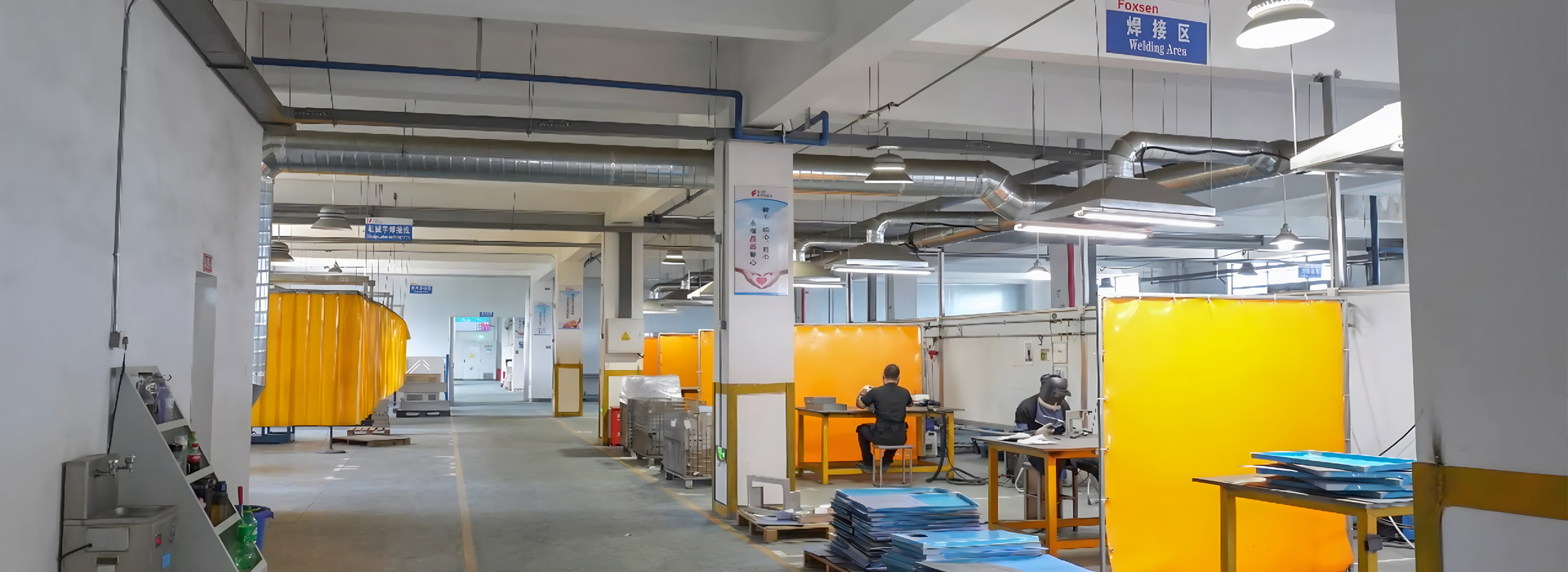
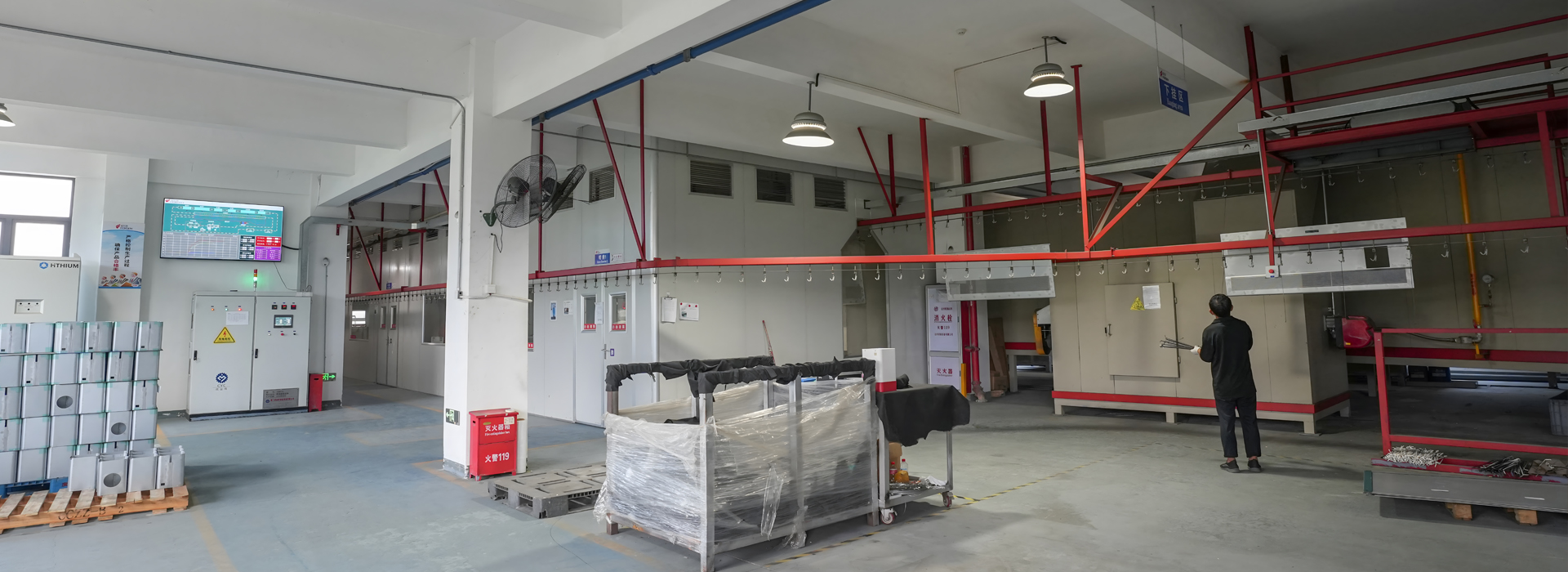
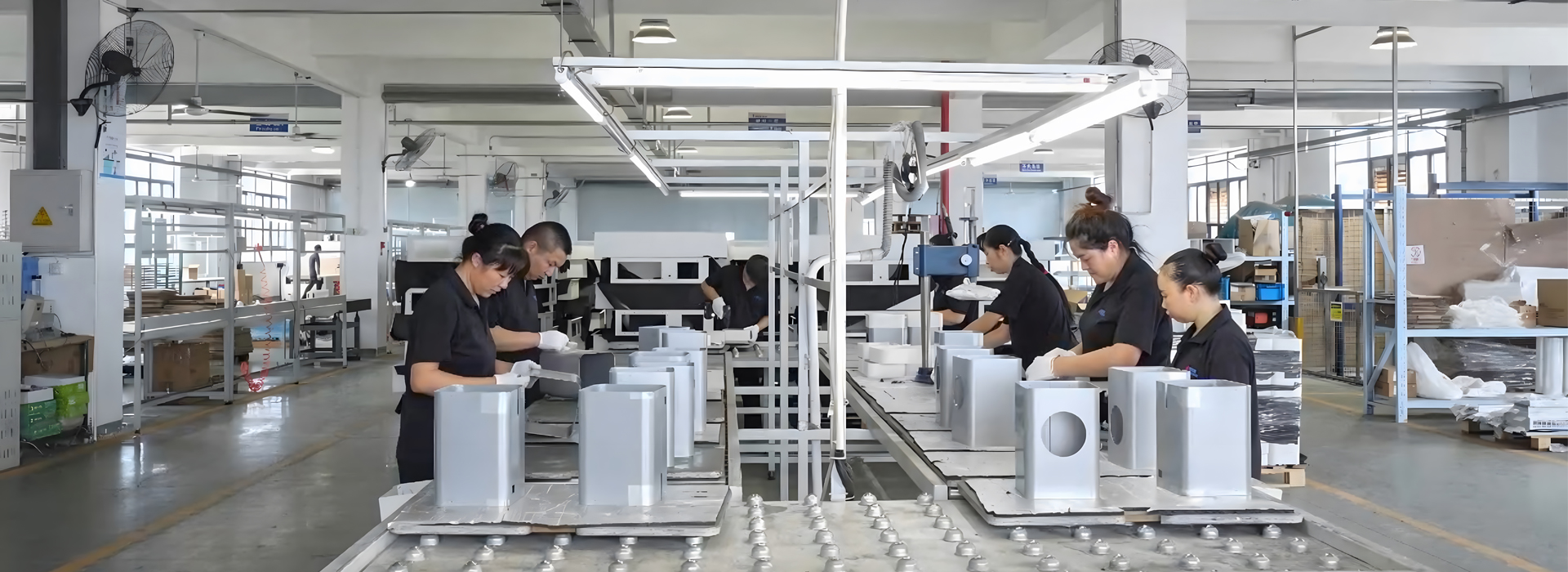
Materials and Manufacturing: Enclosures are typically made from high-quality cold-rolled steel, galvanized steel, aluminum alloy, or stainless steel (especially for corrosive environments like food and chemical processing). Manufacturing involves Metal Stamping Service for producing doors and side panels, and CNC Machining Parts to ensure the precision and consistency of critical internal supports like mounting rails and busbars. This guarantees the cabinet's structural rigidity, durability, and grounding reliability.
II. Core Functions and Application Areas
A well-designed Wall Mounted Switch Cabinet must fulfill multiple functions, leading to its extensive application across various sectors.
Core functions include:
Safety Protection: Provides a physical barrier to prevent accidental contact with live parts and shields internal sensitive equipment from environmental dust, moisture, oil, and mechanical impact.
System Organization and Integration: Offers a standardized, orderly mounting surface (e.g., standard top-hat mounting rails) for various electrical and automation components, enabling clear wiring, ease of maintenance, and the integration of control, distribution, and monitoring functions within a single unit.
Thermal Management: Effective heat dissipation is crucial. Based on the heat generated by internal components, solutions range from natural ventilation (vents with filters), forced ventilation (internal fans), to the installation of air conditioners or heat exchangers, ensuring internal temperatures remain within the operational limits of the equipment to prevent failures or reduced lifespan.
Electromagnetic Compatibility: In applications sensitive to electromagnetic interference (e.g., data centers or precision labs), specially shielded Wall Mounted Switch Cabinets can reduce the emission and reception of electromagnetic radiation.
Primary Application Areas:
Industrial Automation Lines: Installed dispersedly along production lines to control motors, sensors, and actuators for individual workstations or machines, serving as crucial nodes for distributed control systems.
Building Automation & Commercial Buildings: Used to house distribution and control equipment for lighting, HVAC, security, and other systems, often installed in electrical rooms, technical corridors, or service rooms.
Public Infrastructure: Widely used in subway stations, airports, hospitals, and schools to accommodate zonal power distribution and control equipment.
Renewable Energy Systems: In solar power plants, Wall Mounted Switch Cabinets can house combiner boxes, auxiliary control units for inverters, and monitoring systems.
Telecommunication Base Stations: Used to accommodate power distribution units and site controllers for communication equipment.
III. Installation, Maintenance, and Industry Trends
The installation of a Wall Mounted Switch Cabinet must consider wall load-bearing capacity, operational and maintenance access space (the front door must open fully), cable entry/exit methods (bottom, top, or side), and environmental factors. Professional installation is a prerequisite for its long-term stable operation.
From a maintenance perspective, modern designs increasingly focus on user-friendliness. Examples include quick-lock door hinges and tool-less removable side panels for fast access during troubleshooting; doors with transparent windows allowing visual inspection of internal indicator lights and meters without opening the door; and rational internal layout with cable duct systems, making fault diagnosis and component replacement more efficient.
Currently, the Wall Mounted Switch Cabinet industry shows several clear trends:
Modularity and Flexibility: Cabinets feature modular internal designs, allowing users to flexibly combine different functional units based on project requirements, shortening delivery times and facilitating future expansion.
Intelligence and IoT Integration: More cabinets are beginning to come pre-equipped with or support the installation of environmental monitoring modules (e.g., temperature, humidity sensors) and smart energy meters. This data can be uploaded via networks to cloud platforms, enabling remote condition monitoring, alarm generation, and energy management, thereby supporting predictive maintenance.
Compact Size and High-Density Installation: As electronic components become smaller and more integrated, there is growing demand for high-performance Wall Mounted Switch Cabinets with smaller footprints that can house more equipment. This presents greater challenges for thermal design and wiring craftsmanship.
Materials and Sustainability: Beyond traditional metals, some non-metallic materials (like high-strength glass fiber polyester) are gaining use in specific applications due to their excellent insulation, corrosion resistance, and lightweight properties. Simultaneously, recyclable materials and green manufacturing processes are receiving increasing attention.
IV. Conclusion
As a mature yet continuously evolving product category in electrical engineering, the Wall Mounted Switch Cabinet is far more than a simple metal box. It embodies electrical safety, spatial optimization, system integration, and technological progress. From standardized manufacturing to customized solutions, and from a mere protective shell to an intelligent data node, the Wall Mounted Switch Cabinet continues to adapt to the new demands of Industry 4.0 and smart building development. In the future, its design will become more closely integrated with digital and networking technologies. While ensuring reliable power distribution and stable equipment control, it will provide the physical foundation for more efficient and intelligent operational management. Selecting the appropriate Wall Mounted Switch Cabinet remains a key decision for electrical designers and project engineers in building safe, reliable, and efficient power distribution and control systems.