

The Question Every Engineer Must Ask
Here is a question that separates experienced engineers from beginners: “Will this enclosure still be standing in ten years?” For most indoor applications, painted steel or 304 stainless works fine. But near a coast, inside a chemical plant, or beside a swimming pool, the answer changes. That is where the 316 stainless steel enclosure enters the picture. It is not the cheapest option. It is the option you choose when failure is not acceptable.
What Makes 316 Different from 304
Both 304 and 316 are austenitic stainless steels. Both contain chromium for corrosion resistance. But 316 stainless steel enclosure adds molybdenum—typically 2-3% by weight. That small addition transforms performance. Molybdenum creates a passive film that resists chloride attack. In simple terms: a 316 stainless steel enclosure survives salt spray, road de-icing chemicals, and pool disinfectants that would pit and corrode 304 within months.
Consider a side-by-side test. Two enclosures, identical design, one made of 304, one made of 316, placed 100 meters from the Atlantic Ocean. After one year, the 304 shows rust spots around welds and fastener holes. The 316 stainless steel enclosure looks like the day it was installed. That is the molybdenum advantage.
The Science of Pitting Resistance
Corrosion on stainless steel is not uniform. It starts as tiny pits. Each pit concentrates stress, grows deeper, and eventually perforates the wall. The Pitting Resistance Equivalent Number (PREN) quantifies this. For 304, PREN is about 18-20. For a 316 stainless steel enclosure, PREN ranges from 24 to 26. A higher PREN means longer life in chloride environments. This is why marine standards (NORSOK M-001, ISO 21457) specify 316 stainless steel enclosure for offshore platforms and coastal facilities.
Where You Find 316 Stainless Steel Enclosures
Look for 316 stainless steel enclosure in places that destroy lesser materials:
Coastal telecommunication huts: The salt-laden air never rests. A 316 stainless steel enclosure protects fiber optic termination equipment for decades.
Food processing plants: Daily washdowns use chlorine-based sanitizers. 304 stains and pits; 316 stainless steel enclosure resists.
Swimming pools and water parks: Chlorine gas is aggressive. Indoor pool environments are notorious for corroding electrical panels. Specifying a 316 stainless steel enclosure prevents emergency shutdowns.
Chemical manufacturing: Acid vapors, solvent residues, and temperature swings. A stainless steel enclosure made from 316 outlasts painted steel by 5-10 times.
Pharmaceutical cleanrooms: Frequent cleaning with aggressive disinfectants requires a surface that does not degrade. 316 stainless steel enclosure offers both cleanability and longevity.
Welding and Fabrication Challenges
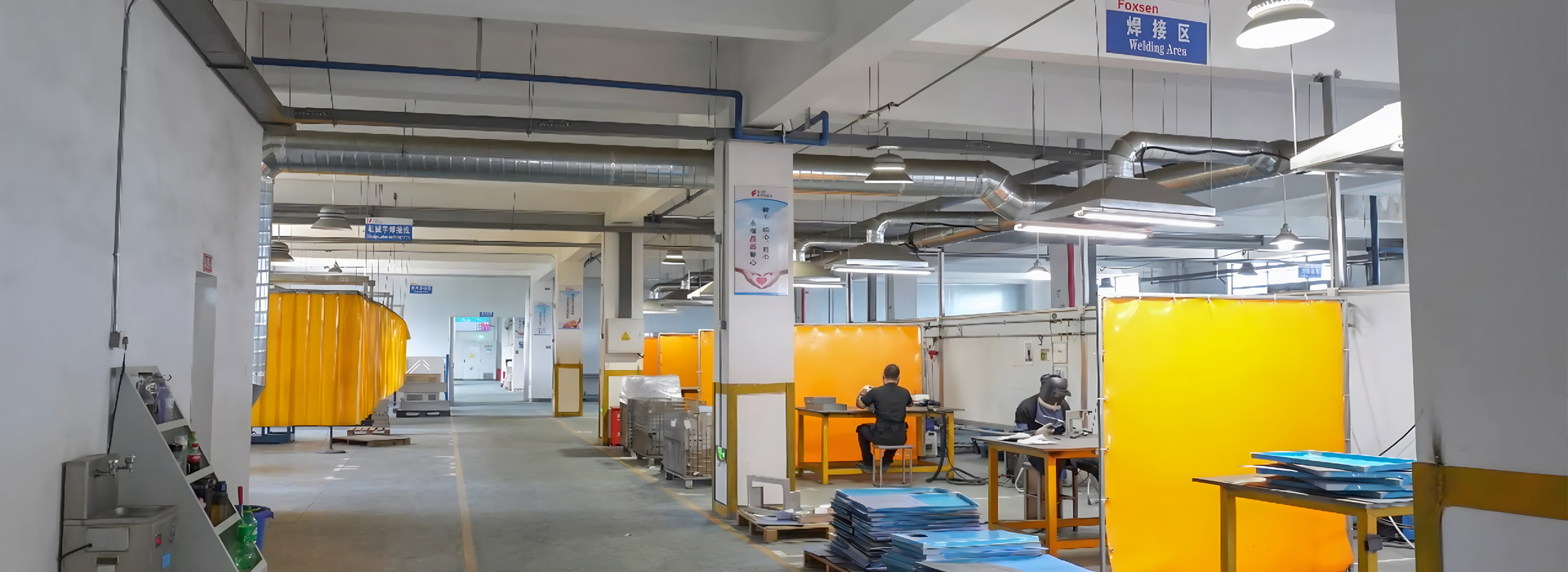
Working with 316 stainless steel enclosure requires skill. The material work-hardens faster than 304. Cutting forces are higher. Welding requires attention to heat input and filler metal. Use 316L filler (low carbon) to prevent intergranular corrosion. After welding, a 316 stainless steel enclosure should be passivated—chemically cleaned to restore the chromium oxide layer. Skip passivation, and weld zones become the first place corrosion starts.
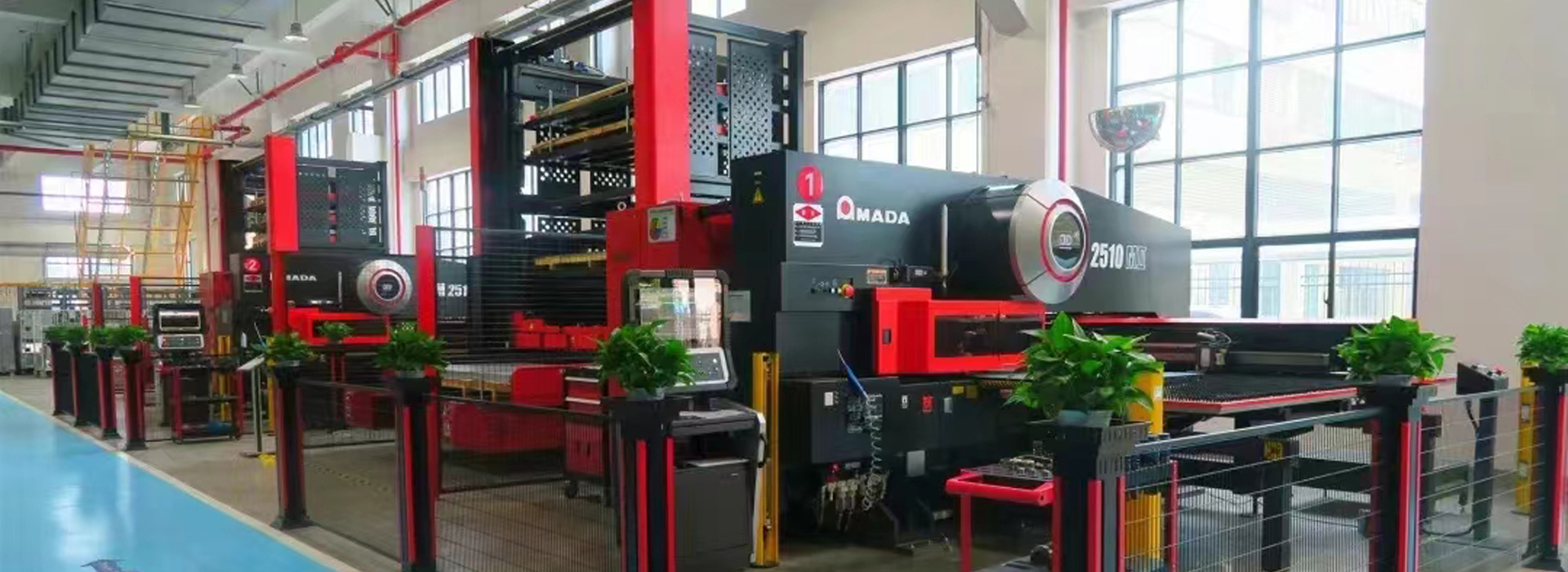
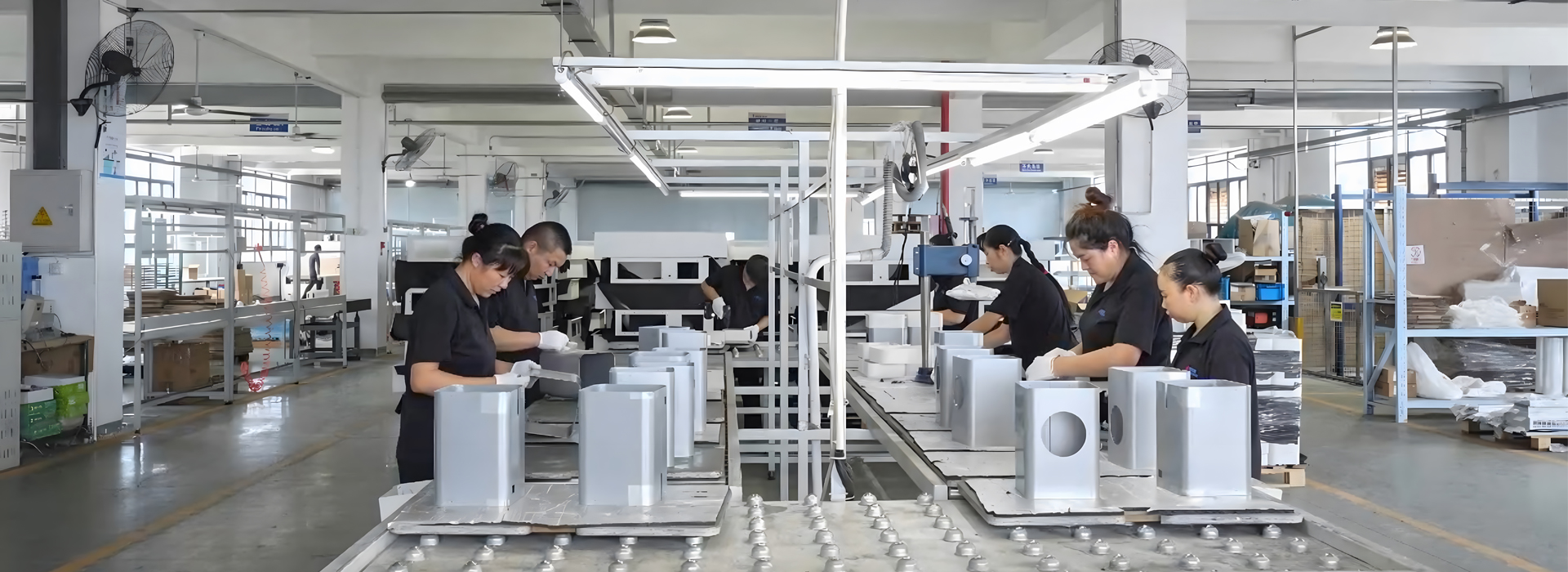
Fabricators who also offer metal stamping service and CNC machining parts know how to handle 316. They adjust feed rates, use sharp tooling, and maintain separate work areas to avoid iron contamination. Iron particles embedded in the surface of a 316 stainless steel enclosure create rust spots—not from the enclosure itself, but from the embedded iron. This is why dedicated stainless steel fabrication lines exist.
Cost vs. Lifecycle Value
A 316 stainless steel enclosure costs roughly 1.5 to 2 times more than a 304 enclosure. Why pay the premium? Run the numbers for a 20-year installation. A painted carbon steel enclosure may need replacement after 5-7 years in coastal service. That means two or three replacements plus the labor to swap out equipment. A 316 stainless steel enclosure lasts the full 20 years with minimal maintenance. The initial price difference vanishes after the first replacement cycle. For critical infrastructure—traffic controls, emergency power, communications—the reliability of a 316 stainless steel enclosure is priceless.
Surface Finish Matters
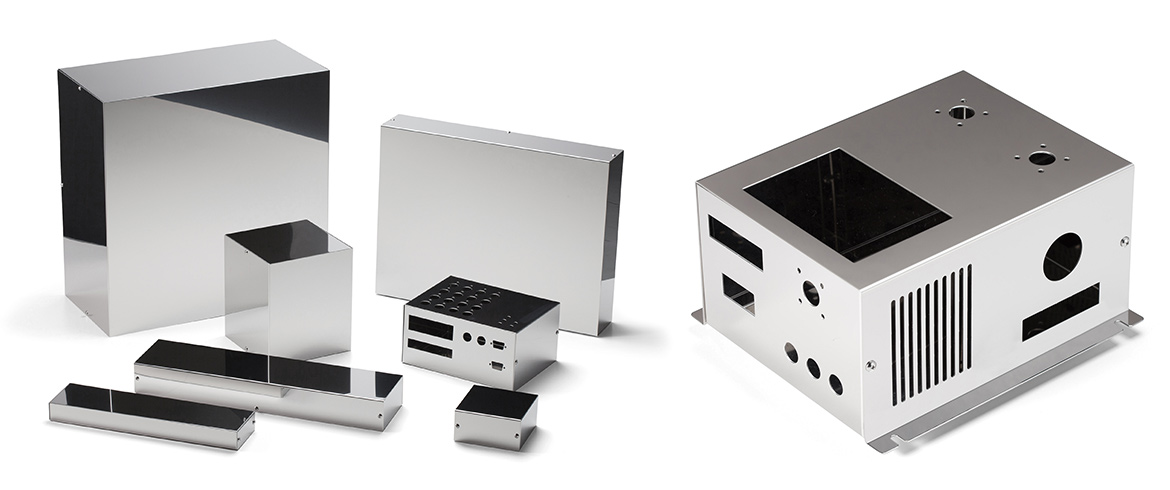
Not all 316 stainless steel enclosure products have the same surface. Standard mill finish (#2B) works for most industrial applications. But for food, pharmaceutical, or cleanroom environments, specify #4 brushed finish. The brushed surface hides fingerprints and scratches. For the highest hygiene, #8 mirror finish eliminates crevices where bacteria hide. Some 316 stainless steel enclosure suppliers also offer electropolishing, which removes microscopic burrs and improves corrosion resistance beyond the as-rolled surface.
Compatibility with Other Components
A 316 stainless steel enclosure is only as good as its hardware. Specify 316 stainless steel hinges, latches, and screws. Mixing 304 hardware with a 316 stainless steel enclosure creates a galvanic cell. The less noble 304 will corrode preferentially, staining the enclosure and eventually failing. The same applies to mounting brackets, gland plates, and grounding studs. Every external component should match the 316 stainless steel enclosure grade.
For internal components, electronic enclosure accessories like DIN rails and mounting plates can be made from 304 or zinc-plated steel, since they are not exposed to the same corrosive environment. But door-mounted displays, switches, and indicators must be rated for the same environment. A sealed 316 stainless steel enclosure with a polycarbonate window and IP66-rated connectors keeps everything safe.
Testing and Certification
Reputable 316 stainless steel enclosure manufacturers provide test documentation. Look for:
Mill certificates: Verify the alloy meets ASTM A240 or EN 10088 specifications.
Salt spray reports: ASTM B117 testing for 1,000+ hours without red rust.
Passivation verification: Free iron test per ASTM A967.
Welder qualifications: To EN 287 or ASME IX for stainless steel.
For outdoor power distribution, a 316 stainless steel enclosure may also need NEMA 4X or IP66 ratings. Some applications require UL 50E listing. Confirm with your supplier.
When Not to Use 316
Despite its strengths, a 316 stainless steel enclosure is not universal. It offers limited protection against high-temperature oxidation above 60°C in chloride-rich environments. For extremely hot, salty conditions, consider duplex stainless steel (2205). For highly reducing acids (hydrochloric, sulfuric), 316 also struggles. And for indoor, climate-controlled spaces with no corrosion risk, 316 is overkill. Painted carbon steel or 304 works perfectly and costs much less.
Conclusion
The 316 stainless steel enclosure is a specialist product for specialist environments. It does not make sense for every application. But where chloride corrosion is a known threat—coastal installations, chemical plants, food processing, marine infrastructure—the 316 stainless steel enclosure is the only rational choice. It costs more upfront and lasts longer by far. Engineers who specify it understand that the cheapest enclosure is not the one with the lowest price tag, but the one that never needs replacing. For your next corrosive-environment project, start with a 316 stainless steel enclosure and work backward. You will likely find that nothing else meets the requirement.