
Introduction: When a Small Flaw Becomes a Major Disaster
Picture this: A manufacturing plant in Germany experiences a sudden shutdown during peak production hours. After frantic troubleshooting, engineers discover moisture ingress in a control panel enclosure, causing a short circuit that cascaded through the system. The culprit? A seemingly minor design oversight in an electrical enclosure that wasn't adequately sealed for the humid factory environment. This scenario highlights why the question "Are Your Electrical Enclosures Truly Future-Proof?" isn't just theoretical—it's a pressing concern for engineers and procurement managers worldwide who rely on these critical components to protect sensitive electronics from environmental hazards, ensure regulatory compliance, and optimize lifecycle costs. In this deep-dive, we'll unravel the hidden complexities behind electrical equipment enclosures and how forward-thinking solutions can prevent such costly failures.
Deepening the Pain Points: Where Things Go Wrong
Electrical enclosures are often treated as simple metal boxes, but their failure can lead to catastrophic outcomes. Let's explore three specific industry pain points in detail.
1. Corrosion and Environmental Degradation
In coastal regions like the Gulf of Mexico or industrial zones with high chemical exposure, enclosures face relentless attacks from salt spray, pollutants, and moisture. A standard powder-coated steel enclosure might show rust within 12–18 months, compromising structural integrity and electrical safety. The impact? Unplanned downtime averaging $50,000 per incident for mid-sized plants, plus replacement costs of $5,000–$10,000 per enclosure. Over five years, this can escalate to over $200,000 in losses for a facility with 50 enclosures, not including reputational damage from safety violations.
2. Thermal Management Inefficiencies
Modern electronics generate significant heat, and inadequate thermal design turns enclosures into ovens. In data centers or automotive manufacturing, ambient temperatures can exceed 40°C (104°F). Without proper cooling, internal components overheat, reducing lifespan by up to 50% and increasing failure rates. For example, a semiconductor fab in Taiwan reported a 15% drop in production yield due to enclosure overheating, costing an estimated $1.2 million annually in wasted materials and energy. Passive cooling methods often fall short, while active systems add complexity and maintenance burdens.
3. Compliance and Standardization Gaps
Global markets demand adherence to diverse standards: IEC 60529 for ingress protection (IP ratings), UL 508A for industrial control panels, and ATEX for explosive atmospheres. Many suppliers offer generic enclosures that barely meet minimum requirements, leading to certification delays or rejections. A European energy company faced six-month project delays when enclosures failed ATEX testing, incurring $300,000 in penalties and lost revenue. The lack of customization for specific applications—like seismic zones or food processing hygiene—exacerbates this issue.
Detailed Solutions: Engineering Resilience into Every Enclosure
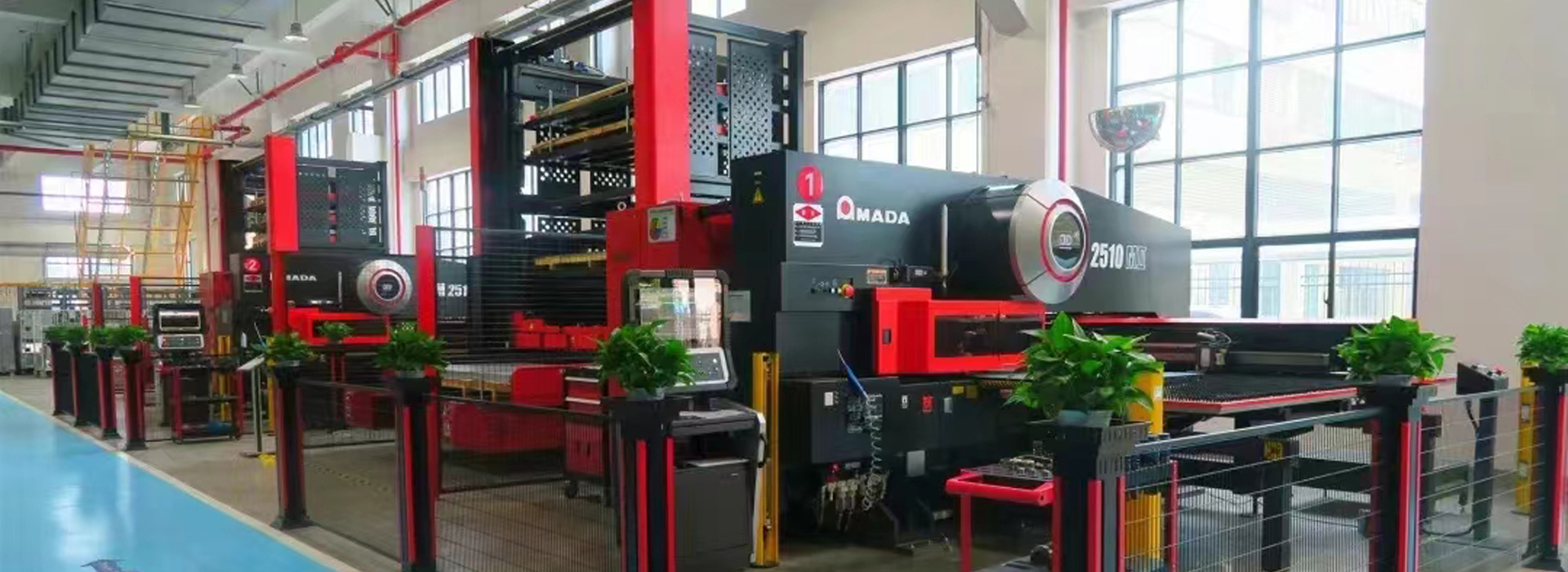
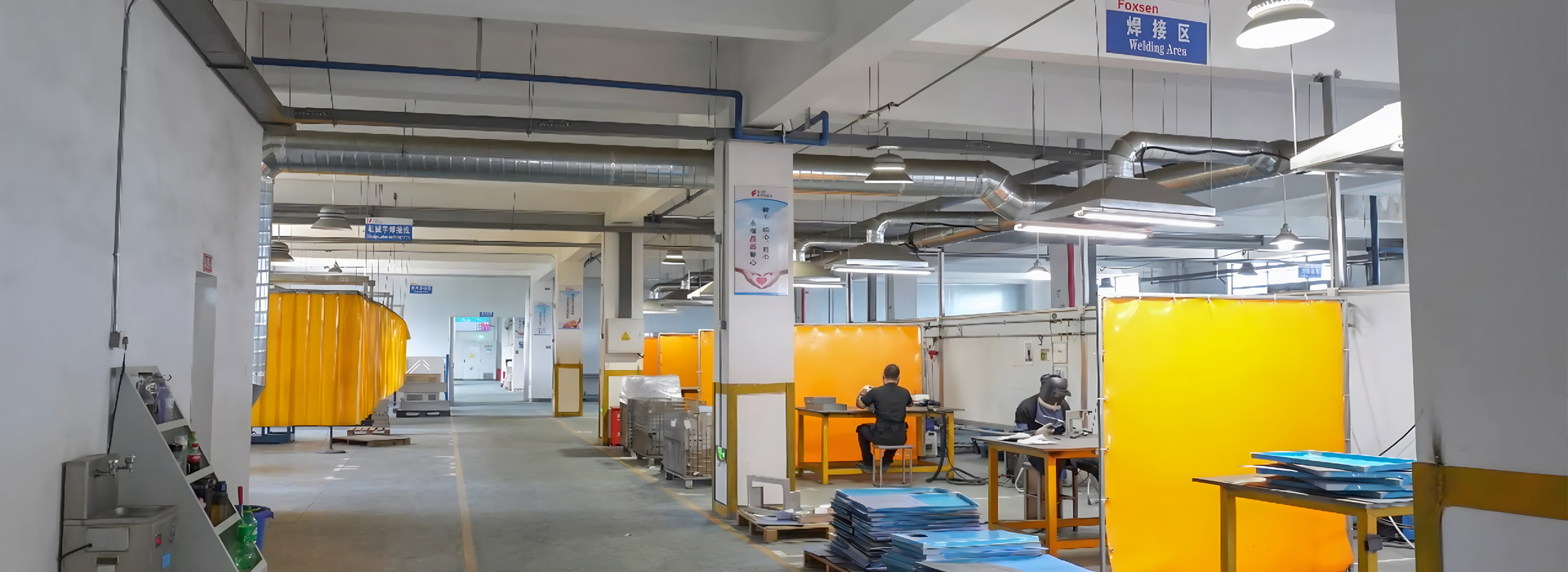
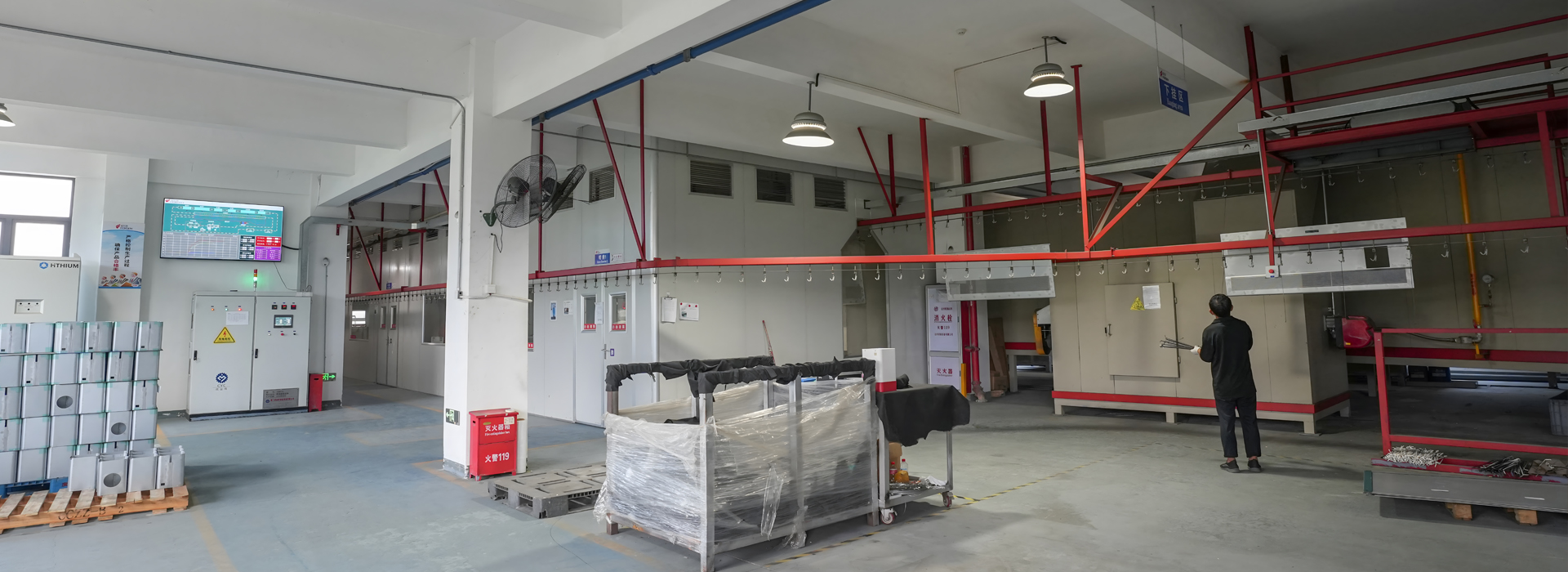
Addressing these pain points requires a holistic approach. XIAMEN FOXSEN INDUSTRIAL TECHNOLOGY CO.,LTD. specializes in high-end manufacturing solutions that transform enclosures from weak links into robust assets.
For Corrosion Resistance: We employ advanced materials like 316L stainless steel or aluminum with anodized finishes, tested to withstand 1,000+ hours of salt spray per ASTM B117. Our proprietary sealing techniques use dual gaskets and laser-welded seams to achieve IP66/IP67 ratings, ensuring protection against dust and water immersion. For extreme environments, we offer enclosures with epoxy coatings that resist chemicals and UV radiation, extending service life to 15+ years with minimal maintenance.
For Thermal Management: Our designs integrate computational fluid dynamics (CFD) simulations to optimize airflow. Solutions include passive options like heat sinks and vented tops, or active systems with redundant fans and air-to-liquid heat exchangers. For high-density applications, we implement phase-change materials that absorb excess heat, maintaining internal temperatures below 35°C (95°F) even in ambients up to 50°C (122°F). This can reduce energy consumption by 20% compared to standard cooling setups.
For Compliance and Customization: We pre-certify enclosures to major global standards, with documentation packs that streamline approvals. Customization ranges from modular designs for easy expansion to seismic bracing for zones with high vibration. Our engineers work directly with clients to tailor dimensions, cable entry points, and mounting options, reducing installation time by 30% and ensuring fit-for-purpose performance.
Client Success Stories: Real-World Impact
Here are three fictional but realistic cases showcasing how our solutions deliver tangible benefits.
1. Offshore Wind Farm, North Sea, Norway: A renewable energy operator struggled with enclosure corrosion in salty, high-wind conditions. We supplied 80 stainless steel enclosures with IP68 ratings and anti-icing features. Result: Zero failures over 3 years, reducing maintenance costs by 40% ($120,000 saved annually). Client quote: "FOXSEN's enclosures withstand the harshest marine environments—our uptime has never been better."
2. Automotive Battery Plant, Michigan, USA: A manufacturer needed enclosures for battery management systems with strict thermal controls. We delivered custom aluminum enclosures with integrated liquid cooling, maintaining ±2°C temperature stability. Result: Battery lifespan increased by 25%, and production efficiency rose by 15%, boosting annual output by $2.5 million. Client quote: "The thermal precision is unmatched—critical for our quality standards."
3. Pharmaceutical Cleanroom, Zurich, Switzerland: A bio-tech company required enclosures meeting ISO 14644 cleanroom standards and easy sterilization. We provided smooth-surface, crevice-free designs with FDA-approved materials. Result: Contamination incidents dropped by 90%, and regulatory audits passed seamlessly, saving $80,000 in compliance costs. Client quote: "FOXSEN's attention to hygiene details is exceptional for our sensitive operations."
Applications and Partnerships: Where Expertise Meets Innovation
Our enclosures serve diverse sectors, from renewable energy and automotive to pharmaceuticals and data centers. Key applications include: protecting solar inverter systems in desert climates, housing robotic controllers in smart factories, and safeguarding communication gear in telecommunications towers. We collaborate with global partners like Siemens and ABB for component integration, and procurement teams from companies such as Bosch and Schneider Electric rely on our just-in-time delivery and technical support. These relationships, built over a decade, underscore our authority in delivering reliable, scalable solutions.
FAQ Section: Answers from the Field
Here are five common questions from engineers and procurement managers, with in-depth responses.
1. How do you ensure long-term durability in corrosive environments? We use accelerated life testing, simulating years of exposure in weeks. Materials are selected based on corrosion charts, and we recommend periodic inspections with our maintenance guides. For example, our stainless steel enclosures include cathodic protection options to prevent galvanic corrosion.
2. Can enclosures be modified post-installation for new components? Yes, our modular designs allow for easy retrofitting. We provide CAD files and kits for adding cable glands or cooling units without compromising integrity. This flexibility can reduce upgrade costs by up to 50% compared to full replacements.
3. What standards do you comply with for international projects? We adhere to IEC, UL, NEMA, and ATEX standards, with certifications available upon request. Our team stays updated on regulatory changes—for instance, we recently adapted enclosures for the new EU Machinery Regulation 2023/1230.
4. How do you balance cost with high-performance features? Through value engineering: We optimize material usage and manufacturing processes without sacrificing quality. Bulk orders or standardized designs can cut costs by 20–30%, while still meeting premium specifications.
5. What support do you offer for thermal calculations? We provide free CFD analysis reports for complex setups, helping clients predict thermal behavior. Our online configurator tools let engineers simulate different cooling options before ordering.
Conclusion: Secure Your Investment with Confidence
Electrical equipment enclosures are more than protective shells—they are foundational to operational resilience and efficiency. By addressing corrosion, thermal issues, and compliance holistically, XIAMEN FOXSEN empowers industries to future-proof their infrastructure. Don't let enclosure failures undermine your projects. Download our detailed technical whitepaper on advanced enclosure design for deeper insights, or contact our sales engineers at contact@foxsentechnology.com for a personalized consultation. Together, we can build enclosures that not only meet today's challenges but also adapt to tomorrow's innovations.