

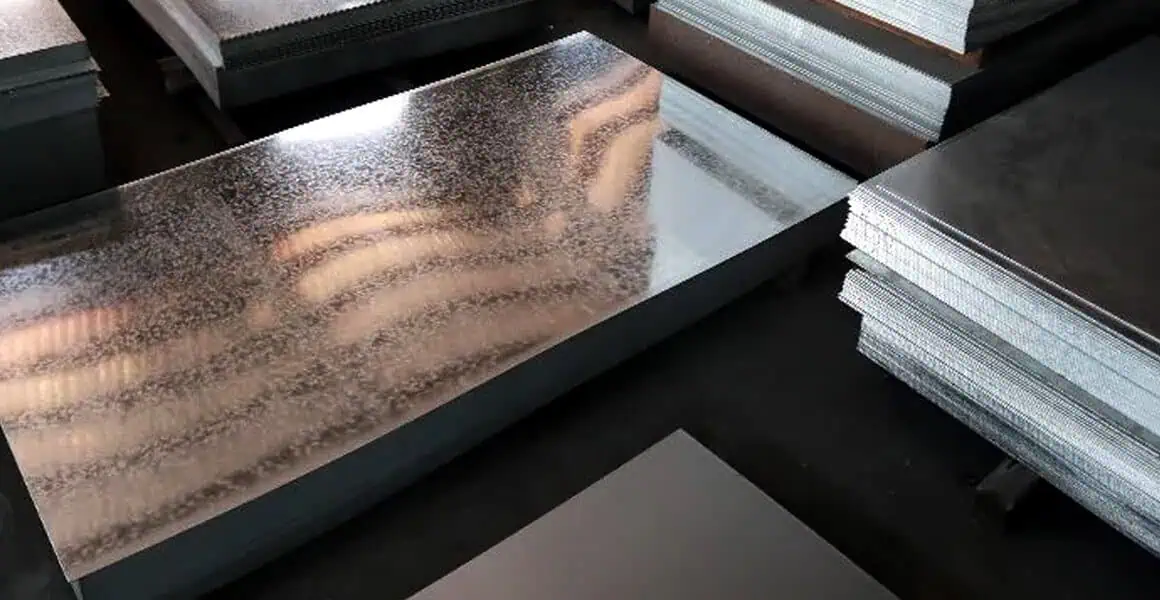
Pick up a piece of galvanized steel sheet and look closely. The surface is not bare metal. It is a mosaic of zinc crystals, each one a sacrificial soldier. That zinc layer is the reason galvanized steel sheet can sit outside for decades without rusting, while plain steel rusts within weeks. The secret? Zinc corrodes first. As long as zinc remains, the steel underneath stays untouched. This simple electrochemical trick makes galvanized steel sheet one of the most cost-effective materials for outdoor equipment, building products, and industrial enclosures.
How Zinc Saves Steel
The protection provided by galvanized steel sheet works in two ways. First, the zinc coating acts as a barrier—air and moisture cannot reach the steel. Second, if the coating gets scratched, zinc acts as a sacrificial anode. Any exposed steel becomes a cathode, protected by the surrounding zinc. This galvanic protection means a galvanized steel sheet can survive scratches that would doom painted steel. A paint scratch exposes bare metal to rust. A scratch on galvanized steel sheet exposes steel surrounded by zinc—and the zinc rusts instead.
Hot-Dip vs. Electrogalvanized: Two Different Products
Not all galvanized steel sheet is the same. The two main processes produce very different results:
Hot-dip galvanizing: The steel sheet passes through a bath of molten zinc at 450°C. The zinc layer is thick (20-85 microns) and forms intermetallic layers with the steel. The surface has a characteristic spangle pattern—those visible zinc crystals. Hot-dip galvanized steel sheet excels in outdoor applications where corrosion resistance is the top priority. It is the material of choice for utility poles, highway guardrails, and electrical cabinets.
Electrogalvanizing: Zinc is electroplated onto the steel sheet in a room-temperature bath. The coating is thinner (5-15 microns) and more uniform. The surface is smooth, paintable, and free of spangle. Electrogalvanized galvanized steel sheet is used where appearance and paint adhesion matter more than ultimate corrosion resistance—think office furniture, automotive panels, and indoor electronics.
The Numbers That Matter
The corrosion resistance of galvanized steel sheet is measured by how long it survives in salt spray testing (ASTM B117). A standard hot-dip galvanized steel sheet with 85 microns of zinc lasts over 1,000 hours before red rust appears. For comparison, cold-rolled steel with a premium paint system lasts 200-300 hours. That 3-5x advantage explains why galvanized steel sheet is specified for outdoor electrical enclosures, battery storage cabinets, and telecom shelters.
In real-world environments, the service life of galvanized steel sheet follows a predictable pattern:
Rural atmosphere: 50-70 years
Urban/industrial: 30-50 years
Coastal (1km from sea): 15-30 years
Heavy marine splash zone: 5-10 years
For coastal applications, thicker zinc coatings or additional paint over galvanized steel sheet extends the service life significantly.
Fabrication Considerations
Working with galvanized steel sheet requires care. The zinc coating is soft and can be scratched or damaged during cutting, punching, and bending. Best practices include:
Laser cutting: Preferred method. Minimal contact with the material preserves the coating.
Punching: Use sharp tools with clearance optimized for coated material. Dull punches lift and peel the zinc.
Bending: Bend radii should be at least 3-4 times material thickness to prevent coating fracture.
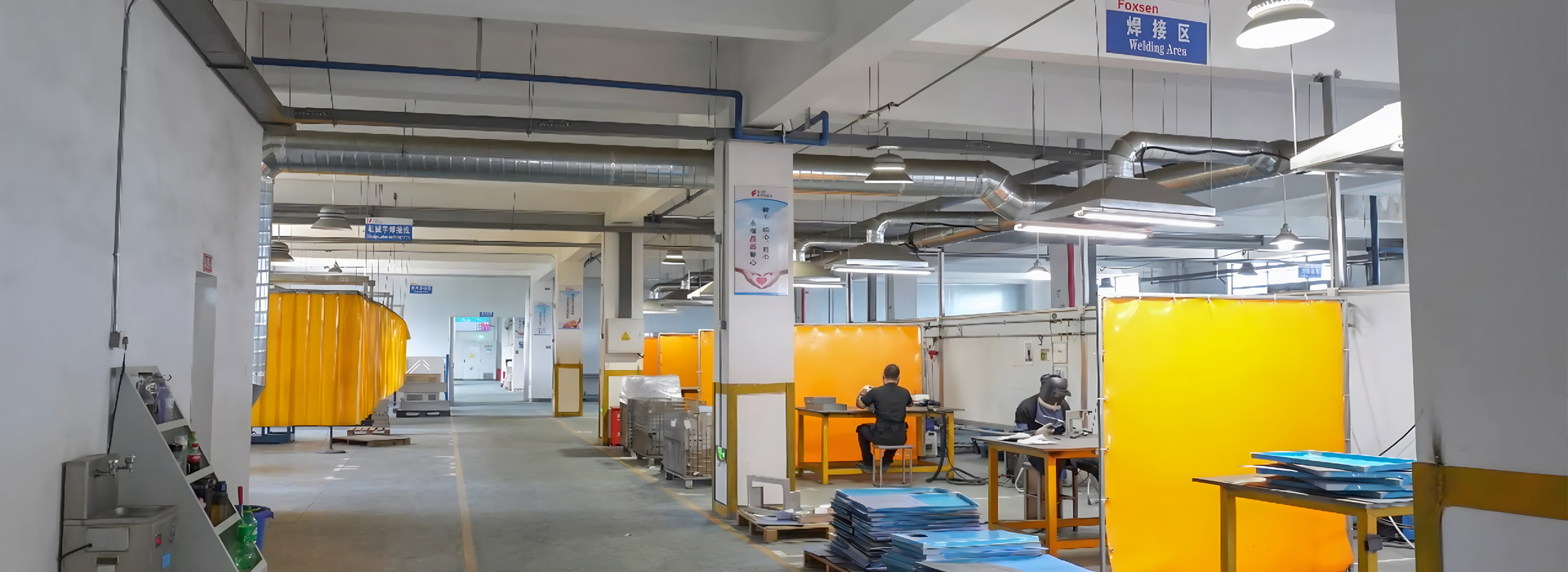
Welding: Welding burns off zinc near the weld zone. Repair with zinc-rich cold galvanizing spray.
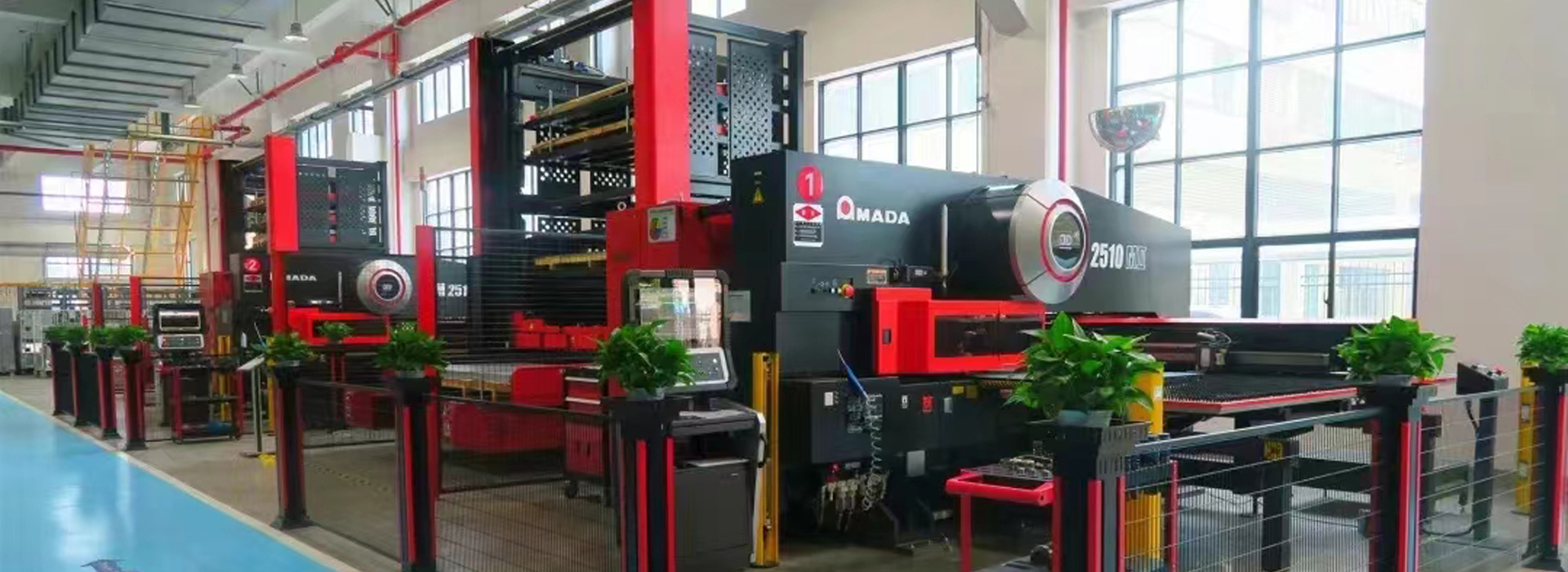
A well-executed metal stamping service for galvanized steel sheet includes tooling specifically designed for coated material—larger clearances, polished surfaces, and regular tool maintenance.
Applications You See Every Day
Galvanized steel sheet is everywhere, but most people do not recognize it. Look at:
HVAC ductwork: The silver-gray rectangles in basements and crawl spaces.
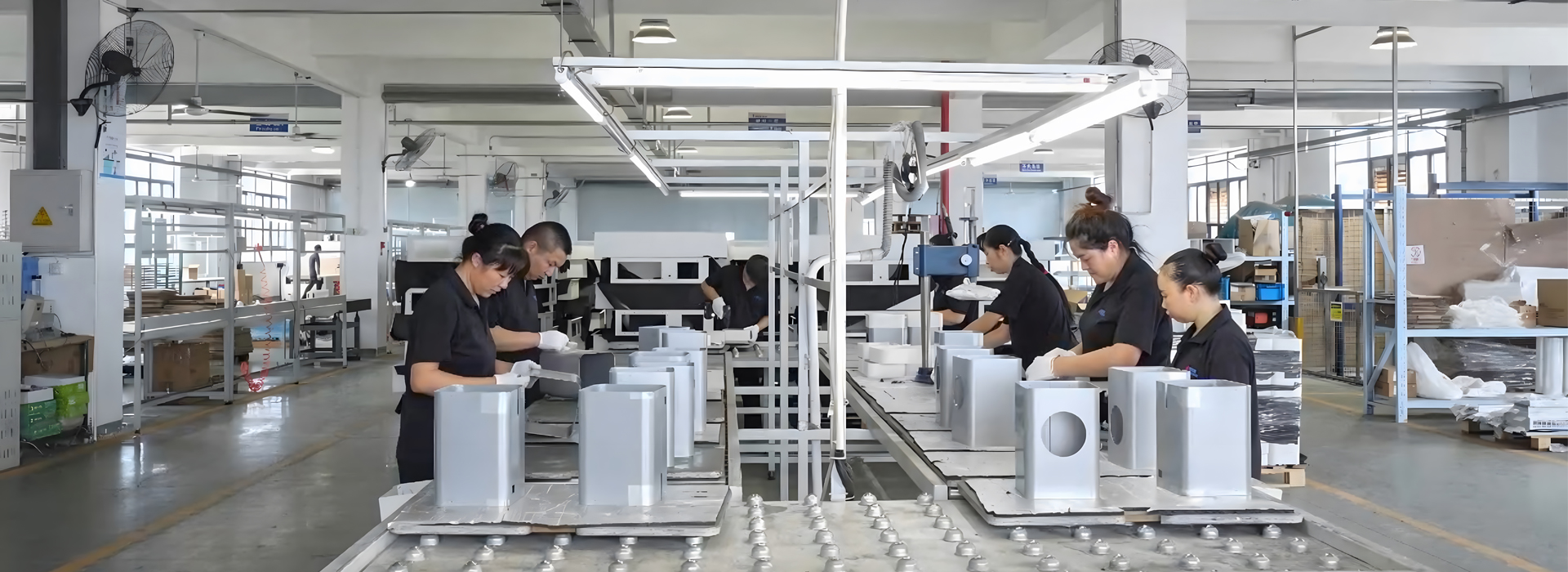
Electrical enclosures: Many electronic enclosure boxes on factory floors are made from galvanized steel sheet, not stainless steel. The cost difference is substantial, and for indoor industrial environments, galvanized is often sufficient.
Roofing and siding: Agricultural buildings, warehouses, and workshops.
Automotive body panels: The inner structure of car doors and hoods.
Street furniture: Bus shelters, sign posts, and traffic signal boxes.
In the world of stainless steel enclosure, galvanized serves as the economical alternative. Where stainless is over-specified—cleanrooms, food processing—galvanized handles the rest.
When Galvanized Is Not Enough
Despite its strengths, galvanized steel sheet has limits. It fails when:
The environment is persistently wet or contains chlorides (swimming pools, chemical plants).
The steel is in direct contact with dissimilar metals (copper, bare steel) in a wet environment.
The coating is damaged during fabrication and not repaired.
For these cases, upgrade to a stainless steel enclosure or specify galvanized steel sheet with an additional paint topcoat. A two-coat system—zinc plus paint—provides synergistic protection. The paint seals the zinc, and the zinc heals any paint scratches. This combination lasts 2-3 times longer than either alone.
Recycling and Sustainability
Galvanized steel sheet is fully recyclable. At the end of its life, steel scrap goes into an electric arc furnace. The zinc volatilizes and is captured in dust collection systems, then recycled into new zinc products. The recycling rate for galvanized steel exceeds 90% in most developed countries. This circular economy advantage makes galvanized steel sheet a preferred material for green building certifications like LEED.
The Future: Thinner, Stronger, Smarter
The galvanized steel sheet industry is not standing still. New high-strength steel substrates allow thinner gauges without losing structural capacity. Zinc-magnesium-aluminum alloy coatings (Zn-Mg-Al) offer 5-10x corrosion resistance compared to pure zinc. These advanced coatings are already appearing on galvanized steel sheet for automotive and solar mounting applications. Next-generation galvanized steel sheet will include self-healing coatings and embedded sensors for structural health monitoring.
Choosing the Right Product
Specifiers evaluating galvanized steel sheet should ask:
What is the expected service life? (10 years? 30 years? 50+ years?)
What is the environment? (Indoor, sheltered outdoor, or direct exposure?)
Will the part be painted? (If yes, electrogalvanized or minimal spangle hot-dip is better.)
What fabrication processes will be used? (Laser cutting is safest. Welding requires repair.)
For most indoor industrial applications, a standard hot-dip galvanized steel sheet with 20-30 microns of zinc is sufficient. For outdoor telecom or energy storage cabinets, specify 55-85 microns. For extreme coastal or chemical environments, upgrade to stainless steel or add a topcoat.
Conclusion
Galvanized steel sheet is the quiet workhorse of the metals world. It does not shine like stainless or weigh like copper, but it protects billions of dollars worth of equipment every year. Understanding the differences between hot-dip and electrogalvanized, the limits of zinc protection, and the best fabrication practices turns a simple sheet of galvanized steel sheet into a long-term solution. Whether you are building electrical enclosures, battery cabinets, or structural components, galvanized steel sheet offers the best balance of cost and corrosion resistance for most applications. Specify it wisely, fabricate it carefully, and it will outlast your expectations.