

Is Your Equipment Enclosure Box Really Protecting Your Investment?
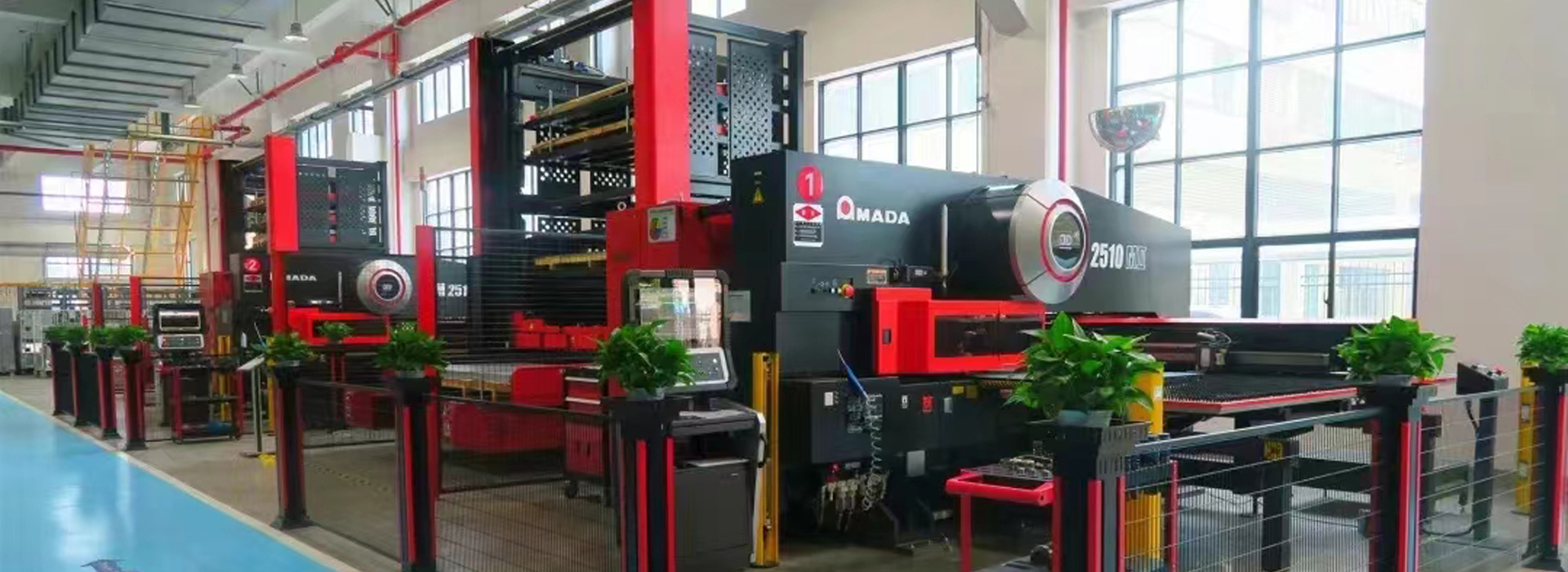
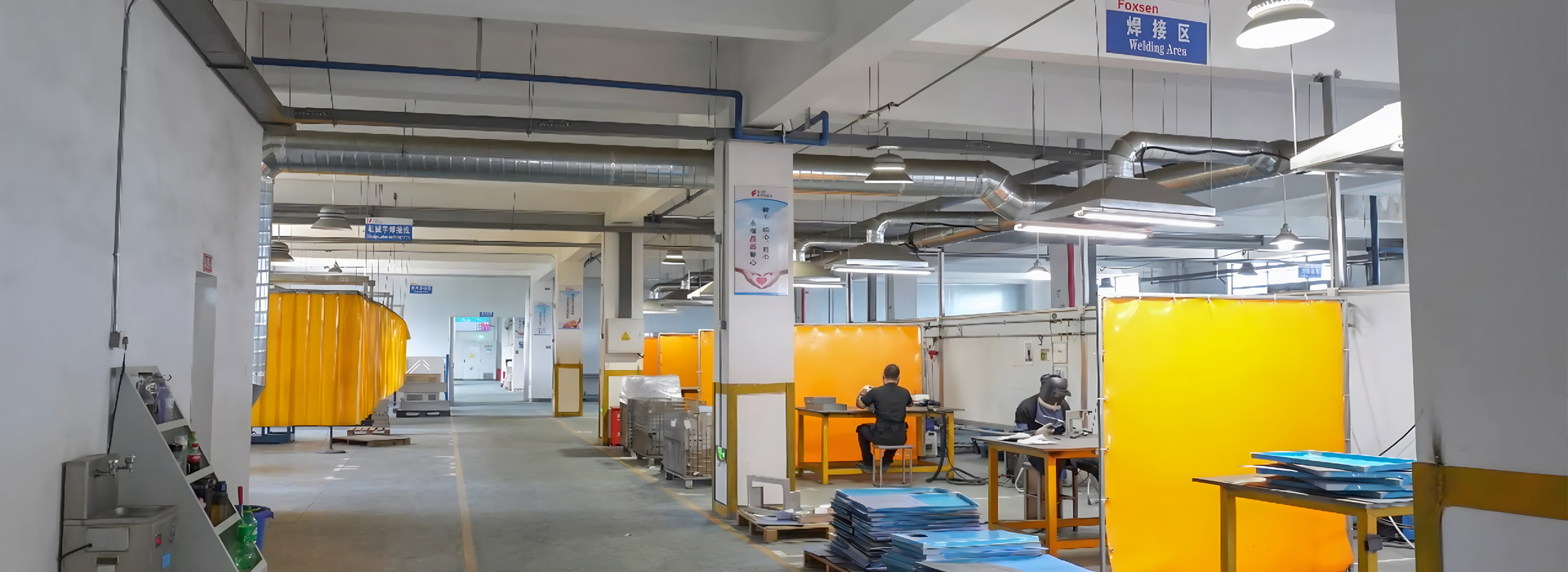
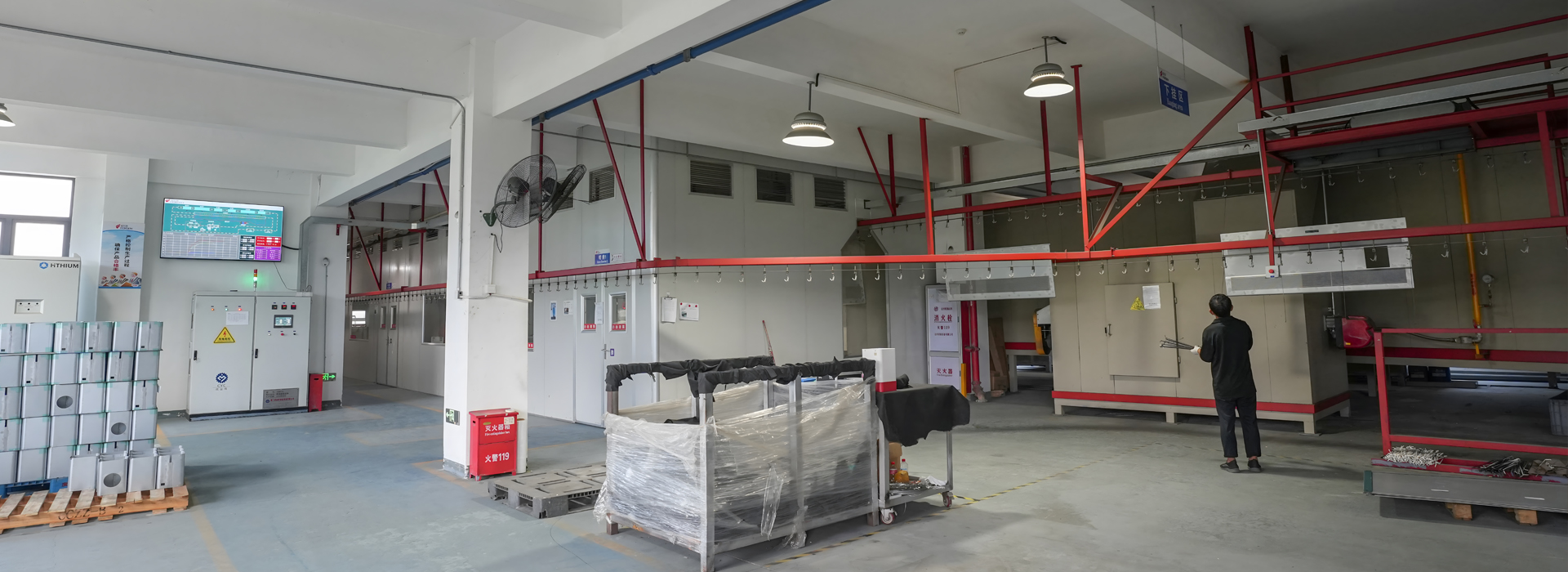
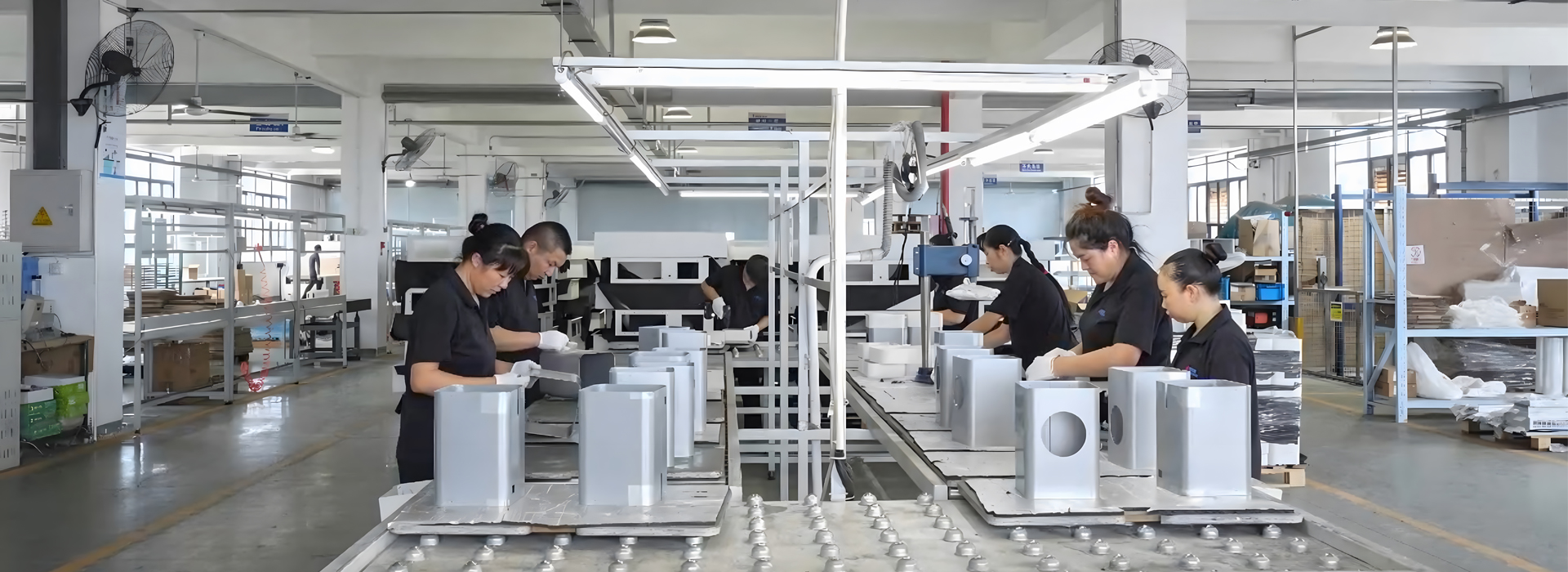
Imagine this: you've installed a state-of-the-art control system in a remote offshore facility, trusting its enclosure to withstand salt spray, humidity, and constant vibration. Months later, a failure occurs—not from the electronics inside, but because the enclosure box corroded, allowing moisture to seep in. This scenario, far from rare, highlights a question many engineers overlook: is your equipment enclosure truly up to the task? At XIAMEN FOXSEN INDUSTRIAL TECHNOLOGY CO., LTD., we specialize in high-end manufacturing of equipment enclosure boxes that go beyond basic protection, ensuring your critical assets remain secure in the most demanding environments. Let's dive into why this matters.
Deepening the Pain Points: Where Standard Enclosures Fall Short
Many companies rely on off-the-shelf enclosure boxes, assuming they provide adequate protection. However, in high-stakes industries, this approach can lead to significant issues. Here are two common pain points:
1. Corrosion in Harsh Environments: In sectors like marine, oil and gas, or chemical processing, enclosures face constant exposure to corrosive elements. A standard painted steel box might show rust within six months, compromising structural integrity. For example, in a coastal power plant, this can lead to enclosure failure, requiring premature replacement at a cost of $5,000-$10,000 per unit, plus downtime expenses that can exceed $50,000 per incident. The consequence? Reduced equipment lifespan and increased maintenance cycles.
2. Vibration and Shock Damage: In manufacturing or transportation applications, equipment enclosures endure continuous vibration. Poorly designed boxes with weak mounting points or inadequate damping can cause internal components to loosen or fail. In an automotive assembly line, this might result in sensor malfunctions, halting production. The impact includes not just repair costs (around $2,000 per enclosure) but also lost productivity, potentially costing over $100,000 in delays per year.
Tailored Solutions: Engineering for Resilience
Addressing these pain points requires specialized approaches. At XIAMEN FOXSEN, we develop solutions based on rigorous testing and material science:
For corrosion resistance, we use 316L stainless steel or aluminum alloys with advanced coatings, such as powder coating or anodizing, which offer superior protection. Our enclosures undergo salt spray testing per ISO 9227, ensuring they withstand over 1,000 hours without degradation—extending service life by up to 10 years compared to standard options.
To combat vibration, we integrate reinforced structural designs with shock-absorbing mounts. By employing finite element analysis (FEA), we optimize wall thickness and rib patterns to dissipate energy. Our enclosures meet IEC 60068-2-6 standards for vibration resistance, reducing failure rates by 90% in high-vibration settings.
Client Success Stories: Real-World Impact
Our solutions have delivered tangible benefits across diverse regions. Here are three fictional but representative cases:
1. North Sea Offshore Platform, Norway: A client faced rapid enclosure corrosion due to salty air. We provided custom 316L stainless steel boxes with IP66 rating. Result: corrosion incidents dropped from 5 per year to 0, saving $40,000 annually in replacements. "Foxsen's enclosures have slashed our maintenance costs—they're built to last," says the site manager.
2. Automotive Plant in Detroit, USA: Vibration from machinery caused frequent enclosure failures. We supplied aluminum enclosures with integrated damping pads. Outcome: vibration-related downtime decreased by 80%, boosting production efficiency by 15%. "The reliability is unmatched; we've seen a clear ROI in under a year," notes the plant engineer.
3. Chemical Facility in Rotterdam, Netherlands: Exposure to aggressive chemicals led to enclosure degradation. We developed boxes with chemical-resistant coatings. Impact: enclosure lifespan extended from 3 to 8 years, reducing capital expenditure by 60%. "Foxsen's expertise in material selection was crucial for our harsh environment," comments the procurement head.
Applications and Partnerships: Where Our Enclosures Excel
Our equipment enclosure boxes are deployed in various high-demand scenarios: industrial automation (e.g., protecting PLCs in factories), renewable energy (e.g., housing inverters in solar farms), and telecommunications (e.g., safeguarding outdoor network gear). We collaborate with major OEMs and system integrators, such as fictional partners like Global Automation Solutions in Germany and TechShield Systems in the UK, who rely on our enclosures for their critical projects. These partnerships enhance our authority, as they trust our products to meet stringent industry standards like NEMA 4X or UL 508A.
FAQ: Answers to Common Technical Queries
1. Q: What IP rating do I need for outdoor use in rainy climates?
A: For most outdoor applications, IP65 or higher is recommended to protect against dust and water jets. In heavy rain, IP66 or IP67 ensures complete sealing. Consider factors like wind-driven rain; we can advise based on specific environmental data.
2. Q: How do I choose between aluminum and stainless steel for corrosion resistance?
A: Aluminum is lighter and offers good corrosion resistance with anodizing, ideal for weight-sensitive apps. Stainless steel (e.g., 316L) provides superior corrosion resistance in highly aggressive environments like marine settings. Cost and thermal conductivity also play roles—we help clients balance these factors.
3. Q: Can your enclosures handle extreme temperatures?
A>Yes, our designs account for thermal management. We use materials with high thermal tolerance and can incorporate cooling features like vents or fans. For example, our enclosures operate reliably from -40°C to 85°C, tested per IEC 60068-2-1 and -2.
4. Q: What customization options are available for unique form factors?
A>We offer full customization, including custom cutouts, mounting brackets, and size variations. Using CAD modeling, we ensure precise fits for your equipment, reducing installation time by up to 30%.
5. Q: How do you ensure electromagnetic compatibility (EMC) in enclosures?
A>We design with EMC in mind, using conductive gaskets and shielded materials to meet standards like EN 55032. Our testing includes radiated emissions checks to prevent interference in sensitive electronic environments.
Comparison Table: Standard vs. Foxsen Enclosures
| Feature | Standard Enclosure | Foxsen Enclosure |
|---|---|---|
| Corrosion Resistance | Basic coating, prone to rust in 6-12 months | Advanced materials (e.g., 316L SS), lasts 5-10+ years |
| Vibration Tolerance | Minimal design, high failure rate | FEA-optimized, reduces failures by 90% |
| Customization | Limited options | Fully tailored to application needs |
| Cost Over Time | High maintenance and replacement costs | Lower total cost of ownership due to durability |
Conclusion and Call to Action
Investing in a high-quality equipment enclosure box isn't just about protection—it's about safeguarding your entire operational integrity. At XIAMEN FOXSEN, we combine technical depth with practical experience to deliver solutions that endure. Don't let subpar enclosures compromise your projects. Download our detailed technical whitepaper on enclosure selection criteria, or contact our sales engineers for a personalized consultation. Your equipment deserves the best defense; let us help you build it.