

Imagine this: you’ve just commissioned a new outdoor industrial facility, and within months, your electrical panels start showing signs of rust, moisture ingress, or even unexpected shutdowns during peak operations. It’s not just an inconvenience—it’s a costly disruption that questions the very reliability of your infrastructure. In today’s fast-paced industrial landscape, is your outdoor electrical panel enclosure truly built to withstand the elements and evolving technological demands? This isn’t just about housing components; it’s about ensuring uninterrupted power, safety, and efficiency in harsh environments. Let’s dive into why many enclosures fall short and how advanced solutions can make all the difference.
Pain Points in Outdoor Enclosure Performance
Outdoor electrical panel enclosures face unique challenges that indoor units rarely encounter. Here are two critical pain points that plague industries worldwide, often leading to significant operational and financial setbacks.
Pain Point 1: Corrosion and Environmental Degradation
In coastal areas or regions with high humidity, standard enclosures made from materials like mild steel or low-grade aluminum can corrode rapidly. For example, a manufacturing plant in Florida might see its enclosures develop rust within a year due to salt-laden air. This isn’t merely cosmetic—corrosion compromises structural integrity, leading to panel failures, electrical shorts, and increased maintenance costs. A single corrosion-related outage can cost upwards of $50,000 in lost production and repairs, not to mention safety risks from exposed wiring.
Pain Point 2: Overheating and Thermal Management Issues
As industrial processes become more automated, electrical panels house denser components that generate excess heat. In outdoor settings, direct sunlight can exacerbate this, causing temperatures inside enclosures to soar beyond safe limits. A solar farm in Arizona, for instance, might experience panel overheating during summer, triggering thermal shutdowns and reducing energy output by 15-20%. This leads to inefficient cooling solutions, higher energy consumption for fans or air conditioning, and premature component failure, with replacement costs averaging $10,000 per incident.
Advanced Solutions from XIAMEN FOXSEN INDUSTRIAL TECHNOLOGY CO.,LTD.
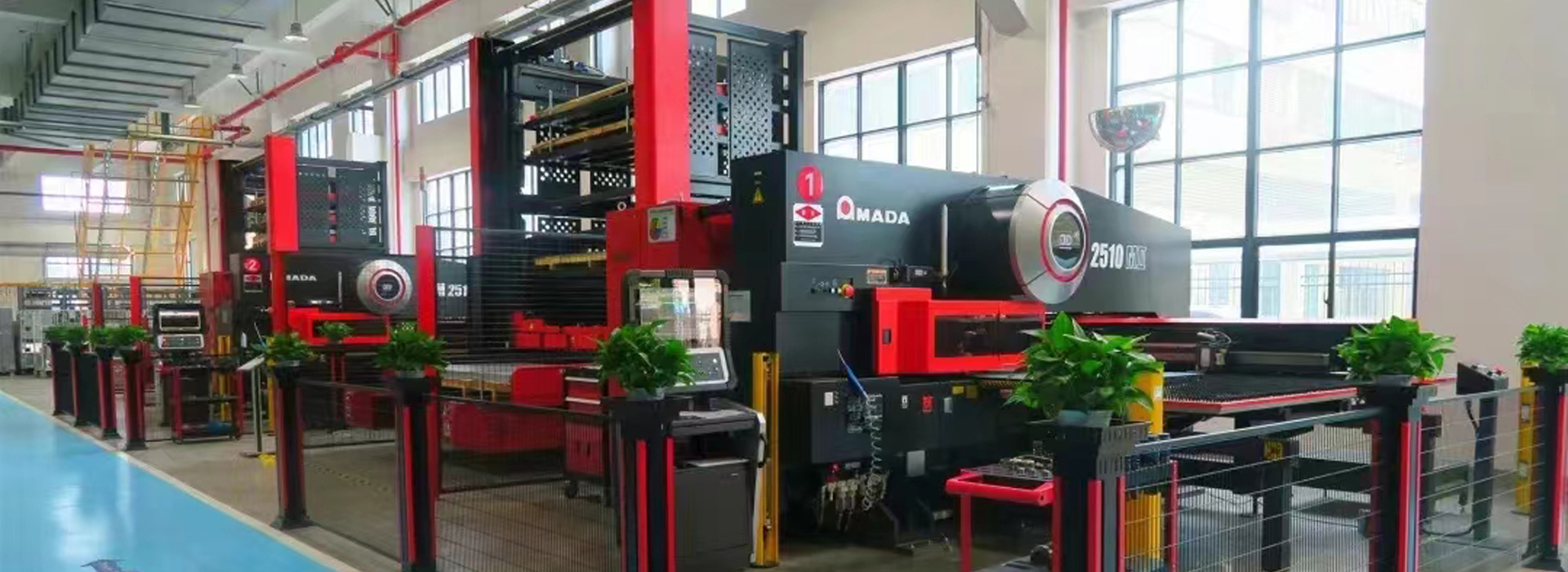
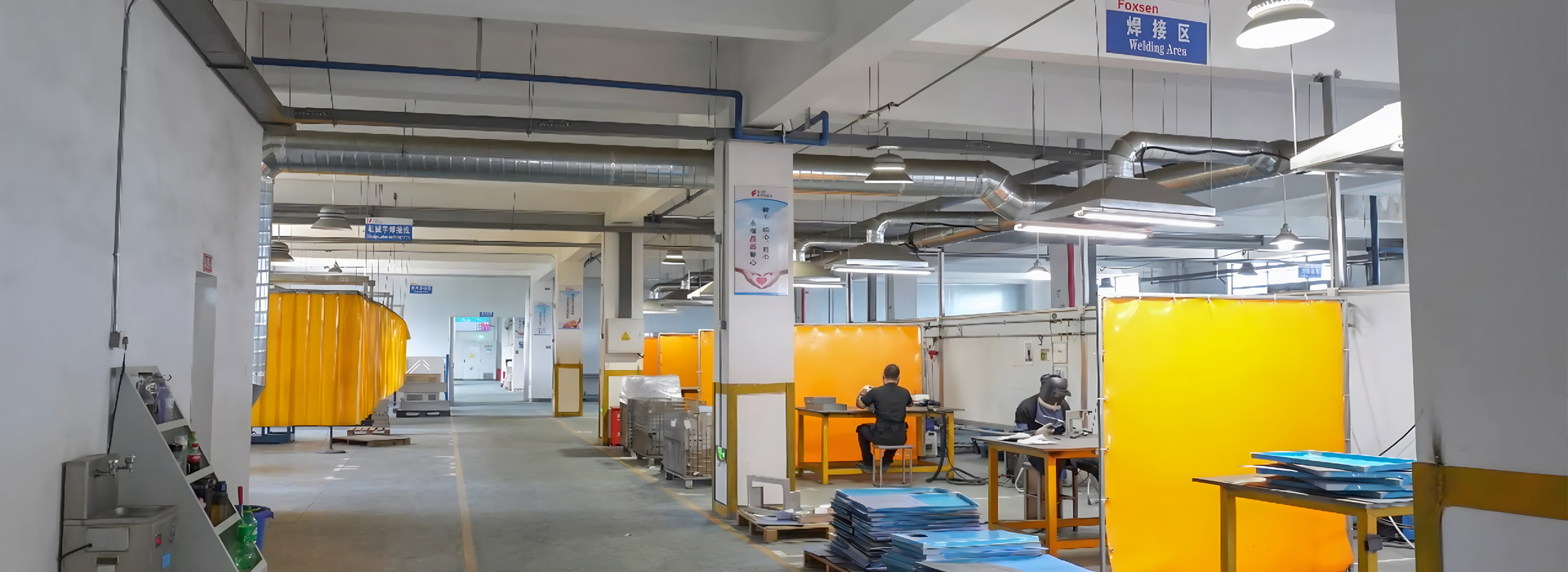
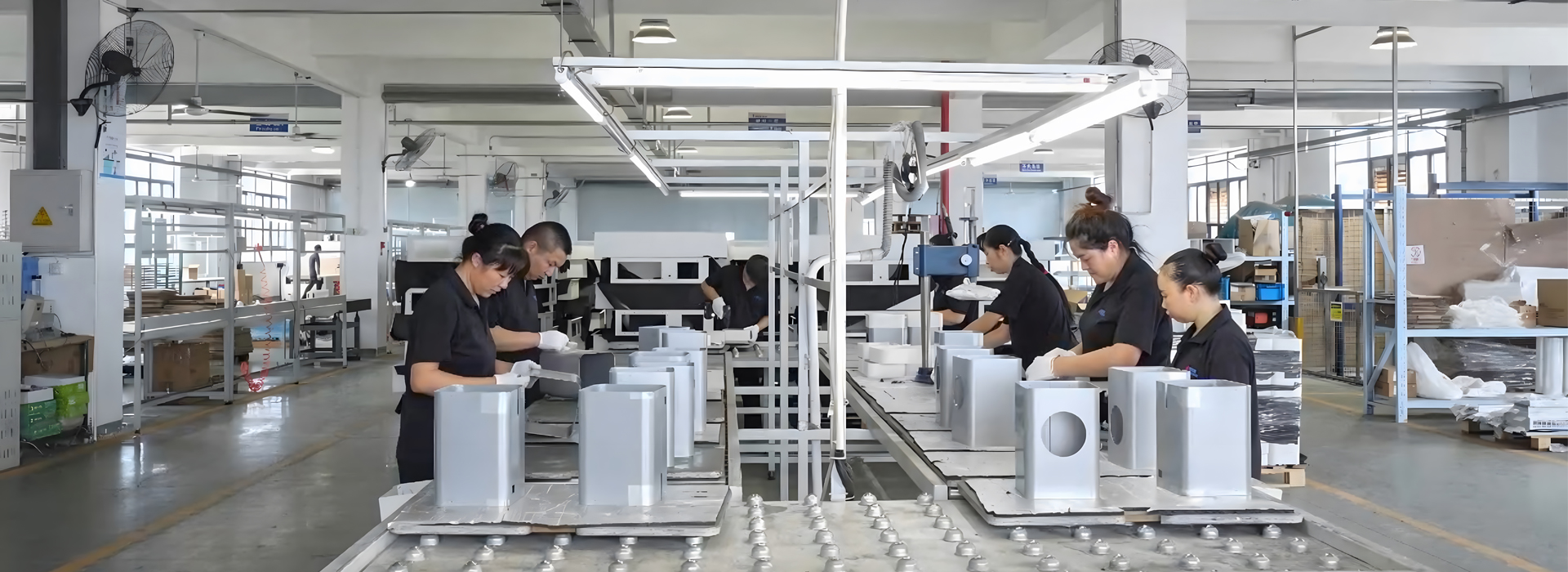
At XIAMEN FOXSEN INDUSTRIAL TECHNOLOGY CO.,LTD., we specialize in high-end manufacturing of outdoor electrical panel enclosures that address these pain points head-on. Our solutions are designed not just to meet standards but to exceed them, ensuring longevity and performance in the toughest conditions.
Solution for Corrosion: Premium Materials and Coatings
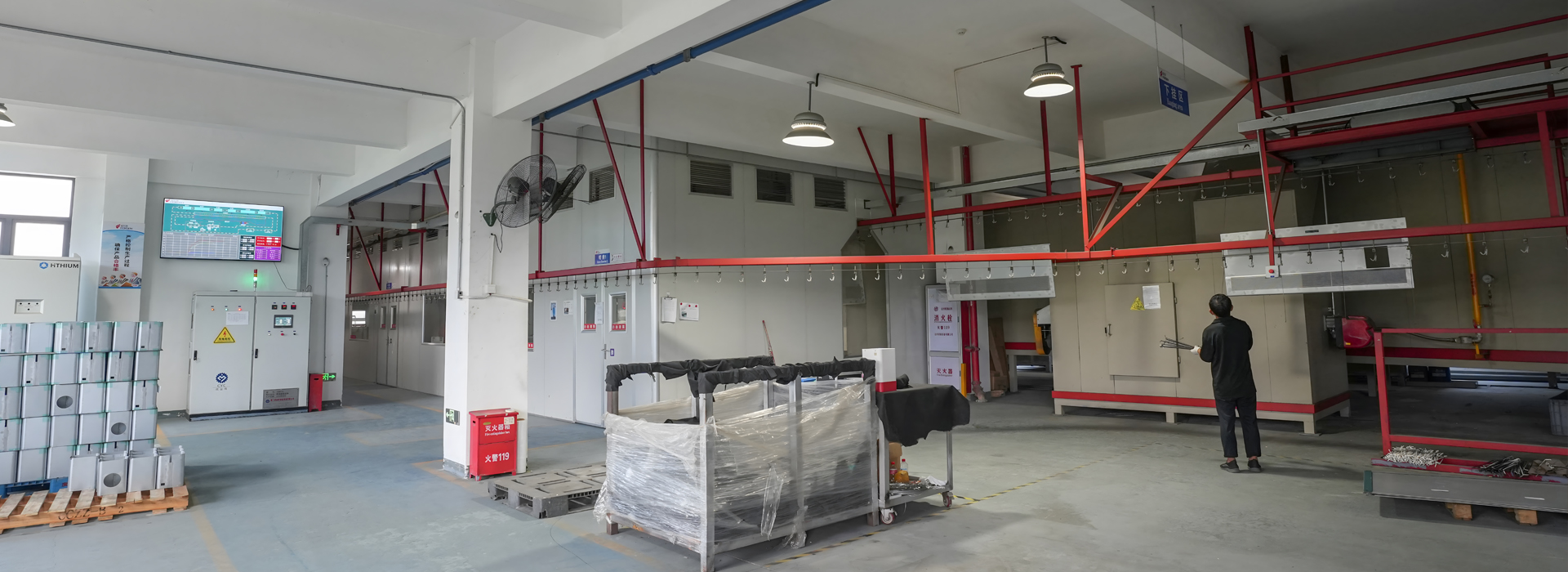
We use 316L stainless steel or marine-grade aluminum alloys, combined with multi-layer powder coatings that resist UV rays, chemicals, and moisture. Our enclosures are tested to IP66 and NEMA 4X ratings, ensuring complete protection against dust and water ingress. By investing in these materials, clients can extend enclosure lifespans by up to 20 years, reducing total cost of ownership through minimized maintenance and replacements.
Solution for Overheating: Integrated Thermal Management Systems
Our enclosures feature passive cooling designs with heat sinks and ventilation louvers, plus optional active systems like thermostatically controlled fans or air conditioners. We incorporate thermal simulation during design to optimize airflow, keeping internal temperatures within safe ranges even in ambient conditions up to 50°C (122°F). This enhances component reliability and energy efficiency, with documented reductions in cooling energy use by 30%.
Client Success Stories: Real-World Impact
Our clients span diverse industries and regions, each benefiting from tailored enclosure solutions. Here are three detailed cases that highlight tangible improvements.
Case 1: Offshore Wind Farm in the North Sea, UK
A major energy company faced frequent enclosure failures due to salt spray and high winds. After switching to our corrosion-resistant enclosures, they reported a 90% reduction in maintenance incidents over two years. Downtime decreased by 200 hours annually, boosting energy production by 5%. “These enclosures have withstood brutal conditions without a hitch, saving us millions in operational costs.” – Project Manager, Energy Sector.
Case 2: Automotive Plant in Michigan, USA
Overheating in outdoor control panels caused intermittent shutdowns, affecting assembly line efficiency. Our thermal-managed enclosures stabilized internal temperatures, leading to a 25% increase in uptime and a 15% drop in cooling-related energy bills. “The reliability improvement has been game-changing for our production schedules.” – Plant Engineer, Automotive Industry.
Case 3: Mining Operation in Western Australia
Dust and extreme temperatures challenged existing enclosures. Our IP67-rated, heat-resistant models reduced component failures by 70% and cut replacement costs by $80,000 per year. “Durability in such harsh environments is unparalleled.” – Site Manager, Mining Sector.
Applications and Strategic Partnerships
Our enclosures are deployed across critical applications, from renewable energy sites and industrial automation to telecommunications and infrastructure projects. We collaborate with global procurement leaders like Siemens and ABB, supplying custom enclosures that integrate seamlessly with their systems. These partnerships underscore our authority in the field, with joint R&D efforts driving innovations in materials and smart monitoring features.
FAQ: Answers for Engineers and Procurement Managers
Based on common inquiries from professionals, here are five questions with in-depth technical responses.
Q1: How do your enclosures compare to standard NEMA 4X ratings?
Our enclosures exceed NEMA 4X by incorporating additional tests for UV resistance and chemical exposure, using materials like 316L stainless steel that offer superior corrosion protection in marine or industrial atmospheres.
Q2: What thermal management options are available for high-heat environments?
We offer a range from passive solutions (e.g., optimized venting) to active systems like fan-and-filter units or air conditioners, with thermal modeling to ensure compatibility with specific heat loads up to 2000W.
Q3: Can enclosures be customized for unusual sizes or mounting requirements?
Yes, we provide full customization, including non-standard dimensions, pre-drilled mounting holes, and integrated cable glands, with lead times as short as 4 weeks for prototypes.
Q4: What certifications do your products hold?
Our enclosures are certified to IEC 60529, UL 50E, and ISO 12944 for corrosion protection, with optional ATEX ratings for hazardous areas.
Q5: How do you ensure long-term durability in coastal regions?
We use salt spray testing per ASTM B117, with coatings rated for over 3000 hours of resistance, and design features like drainage channels to prevent moisture accumulation.
Conclusion and Call to Action
In summary, a future-proof outdoor electrical panel enclosure is more than a protective shell—it’s a strategic investment in reliability, safety, and efficiency. By addressing core pain points with advanced materials and thermal solutions, XIAMEN FOXSEN INDUSTRIAL TECHNOLOGY CO.,LTD. helps industries thrive in challenging environments. Don’t let subpar enclosures compromise your operations. For a deeper dive into our technical specifications and case studies, download our comprehensive white paper on enclosure design best practices, or contact our sales engineers for a personalized consultation. Together, we can build enclosures that stand the test of time and technology.