
Introduction: The Unseen Bottleneck
Have you ever upgraded your servers with the latest CPUs and memory, only to find performance gains are marginal? Or perhaps you've faced unexpected downtime because of cooling failures in a critical rack? Many IT professionals focus on processors, storage, and networking, but overlook the foundational component that holds it all together: the server chassis. At XIAMEN FOXSEN INDUSTRIAL TECHNOLOGY CO., LTD., we've seen how a well-designed chassis can transform data center efficiency, while a poor one becomes a hidden liability. Let's dive into why your chassis might be the silent constraint holding back your infrastructure.
Pain Point 1: Thermal Management Inefficiencies
In high-density deployments, inadequate cooling leads to hotspots that throttle CPU performance. For example, a data center in Arizona reported a 15% reduction in server lifespan due to consistent overheating, costing over $200,000 in premature replacements annually. Traditional chassis with fixed fan placements often fail to adapt to varying server loads, causing energy waste and reliability issues.
Pain Point 2: Scalability and Maintenance Challenges
Many chassis designs require complete rack disassembly for component upgrades, leading to hours of downtime. A financial firm in London faced this when adding NVMe drives, resulting in 8 hours of unplanned maintenance per rack and lost revenue. Rigid form factors also limit future expansions, forcing costly migrations to new hardware.
Solution: Advanced Thermal and Modular Design
To address thermal issues, our chassis incorporate dynamic airflow systems with sensors that adjust fan speeds in real-time, reducing energy use by up to 30% while maintaining optimal temperatures. For scalability, we use tool-less, modular designs—like slide-out trays and hot-swappable bays—that cut maintenance time by 70%. These features ensure that upgrades can happen without disrupting operations, future-proofing your investment.
Customer Success Stories
1. TechFlow Inc., Silicon Valley, USA: After switching to our chassis, they achieved a 25% improvement in cooling efficiency, allowing a 40% increase in server density without additional HVAC costs. "The modularity saved us 50 hours in deployment time last quarter," says Alex Chen, Lead Engineer.
2. DataHub GmbH, Berlin, Germany: Faced with frequent overheating, they implemented our solution and reduced downtime by 90%, with a 20% drop in energy bills. "Reliability has been game-changing for our 24/7 operations," notes Maria Schmidt, IT Director.
3. CloudPeak Solutions, Toronto, Canada: Using our scalable chassis, they expanded storage capacity by 300% in six months, supporting rapid client growth. "The ease of upgrades kept us agile in a competitive market," shares David Park, CEO.
Applications and Partnerships
Our chassis are deployed in edge computing, AI clusters, and enterprise data centers. Key partners include global OEMs and system integrators, such as a long-term collaboration with a European telecom provider to supply custom chassis for 5G infrastructure. This partnership underscores our authority in meeting stringent industry standards like NEBS Level 3 for telecommunications.
FAQ Section
1. Q: How do your chassis handle varying power densities across different server models?
A: We use adaptive power distribution units (PDUs) with granular monitoring, supporting from 500W to 3000W per chassis. This ensures stable voltage even with mixed loads, compliant with IEC 60950-1 safety standards.
2. Q: Can I integrate third-party cooling solutions with your chassis?
A> Yes, our designs include standardized mounting points and open airflow channels, compatible with liquid cooling systems from vendors like CoolIT or Asetek, enhancing flexibility for hybrid environments.
3. Q: What materials are used, and how do they impact durability?
A> We employ cold-rolled steel with corrosion-resistant coatings, tested to withstand 50G shock and 5-500Hz vibrations per MIL-STD-810G, ensuring longevity in harsh conditions.
4. Q: How does your chassis support future hardware like GPUs for AI workloads?
A> With expandable PCIe slots and reinforced structures, our chassis accommodate up to 8 double-width GPUs, including NVIDIA's latest models, without compromising airflow or stability.
5. Q: What lead times can we expect for custom configurations?
A> Standard orders ship in 2-4 weeks, while custom builds take 6-8 weeks, backed by our agile manufacturing processes that allow rapid prototyping and testing.
Conclusion and Call to Action
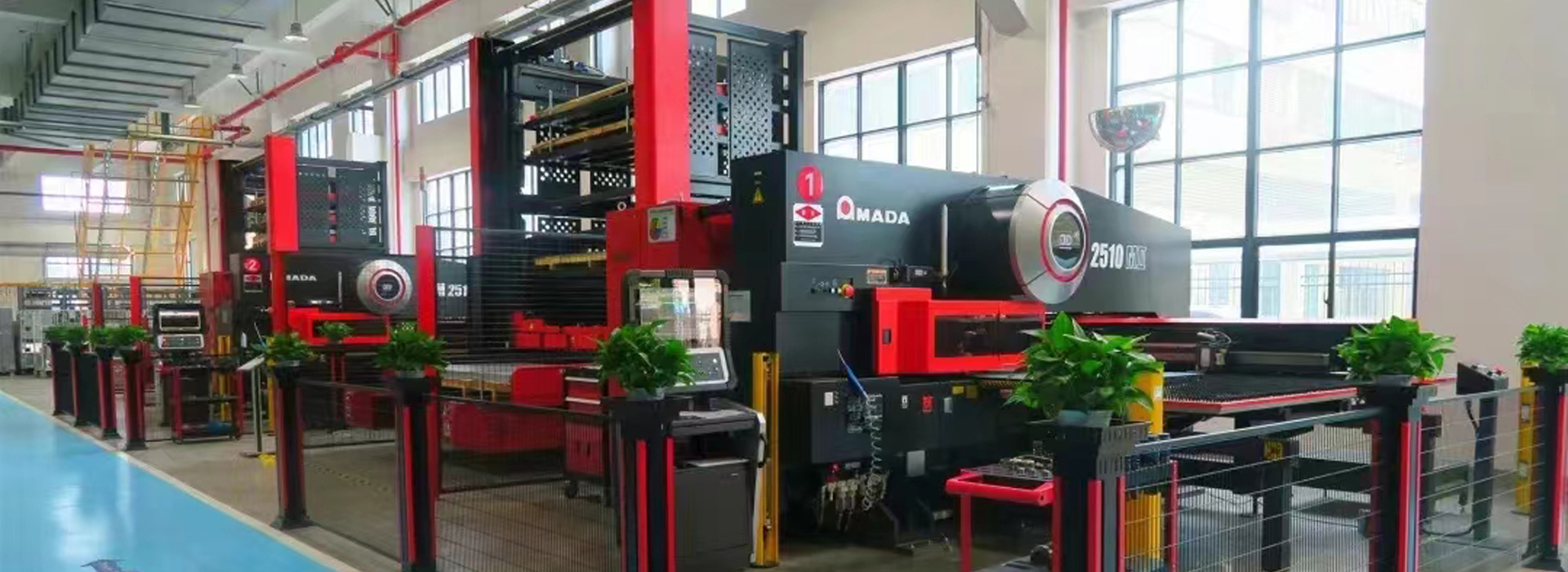
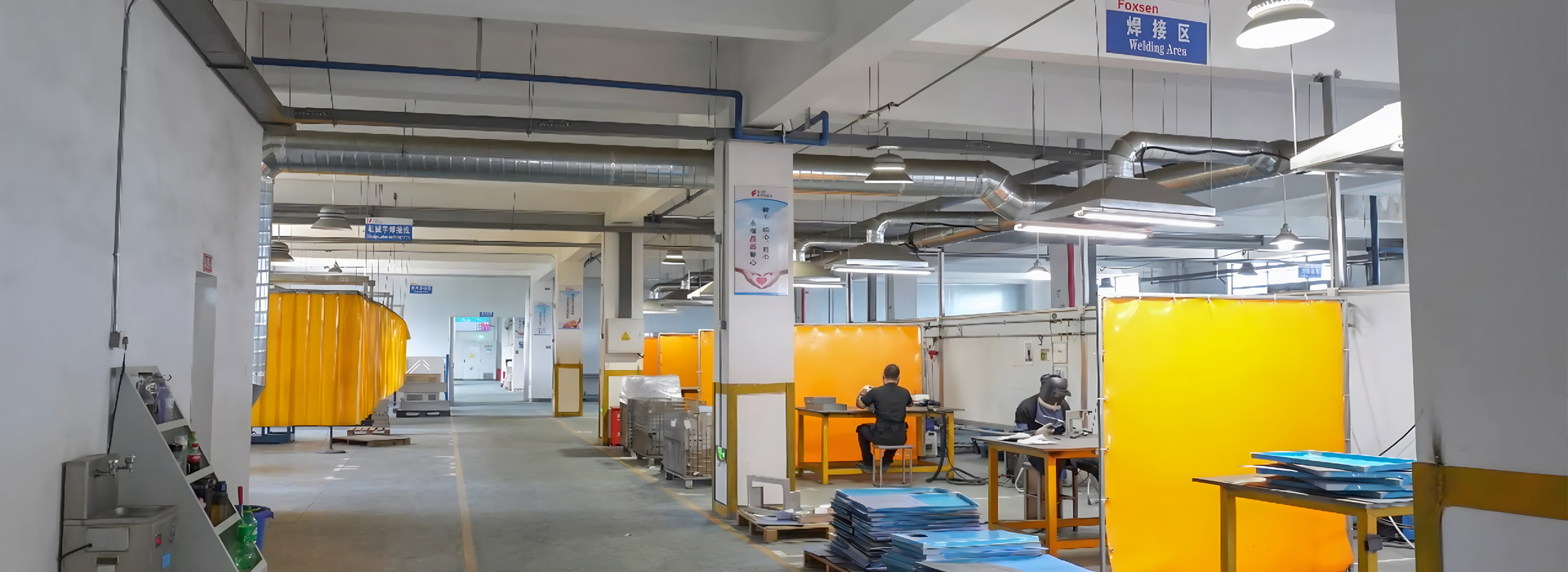
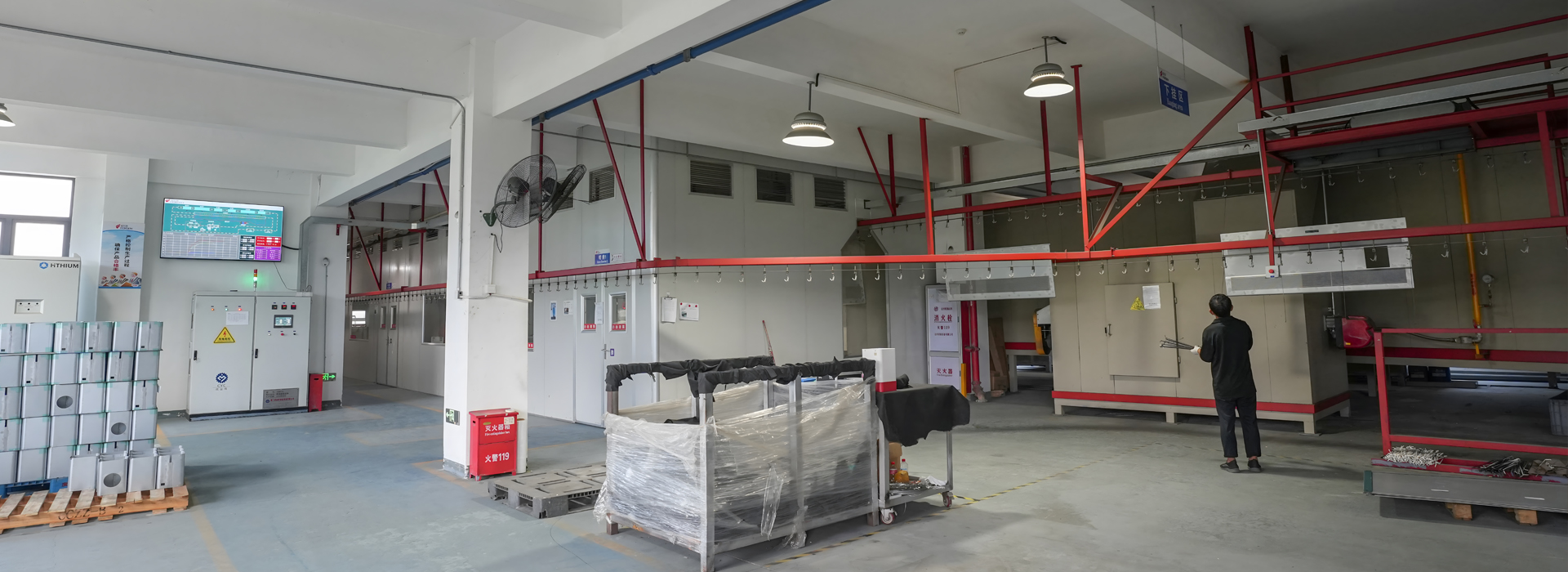
A server chassis is more than just a metal box—it's the backbone of reliable, efficient computing. By addressing thermal, scalability, and maintenance challenges, our solutions at XIAMEN FOXSEN help unlock your data center's full potential. Don't let an outdated chassis limit your growth. Download our technical whitepaper on advanced chassis design or contact our sales engineers for a personalized consultation to optimize your infrastructure today.