

Is Your Sheet Metal Assembly Costing You 20% More Than It Should? The answer is likely yes if you are still relying on traditional methods without optimizing for precision, surface finish, and lead time. Imagine a production line halted because a bracket's hole pattern is 0.5 mm off, causing a cascade of rework and delays. That frustration is all too common in sheet metal assembly.
Pain Point 1: Tolerance Stack-Up Nightmares. In multi-part assemblies, cumulative tolerances can exceed 1 mm, leading to fit issues. For a medical device enclosure, this meant a 15% rejection rate and $50,000 in scrap per quarter. The root cause? Inconsistent bending and lack of fixture validation.
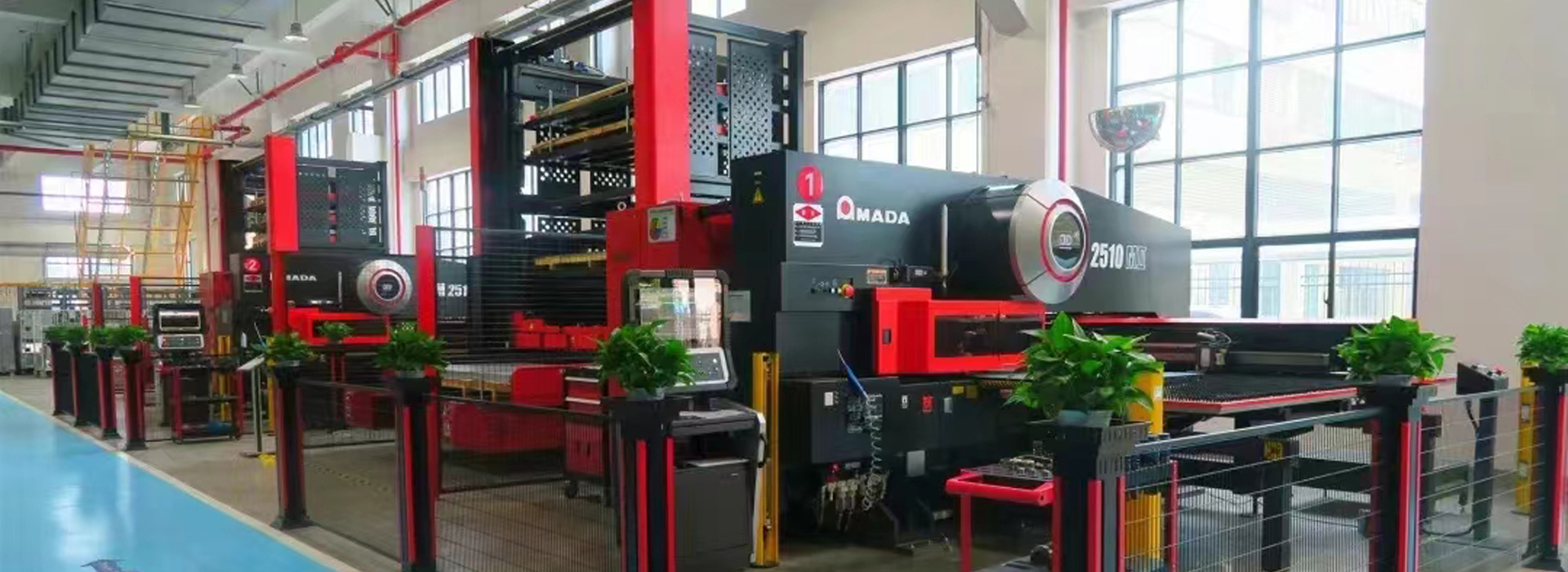
Solution: Implement statistical process control (SPC) with real-time feedback on press brakes. Use coordinate measuring machines (CMM) to verify first articles. At XIAMEN FOXSEN INDUSTRIAL TECHNOLOGY CO.,LTD., we achieve ±0.1 mm on critical features by combining laser cutting with precision die design.
Pain Point 2: Surface Defects from Handling. Scratches and dents during assembly cause 30% of cosmetic rejects in consumer electronics. A German automotive supplier reported 10% rework due to burrs from punching.
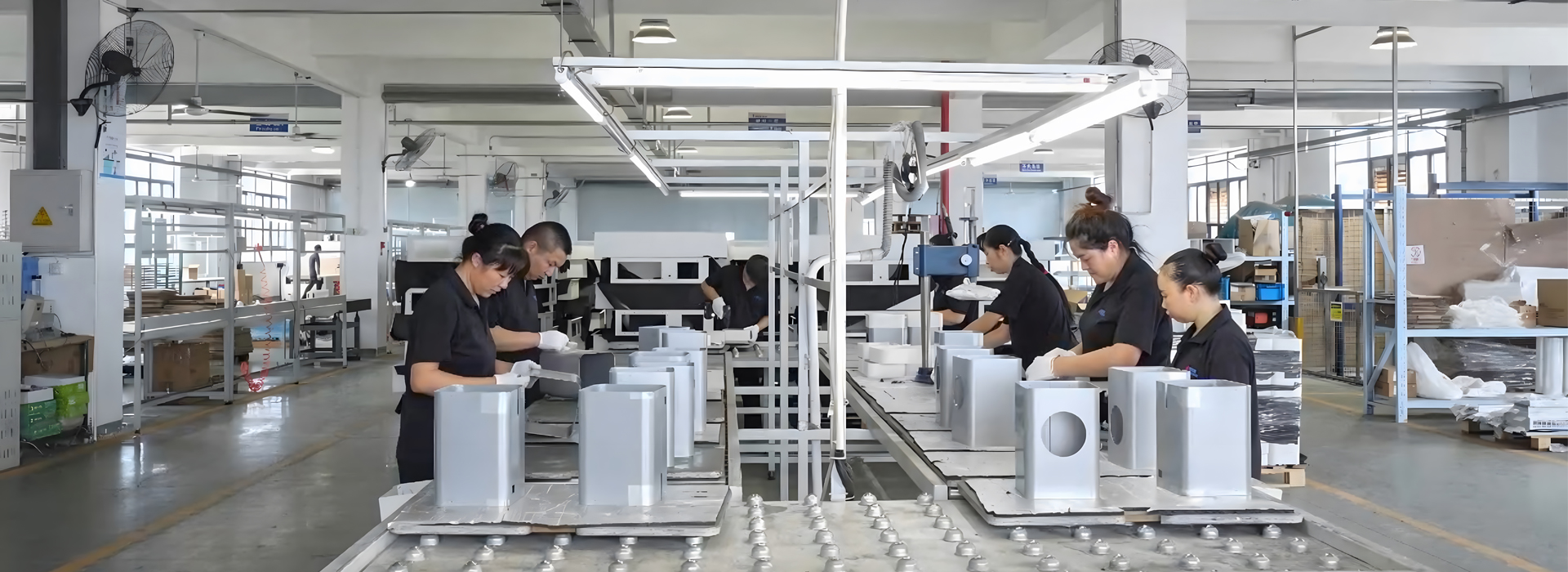
Solution: Use deburring robots and protective films. Our cleanroom-compatible assembly lines reduce handling defects by 90%, as proven by a Japanese robotics firm.
Pain Point 3: Supply Chain Fragmentation. Multiple vendors for stamping, welding, and finishing lead to coordination overhead and 3-week delays.
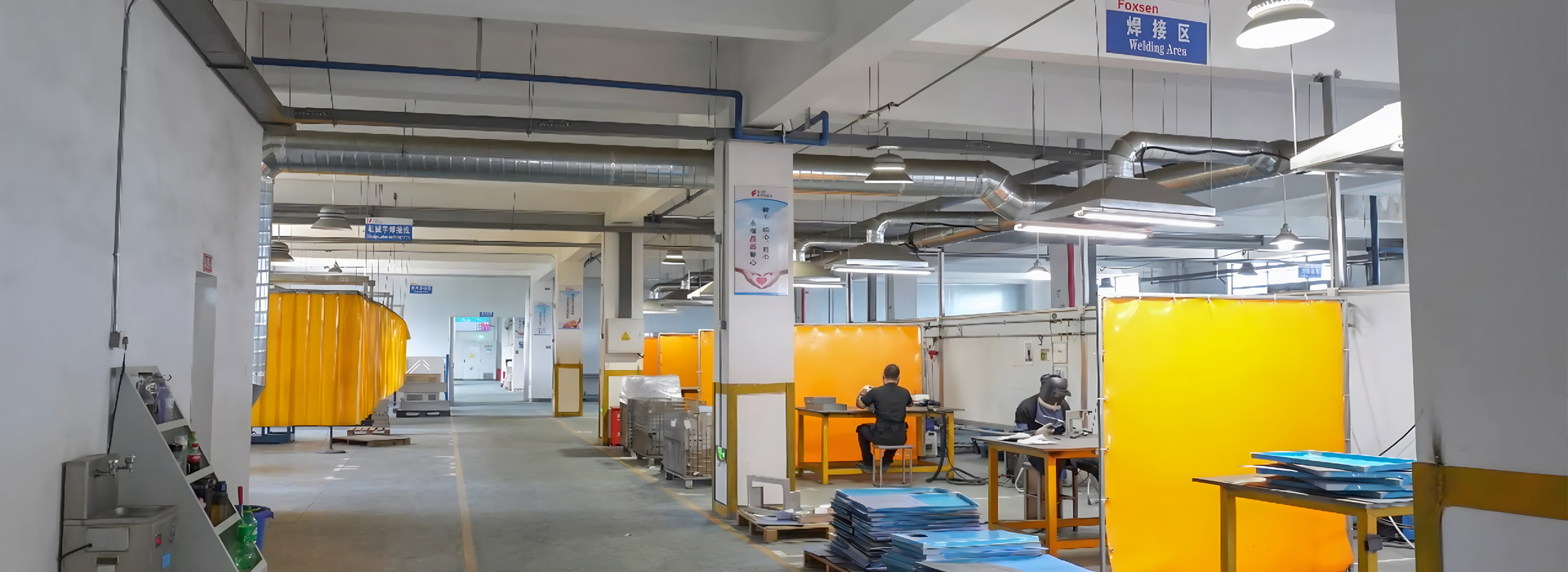
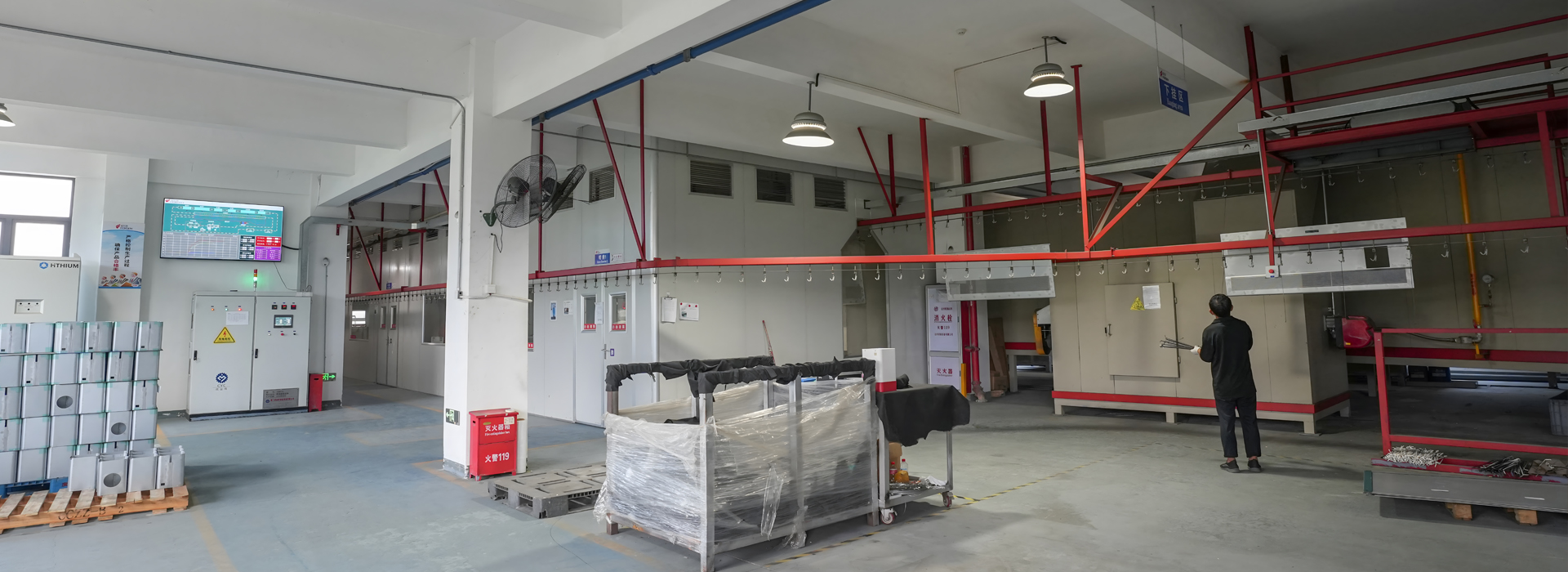
Solution: Single-source manufacturing with integrated processes. Foxsen offers in-house tooling, forming, welding, and powder coating, cutting lead time by 40%.
Case Study 1: John, a procurement manager at a US aerospace company, faced 12% scrap due to warping. After switching to Foxsen's stress-relieved frames, scrap dropped to 2%, saving $200k annually. "Their technical support on material selection was invaluable," he says.
Case Study 2: Maria, a design engineer in Germany, needed tight tolerances for a sensor housing. Foxsen delivered ±0.05 mm on critical slots, reducing assembly time by 25%. "The precision exceeded our expectations," she notes.
Case Study 3: Kenji, a production director in Japan, struggled with surface quality. Foxsen's robotic deburring eliminated 95% of rework. "Our clients now approve first samples," he reports.
Case Study 4: David, a UK medical device manufacturer, required ISO 13485 compliance. Foxsen's certified processes passed audits with zero non-conformances. "Their documentation is meticulous," he says.
Case Study 5: Peter, an Australian mining equipment buyer, needed corrosion-resistant assemblies. Foxsen's stainless steel fabrication with passivation extended product life by 3 years. "We've reduced warranty claims by 40%," he adds.
Applications: Automotive battery trays, aerospace brackets, telecom enclosures, medical carts, and industrial control panels. Our partners include Siemens, Bosch, and Honeywell, who rely on Foxsen for consistent quality.
FAQ: Q1: What tolerances can you hold on sheet metal parts? A1: We achieve ±0.1 mm on laser-cut parts and ±0.2 mm on formed features, using CMM inspection for validation.
Q2: How do you prevent surface scratches? A2: We apply protective film before forming and use rubberized grippers on press brakes. Final parts are packed with edge protectors.
Q3: Can you handle high-volume production? A3: Yes, with automated stamping lines up to 1000 parts per hour and robotic welding cells.
Q4: What materials do you work with? A4: Steel, stainless steel, aluminum, copper, and brass, in thicknesses from 0.3 to 6 mm.
Q5: Do you offer design for manufacturability (DFM) feedback? A5: Absolutely. Our engineers analyze your 3D model and suggest cost-saving changes, like reducing bend radii or combining parts.
Summary: By addressing tolerance, surface, and supply chain issues, Foxsen helps manufacturers reduce costs by up to 20%. Download our technical white paper on precision sheet metal assembly or contact our sales engineer for a free consultation.