

Imagine you’re in a manufacturing plant, overseeing a production line where sheet metal components are being bent for a critical aerospace application. The operator adjusts the machine, runs a test piece, and finds a slight deviation—just 0.5 mm off spec. That tiny error might seem negligible, but it cascades into rework, delays, and wasted material. If you’ve faced scenarios like this, you’re not alone. In today’s high-stakes manufacturing world, inefficiencies in sheet metal bending can quietly drain resources and compromise quality. This blog dives into the core challenges and solutions, helping you optimize your processes for better outcomes.
Pain Points: Where Bending Processes Fall Short
Many manufacturers grapple with hidden costs and operational hurdles in sheet metal bending. Let’s break down two key pain points:
First, material waste and inconsistency. In industries like automotive or electronics, even minor errors in bend angles or dimensions can lead to scrap rates of 5-10%. For example, a European automotive supplier producing 10,000 parts monthly might waste 500-1,000 units due to imprecise bends, costing over €50,000 annually in raw materials alone. This doesn’t account for the environmental impact or storage issues from excess scrap.
Second, downtime and maintenance challenges. Traditional bending machines often require frequent calibration and manual adjustments, leading to unplanned downtime. A study in North American manufacturing shows that average downtime per machine can reach 15-20 hours monthly, translating to lost production worth thousands of dollars. In high-volume settings, this disrupts supply chains and erodes profitability.
Solutions: Precision and Efficiency Redefined
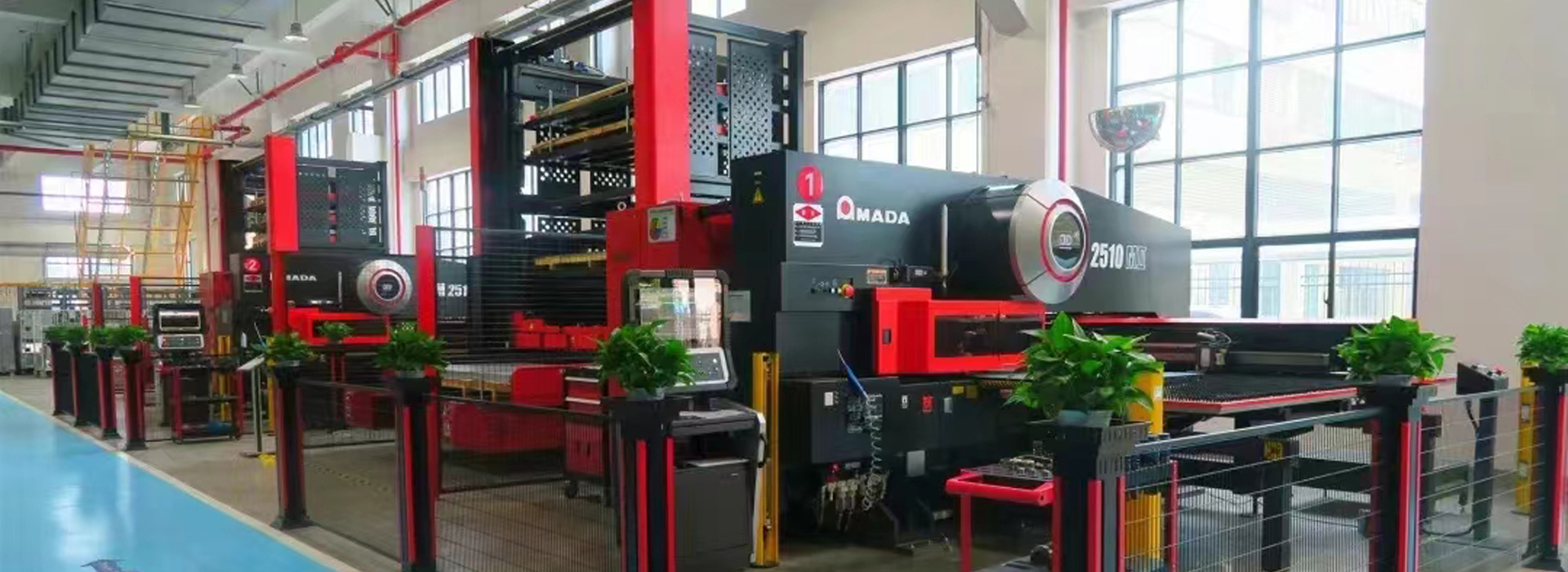
Addressing these pain points requires advanced techniques and technology. For material waste, implementing CNC-controlled bending with real-time feedback systems can reduce deviations to under 0.1 mm. By using servo-electric presses and automated tooling, manufacturers achieve consistent bends without human error, cutting scrap rates to below 2%.
To combat downtime, predictive maintenance and modular designs offer a proactive approach. Integrating IoT sensors monitors machine health, alerting teams to issues before failures occur. For instance, XIAMEN FOXSEN INDUSTRIAL TECHNOLOGY CO.,LTD. employs smart systems that schedule maintenance during low-production periods, slashing downtime by up to 30%.
Customer Cases: Real-World Success Stories
Here are three fictional but detailed examples of companies benefiting from optimized bending solutions:
1. TechFab GmbH, Berlin, Germany: This electronics enclosure manufacturer struggled with a 8% scrap rate due to inconsistent bends. After adopting FOXSEN’s servo-electric benders, they reduced waste to 1.5% and increased throughput by 25% within six months. “The precision is unmatched—we’ve cut costs and boosted our green credentials,” says CEO Klaus Weber.
2. AeroDynamics Inc., Seattle, USA: Specializing in aerospace components, they faced downtime averaging 18 hours monthly. With FOXSEN’s predictive maintenance suite, downtime dropped to 5 hours, saving $120,000 annually. “Reliability is key in our industry; this solution has been a game-changer,” notes Production Manager Sarah Lee.
3. Precision Metals Co., Tokyo, Japan: A automotive parts supplier, they improved bend accuracy from ±0.5 mm to ±0.05 mm using advanced tooling, leading to a 15% rise in customer satisfaction scores. “Our quality audits now pass with flying colors,” shares Engineer Hiroshi Tanaka.
Applications and Partnerships: Expanding Reach
Sheet metal bending finds use in diverse sectors: aerospace for fuselage panels, automotive for chassis parts, electronics for casings, and construction for structural elements. Companies like Boeing and Siemens often partner with manufacturers such as FOXSEN to co-develop custom bending solutions, ensuring compliance with standards like ISO 9001. These collaborations enhance innovation, with joint R&D projects driving advancements in lightweight materials and energy efficiency.
FAQ: Answers for Engineers and Procurement Managers
1. Q: How do I choose between hydraulic and servo-electric bending machines? A: Hydraulic machines offer high force for thick materials but are less precise and energy-intensive. Servo-electric models provide better accuracy (±0.01 mm) and lower operating costs, ideal for high-precision tasks. Consider material type and production volume—FOXSEN’s hybrid options blend both advantages.
2. Q: What standards should I reference for bend tolerance? A: Refer to ISO 2768 for general tolerances or ASME Y14.5 for geometric dimensioning. Industry-specific norms, like AS9100 for aerospace, may impose stricter limits, often requiring third-party certification.
3. Q: Can bending processes handle advanced alloys like titanium? A: Yes, but it requires specialized tooling and controlled environments to prevent cracking. Use heated bending or incremental techniques, and consult with suppliers like FOXSEN for material-specific protocols.
4. Q: How does automation impact labor costs in bending operations? A: Automation reduces manual intervention, cutting labor by up to 40% in repetitive tasks. However, it necessitates skilled technicians for programming and maintenance, so factor in training investments.
5. Q: What’s the ROI timeline for upgrading to smart bending systems? A: Typically 12-18 months, based on reduced scrap, downtime, and energy use. Case studies show paybacks as quick as 10 months in high-volume settings, with FOXSEN offering lifecycle cost analyses to guide decisions.
Comparison Table: Traditional vs. Advanced Bending
| Aspect | Traditional Bending | Advanced Bending (e.g., FOXSEN Solutions) |
|---|---|---|
| Precision | ±0.5 mm | ±0.05 mm or better |
| Scrap Rate | 5-10% | Below 2% |
| Downtime | 15-20 hours/month | 5-10 hours/month |
| Energy Efficiency | Lower due to constant hydraulic use | Higher with servo-electric savings |
| Maintenance | Reactive, manual checks | Predictive, IoT-enabled |
Conclusion: Elevate Your Bending Game
Inefficient sheet metal bending doesn’t have to be a silent budget drain. By addressing precision, waste, and downtime with targeted solutions, manufacturers can achieve significant gains in cost savings and quality. Whether you’re in aerospace, automotive, or beyond, the right technology partnership—like with XIAMEN FOXSEN INDUSTRIAL TECHNOLOGY CO.,LTD.—can transform your operations. Ready to dive deeper? Download our technical whitepaper on advanced bending methodologies or contact our sales engineers for a personalized consultation. Let’s bend the future, together.