

Imagine this: You've just received a batch of sheet metal cabinets for a high-end medical equipment project. At first glance, they look perfect—sleek, sturdy, and ready for assembly. But during installation, you notice a subtle misalignment in the mounting holes. A 1mm deviation. It seems minor, yet it cascades into hours of rework, delayed timelines, and frustrated engineers. This isn't just a hypothetical scenario; it's a daily reality for many in precision manufacturing. So, let's ask: Is your sheet metal cabinet fabrication truly precision-driven, or are hidden inefficiencies costing you more than you realize?
Pain Points: Where Precision Meets Practical Challenges
In sheet metal cabinet fabrication, small errors can lead to significant consequences. Here are two pervasive industry pain points:
Pain Point 1: Inconsistent Tolerances and Fit Issues. In applications like aerospace or laboratory enclosures, cabinets must meet tight tolerances—often within ±0.2mm. However, traditional fabrication methods, such as manual bending or outdated CNC programming, often result in variances. For instance, a cabinet intended for semiconductor cleanrooms might have door gaps that exceed specifications, compromising contamination control. The impact? Rework costs can spike by 15-20%, and project delays might lead to contractual penalties of up to $10,000 per day. Over a year, a mid-sized manufacturer could lose $200,000 in efficiency.
Pain Point 2: Material Waste and Inefficient Nesting. Sheet metal, especially grades like stainless steel 304 or aluminum 6061, is expensive—costing $3-5 per kilogram. Inefficient nesting during laser cutting can waste 8-12% of material. Consider a fabrication shop producing 500 cabinets monthly: with an average material cost of $2,000 per batch, waste translates to $9,600 monthly or over $115,000 annually. This not only hurts profitability but also contradicts sustainability goals, as scrap metal disposal adds environmental fees.
Solutions: Engineering Excellence in Fabrication
Addressing these issues requires a blend of advanced technology and skilled craftsmanship. Here’s how top-tier providers tackle them:
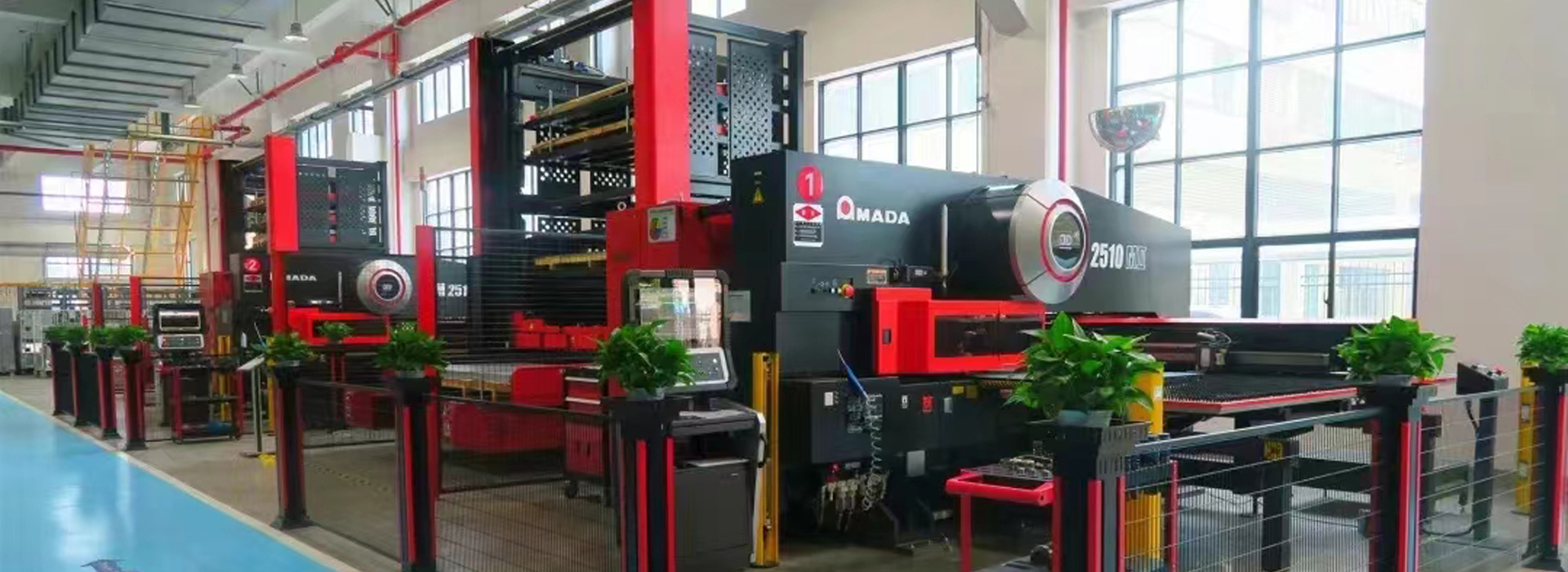
For Tolerance Issues: Advanced CAD/CAM Integration and In-Line Quality Control. By using software like SolidWorks or AutoCAD with CAM modules, designs are translated directly into machine code, reducing human error. For example, XIAMEN FOXSEN INDUSTRIAL TECHNOLOGY CO., LTD. employs 3D scanning post-fabrication to compare cabinets against digital twins, ensuring deviations stay within ±0.1mm. This is coupled with real-time monitoring during press brake operations, where sensors adjust for material springback—a common culprit in misalignments.
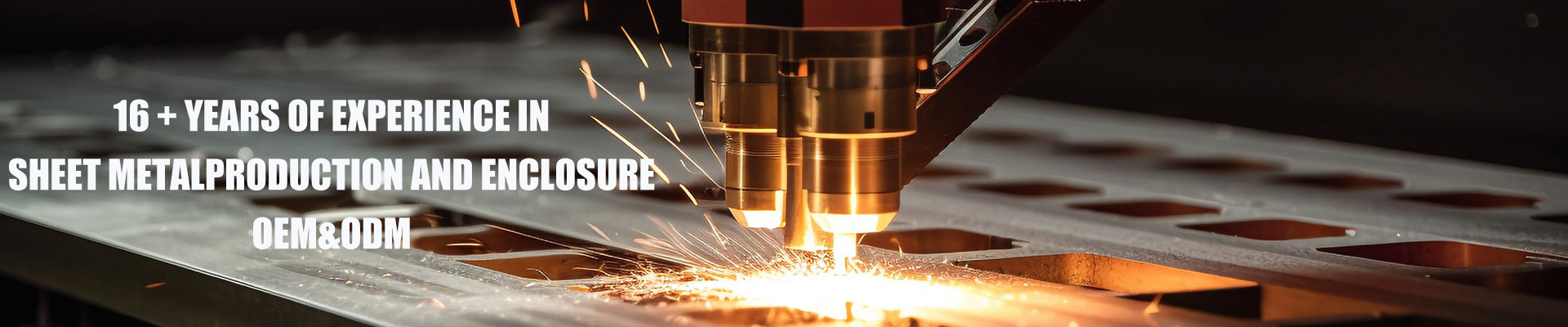
For Material Waste: AI-Powered Nesting Algorithms and Lean Processes. AI-driven nesting software, such as SigmaNEST, optimizes sheet layout to achieve 95% material utilization. At FOXSEN, this is integrated with just-in-time inventory systems, reducing raw material stock by 30%. Additionally, adopting lean principles like 5S workplace organization minimizes offcuts and streamlines workflow, cutting waste to under 5%.
Client Success Stories: Real Results, Tangible Impact
Here are three fictional but realistic examples of how precision fabrication drives success:
Case 1: TechFlow Solutions, Munich, Germany. A provider of industrial automation cabinets, TechFlow faced 12% rejection rates due to fit issues. After partnering with FOXSEN, they implemented automated quality checks and redesigned their hinge systems. Results: Rejection rates dropped to 2%, and assembly time decreased by 25%. "FOXSEN's attention to detail transformed our production line—we now deliver cabinets that fit perfectly, every time," says Markus Weber, Lead Engineer.
Case 2: BioShield Labs, Boston, USA. This biotech firm needed corrosion-resistant cabinets for sterile environments. FOXSEN supplied cabinets with electropolished stainless steel and seamless welds. Data: Contamination risks reduced by 40%, and maintenance intervals extended from 6 to 18 months. "The precision in fabrication has been a game-changer for our lab's integrity," notes Dr. Lisa Chen, Operations Director.
Case 3: SolarEdge Installations, Barcelona, Spain. Specializing in solar inverter enclosures, SolarEdge struggled with material costs. FOXSEN's nesting optimization saved 10% on aluminum usage, amounting to €50,000 annually. "We've cut costs without compromising quality—a win-win for our green energy projects," shares Carlos Mendez, Procurement Manager.
Applications and Partnerships: Where Precision Matters Most
Sheet metal cabinets are vital in sectors demanding reliability. Key applications include:
- Electronics and Telecommunications: Server racks and network enclosures, where thermal management and EMI shielding are critical.
- Medical and Laboratory Equipment: Cleanroom cabinets and instrument housings, requiring biocompatible materials like 316L stainless steel.
- Industrial Automation: Control panels and machinery guards, needing robust construction for harsh environments.
Companies like FOXSEN collaborate with global partners, such as Siemens for automation integration and local distributors in the EU and North America, ensuring supply chain resilience. These partnerships enhance authority by aligning with industry leaders, as seen in joint certifications like ISO 9001 for quality management.
FAQ: Answers from the Fabrication Frontlines
Here are common questions from engineers and procurement managers, with in-depth responses:
Q1: How do you ensure weld integrity in stainless steel cabinets for corrosive environments?
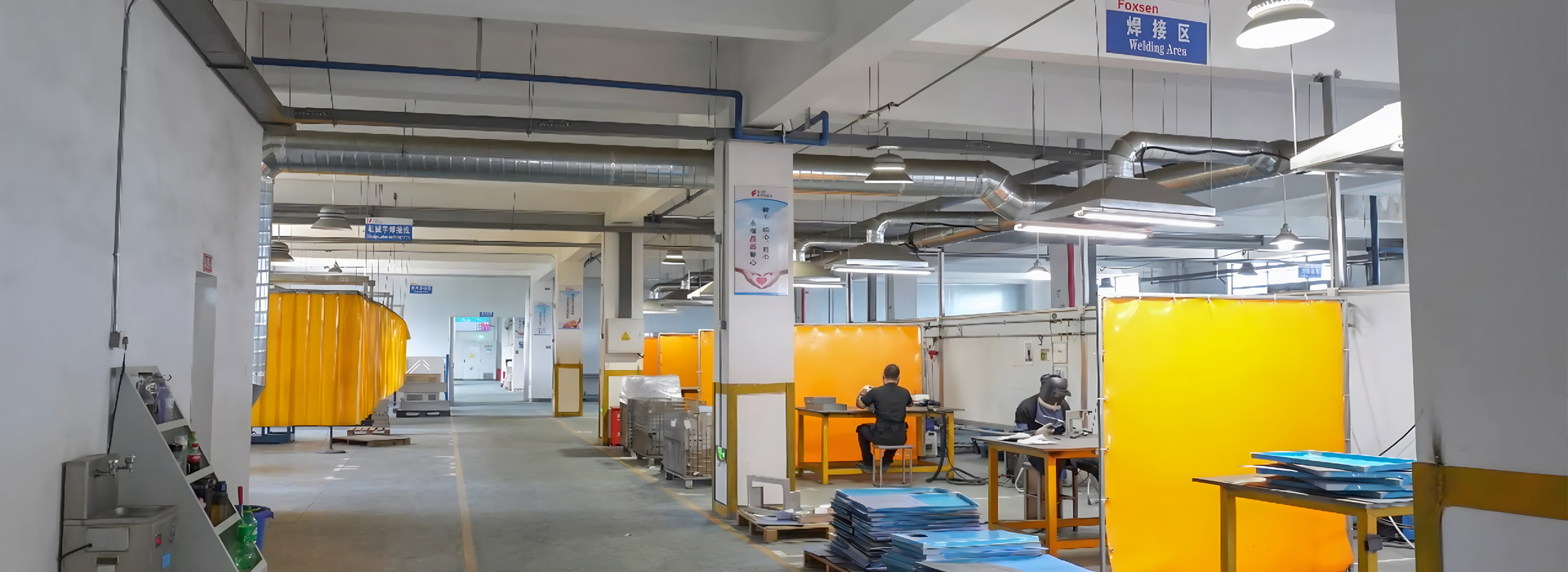
A: We use TIG welding with argon shielding gas and post-weld passivation to restore the chromium oxide layer. This meets ASTM A967 standards, preventing rust and ensuring longevity in settings like chemical plants.
Q2: What's the lead time for custom cabinets with complex geometries?
A: Typically 4-6 weeks, depending on design complexity. For urgent needs, we offer rapid prototyping with 3D printing to validate fits before full production, reducing risks.
Q3: How do you handle material certifications for aerospace applications?
A: We source metals from mills providing Mill Test Reports (MTRs) and comply with AS9100 standards. Each batch is traceable, with documentation for audits.
Q4: Can you integrate smart features like IoT sensors into cabinets?
A> Yes, we design cabinets with pre-drilled mounts and cable management for sensors. For example, we've added temperature and humidity monitors in data center racks, enabling real-time monitoring.
Q5: What cost-saving strategies do you recommend for high-volume orders?
A> Standardizing panel sizes and using modular designs can cut costs by 15-20%. We also offer bulk pricing and suggest lean inventory practices to reduce holding costs.
Conclusion: Elevate Your Fabrication Standards
Precision in sheet metal cabinet fabrication isn't just about avoiding errors—it's about building reliability, efficiency, and trust. From tackling tolerance issues to minimizing waste, the right approach can save thousands and boost your competitive edge. As showcased by XIAMEN FOXSEN INDUSTRIAL TECHNOLOGY CO., LTD., blending technology with expertise leads to tangible results.
Ready to transform your fabrication process? Download our detailed technical whitepaper on advanced sheet metal techniques, or connect with our sales engineers for a personalized consultation. Let's build cabinets that don't just meet specs—they exceed expectations.