

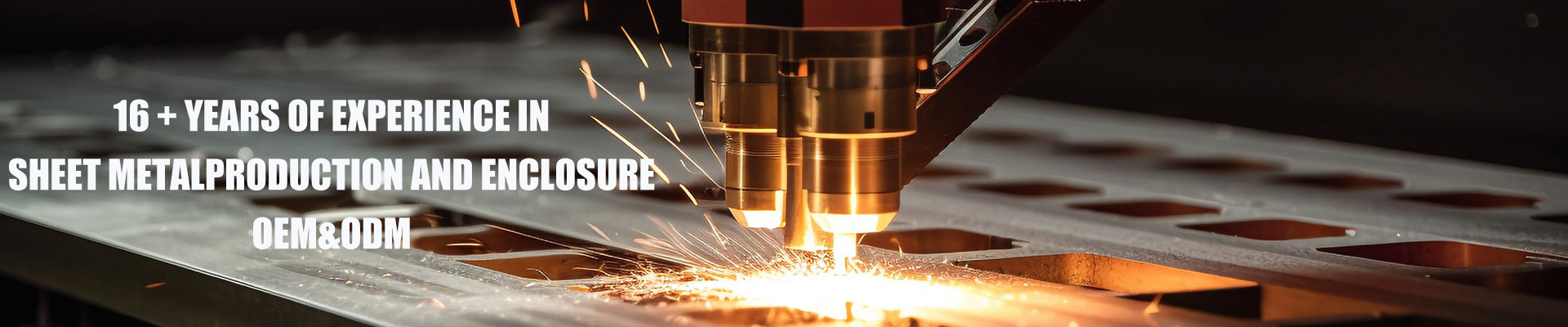
In the evolution of modern manufacturing, the precision, efficiency, and flexibility of cutting technologies directly define the boundaries of product fabrication. Among these, laser cutting, as a non-contact, high-energy-density processing method, has become an indispensable core process across numerous industries, from precision electronics to heavy machinery, and from aerospace to consumer goods. This article delves into the principles, historical development, current applications, and future trends of laser cutting technology, analyzing how it continues to reshape the landscape of modern manufacturing.
I. The Technical Core: How Laser Cutting Works and Its Main Types
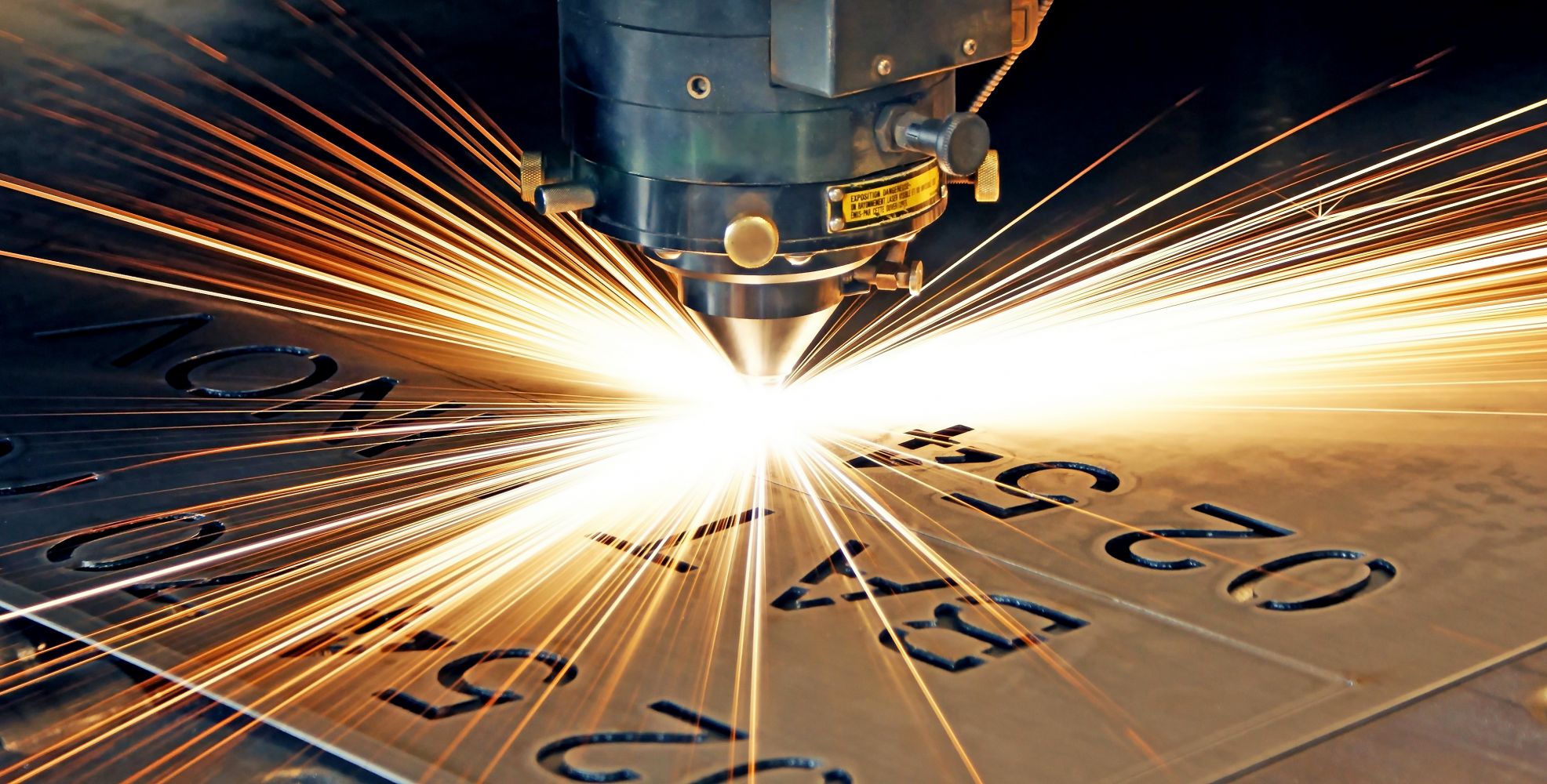
The fundamental principle of laser cutting involves directing a focused, high-power-density laser beam onto the workpiece surface. The irradiated material rapidly reaches its melting point, vaporization point, or ignition point. Simultaneously, a high-speed co-axial gas jet blows away the molten or burned material, achieving cutting or separation of the workpiece. This process is precisely controlled by a Computer Numerical Control (CNC) system, enabling the cutting of complex two-dimensional and even three-dimensional shapes.
Currently, the mainstream laser cutting technologies in the industrial field are primarily divided into three categories:
CO2 Laser Cutting: Uses carbon dioxide gas as the lasing medium. Its longer wavelength (around 10.6 micrometers) makes it suitable for cutting and engraving non-metallic materials (like wood, acrylic, fabric, leather) and some metals. It long dominated the sheet metal processing sector.
Fiber Laser Cutting: This is now the absolute mainstream in metal cutting. Its active medium is an optical fiber doped with rare-earth elements like ytterbium. Fiber lasers boast extremely high electrical-to-optical conversion efficiency (up to 3-5 times that of CO2 lasers), excellent beam quality, and low maintenance needs. They are particularly adept at cutting reflective metals (like copper, brass, aluminum) as well as high-strength steel and stainless steel. Their superior energy efficiency and cutting speed have made them the standard configuration in modern sheet metal fabrication centers.
Disk Laser Cutting: As another solid-state laser technology, disk lasers generate light through a thin, disk-shaped gain medium. While offering beam quality and efficiency comparable to fiber lasers, they exhibit unique advantages in certain ultra-thick plate cutting and specialized applications.
Every laser cutting operation involves the precise calibration of parameters such as laser power, cutting speed, type and pressure of assist gas (e.g., oxygen, nitrogen, air), and focal point position. The goal is to achieve optimal cut quality: a narrower kerf, a smoother cut surface (free of burrs or dross), a smaller heat-affected zone, and higher edge perpendicularity.
II. Historical Evolution: From Laboratory to Smart Factory
Since its industrial adoption began in the 1970s, laser cutting technology has undergone rapid iterations. Early machines were low-power, slow, and unstable, primarily used for prototyping thin sheets and processing special materials. Breakthroughs in laser source technology, particularly the maturation and cost reduction of fiber lasers, led to a qualitative leap in processing capability. Modern high-power (10,000 watts and above) fiber laser cutters can effortlessly process carbon steel plates dozens of millimeters thick at speeds reaching tens of meters per minute, while maintaining exceptional precision.
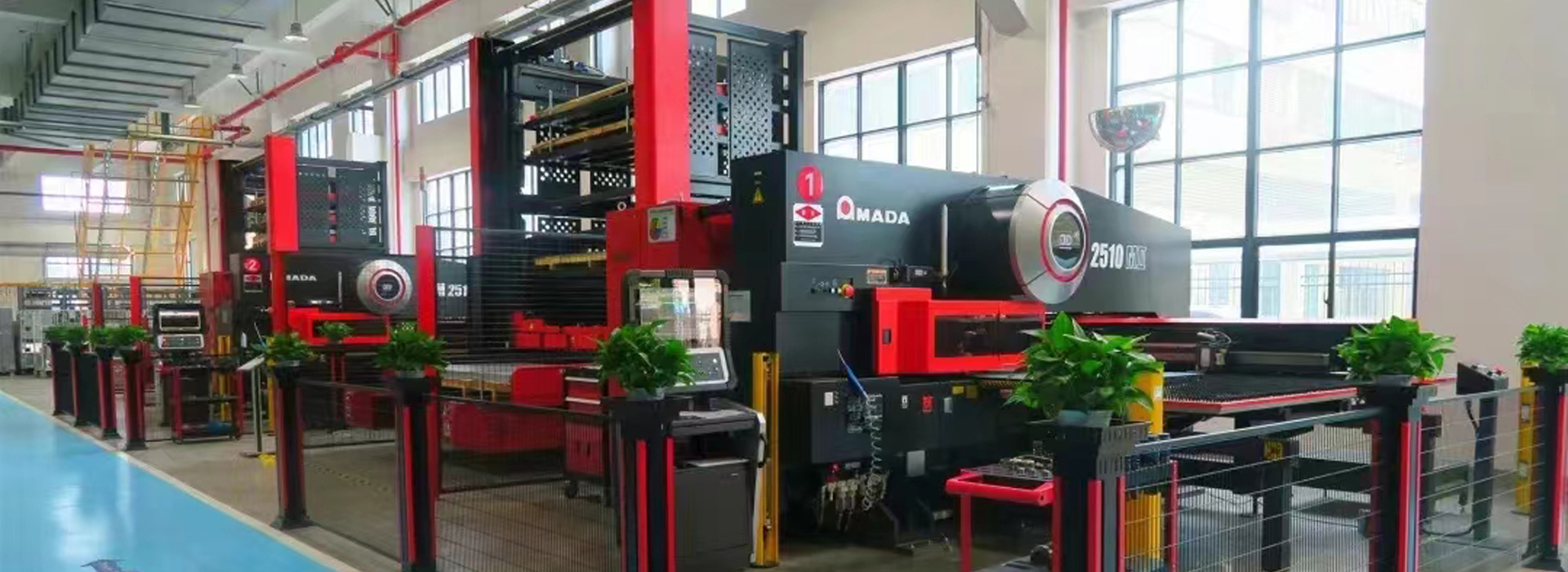
This evolution is deeply intertwined with the waves of automation and digitization. Modern laser cutting cells are deeply integrated into Flexible Manufacturing Systems (FMS) and smart factories. Automated loading/unloading systems (like material towers, robotic arms) enable 24/7 continuous production. Advanced CAD/CAM software automates the journey from design drawing to generating optimized cutting paths (nesting to maximize material utilization). Real-time monitoring systems track data on laser status, cutting head height, gas consumption, etc., and connect with Manufacturing Execution Systems (MES), enabling transparency and traceability in the production process.
III. Widespread Applications: The Precision "Light Knife" Permeating Industries
The applications of laser cutting are virtually limitless. Its "flexible" processing nature allows it to quickly adapt to modern production modes characterized by high-mix, low-volume batches.
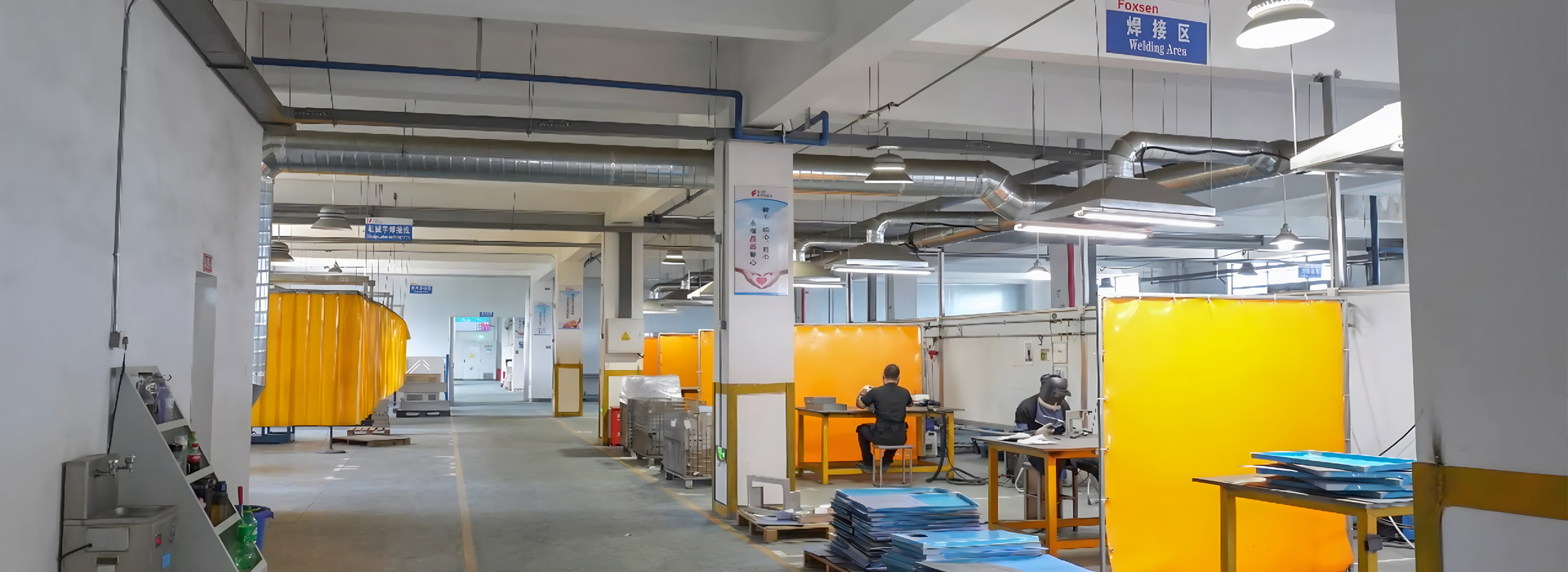
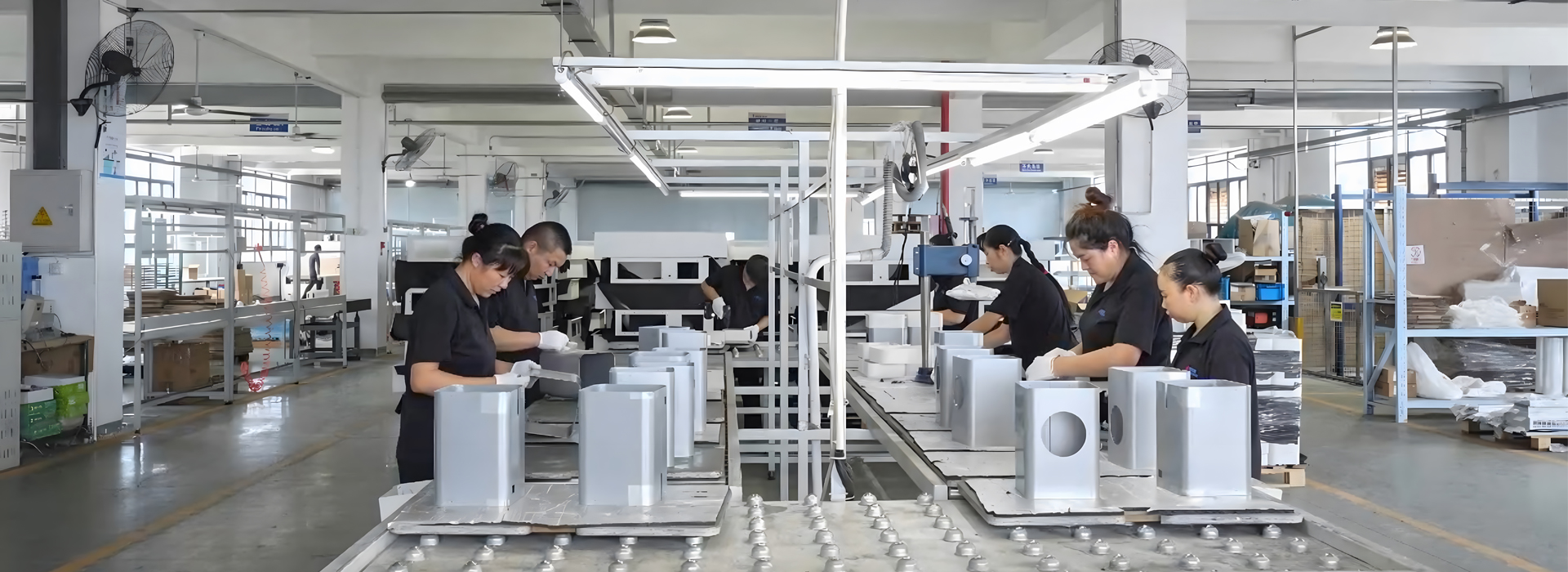
Metal Sheet Processing & Fabrication: This is the most classic and largest-scale application for laser cutting. It is used to produce various mechanical components, enclosure housings (like Electronic Enclosure, Stainless Steel Enclosure), ventilation ducts, elevator panels, kitchenware, and more. Its high precision facilitates subsequent bending, welding, and other processes.
Automotive & Transportation: Laser cutting plays a key role in prototyping body panels, cutting high-strength safety components, and precisely processing interior parts, exhaust pipes, and new energy vehicle battery trays (related to Battery Enclosure manufacturing). 3D five-axis laser cutting machines are further used for trimming and drilling pre-formed, irregular curved parts.
Precision Machinery & Electronics: In manufacturing precision components for watches, sensors, medical devices, and smartphone frames, ultrafast laser (picosecond, femtosecond) cutting enables almost heat-effect-free "cold processing," allowing for the machining of brittle materials and micron-level precision, which is difficult for traditional mechanical methods.
Advertising, Signage & Creative Industries: Using laser cutting on acrylic, wood, and thin metal sheets to create signs, artworks, and architectural decor highlights its capability to handle complex graphics and produce high-quality edges.
IV. Future Trends: Towards Higher Power, Greater Intelligence, and Broader Materials
Looking ahead, laser cutting technology continues to advance on multiple fronts:
The Power Race & Intelligent "Bevel Cutting": Laser source power continues to climb (now exceeding tens of kilowatts), with the focus shifting from simply "cutting thicker" to "cutting better, faster, and more economically." For instance, the high brightness from ultra-high power enables steeper cut edges and higher efficiency. Simultaneously, cutting heads equipped with intelligent sensor systems can perform adaptive "bevel cutting," automatically adjusting the beam angle when cutting thick plates to compensate for errors caused by beam taper, achieving consistent top and bottom dimensions—crucial for welding groove preparation in heavy equipment.
Integration with Additive Manufacturing (Hybrid Manufacturing): Integrating laser cutting with Laser Metal Deposition (3D printing) in a single machine allows for additive manufacturing of complex shapes followed by subtractive laser cutting for finishing, offering a novel solution for the integrated fabrication of large, complex components.
Deep Integration of AI and Predictive Maintenance: AI algorithms will be more deeply applied to process parameter optimization, real-time defect identification (e.g., monitoring cutting spark morphology to judge quality), and equipment health management. By analyzing big data from the cutting process, automatic optimization of the process window and early warning of equipment failures can be achieved, minimizing downtime and material waste.
Expanding the Frontier of New Material Processing: As composite materials, ceramic matrix composites, and ultra-hard materials find more use in high-end equipment, developing specialized laser cutting processes for these new materials will become a key research focus.
Conclusion
In summary, laser cutting has evolved from an advanced processing technique into a foundational platform technology underpinning modern smart manufacturing systems. It is not only the "king of speed and precision" in the metalworking shop but also, with its unparalleled flexibility and innate affinity for the digital world, a critical bridge connecting innovative product design with efficient physical production. With continued advancements in laser source technology, control systems, and intelligent algorithms, laser cutting is poised to unlock even greater potential across a wider range of materials and more complex manufacturing scenarios, continuing to lead the forefront of precision manufacturing technology.