

In today's digitally-driven landscape, Liquid Crystal Display (LCD) screens are the primary interface for human-machine interaction across countless applications, from industrial control panels and point-of-sale systems to public information kiosks and medical devices. However, the fragile nature of these displays necessitates robust protection to ensure reliability in demanding environments. This is where the LCD Enclosure becomes critical. Acting as a dedicated protective housing, the LCD Enclosure is engineered to shield sensitive display panels from physical damage, environmental contaminants, and operational stresses. This article examines the essential role of the LCD Enclosure, the key design considerations driving its evolution, and its growing importance in an increasingly connected and automated world.

1. The Pivotal Role of the LCD Enclosure in System Integrity
An LCD Enclosure is far more than a simple bezel or frame. It is a sophisticated system designed to integrate and protect the display while ensuring optimal functionality. Its primary functions are multifaceted: providing structural support to mount the LCD panel securely, sealing out dust and moisture to prevent internal damage, mitigating the risks from physical impacts or vandalism, and often incorporating features for thermal management to prevent overheating. The effectiveness of an LCD Enclosure directly impacts the uptime, safety, and total cost of ownership of the entire system it houses. A failure in the enclosure can lead to display malfunction, data loss, or safety hazards, especially in critical settings like factory floors, transportation hubs, or healthcare facilities. Therefore, the selection and design of an LCD Enclosure are fundamental engineering decisions in product development for industrial and commercial applications.
2. Key Design Drivers and Technical Considerations
The design parameters for an LCD Enclosure are dictated by its intended operational environment and the specific performance requirements of the LCD itself.
Environmental Sealing and Ingress Protection (IP Rating): For enclosures deployed outdoors or in harsh industrial settings, achieving a high IP rating (e.g., IP65 for dust-tight and water jet protection) is paramount. This requires careful engineering of gaskets, seam sealing, and button/connector interfaces to create a reliable barrier.
Optical Performance and Viewability: The enclosure design must not hinder the display's performance. This involves selecting optically clear materials for protective windows that are anti-glare, anti-reflective, or resistive to scratches and chemicals. Maintaining a proper seal without distorting the viewable area is a constant challenge.
Thermal Management: LCD panels and their associated backlights or touchscreen controllers generate heat. Enclosures in sealed environments must manage this heat through passive means (e.g., thermally conductive materials, heat sinks) or active cooling (fans, air conditioners) to prevent performance degradation or premature failure. The chart below illustrates the correlation between internal temperature rise and display lifespan reduction in a sealed LCD Enclosure.
Human-Machine Interface (HMI) Integration: Modern LCD Enclosures frequently integrate touch technology (resistive, capacitive, or infrared). The enclosure must precisely accommodate the touchscreen sensor and ensure its reliable operation through the protective window, which can affect touch sensitivity and accuracy.
Mounting and Ergonomics: Design considerations include how the LCD Enclosure is mounted (panel, wall, desktop, arm), providing access to ports and controls, and ensuring the interface is ergonomically sound for the user. The rise of open-frame monitors has also influenced enclosure design, focusing on minimalist framing for seamless integration into larger systems.
3. Material and Manufacturing Evolution
The evolution of LCD Enclosure manufacturing mirrors advancements in materials science and fabrication techniques. Traditional materials like cold-rolled steel offer high strength and electromagnetic shielding but are heavy and prone to corrosion without treatment. Aluminum alloys provide an excellent strength-to-weight ratio, natural corrosion resistance, and good thermal conductivity, making them popular for many applications. Plastics and polycarbonates offer design flexibility, light weight, and inherent electrical insulation, often used in consumer-facing or less demanding environments.
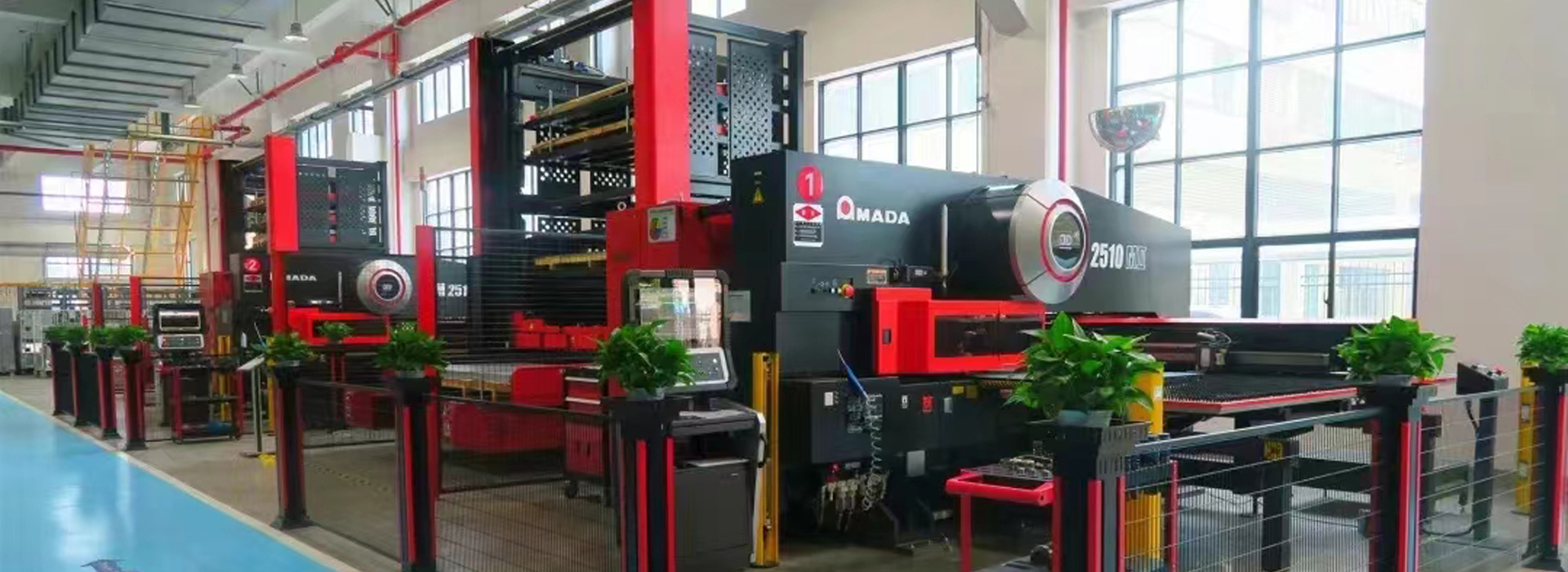
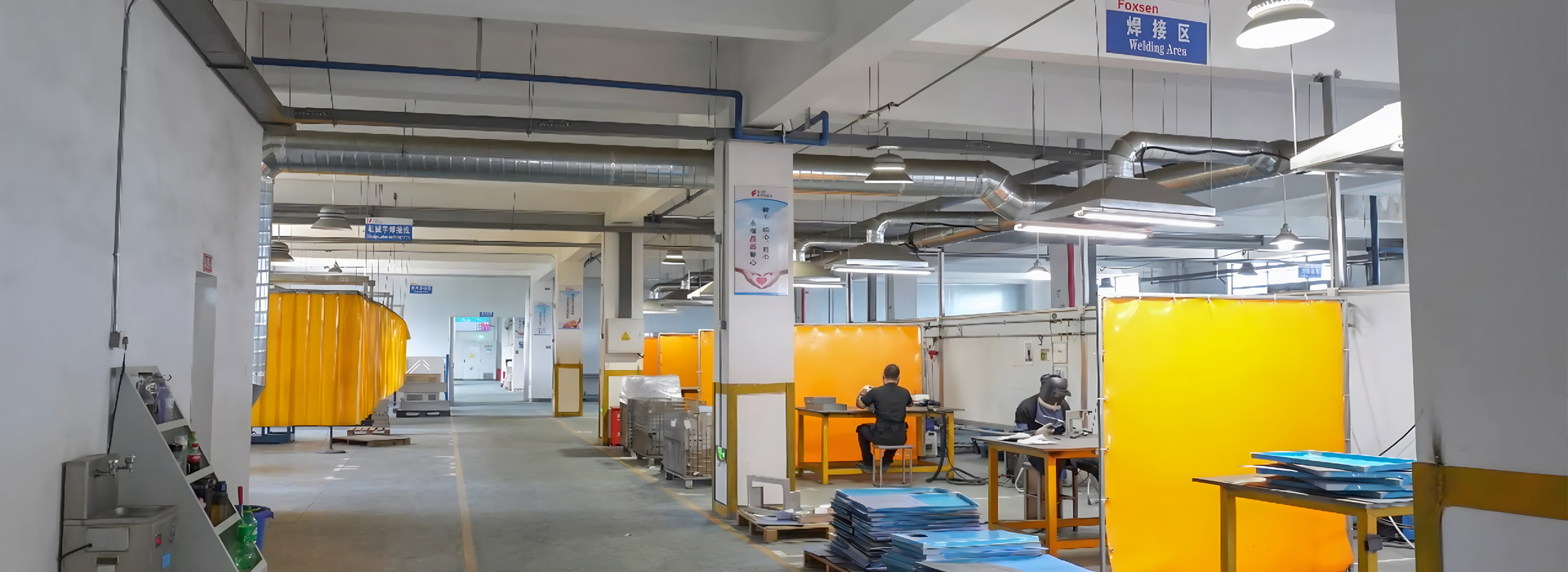
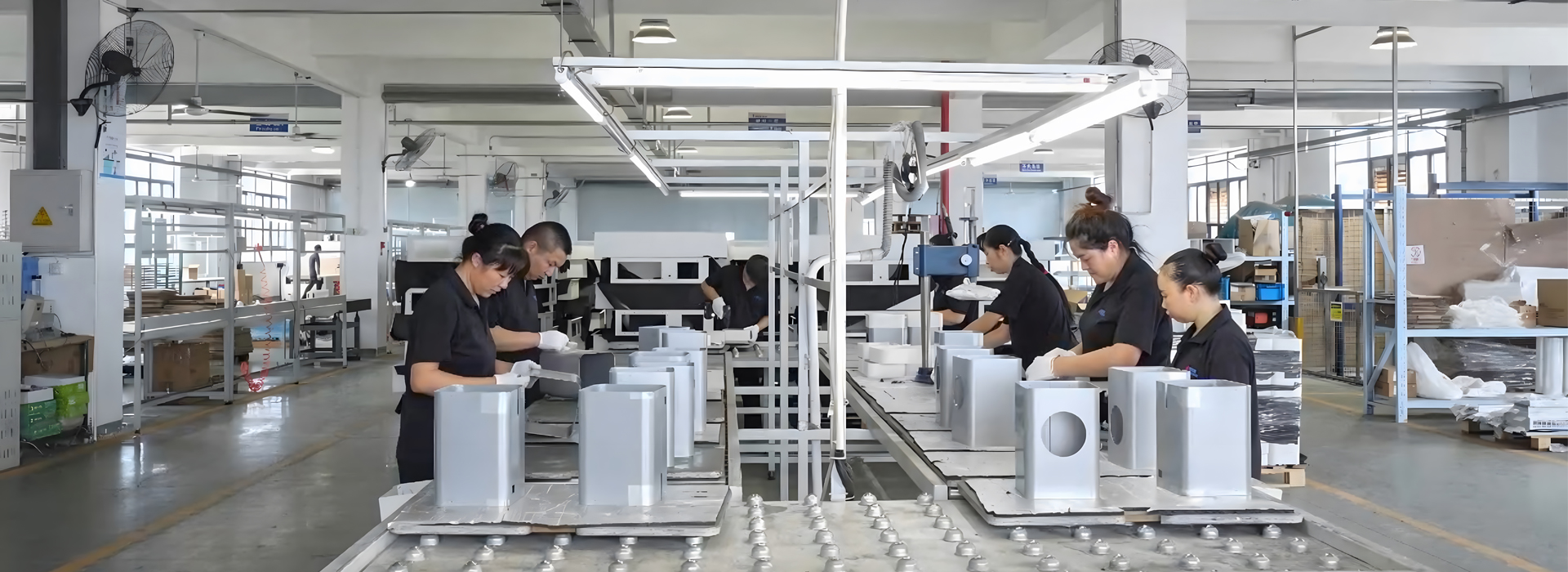
Manufacturing processes are equally diverse. Sheet metal fabrication through cutting, bending, and welding is common for metal enclosures. Die-casting is used for complex, high-strength aluminum housings. For plastic enclosures, injection molding allows for high-volume production of intricate designs. The trend is toward hybrid approaches, combining metal structural frames for rigidity with plastic front bezels for aesthetic and functional features, optimizing both performance and cost.
4. Market Trends and Future Outlook
The global market for LCD Enclosures is experiencing steady growth, propelled by several key trends. The accelerated adoption of Industrial IoT (IIoT) and Industry 4.0 is driving demand for robust HMIs on the factory floor. The expansion of digital signage in retail, hospitality, and public spaces requires durable, all-weather enclosures. Furthermore, the proliferation of self-service kiosks across sectors like retail, banking, and government necessitates secure and vandal-resistant LCD Enclosure solutions.
Looking ahead, the future of LCD Enclosures will be shaped by the needs of new display technologies like Micro-LED and advanced interactive interfaces. Enclosures will need to accommodate higher brightness levels, different form factors, and more sophisticated sensor integrations. The concept of the "smart enclosure," with embedded sensors for monitoring internal health (temperature, humidity, intrusion) and communicating data to network management systems, is on the horizon. As displays continue to serve as the vital gateway between users and digital systems, the LCD Enclosure will remain an indispensable component, evolving in lockstep with the technologies it is built to protect.