

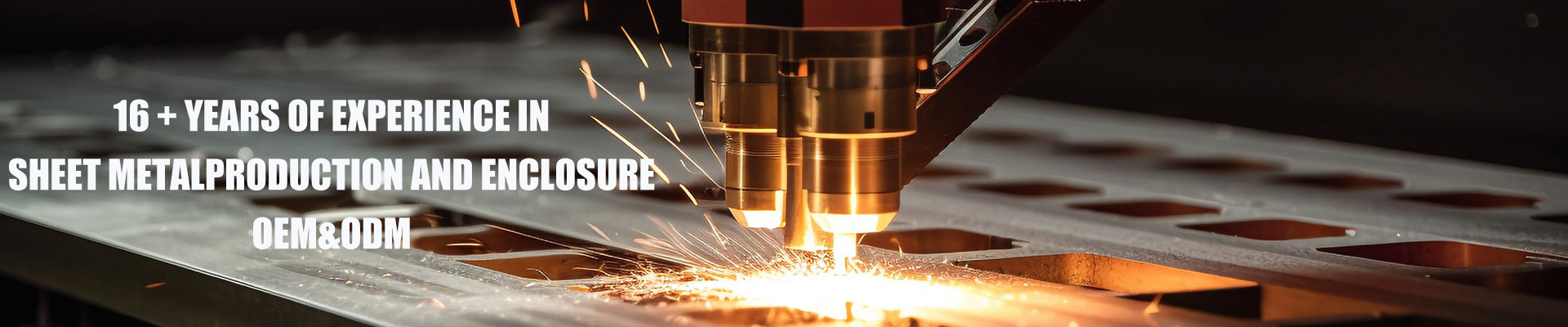
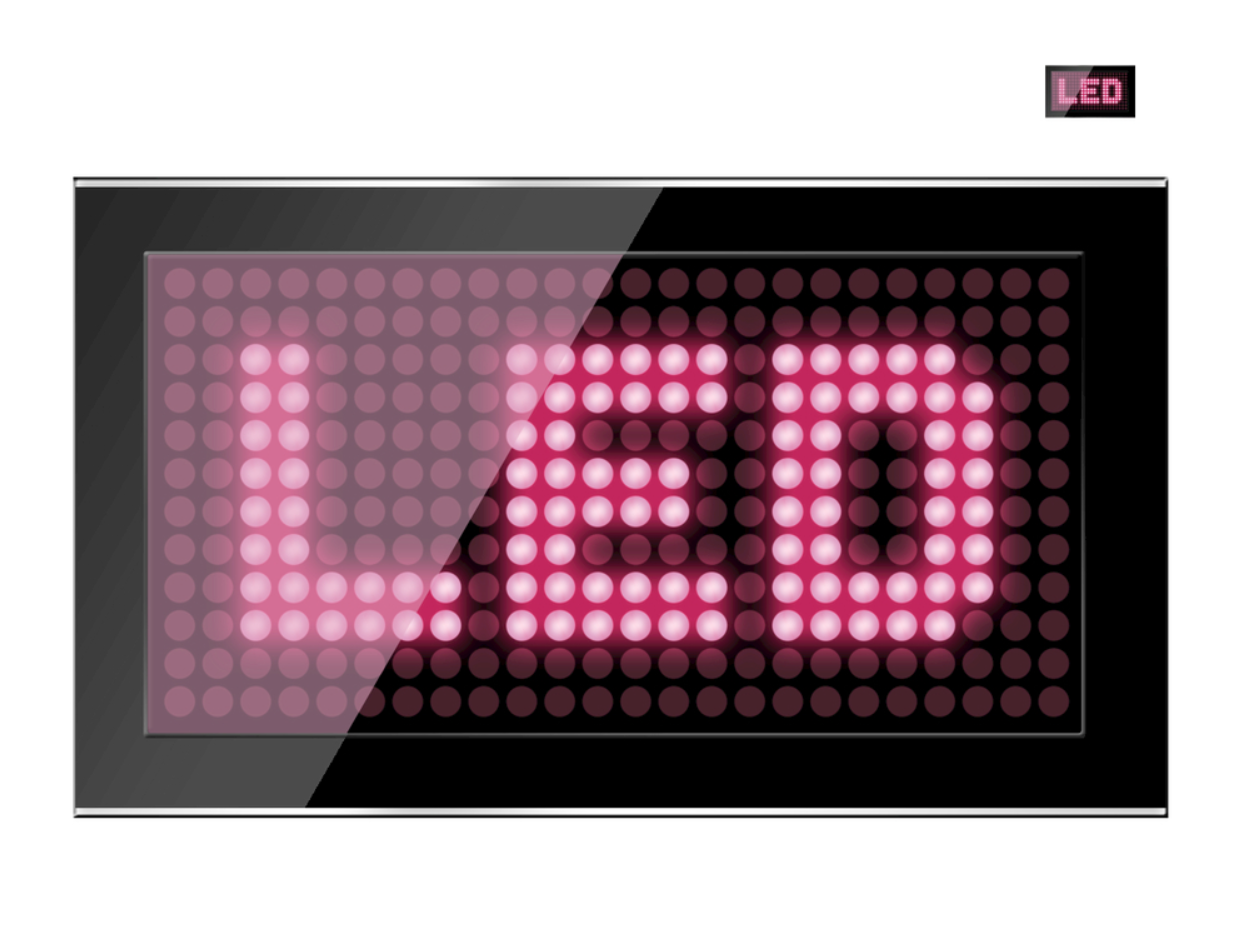
In the visual landscape of modern cities and commercial spaces, LED displays have become ubiquitous, delivering dynamic content from towering outdoor billboards to intricate indoor control room walls. However, the dazzling array of pixels represents only half the story. The robust physical housing that protects these sensitive electronic modules from failure is equally critical. This component, the LED Display Enclosure, is a specialized product category engineered to ensure reliability, longevity, and optimal performance of LED systems in diverse and often demanding settings. This news analysis explores the integral role, design complexities, and evolving technological demands surrounding the LED Display Enclosure.
1. Defining the Core Function: More Than Just a Metal Box
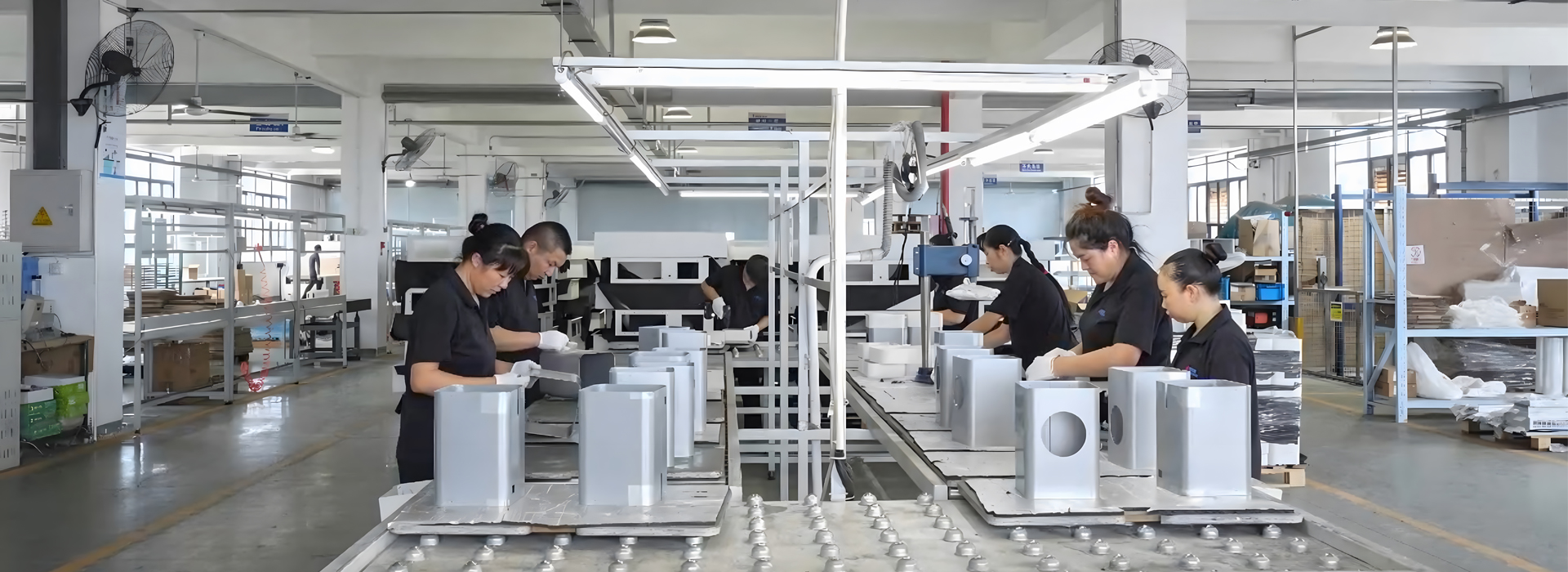
An LED Display Enclosure is a structural and protective housing designed to securely contain LED modules, power supplies, control systems (such as receivers and processors), and associated wiring. Its primary function transcends mere containment; it is a vital environmental barrier. For outdoor applications, a high-performance LED Display Enclosure must be engineered to withstand prolonged exposure to rain, snow, dust, corrosive pollutants, and wide temperature fluctuations. For indoor use, it often focuses on aesthetics, modularity, and thermal management. The design and quality of the LED Display Enclosure directly impact the display's mean time between failures (MTBF), maintenance costs, and overall visual consistency. A poorly designed enclosure can lead to pixel failure, color drift, water damage, and catastrophic system downtime, negating the significant investment in the LED technology itself.
2. Key Engineering Challenges and Design Solutions
Designing an effective LED Display Enclosure requires a multifaceted engineering approach that balances conflicting demands such as sealing versus heat dissipation. Key technical challenges and corresponding solutions include:
Ingress Protection (IP Rating) and Environmental Sealing: Outdoor units require a minimum of IP65 rating, ensuring complete protection against dust ingress and low-pressure water jets from any direction. Achieving this involves precision-machined structural frames (often utilizing CNC Machining Parts for accuracy), high-grade silicone or EPDM gaskets at all seams and joints, and specialized waterproof connectors for power and data cables. The front face typically incorporates a laminated glass or polycarbonate panel, treated with anti-reflective and anti-glare coatings, which is itself sealed to the frame.
Thermal Management – The Critical Balance: LED modules generate substantial heat. In a sealed LED Display Enclosure, this heat must be efficiently dissipated to prevent luminance decay, color shift, and accelerated component aging. Solutions vary by application:
Outdoor/Sealed Enclosures: Utilize passive heat sinks integrated into the rear aluminum housing, or employ active cooling systems like internal air circulation fans with external IP65-rated vents and filters to prevent dust entry while allowing heat exchange. For larger installations, integrated air conditioning units may be required.
Indoor/Ventilated Enclosures: May use perforated or louvered designs to allow for natural convection, prioritizing maximum heat dissipation in a controlled environment.
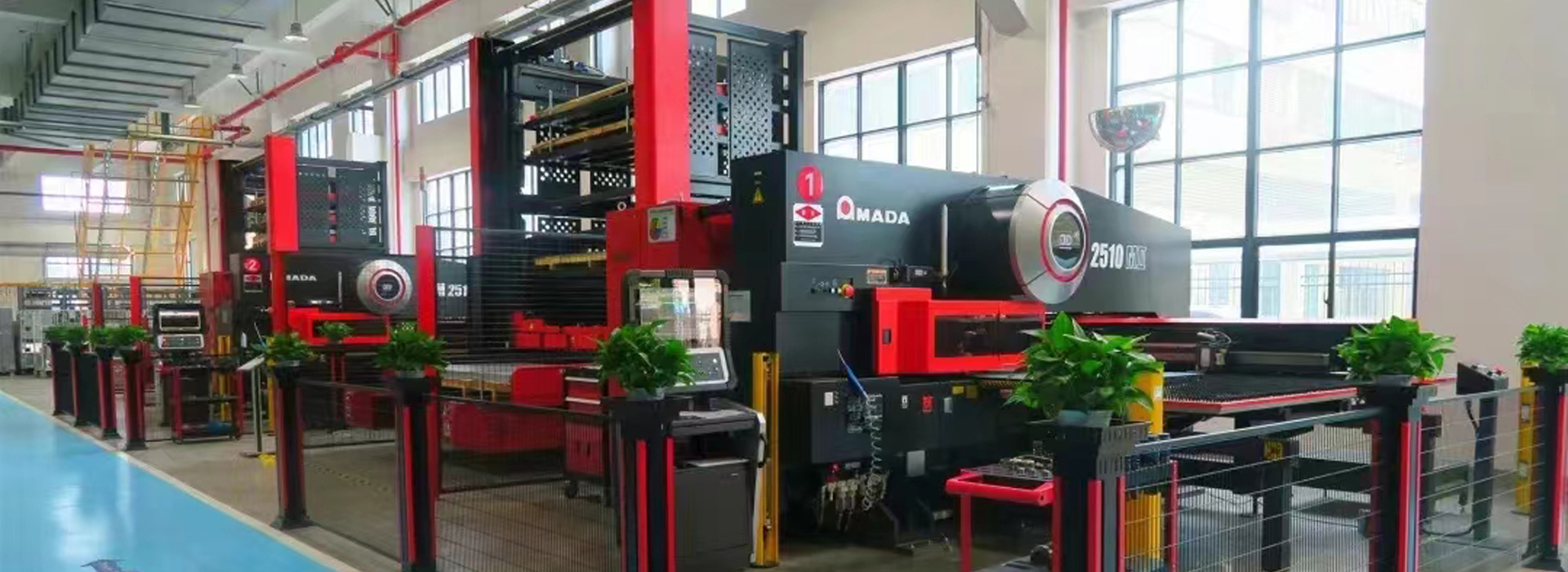
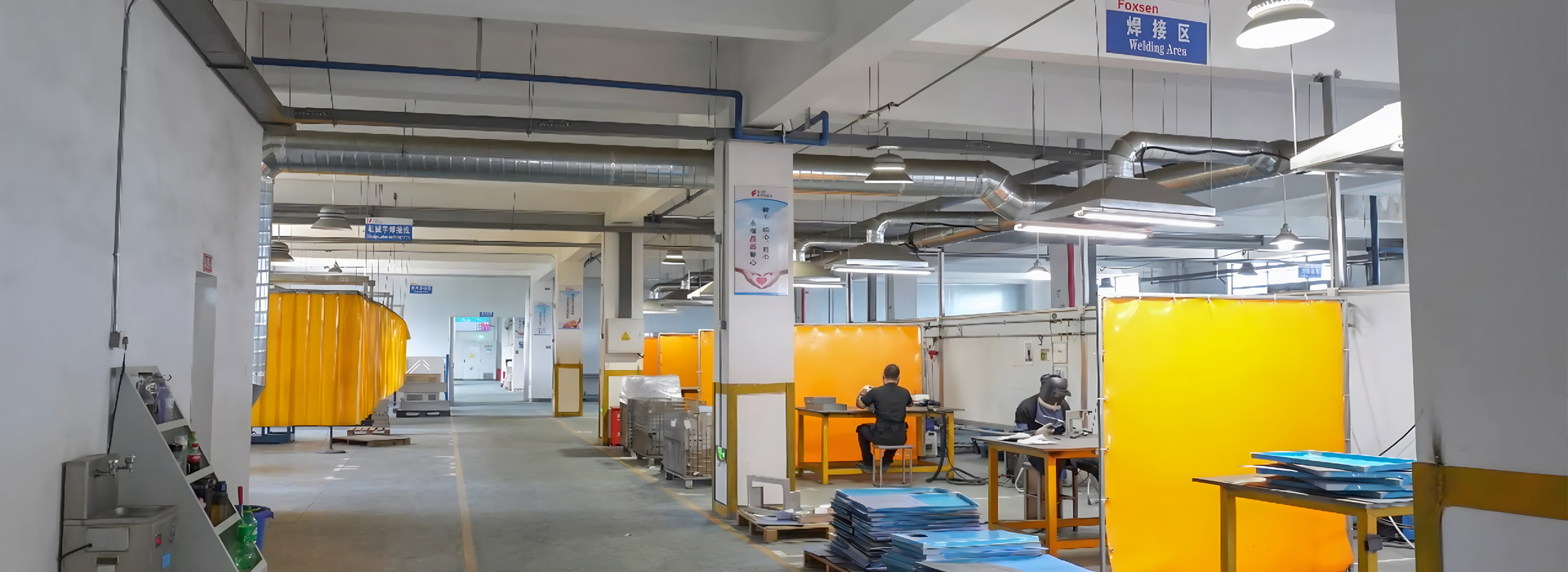
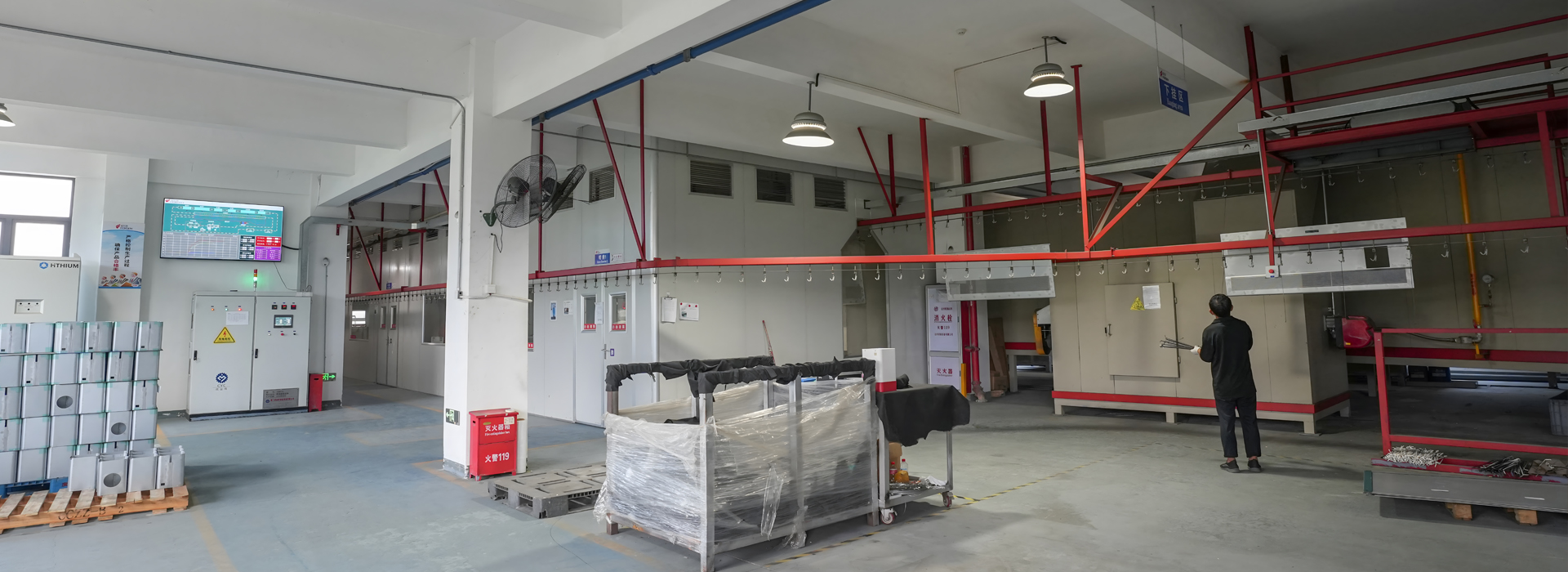
Structural Integrity and Material Science: The enclosure must be rigid to prevent warping, which would misalign LED modules and create visible seams or gaps in the display image. Materials must be selected for strength, weight, and environmental resistance. Stainless Steel Enclosure designs are favored in highly corrosive coastal or industrial areas. Aluminum alloys are widely used for their excellent strength-to-weight ratio and natural corrosion resistance. Advanced powder-coating processes provide an additional layer of protection and aesthetic finish. The manufacturing of these structural elements frequently relies on Metal Stamping Service for high-volume production of panels and brackets, ensuring consistency and cost-effectiveness.
3. Industry Standards, Certification, and Customization Trends
The market for LED Display Enclosures is driven by stringent industry standards and a growing demand for tailored solutions. Reputable manufacturers design products to meet or exceed international certifications:
IP and NEMA Ratings: Objective benchmarks for environmental protection.
IK Rating: Specifies protection level against external mechanical impacts.
UL/CE/TUV Certification: Ensures electrical safety and compliance in different global markets.
Salt Spray Testing: Validates corrosion resistance for long-term outdoor durability.
Beyond standards, a significant trend is the move towards high-level customization. Display installers and integrators require enclosures that fit unique architectural forms, specific pixel pitches, and unusual mounting situations. This has increased demand for custom CNC Machining Parts and flexible fabrication services to produce enclosures that are not merely off-the-shelf boxes, but integral, tailor-made components of the display system. This aligns closely with the capabilities of a full-service fabrication provider offering Electronic Enclosure solutions across sectors.
4. Evolving Applications and Future Outlook
The application scope for LED Display Enclosures continues to expand. Traditional large-format outdoor advertising is now joined by new use cases:
XR Virtual Production Studios: Enclosures for fine-pitch LED walls used in film and broadcast must be ultra-thin, lightweight, and facilitate seamless tiling with minimal bezel.
Transportation Hubs and Sports Arenas: Enclosures here must withstand public interaction, potential vandalism, and operate 24/7 with maximum reliability.
Specialized Industrial and Control Rooms: Require enclosures with EMIRFI shielding, specific cooling profiles, and integration with control desks.
The future of LED Display Enclosure design will be influenced by the progression of LED technology itself. As pixel densities increase (moving towards Micro-LED), heat density per unit area rises, demanding even more advanced thermal solutions. The integration of smart sensors within the enclosure to monitor internal temperature, humidity, and component health for predictive maintenance is an emerging trend. Furthermore, the drive for sustainability is pushing designs towards more recyclable materials and energy-efficient cooling technologies.
In conclusion, the LED Display Enclosure is a foundational yet sophisticated component that silently underpins the reliability and visual impact of modern LED display systems. Its evolution is a direct response to the advancing demands of LED technology and the harsh realities of deployment environments, making it a critical area of continuous innovation in the audiovisual and industrial fabrication sectors.