

In modern healthcare settings, from diagnostic imaging systems to bedside monitors, from surgical robots to mobile therapy units, precision and costly medical equipment form the core hardware foundation of clinical service. Ensuring the durable, stable operation, operational safety, and cleanliness of these devices within complex clinical environments extends far beyond the inherent design of the equipment itself. This has given rise to a specialized and vital accessory field: Medical Equipment Covers. This article delves into the functional evolution, design challenges, industry standards, and the increasingly strategic value of Medical Equipment Covers in enhancing overall healthcare quality and safety.
I. Beyond a "Cover": Redefining the Multifaceted Role of Medical Equipment Covers
In traditional thinking, Medical Equipment Covers might be seen merely as simple physical barriers. However, in contemporary medical practice, their role has evolved into a comprehensive interface solution, undertaking multiple critical missions:
Asset Protector: This is its most fundamental function. Medical Equipment Covers must effectively shield the main device from daily impacts, liquid spills, chemical disinfectant erosion, and intrusion of environmental dust and particulates. For equipment frequently moved between wards, operating rooms, and emergency departments, a rugged cover can significantly reduce costly repair expenses and device downtime caused by physical damage.
Critical Link in Infection Control: In the battle against Hospital-Acquired Infections (HAIs), equipment surfaces are potential vectors for cross-contamination. Dedicated Medical Equipment Covers, compatible with rapid, repeated wiping using standard hospital-grade disinfectants (e.g., chlorine-based, alcohol, hydrogen peroxide), become an indispensable part of infection control protocols. Their surface materials must withstand high-intensity, high-frequency disinfection without degrading, fading, or cracking (cracks can harbor pathogens).
Safety Barrier for Patients and Operators: Medical Equipment Covers can shield sharp edges, hot surfaces, or moving parts, preventing accidental injury to patients and healthcare staff. Furthermore, for equipment with high voltage or strong electromagnetic fields, specially designed shielding covers (which may involve Stainless Steel Enclosures or composite materials with conductive coatings) can effectively contain electromagnetic interference (EMI), ensuring the normal operation of other sensitive nearby devices (e.g., pacemakers, monitors) and protecting personnel.
Functional and Ergonomic Extension: Modern Medical Equipment Covers often integrate cable management systems, carrying handles, labeling areas (for device status or cleaning verification tags), and even customized brackets or trays for accessories. Their design must fully consider clinical workflows, ensuring core interfaces and screens remain easily accessible even when covered.
II. The Convergence of Materials Science and Engineering Design: Meeting Rigorous Clinical Demands
Developing a qualified Medical Equipment Cover is an interdisciplinary challenge, centered on the precise integration of material selection and structural design.
Material Selection Criteria:
Medical-Grade Polymers: Such as chemical-resistant ABS, Polycarbonate (PC), or softer medical PVC, Thermoplastic Polyurethane (TPU). They must pass biocompatibility tests like USP Class VI or ISO 10993 to ensure safety for indirect human contact.
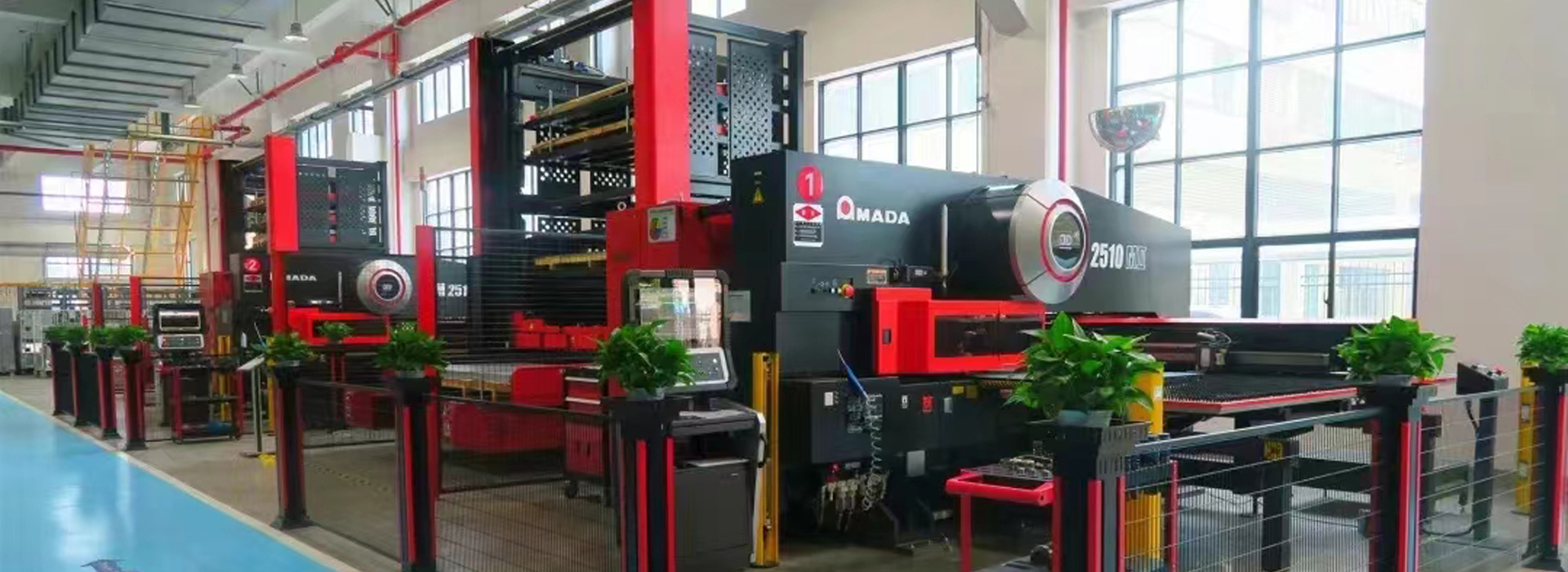
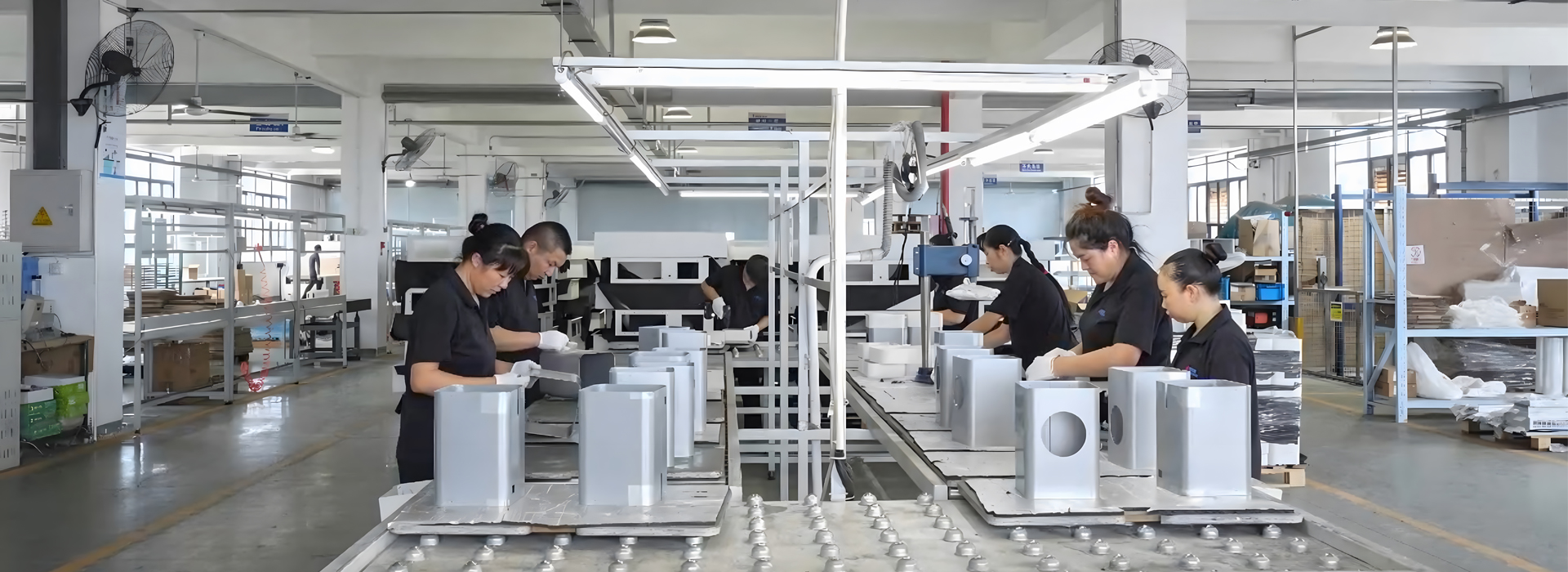
Metallic Materials: For applications requiring extreme strength, EMI shielding, or thermal dissipation, stainless steel (particularly grade 316L) and anodized aluminum are common choices. Their manufacturing often relies on high-precision CNC Machining Parts and Metal Stamping Services to ensure complex structural components (like ventilation grilles, interface panels) meet tight dimensional tolerances and perfect surface finishes for thorough cleaning.
Composites & Coating Technologies: Antimicrobial coatings (e.g., silver-ion) are applied directly to cover surfaces for ongoing bacteriostatic effects. Anti-static materials are used in environments requiring electrostatic discharge control.
Core Considerations in Structural Design:
Sealing Integrity: Designs incorporate corresponding sealing structures—gaskets, ultrasonically welded seams—for different levels of protection (e.g., splash-proof, immersion-resistant).
Thermal Management: Enclosed or semi-enclosed covers must address device heat dissipation. This is achieved through carefully calculated and designed ventilation ports (often covered with antimicrobial dust filters), the use of thermally conductive materials, or协同 design with the device's internal airflow paths.
Compatibility & Serviceability: Excellent Medical Equipment Covers design aims for a perfect fit with the device morphology while allowing for quick disassembly and reinstallation for deep maintenance of the device itself or independent cleaning/replacement of the cover.
III. Industry Regulation, Standards, and Testing Certification
Given their direct impact on medical device safety and effectiveness, the production and supply of Medical Equipment Covers are strictly regulated. Manufacturers must adhere to a series of international standards and regulations:
ISO 13485: The international standard for quality management systems for medical devices, a fundamental entry requirement for the global market.
Conformity with the Host Device: As an accessory to a medical device, the safety assessment of a Medical Equipment Cover typically needs to be conducted alongside the host device it covers, or sufficient evidence must be provided to demonstrate that its addition does not compromise the original safety and performance of the host device (a Declaration of Conformity).
Specific Performance Testing: This includes, but is not limited to: mechanical strength testing, ingress protection (IP rating) testing, material biocompatibility testing, antimicrobial efficacy testing (if applicable), flammability testing (following medical electrical equipment safety standards like IEC 60601-1), and electromagnetic compatibility testing.
IV. Market Trends and Future Outlook: Integration of Intelligence and Personalization
With advancements in medical technology, the field of Medical Equipment Covers is also exhibiting new trends:
Integration of "Intelligent Protection": Future covers may incorporate sensors to monitor internal temperature/humidity, log disinfection cycles, or even enable asset tracking and lifecycle management via RFID or QR codes.
Lightweighting and Sustainability: Exploring lighter materials to improve the portability of mobile equipment—without compromising performance—and investigating the use of recyclable or bio-based eco-friendly materials.
Customization and Rapid Response: For the increasingly diverse and niche medical devices (including research equipment and prototypes from startups), there is growing demand for suppliers capable of providing low-volume, high-precision custom Medical Equipment Covers quickly. This requires suppliers to possess strong rapid prototyping and flexible manufacturing capabilities.
Addressing Emerging Technological Scenarios: Providing specialized protective solutions for devices used in mixed-reality surgical navigation or for non-ferromagnetic equipment used in strong magnetic field environments like MRI suites will be a frontier technological challenge.
In summary, Medical Equipment Covers have evolved from a passive protective accessory into an active component critical to enabling device functionality, supporting the infection control chain, and optimizing clinical workflows. Their design and manufacturing fuse materials science, precision engineering, medical knowledge, and regulatory expertise. At a time when medical device lifecycle management and patient safety are prioritized more than ever, a well-designed, reliably manufactured Medical Equipment Cover holds value not only in protecting expensive capital assets but, more importantly, in silently safeguarding the accuracy of every diagnosis, the safety of every treatment, and the well-being of every patient. Partnering with developers and manufacturers who adhere to the most stringent standards has become a necessary strategic consideration for medical device OEMs and healthcare institutions to ensure the robustness of their equipment ecosystem.