

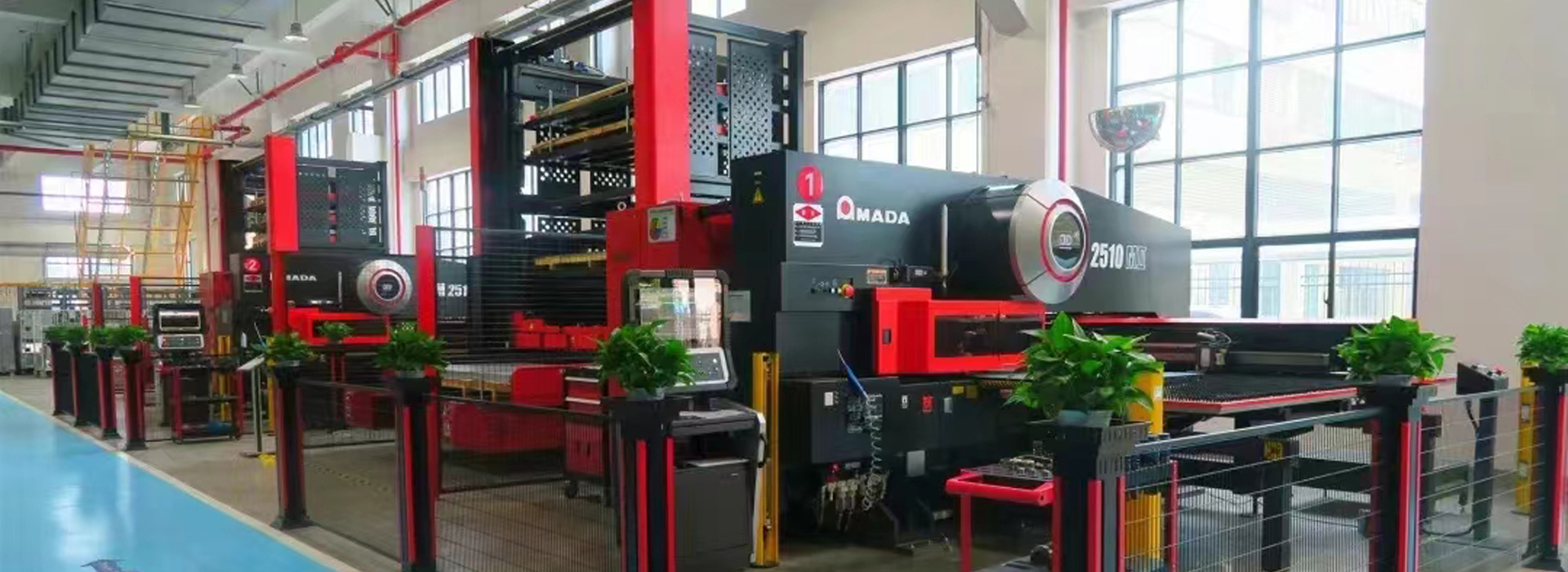
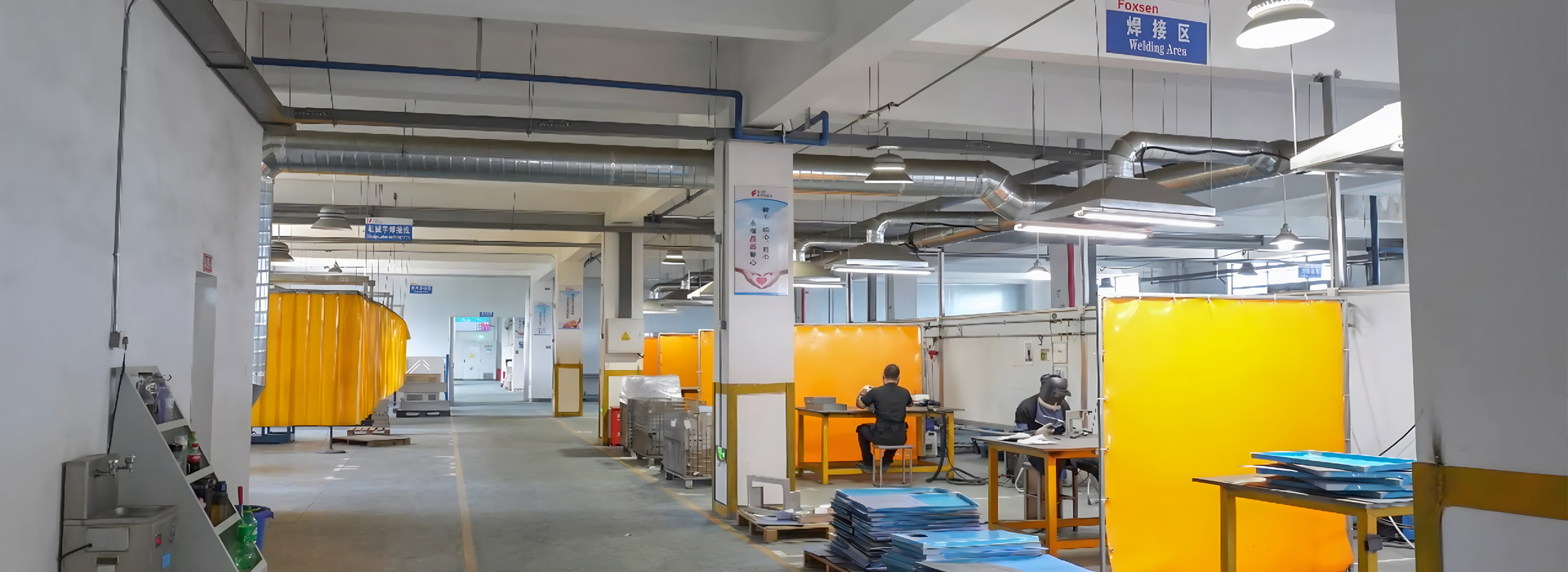
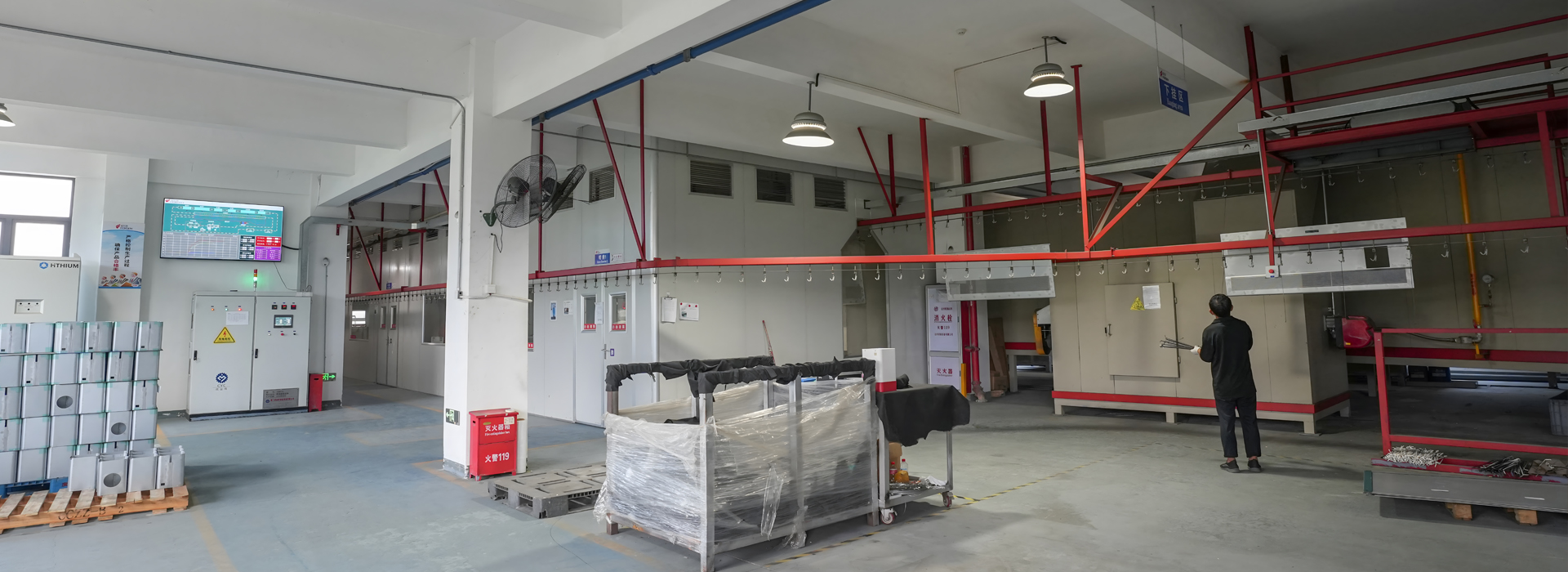
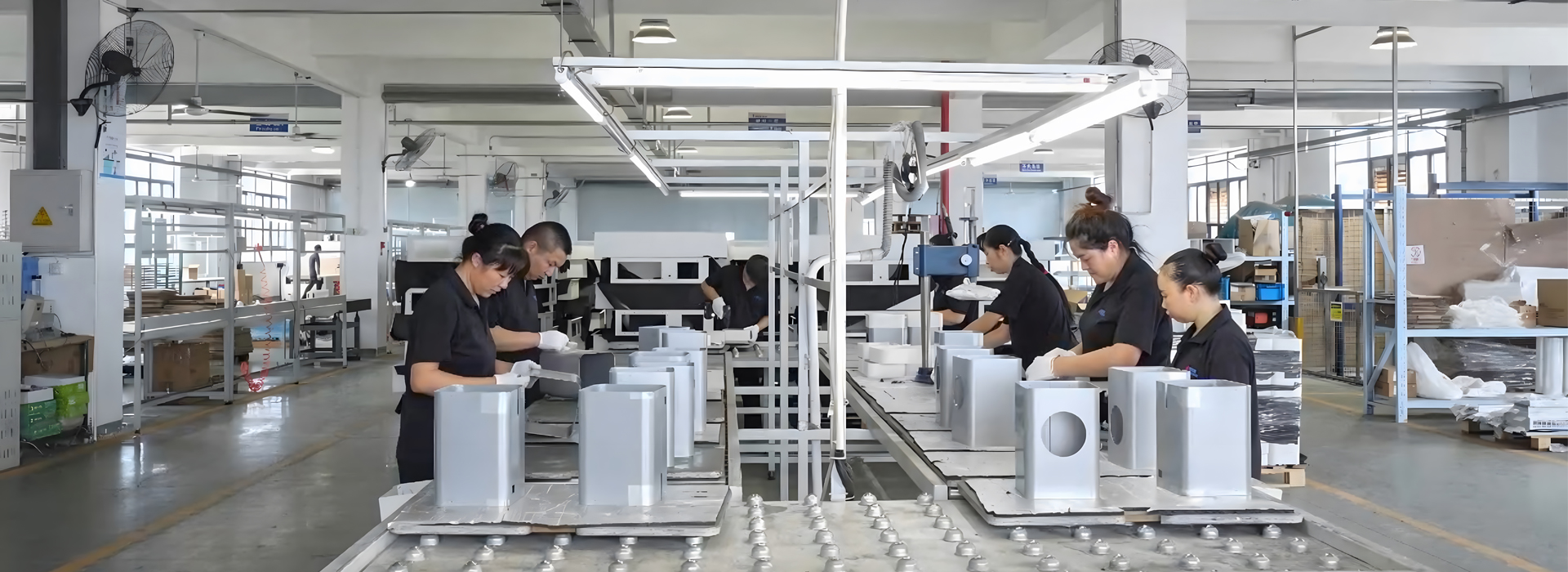
Industry Overview
The outdoor equipment cabinet serves as a critical protective infrastructure for telecommunications, energy distribution, industrial automation, and transportation systems deployed in exposed environments. According to industry data, the global market for outdoor enclosures continues expanding at approximately 6-8% annually, driven by 5G network densification, smart city initiatives, and renewable energy infrastructure growth.
Unlike indoor cabinets, an outdoor equipment cabinet must withstand direct exposure to sun, rain, snow, dust, and temperature extremes while maintaining stable internal conditions for sensitive electronics. This requires specialized engineering across materials science, thermal management, and environmental sealing.
Material Selection for Outdoor Durability
The choice of materials fundamentally determines the longevity and performance of any outdoor equipment cabinet. Manufacturers evaluate multiple factors including corrosion resistance, structural strength, weight, thermal conductivity, and cost.
Stainless steel remains a premium choice for harsh environments. Grade 316 stainless steel contains molybdenum, providing exceptional resistance to chloride corrosion in coastal or de-icing chemical environments. Grade 304 offers robust performance for general outdoor use at lower cost. A stainless steel enclosure typically delivers 20+ years of service life in properly specified applications .
Aluminum alloys provide an excellent strength-to-weight ratio, reducing installation labor and structural support requirements. Marine-grade aluminum (5083 or 6061 alloys) with powder coating offers corrosion resistance approaching stainless steel at approximately 40% weight reduction. Aluminum also conducts heat effectively, assisting passive thermal management .
Polycarbonate and glass-reinforced polyester (GRP) offer corrosion-free alternatives for specific applications. These materials eliminate rust concerns entirely, provide electrical insulation, and resist UV degradation when properly formulated. GRP cabinets from manufacturers like ABB's PolySafe series achieve IP66 ratings and IK10 impact resistance, making them suitable for heavy-duty industrial environments .
Environmental Protection Standards
An outdoor equipment cabinet must meet stringent international standards for ingress protection and mechanical resilience.
IP ratings define protection against solids and liquids. Outdoor installations typically require:
IP55: Dust-protected and protected against low-pressure water jets
IP65: Dust-tight and protected against low-pressure water jets
IP66: Dust-tight and protected against powerful water jets or heavy seas
IK ratings measure impact resistance. IK10 represents the highest standard, withstanding 20 joules of impact energy—equivalent to a 5kg object dropped from 400mm. This ensures the outdoor equipment cabinet resists vandalism and accidental impacts in public spaces .
NEMA ratings provide North American standards. NEMA 4X enclosures offer protection against corrosion, windblown dust and rain, hose-directed water, and ice formation—common requirements for outdoor electrical installations .
Thermal Management Challenges
Heat management represents the most technically demanding aspect of outdoor equipment cabinet design. Enclosed electronics generate internal heat while solar radiation adds external thermal load. Without proper thermal management, internal temperatures can exceed component ratings by 30-40°C, causing premature failure .
Passive cooling solutions include:
Solar radiation shielding through double-wall construction or sun shades
Natural convection ventilation with filtered openings
Thermally conductive materials that transfer heat to external surfaces
Active cooling becomes necessary for high-density installations. Options include:
Fan-based ventilation with filtered intake and exhaust
Thermoelectric coolers for moderate heat loads
Integrated air conditioning units for mission-critical applications in extreme climates
Raycap's analysis indicates that actively cooled cabinets extend equipment life by 2-3 times compared to passively cooled designs in high-temperature environments, while also preventing condensation-related corrosion .
Corrosion Protection and Surface Treatment
Even corrosion-resistant materials require proper surface treatment to maximize service life. The coating system for an outdoor equipment cabinet must withstand UV radiation, salt spray, chemical exposure, and physical abrasion.
Powder coating represents the industry standard for metal enclosures. Modern polyester powder coatings provide 10-15 years of outdoor durability with proper surface preparation. The process involves:
Surface cleaning and phosphate conversion coating
Electrostatic powder application
Multi-layer systems enhance protection for severe environments. Cathodic electrodeposition (CED) primers followed by powder topcoats provide superior corrosion resistance, achieving 1,000+ hours of salt spray testing per ASTM B117 standards .
Specialty coatings address specific environmental challenges:
Zinc-rich primers provide sacrificial protection for steel
Fluoropolymer topcoats offer maximum UV resistance
Antimicrobial additives prevent biological growth in humid environments
Modular Design and Scalability
Modern outdoor equipment cabinet designs increasingly emphasize modularity and scalability. This approach reduces deployment costs and accommodates future technology upgrades.
Modular construction allows:
Mix-and-match component configurations
Easy expansion without cabinet replacement
Simplified maintenance through interchangeable modules
nVent SCHROFF's modular outdoor cabinets exemplify this trend, with adjustable widths from 700-2000mm, heights from 1000-2100mm, and depths from 500-1200mm in 50mm increments. This flexibility enables standardization across diverse deployment scenarios .
Applications Across Industries
Telecommunications represents the largest market segment for outdoor equipment cabinets. 5G small cells, fiber distribution nodes, and remote radio units require compact, thermally managed enclosures mounted on poles, walls, or concrete pads. The U.S. alone deploys 50,000-70,000 small cells annually, driving significant demand .
Energy distribution applications include:
Pad-mounted switchgear enclosures
Solar combiner boxes and inverter housings
EV charging station equipment cabinets
Transportation infrastructure relies on outdoor cabinets for:
Traffic signal controllers
Railway signaling equipment
Intelligent transportation system nodes
Industrial automation extends to outdoor process control, remote monitoring stations, and oil/gas field equipment where corrosion resistance and temperature tolerance are critical .
Future Trends
Edge computing integration is transforming the outdoor equipment cabinet into a distributed data center node. 5G networks increasingly incorporate processing capability at the edge, requiring cabinets that accommodate both communications and computing hardware with appropriate cooling and power redundancy .
Smart monitoring capabilities are becoming standard. Embedded sensors track internal temperature, humidity, door status, and power consumption, transmitting data to centralized management platforms for predictive maintenance .
Sustainable materials and manufacturing gain importance as environmental regulations tighten. Recycled aluminum, low-carbon steel, and bio-based plastics appear in next-generation designs, while energy-efficient cooling reduces operational carbon footprint.
Higher power density continues challenging thermal engineers. As equipment shrinks while performance increases, the outdoor equipment cabinet must evolve to dissipate more heat from smaller footprints, driving innovation in liquid cooling and advanced thermal interface materials.
Conclusion
The outdoor equipment cabinet has evolved from a simple weatherproof box to a sophisticated engineered system integrating materials science, thermal dynamics, and intelligent monitoring. Its design directly impacts the reliability, service life, and total cost of ownership for critical infrastructure deployed in challenging environments. Understanding the technical factors—material selection, environmental protection, thermal management, and modular scalability—enables informed decisions that ensure long-term performance and operational efficiency.