

Powder Painting: The Durable Metal Finish That Outlasts the Equipment

Why Surface Protection Matters
Every metal component—whether equipment enclosures, metal control panels, structural frames, or specialized housings like electronic enclosure and battery enclosure—faces the same threats: moisture, chemicals, UV radiation, and physical wear. Without proper protection, even the highest-grade metal will corrode, fade, or fail prematurely. That is where powder painting becomes essential. It is not just about appearance. It is about extending the service life of the metal product by years, sometimes decades. A well-applied powder painting coating turns raw metal into a durable, weather-resistant surface that withstands harsh industrial environments.
How Powder Painting Works on Metal
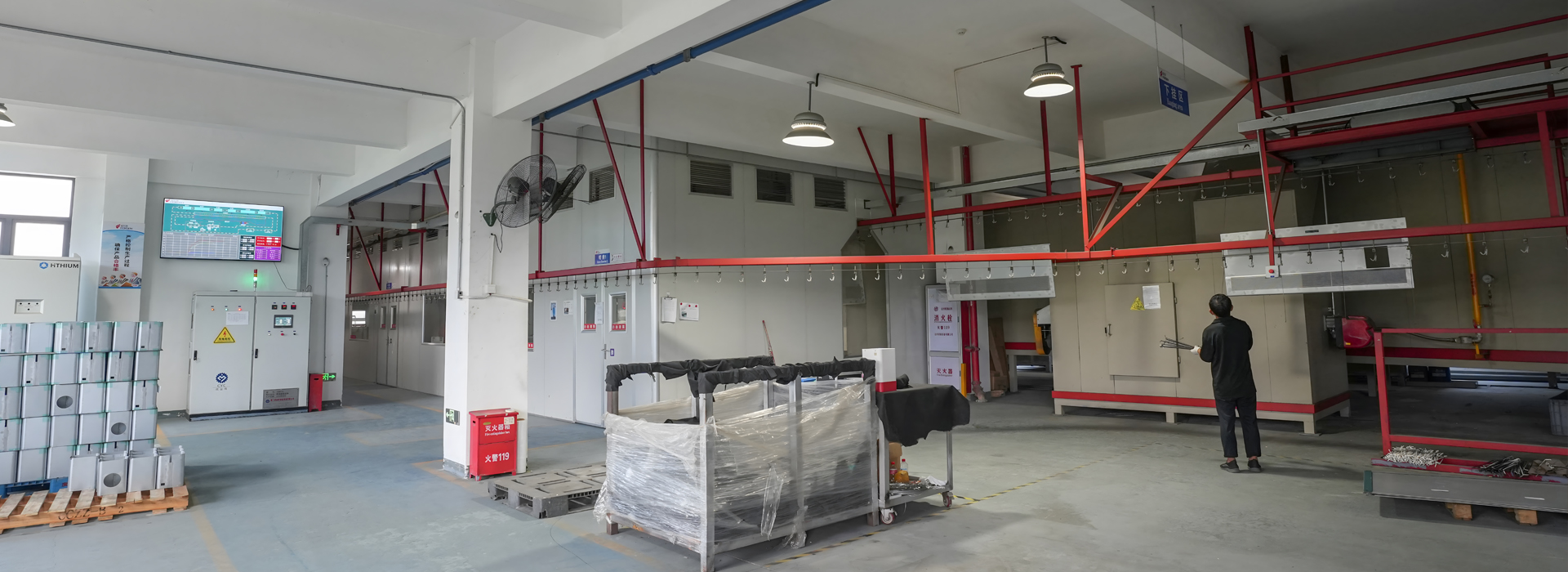
Powder painting is a dry finishing process that applies a protective layer to conductive metal surfaces. Unlike liquid paint, which uses solvents to carry pigments, powder painting uses electrostatically charged particles. The dry powder is sprayed onto the grounded metal workpiece. The charge causes the particles to adhere evenly across the surface, including hard-to-reach corners and edges. The coated metal then enters a curing oven, where the powder melts and cross-links into a continuous, durable film. This process creates a bond that is stronger and more resilient than conventional liquid coatings.
For metal products exposed to outdoor elements—such as outdoor battery enclosure units or telecom cabinets—powder painting provides the first line of defense against corrosion. It is the standard finish for equipment enclosures and metal control panels in industrial settings, ensuring long-term protection even under constant handling and cleaning.
The Seven-Step Powder Painting Process for Metal
A professional powder painting line follows a strict sequence to ensure consistent quality on every metal part:
1. Surface cleaning: The metal must be free of oil, grease, and dust. Any contamination prevents proper adhesion. Alkaline or solvent-based cleaners remove fabrication residues from equipment enclosures, metal control panels, and structural frames.
2. Pretreatment: Chemical conversion coating—phosphate or zirconium—creates a microscopic profile on the metal surface. This step is critical for metal types like aluminum and galvanized steel, which require specific etchants for optimal powder grip.
3. Drying: Moisture is removed from the metal before powder application. Any trapped water causes bubbles during curing, compromising the finish on equipment enclosures and other critical components.
4. Powder application: Electrostatic spray guns deposit the powder onto the grounded metal workpiece. Overspray is collected and recycled, making powder painting an environmentally efficient process for high-volume metal fabrication of metal control panels and structural frames.
5. Curing: The coated metal enters an oven at 180-200°C for 10-20 minutes. The powder melts, flows, and cross-links into a hard film. Time and temperature must be precisely controlled; under-cured powder remains soft, while over-cured powder becomes brittle.
6. Cooling: Parts are air-cooled before handling. Rushing this step can damage the still-soft coating on the metal surface of finished equipment enclosures.
7. Quality inspection: Film thickness, gloss, adhesion, and color consistency are verified. A quality powder painting job on metal passes a cross-hatch adhesion test with no peeling—a standard requirement for all metal control panels and structural frames used in demanding environments.
Liquid Paint vs. Powder Painting on Metal
The advantages of powder painting over liquid paint are particularly evident when finishing metal components such as equipment enclosures, metal control panels, and structural frames:
Transfer efficiency: Powder painting achieves 60-70% material utilization. Overspray on metal parts can be collected and reused. Liquid paint wastes 40-50% as solvent evaporation and overspray.
Coating thickness: Powder painting applies 60-80 microns on metal in a single coat. Liquid paint requires multiple coats to reach the same thickness on metal surfaces.
Edge coverage: Powder painting flows around sharp metal edges, creating a continuous protective film. Liquid paint pulls away from metal edges, leaving thin spots vulnerable to corrosion—a critical issue for equipment enclosures and structural frames.
Chemical resistance: Cured powder painting on metal resists acids, alkalis, and solvents far better than liquid paints, making it the preferred finish for industrial metal control panels.
For a stainless steel enclosure used in chemical plants, powder painting adds an extra barrier against aggressive cleaning agents while maintaining the aesthetic uniformity expected from high-quality equipment enclosures.
Metal Types That Benefit from Powder Painting
Powder painting works on any conductive metal, but each requires specific preparation:
Mild steel: The most common substrate. Zinc phosphate pretreatment prevents rust under the coating. Powder painting on mild steel is standard for industrial electronic enclosure products and heavy-duty structural frames.
Galvanized steel: Requires special pretreatment to prevent saponification during curing. A quality powder painting line includes a galvanized-specific wash for this metal type, commonly used in outdoor equipment enclosures.
Aluminum: Etch or zirconium pretreatment. Powder painting seals the porous aluminum metal, preventing filiform corrosion under the film—ideal for lightweight metal control panels.
Stainless steel: A light blast or chemical etch creates adhesion. Powder painting on stainless steel metal is common for color-coded equipment enclosures and metal control panels in food and pharmaceutical plants.
A battery enclosure for outdoor solar storage often uses steel metal with powder painting to resist salt spray and UV exposure, ensuring the metal structure—along with its associated metal control panels and structural frames—remains intact for decades.
Common Defects and How to Avoid Them on Metal
Even skilled powder painting operators encounter defects when finishing metal parts like equipment enclosures and metal control panels:
Orange peel: Uneven surface texture. Caused by incorrect powder particle size or poor flow. Fix: adjust spray parameters for the specific metal type.
Pinholes: Tiny holes in the film. Caused by outgassing from the metal substrate. Fix: preheat metal parts before painting to release trapped air—especially important for cast structural frames.
Fisheyes: Circular craters. Caused by silicone contamination on the metal surface. Fix: improve cleaning protocols for equipment enclosures.
Poor adhesion: Coating peels off the metal. Caused by inadequate pretreatment. Fix: verify chemical bath concentrations for the specific metal alloy used in metal control panels.
Color variation: Batch-to-batch mismatch. Caused by cure temperature variation. Fix: monitor oven temperature zones to ensure consistent curing across all metal parts, including large structural frames.
A reputable powder painting shop provides a quality report with every batch, documenting film thickness and adhesion test results for all metal components—whether they are equipment enclosures, metal control panels, or structural frames.
Environmental Benefits of Powder Painting on Metal
Powder painting is the environmentally responsible choice for finishing metal products:
Zero VOCs: No solvents are released into the atmosphere during powder painting of metal parts.
Recyclable overspray: 95-98% of overspray powder from metal components can be collected and reused.
No hazardous waste: Powder painting generates no sludge, no spent solvents, and no filter cakes when processing metal workpieces.
Energy efficient: Curing ovens are insulated, and heat recovery systems reduce fuel consumption for metal finishing operations.
For companies seeking green manufacturing certifications, powder painting is the preferred finishing method for their metal products—especially equipment enclosures, metal control panels, and structural frames destined for environmentally regulated industries.
Conclusion
Powder painting is the most durable and cost-effective finishing method for metal components across industries. It delivers a uniform, corrosion-resistant coating that outlasts liquid paint by 2-3 times. Whether you are finishing a stainless steel enclosure for a chemical plant, a battery enclosure for a solar farm, an electronic enclosure for industrial controls, or high-use metal control panels and structural frames, powder painting ensures your metal product looks good and performs reliably for years. The combination of environmental efficiency, superior protection, and aesthetic flexibility makes powder painting the smart choice for any metal fabrication project—from simple brackets to complex equipment enclosures.