

Sheet Metal Manufacturing: The Backbone of Modern Industrial Production
From Flat Sheets to Functional Industrial Products
Modern industry relies heavily on components formed from flat metal sheets. Through a series of precise fabrication processes, sheet metal is transformed into enclosures, brackets, frames, cabinets, and structural parts used across nearly every industrial sector.
Without sheet metal fabrication, critical systems such as electrical cabinets, control enclosures, energy storage housings, and communication equipment would not exist in their current form.
Among all materials used in metal fabrication, stainless steel remains one of the most important due to its excellent corrosion resistance, strength, and long service life.
Core Processes in Sheet Metal Fabrication
Sheet metal manufacturing typically involves four key stages: cutting, forming, bending, and assembly. Each stage requires precision equipment and experienced engineering control.
1. Cutting
The fabrication process begins by cutting raw metal sheets into required shapes.
Common cutting methods include:
• Fiber laser cutting (high precision, minimal distortion)
• Plasma cutting (suitable for thicker materials)
• CNC punching (efficient for high-volume production)
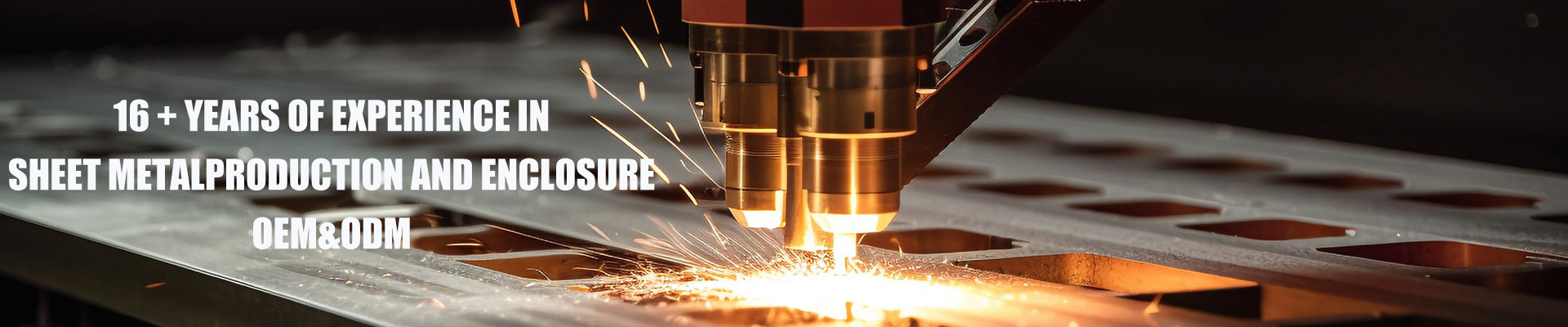
Laser cutting is widely used for stainless steel parts because it delivers clean edges and maintains material integrity without contamination.
2. Bending
Flat metal is transformed into 3D structures through CNC press brake bending.
Modern bending systems can achieve tight tolerances and consistent angles across large production batches. However, stainless steel requires special attention due to its higher springback compared to mild steel.
Proper tooling selection and operator experience are essential to ensure dimensional accuracy.
3. Forming and Deep Drawing
For complex geometries such as deep housings or enclosures, forming and drawing processes are used.
These techniques are widely applied in:
• Battery enclosures
• Automotive panels
• Electrical housings
Stainless steel grades such as 304 and 316 are commonly selected due to their formability and corrosion resistance.
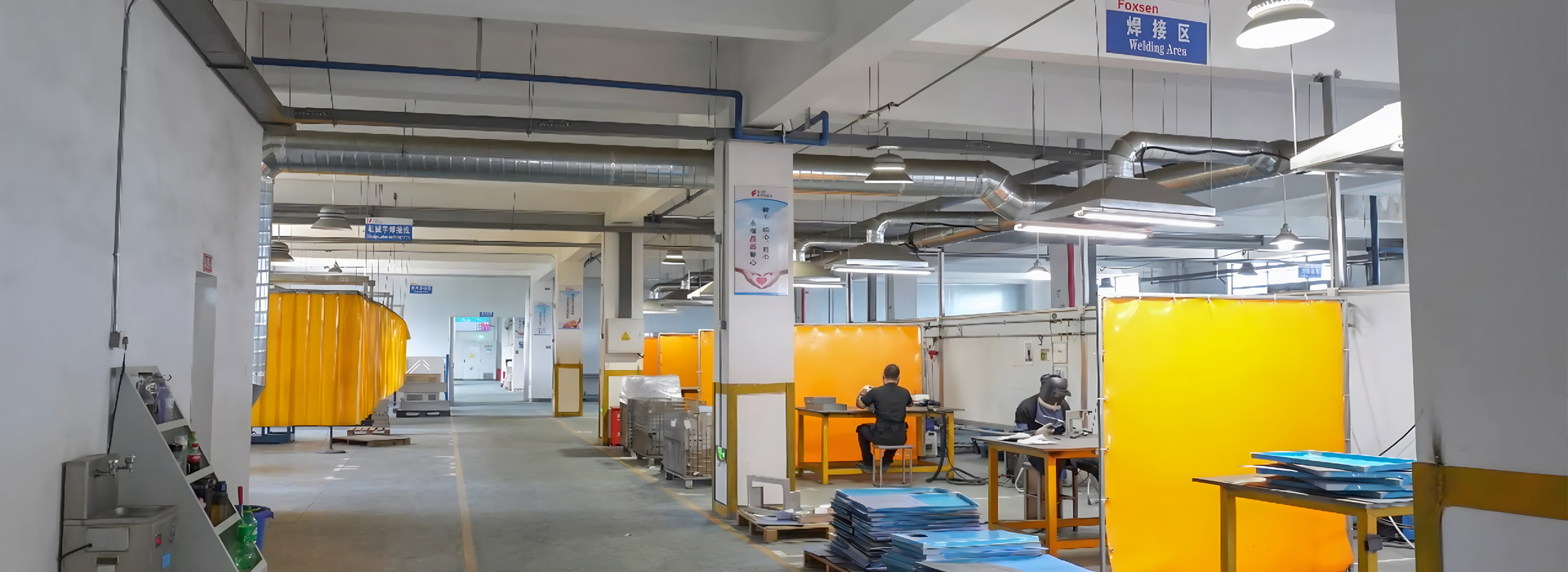
4. Welding and Assembly
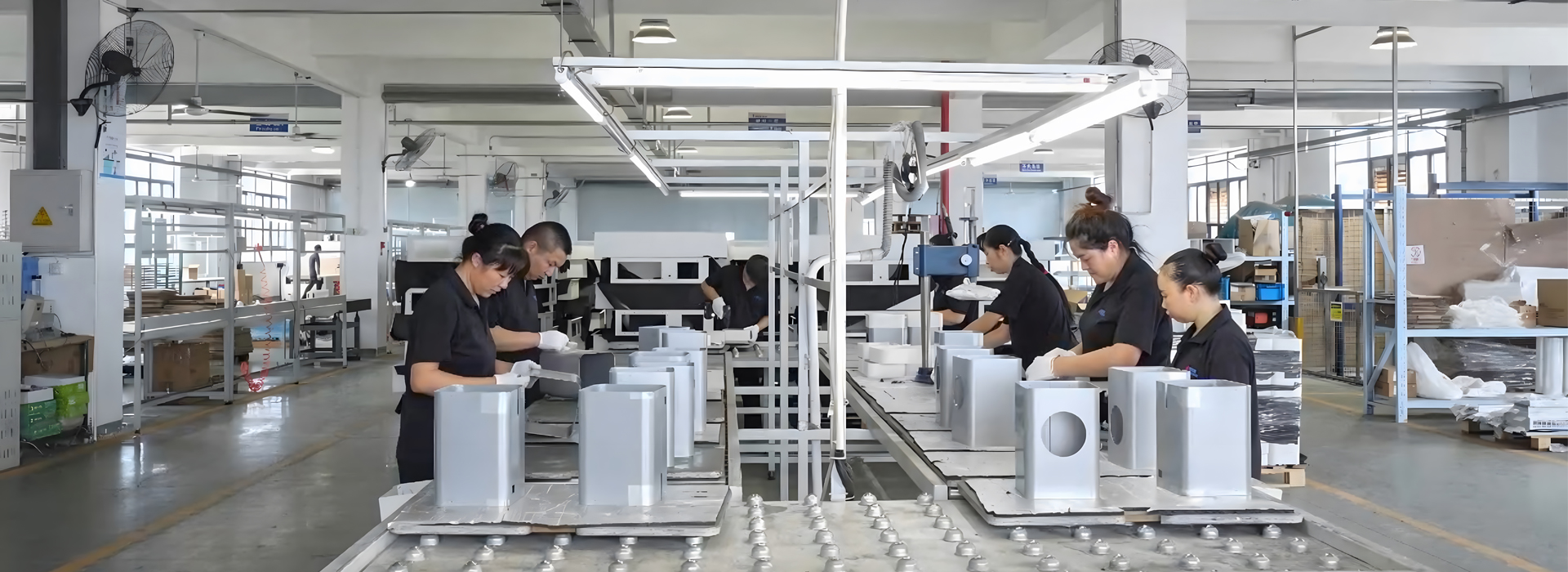
The final stage involves joining components into complete assemblies.
Common methods include:
• TIG welding (especially for stainless steel)
• Riveting
• Mechanical fastening
High-quality welding ensures structural strength, sealing performance, and aesthetic appearance, especially for industrial enclosures used in harsh environments.
Materials Used in Sheet Metal Manufacturing
Different materials are selected based on application requirements:
Mild Steel
Cost-effective and widely used for general fabrication and indoor enclosures.
Galvanized Steel
Provides improved corrosion resistance, commonly used for outdoor electrical cabinets and HVAC systems.
Aluminum
Lightweight material with good thermal performance, widely used in electronics and transportation industries.
Stainless Steel
A premium material used in demanding environments such as food processing, marine, pharmaceutical, and chemical industries. Grades 304 and 316 are most commonly used, with 316 offering superior resistance to chloride corrosion.
Copper & Brass
Used in electrical components such as busbars and connectors due to high conductivity.
Modern Equipment in Sheet Metal Production
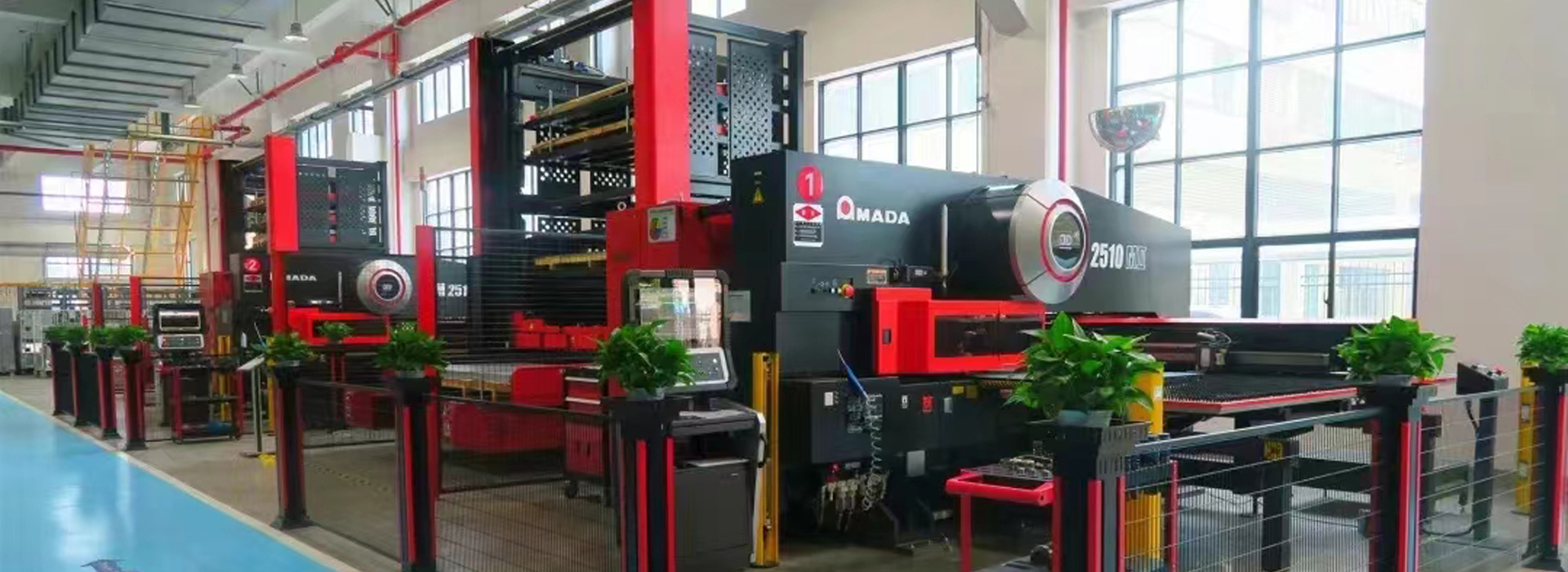
Advanced manufacturing relies on high-precision equipment, including:
• Fiber laser cutting machines
• CNC turret punching systems
• CNC press brakes with automatic angle correction
• Automated material handling systems
These technologies ensure efficiency, repeatability, and high precision in both prototyping and mass production.
Design Guidelines for Sheet Metal Parts
Well-designed components reduce cost and improve manufacturability. Key design considerations include:
• Consistent bend radius to reduce tooling changes
• Proper hole distance from bend lines (to avoid deformation)
• Corner relief design to prevent cracking
• Grain direction awareness for improved forming results
Design for manufacturability (DFM) is especially important for stainless steel parts due to springback behavior.
Quality Control in Sheet Metal Manufacturing
Reliable manufacturers implement strict quality control processes:
• First article inspection (FAI)
• In-process quality checks
• Final dimensional inspection
• Material certification verification
For stainless steel components, additional testing such as surface finish inspection and corrosion resistance validation may be required.
Industrial Applications
Sheet metal fabrication is widely used across industries:
• Electronics: Server racks, control panels, electronic enclosures
• Energy: Battery storage systems, solar power cabinets
• Telecommunications: Outdoor network cabinets and infrastructure housings
• Medical: Sterilizable stainless steel equipment housings
• Automotive: Structural brackets and thermal shields
• Construction: Electrical panels, ducts, and architectural components
Why Stainless Steel Matters
Stainless steel plays a critical role in modern fabrication due to its durability and resistance to harsh environments. It is widely used in applications where long service life and minimal maintenance are required.
Its recyclability also makes it a sustainable choice for modern manufacturing industries.
About Foxsen Industrial Technology
Foxsen Industrial Technology Co., Ltd., based in Xiamen, China, specializes in custom sheet metal manufacturing and precision metal fabrication.
We provide OEM and ODM services for global clients in industries such as:
• Data centers
• Energy storage systems
• Industrial equipment
• Precision electronics
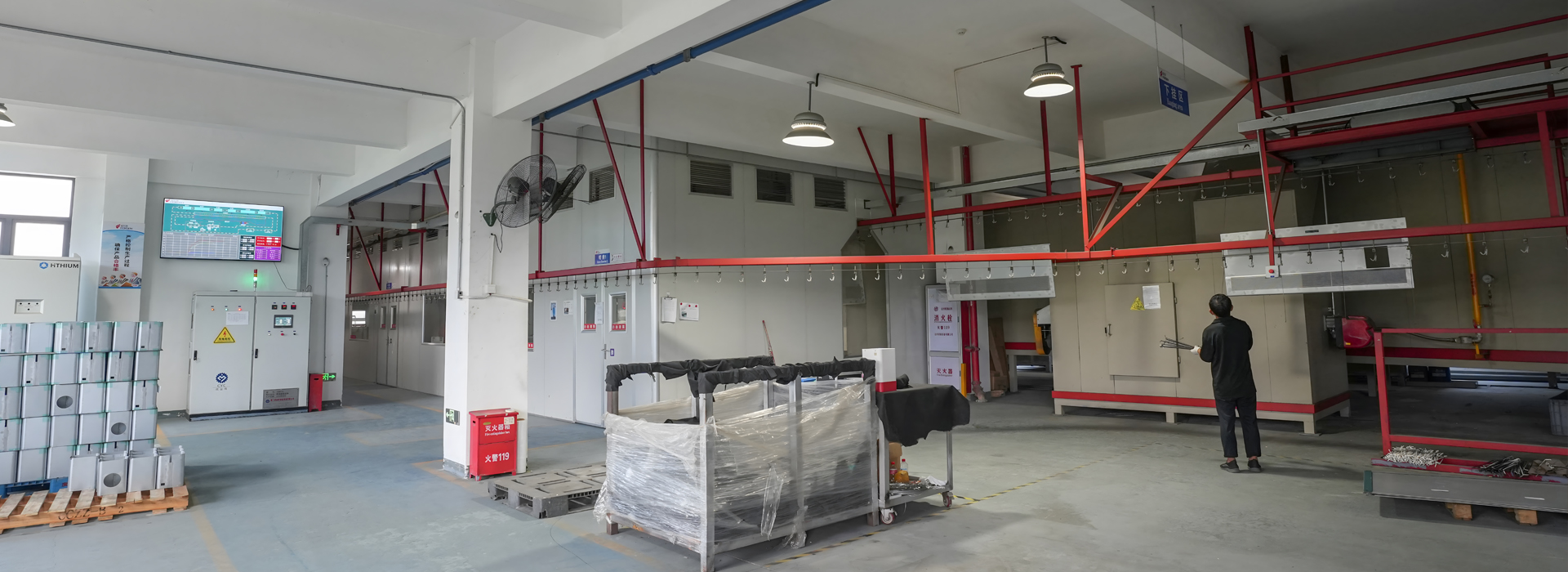
Our capabilities include laser cutting, CNC bending, welding, surface treatment, and full assembly services.
With ISO 9001 and IATF 16949 certification, Foxsen supports projects from prototyping to mass production with strict quality control and reliable lead times.
Frequently Asked Questions (FAQ)
What is sheet metal manufacturing?
It is the process of transforming flat metal sheets into functional parts through cutting, bending, forming, and assembly.
What materials are commonly used?
Mild steel, stainless steel, aluminum, and galvanized steel are the most widely used materials.
What is the typical lead time?
Lead time depends on complexity and quantity, typically ranging from prototype runs to mass production schedules.
Do you support OEM/ODM projects?
Yes, Foxsen provides full OEM/ODM sheet metal fabrication services.
Contact Us
If you are looking for a reliable sheet metal manufacturing partner in China, please contact us for custom solutions and quotations.
We are ready to support your next project from design to production.