

In the realm of industrial and commercial hardware, certain foundational products demonstrate remarkable longevity and adaptability. The Sheet Steel Cabinet stands as a prime example of such a component. Defined by its construction from formed and joined sheets of steel, this type of enclosure continues to be a cornerstone solution for housing electrical, electronic, and mechanical systems across a vast array of sectors. This article explores the persistent relevance of the Sheet Steel Cabinet, examining its core characteristics, the manufacturing processes behind it, its diverse applications, and the objective factors influencing its specification and use in modern projects.
1. Defining Characteristics and Material Advantages
A Sheet Steel Cabinet is fundamentally characterized by its construction material and method. It is fabricated from cold-rolled or hot-rolled steel sheets, which are cut, bent, and assembled to form a rigid, enclosed structure. The inherent properties of sheet steel confer several key advantages that underpin its enduring popularity:
Structural Strength and Rigidity: Steel provides an excellent strength-to-cost ratio, offering superior protection against impact, vibration, and accidental damage compared to many alternative materials. This makes a Sheet Steel Cabinet ideal for demanding environments like factory floors or transportation.
Electromagnetic Interference (EMI) Shielding: Steel naturally provides a high degree of shielding against electromagnetic interference, a critical requirement for cabinets housing sensitive communication equipment, control systems, or medical devices.
Fire Resistance: Steel is a non-combustible material, enhancing the safety profile of installations, particularly in energy distribution, data centers, and industrial control settings.
Cost-Effectiveness for Standard Sizes: For high-volume, standard-sized enclosures, the raw material cost and efficiency of fabrication make the Sheet Steel Cabinet a highly economical choice.
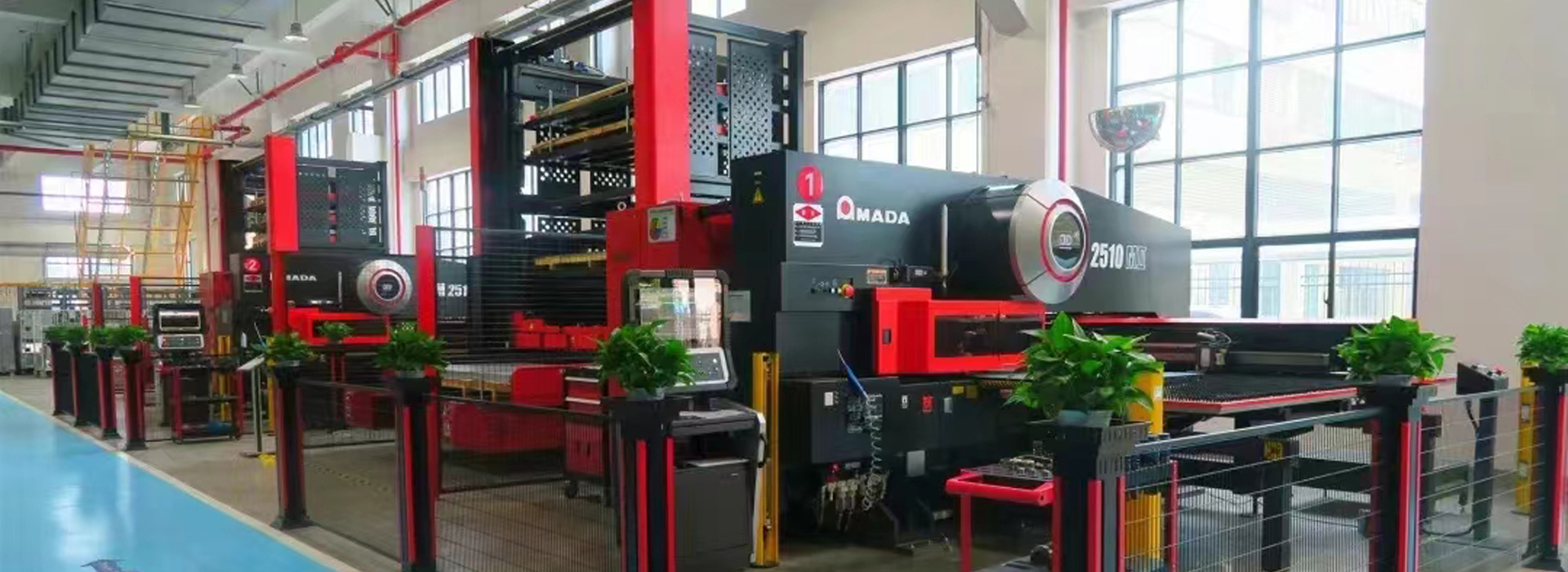
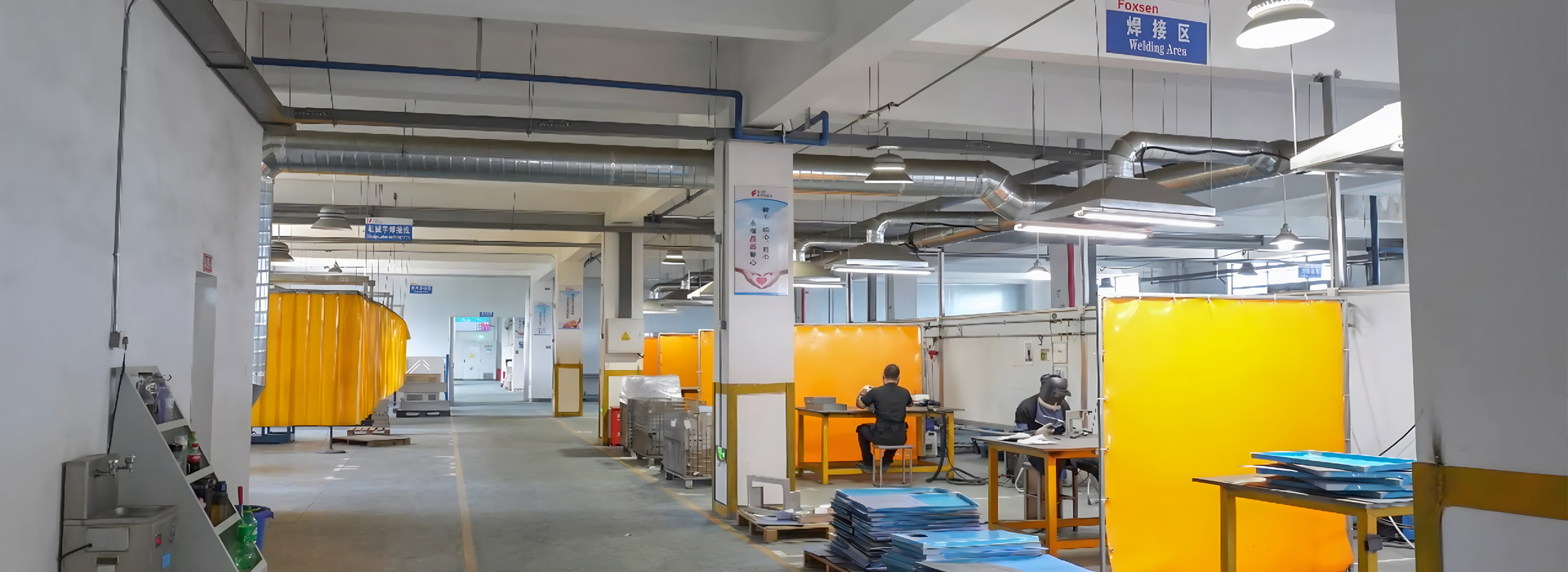
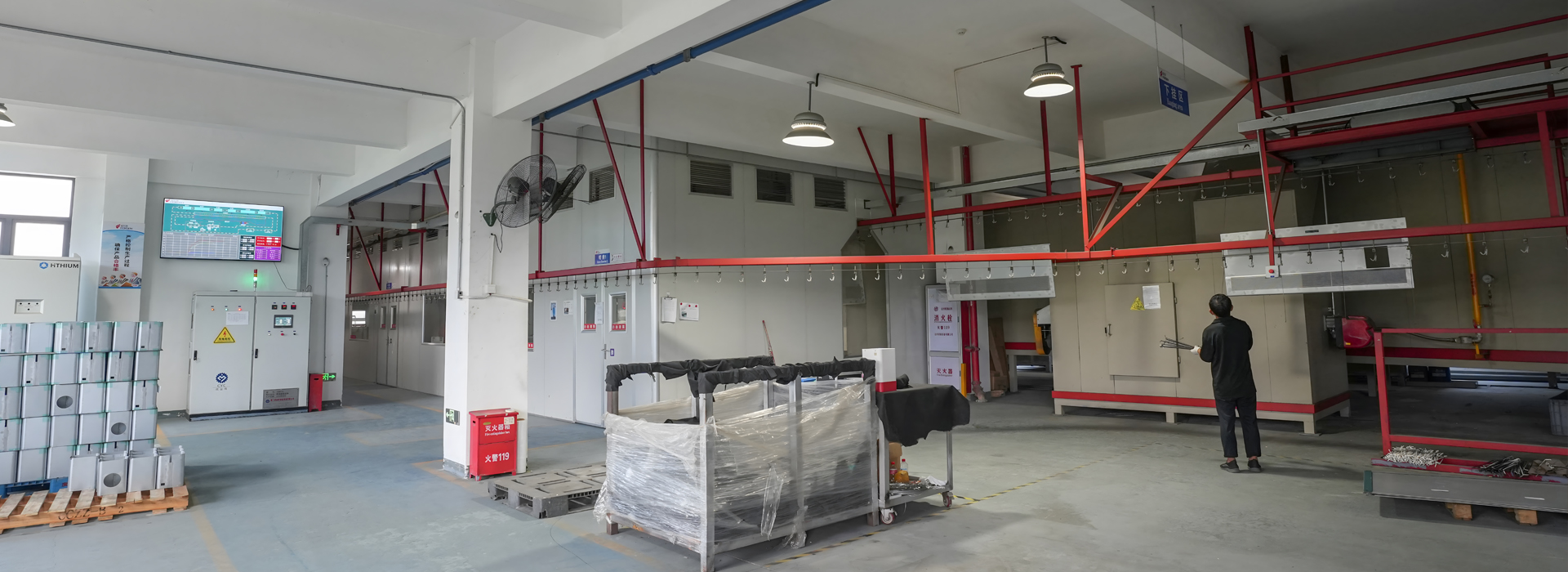
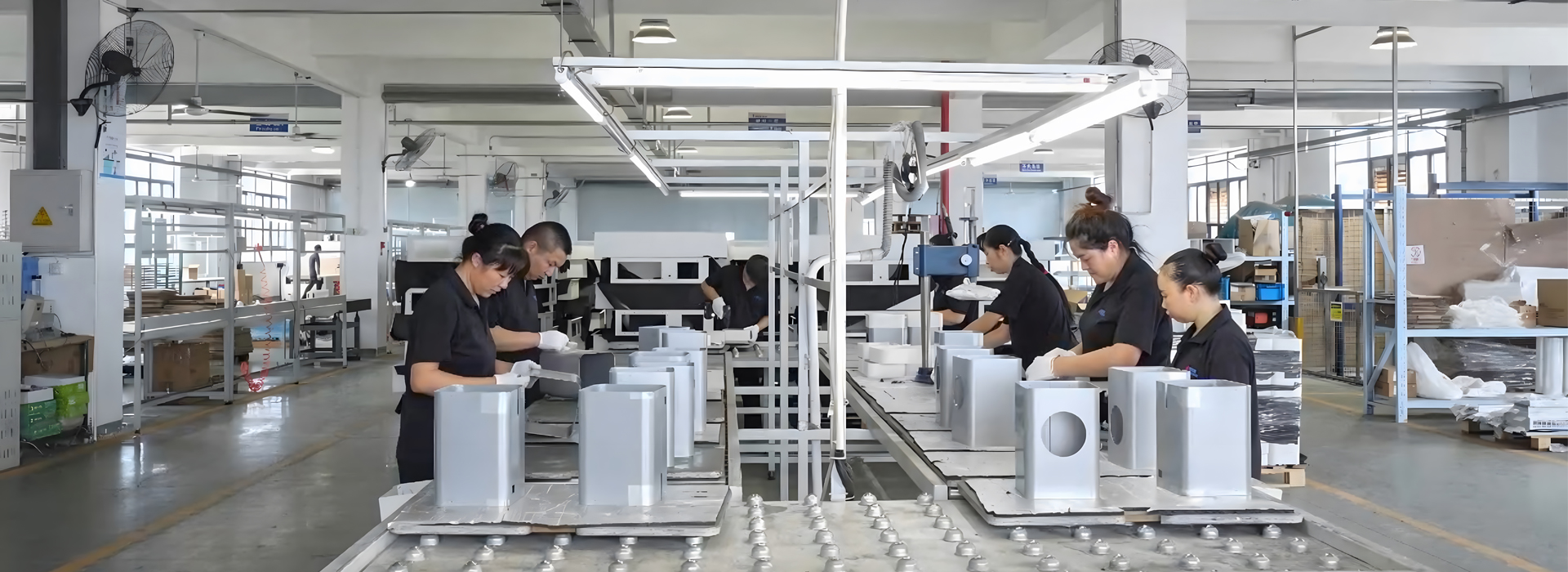
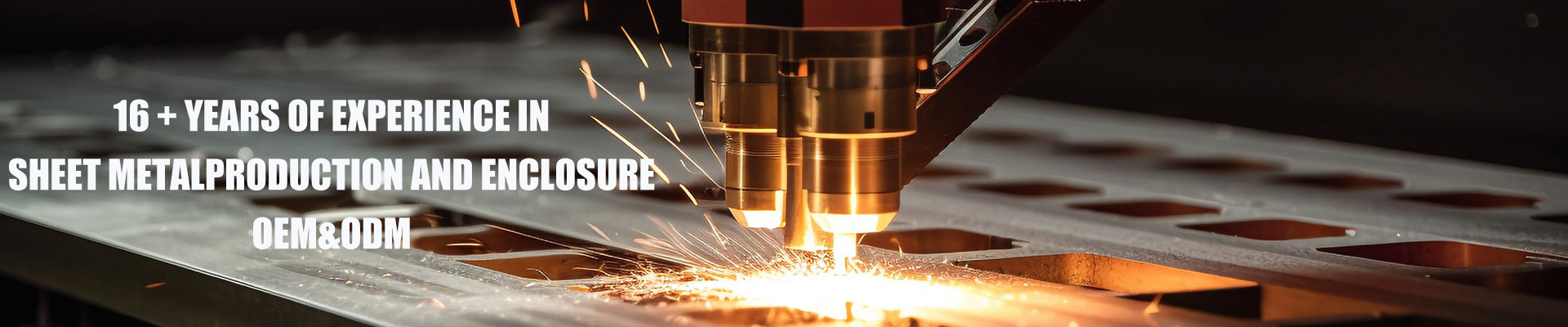
The typical journey of a Sheet Steel Cabinet begins with design and flat pattern development, followed by cutting (via laser, plasma, or punching), precision bending on press brakes, and finally joining through welding, riveting, or screwing. Surface finishing, most commonly powder coating, is then applied for corrosion protection and aesthetics.
2. Primary Applications Across Industries
The versatility of the Sheet Steel Cabinet ensures its presence in nearly every heavy industry and many commercial ones. Its application is dictated by the need for durability, security, and organization.
Industrial Automation and Control: This is perhaps the most traditional and widespread application. Sheet Steel Cabinets house programmable logic controllers (PLCs), motor drives, terminal blocks, and power supplies on manufacturing lines. They protect these critical components from dust, moisture, and physical interference.
Electrical Power Distribution: From main low-voltage switchboards to smaller distribution boards, Sheet Steel Cabinets provide the secure and safe enclosure for circuit breakers, switches, and busbars. Their robust construction is essential for containing potential electrical faults.
Telecommunications and Data: While server racks have evolved, ancillary equipment such as network switches, patch panels, fiber optic termination units, and backup power systems are frequently installed in sturdy Sheet Steel Cabinets, especially in industrial or outdoor secondary locations.
Tools and Machinery Integration: Sheet Steel Cabinets are ubiquitous as integral parts of larger machinery, acting as control pendants, operator interfaces, or housing for hydraulic/pneumatic control units.
The specification of a Sheet Steel Cabinet often involves selecting appropriate IP (Ingress Protection) ratings, internal mounting options, door styles (solid, windowed, ventilated), and custom cut-outs for displays or connectors.
3. Objective Considerations: Sheet Steel Cabinet vs. Alternatives
The decision to use a Sheet Steel Cabinet is not automatic and is often weighed against alternatives like stainless steel, aluminum, or polycarbonate enclosures. An objective analysis reveals a clear trade-off matrix:
Corrosion Resistance: This is the primary drawback of standard carbon steel. In highly corrosive environments (coastal, chemical processing, food & beverage), a standard powder-coated Sheet Steel Cabinet may be insufficient, necessitating stainless steel or aluminum, or significantly more robust surface treatments.
Weight: Steel cabinets are substantially heavier than aluminum equivalents. This impacts shipping costs, installation requirements (needing stronger supporting walls or floors), and portability.
Thermal Conductivity: Steel has lower thermal conductivity than aluminum, which can be a disadvantage for enclosures with high internal heat loads, requiring more active cooling solutions.
Magnetic Properties: While beneficial for EMI shielding, the magnetic nature of steel can be a disadvantage in applications involving certain sensors or medical imaging equipment.
Therefore, the choice for a Sheet Steel Cabinet is typically driven by a combination of factors: a non-corrosive or controlled indoor environment, a need for high strength and security, budget constraints for standard solutions, and mandatory EMI shielding requirements. In scenarios where extreme corrosion resistance or minimal weight is paramount, other materials become the objective choice.
4. Market Trends and Future Outlook
The market for Sheet Steel Cabinets remains stable and mature, evolving in response to broader industrial trends rather than being displaced. Key trends include:
Increased Customization: The flexibility of sheet metal fabrication allows for a high degree of customization. Demand is growing for Sheet Steel Cabinets with specific internal layouts, integrated cooling, pre-installed backplanes, and custom finishes to match corporate or machinery aesthetics.
Smart Manufacturing Integration: As part of the Industry 4.0 wave, there is a growing need to integrate environmental sensors (for temperature, humidity, door contact) into cabinets for predictive maintenance. The Sheet Steel Cabinet is being adapted to serve as a platform for these smart monitoring systems.
Focus on Sustainability: The high recyclability of steel is a significant environmental benefit. Manufacturers and end-users are increasingly considering the full lifecycle impact, where the Sheet Steel Cabinet scores well due to the ease of recycling steel at the end of its long service life.
In conclusion, the Sheet Steel Cabinet remains an indispensable, practical, and economically sound solution for a massive range of enclosure needs. Its future is not one of obsolescence but of continued refinement and integration with smarter, more connected industrial ecosystems. Its specification will continue to be a rational decision based on a clear-eyed assessment of environmental conditions, performance requirements, and total cost of ownership.