

Industry Background and Technological Transition
With the continuous advancement of global industrial automation and digital infrastructure construction, sheet metal cabinets, serving as the core carriers for housing and protecting critical electrical, electronic, and communication equipment, are undergoing profound changes in their manufacturing technology. According to data released by international market research firm Frost & Sullivan in 2024, the global sheet metal cabinet fabrication market is projected to reach $43.5 billion by 2026, with an estimated compound annual growth rate (CAGR) of approximately 5.8% between 2023 and 2026. This growth is primarily driven by data center expansion, Industrial Internet of Things (IIoT) device deployment, and the rapid development of new energy infrastructure. The Asia-Pacific market now accounts for 46% of the global total, while North American and European markets maintain technological leadership in high-end customized and intelligent cabinets.
In this process, sheet metal cabinet fabrication is transitioning from traditional modes reliant on manual expertise and standalone machines towards integrated systems based on digital design and automated production. This transformation not only enhances production efficiency and product consistency but also propels the entire industry toward higher value-added, greater reliability, and faster response capabilities.
Digital Reshaping of Core Manufacturing Processes
Modern sheet metal cabinet fabrication begins with a fully digital design phase. Computer-Aided Design and Manufacturing (CAD/CAM) software now enables seamless translation from 3D models to machine tool code. Software like SolidWorks and Autodesk Inventor incorporate specialized modules for sheet metal processing, automatically calculating flat patterns, bend allowances, and interference checks. The latest cloud collaboration platforms allow design, engineering, and production teams to synchronize in real-time, reducing the average time from design to prototype for new products by 40%. This digital front-end is foundational for ensuring the efficiency and precision of subsequent sheet metal cabinet fabrication stages.
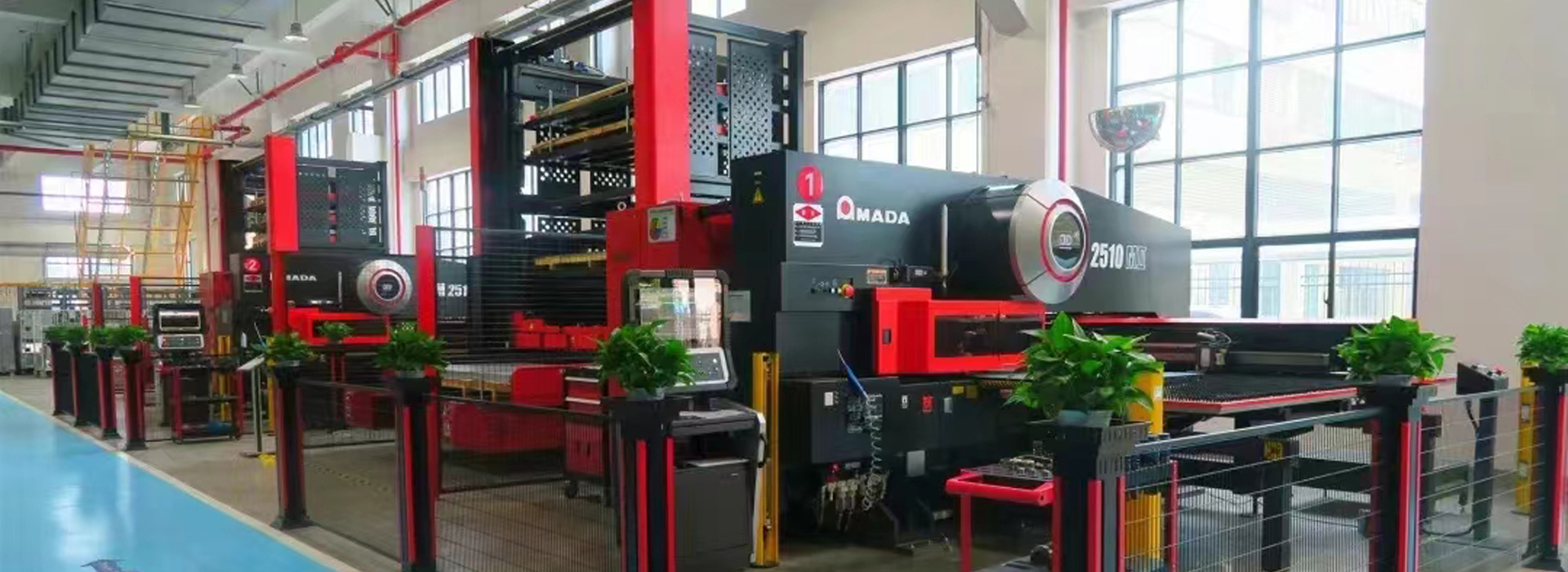
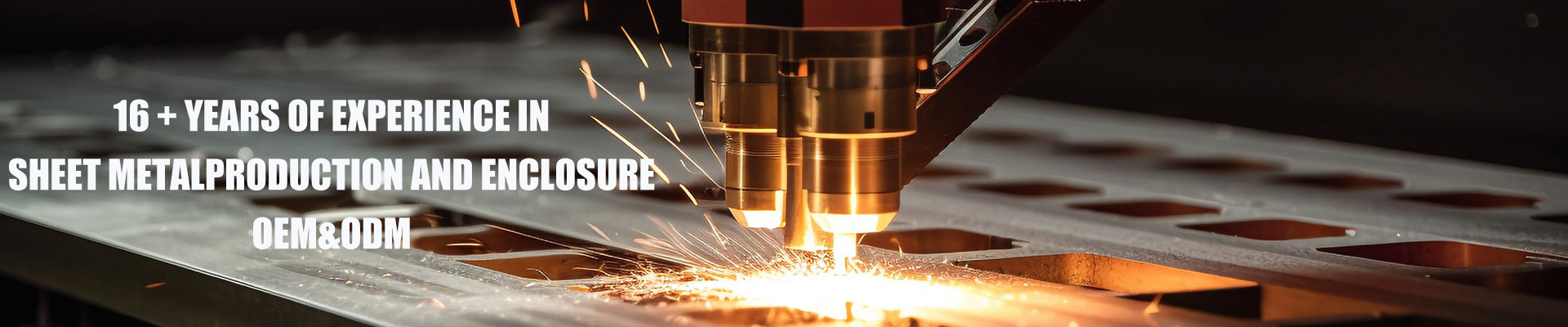
Technological advancements in the blanking stage are particularly notable. High-power fiber laser cutting has become mainstream, achieving precision up to ±0.05mm and capable of performing cutting, piercing, and marking in a single operation. More importantly, intelligent nesting software, utilizing AI algorithms to optimize sheet utilization, reduces material waste from a traditional 8-12% down to 3-5%. This is crucial not only for cost control but also for sustainable manufacturing. Precision blanking provides high-quality semi-finished products for subsequent forming and joining processes, directly determining the structural accuracy of the final cabinet.
The core forming process—bending—has also achieved a qualitative leap forward due to intelligent compensation technology. Modern CNC press brakes equipped with high-precision angle sensors and real-time feedback systems can automatically compensate for material springback, ensuring angle consistency across multiple bends. For instance, TRUMPF's TruBend series machines, through self-learning algorithms, can maintain bending angle tolerances within ±0.1 degrees for batch production, which is critical for the sheet metal cabinet fabrication of multi-component assemblies requiring seamless fit-up.
Innovation in Joining Technologies and Surface Treatment
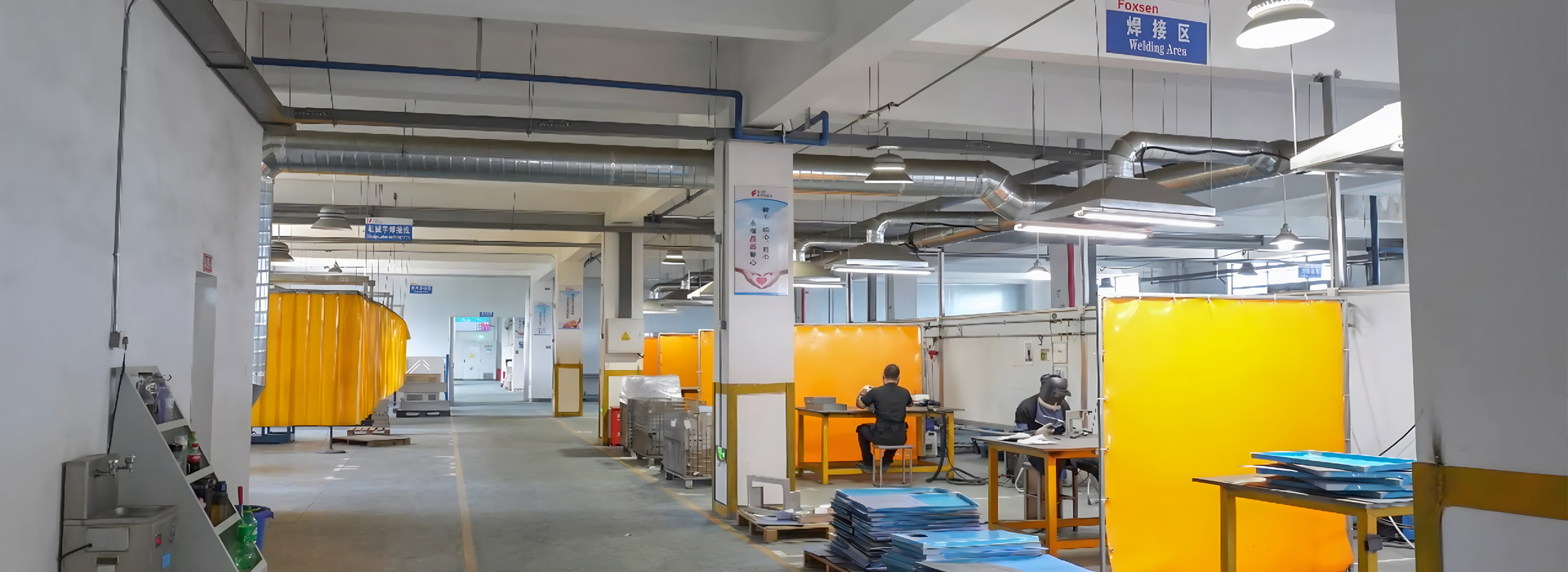
The reliability and aesthetics of joining processes directly impact cabinet quality and lifespan. Beyond traditional resistance spot welding, laser welding and Friction Stir Welding (FSW) are increasingly adopted for high-demand applications. Laser welding offers a small heat-affected zone and minimal distortion, making it particularly suitable for thin sheet splicing and the fabrication of Stainless Steel Enclosures with high aesthetic requirements. FSW, a solid-state joining technique, provides joints in aluminum cabinets with strength close to that of the base material, is spatter-free, and more environmentally friendly.
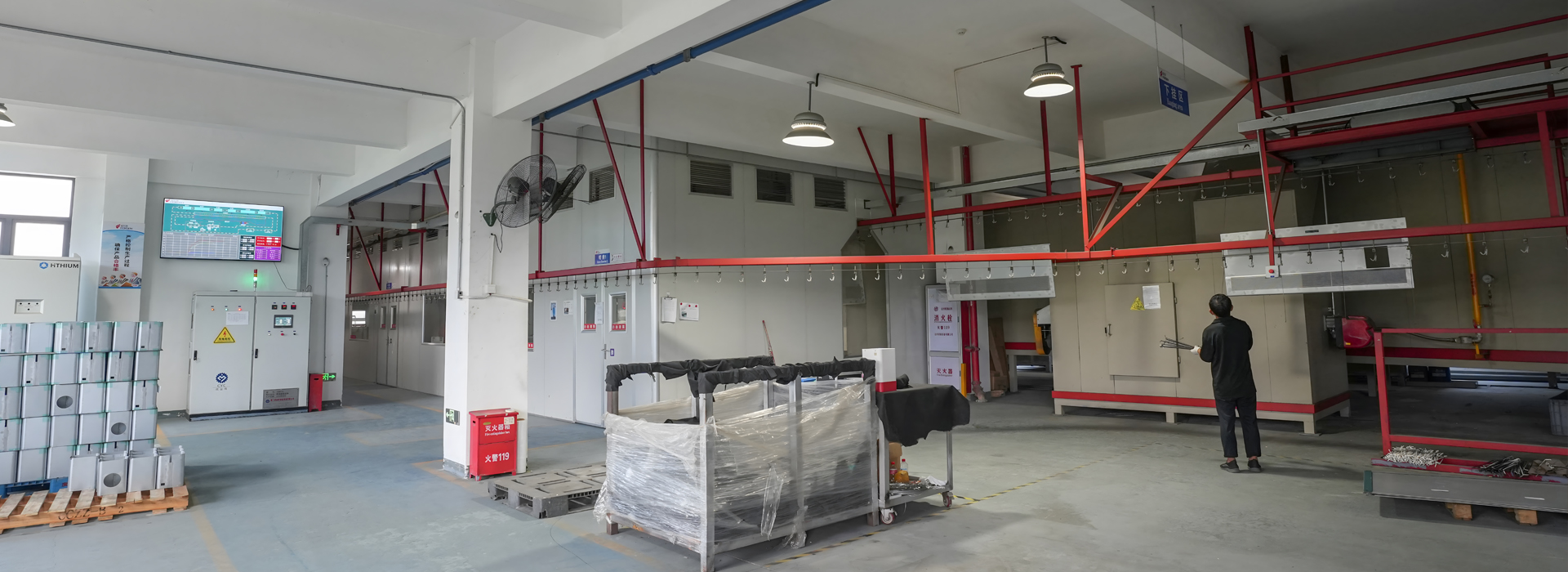
Surface treatment is not only a requirement for corrosion and rust prevention but is also increasingly becoming part of functionalization and branding. Powder coating remains prevalent, but the trend is shifting towards more environmentally friendly low-temperature curing paints and coatings with special functions, such as antimicrobial, conductive, or self-healing coatings. For sheet metal cabinets used outdoors or in harsh industrial environments, multi-layer composite coating systems (e.g., cathodic electrophoretic primer + powder topcoat) can extend salt spray resistance to over 1000 hours, significantly increasing product lifespan in applications like field communication base stations or offshore platforms.
Intelligent and Flexible Production Systems
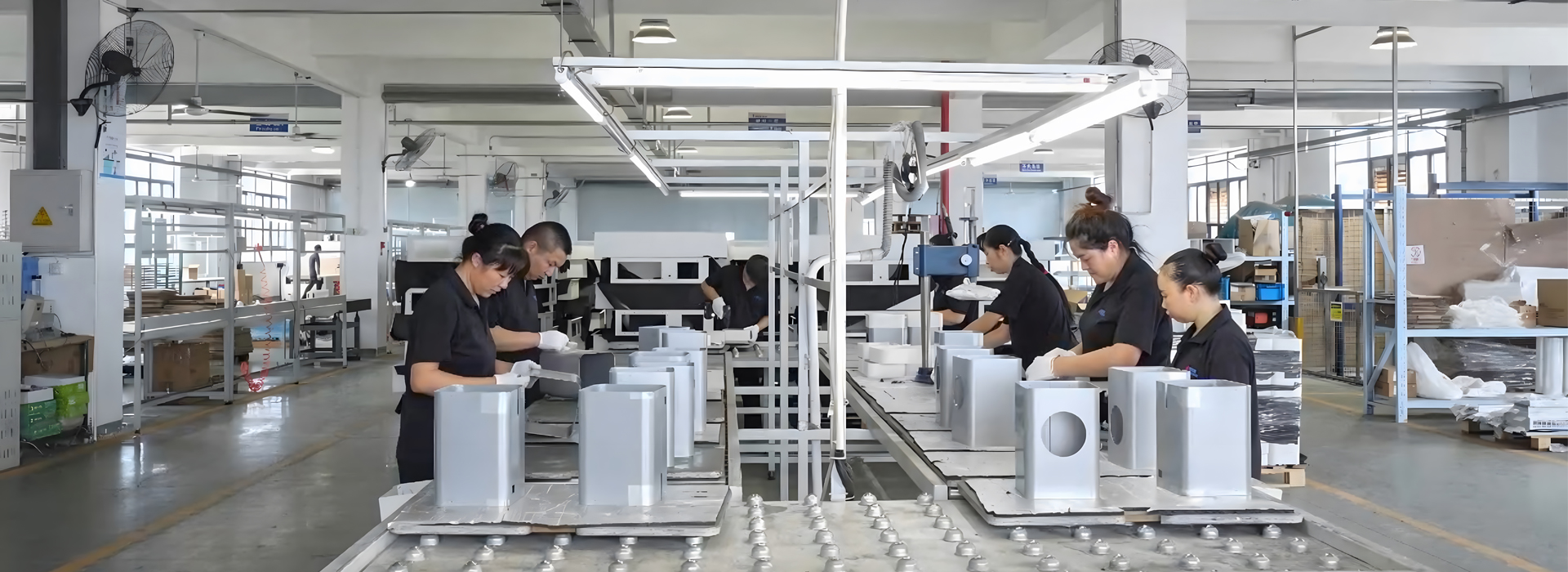
Intelligent manufacturing cells are a hallmark of the new generation of sheet metal cabinet fabrication. These cells link laser cutters, press brakes, welding robots, and assembly stations via automated material handling systems (like AGVs or gantry manipulators), all orchestrated by a Manufacturing Execution System (MES). An order can progress from sheet loading to finished product before painting with minimal direct human intervention. Industry cases show that such flexible production lines can shorten lead times for small-to-medium batch orders by over 50% and significantly reduce human error.
The application of Digital Twin technology deeply binds the virtual and physical worlds. Factories can create complete production process simulations in digital space for each order, verifying process feasibility, predicting bottlenecks, and optimizing resource allocation in advance. This enables sheet metal cabinet fabrication companies to better manage the market trend of high-mix, low-volume production, achieving true "mass customization."
Quality Assurance and Evolution of Industry Standards
As the value of equipment integrated within cabinets increases, so do the quality requirements for their protective enclosures. International standards like IEC 61439 (Low-voltage switchgear and controlgear assemblies) and UL 50 (Enclosures for Electrical Equipment) are continuously updated, introducing more detailed regulations for cabinet structural strength, ingress protection (IP Code), thermal performance (temperature rise limits), and electromagnetic compatibility. Consequently, modern sheet metal cabinet fabrication necessitates precision inspection throughout the entire process. Coordinate Measuring Machines (CMM), laser scanners, and machine vision systems are employed for 100% inline or offline inspection of critical dimensions, flatness, and hole positions, ensuring every cabinet shipped complies with design specifications and customer standards.
Sustainable Development and Circular Economy Practices
Environmental regulations and customer demand are driving sheet metal cabinet fabrication towards greater sustainability. This is mainly reflected in three aspects: First, the increased use of renewable or recyclable materials, such as certified green steel or aluminum. Second, energy conservation and emission reduction in the production process, for example, using variable frequency drives, waste heat recovery systems, and high-efficiency dust collection equipment. Third, designing products for easier disassembly and recycling. Modularly designed cabinets allow metal components to be easily separated and recycled at end-of-life, reducing landfill waste. Leading manufacturers have begun providing Environmental Product Declarations (EPD) following a "cradle-to-cradle" approach for their products.
Expanding Applications and Future Outlook
The applications of sheet metal cabinet fabrication have extended far beyond traditional IT server rooms and industrial electrical rooms. In edge computing scenarios, ruggedized micro-data center cabinets deployed on factory floors, rooftops, or street corners require greater environmental tolerance and compact design. In the new energy vehicle sector, battery pack enclosures (Battery Enclosure) and internal cabinets for charging stations have specific requirements for lightweighting, heat dissipation, and safety protection, driving the adoption of new materials (like high-strength aluminum alloys) and processes. Looking ahead, demand for high-performance, highly customized sheet metal cabinets will continue to grow alongside developments in 5.5G/6G communications, AI computing, and advanced energy systems.
Conclusion
In summary, sheet metal cabinet fabrication has evolved into a comprehensive advanced manufacturing field that integrates materials science, precision machinery, automatic control, and digital technologies. Its development trajectory clearly points towards a future that is more intelligent, flexible, sustainable, and higher in quality. For equipment manufacturers, system integrators, and end-users, deeply understanding the core technologies and trends in this field, and choosing to partner with fabricators possessing advanced manufacturing capabilities and sustainable principles, will be key to ensuring the safety, reliability, and future-readiness of their critical equipment infrastructure.