

In an era defined by global connectivity, the seamless operation of telecommunications networks is fundamental to economic activity, social interaction, and public safety. While much attention is rightly given to the advanced electronics within these networks, the physical infrastructure that houses and protects this sensitive equipment is equally critical. Telecom Cabinets, the robust outdoor enclosures seen in neighborhoods and along highways, play this vital role. This article delves into the evolving landscape of Telecom Cabinets, exploring their core functions, the technological and environmental pressures shaping their design, and their indispensable place in the rollout of next-generation networks.
1. The Fundamental Role of Telecom Cabinets in Network Infrastructure
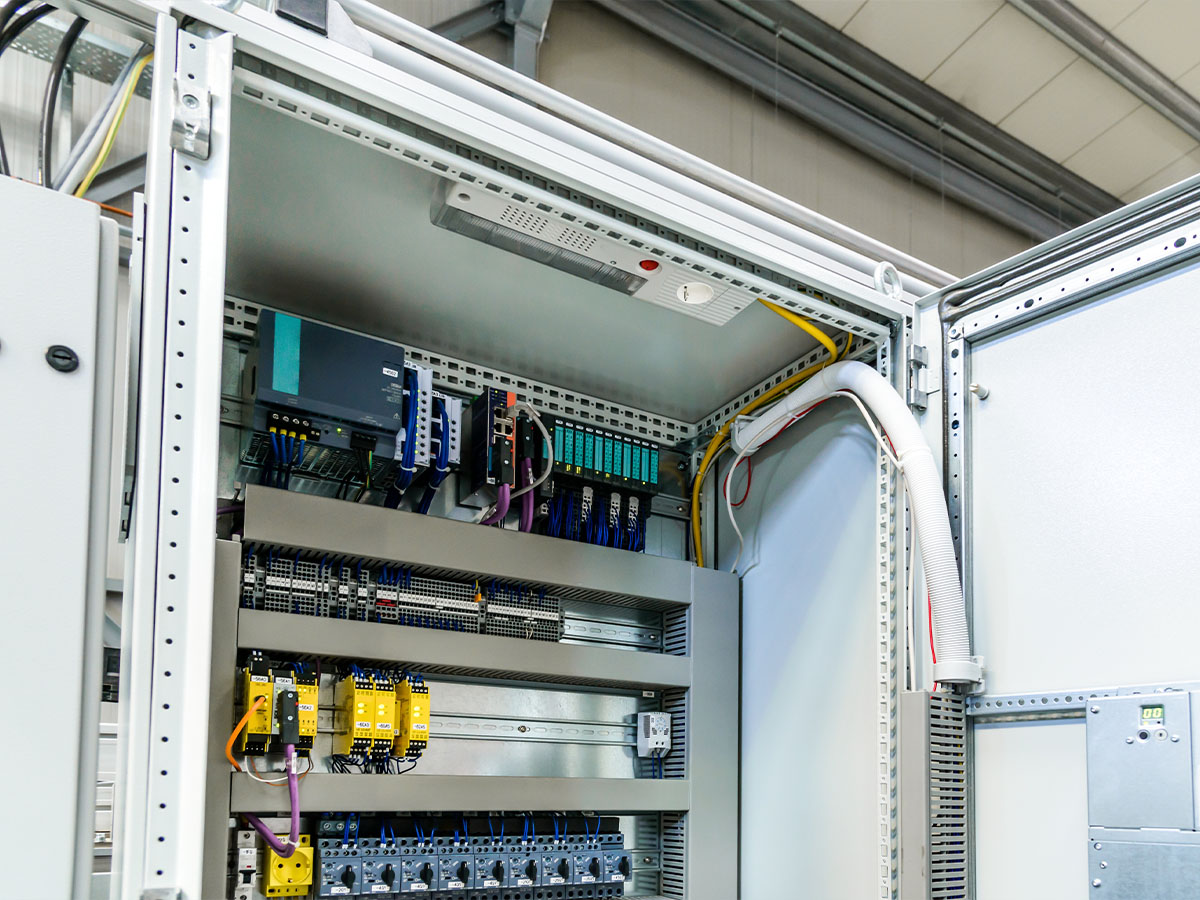
Telecom Cabinets, also known as cross-connect cabinets or street cabinets, are the workhorses of the telecommunications grid. They serve as the critical interface between the broader network backbone and the final connection to homes and businesses. Inside these enclosures, delicate components for signal transmission, fiber optic splicing, power distribution, and network monitoring are housed. The primary function of Telecom Cabinets is to provide a controlled, secure, and protected environment for this equipment, shielding it from a wide array of external threats. Without the consistent performance of these cabinets, the reliability of everything from landline telephones to high-speed broadband would be severely compromised. The design and deployment of Telecom Cabinets are, therefore, a key consideration for telecom operators and network planners worldwide.
2. Technological Drivers and the Evolution of Cabinet Design
The relentless advancement of communication technology is a powerful force driving innovation in the design and requirements of Telecom Cabinets. The transition from traditional copper-based networks to fiber-to-the-home (FTTH) and the ongoing global deployment of 5G technology have profound implications.
Fiber Optic Proliferation: The shift to fiber optics demands cabinets with enhanced organization and capacity for splicing trays, passive optical splitters, and excess fiber storage. The physical protection of delicate glass fibers requires designs that prevent sharp bends and offer superior strain relief.
5G Network Densification: The advent of 5G necessitates a much denser network of small cells. While some equipment is mounted on poles, many small cell radios and their supporting power and fiber equipment are housed in smaller, more distributed Telecom Cabinets. These units must be compact, aesthetically inconspicuous, and capable of managing significant heat loads from the active electronics.
Increased Power Density and Thermal Management: Modern network equipment packed into Telecom Cabinets generates more heat than ever before. Effective thermal management, moving beyond simple passive ventilation to incorporate advanced cooling systems like fans, heat exchangers, or even air conditioners, has become a standard requirement to ensure component longevity and signal integrity.
3. Environmental and Regulatory Challenges
Telecom Cabinets are deployed in some of the most challenging environments, from frigid northern climates to scorching and humid coastal areas. Their design must account for a constant battle against the elements. Key considerations include:
Ingress Protection (IP Rating): A high IP rating (e.g., IP65) is essential to seal out dust and moisture, preventing short circuits and corrosion.
Corrosion Resistance: Materials and finishes must withstand prolonged exposure to UV radiation, rain, salt spray (in coastal regions), and pollutants. Galvanized steel and aluminum alloys with robust powder coatings are common choices.
Thermal Stability: The materials and internal systems must operate reliably across a wide temperature range, preventing both overheating in summer and condensation forming inside during cold weather.
Vandalism and Physical Security: Robust locking mechanisms and tamper-resistant designs are mandatory to prevent unauthorized access, theft, or malicious damage to critical network infrastructure.
Furthermore, the placement of Telecom Cabinets in public spaces is increasingly subject to municipal regulations concerning aesthetics, size, and noise levels, pushing manufacturers toward more streamlined and community-friendly designs.
4. The Future Outlook for Telecom Cabinets
The role of Telecom Cabinets is set to become even more central as the demand for data continues its exponential growth. The future will see a greater integration of smart monitoring and IoT sensors within these enclosures. These systems will allow for remote monitoring of internal temperature, humidity, door status, and power quality, enabling predictive maintenance and reducing operational costs for network operators. The concept of the "smart cabinet" is emerging, where the enclosure itself becomes an active, managed node in the network, rather than a passive box. As we move toward technologies like 6G and the Internet of Things (IoT) scales to billions of devices, the humble Telecom Cabinet will continue to be a foundational, albeit often overlooked, pillar of our digital civilization. Its evolution will remain tightly coupled with the progress of the communication technologies it exists to protect and support.