

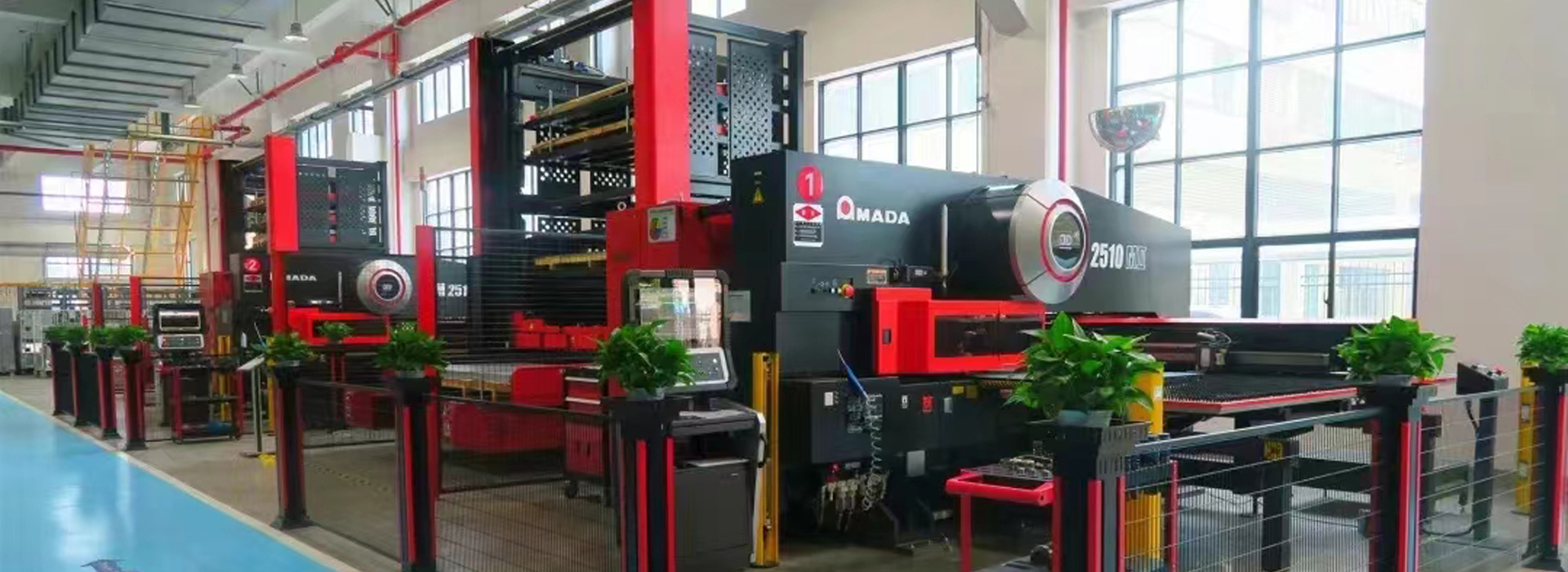
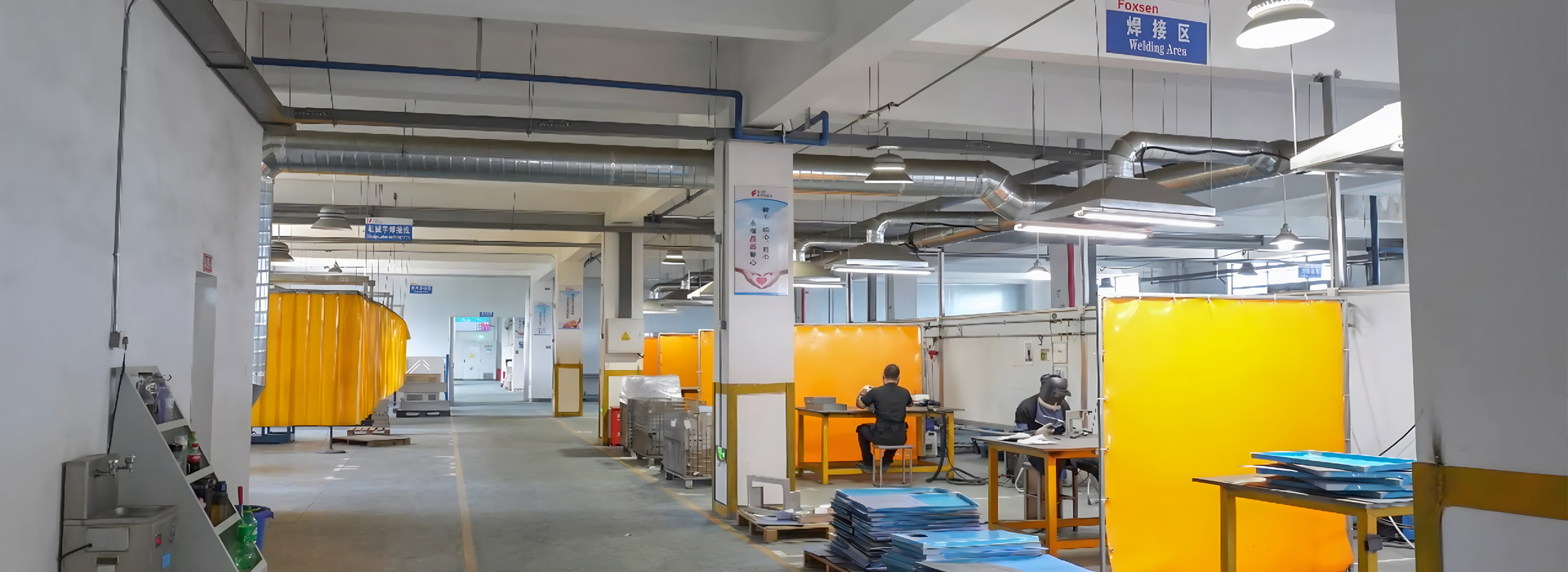
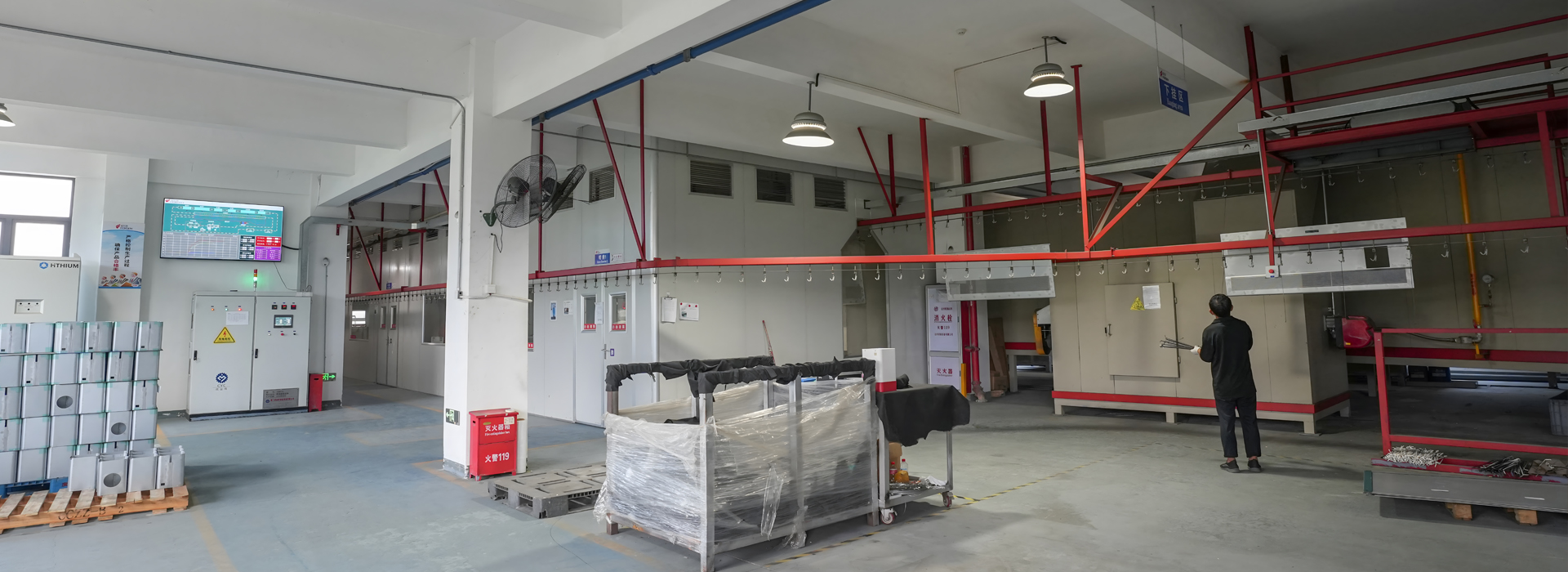
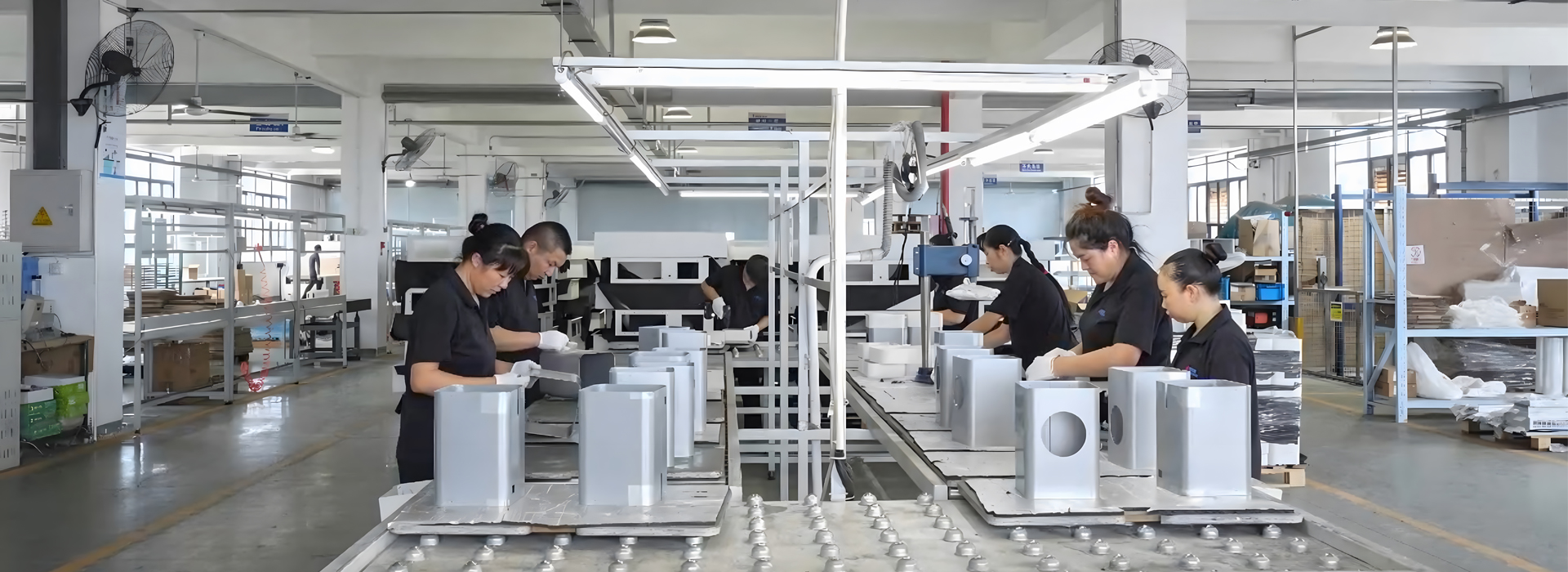
Introduction: The Unseen Engine of Modern Manufacturing
Picture this: a sleek new smartphone rolls off the assembly line, its aluminum chassis perfectly seamless. An electric vehicle’s battery enclosure fits with micron-level precision, ensuring safety and performance. A medical device component functions flawlessly for years under demanding conditions. What do these have in common? Often, the answer lies in a process many take for granted: die stamping. It’s the silent, high-volume workhorse behind countless durable, complex, and cost-effective metal parts. But what truly separates exceptional die stamped components from the merely adequate? The difference isn’t just in the press—it’s in the meticulous engineering, material science, and process control that transform raw metal into indispensable parts.
Pain Points: The High Stakes of Getting It Wrong
In industries where performance, safety, and cost are non-negotiable, subpar die stamping parts can be catastrophic. Let’s examine two critical pain points.
1. Inconsistent Dimensional Accuracy and Tolerances
Scenario: An automotive supplier is producing thousands of bracket components for a new engine model. The parts must fit within a tolerance of ±0.05mm to ensure proper assembly and vibration resistance.
Impact & Cost: If tolerances drift even slightly, it leads to assembly line stoppages, rework, and potential field failures. A single batch of 10,000 defective parts can result in over $250,000 in scrap, labor for inspection/rework, and production delays, not to mention reputational damage with the OEM.
2. Material Waste and Inefficiency in High-Volume Production
Scenario: A consumer electronics manufacturer needs millions of small, intricate shielding cans for a new device. Traditional stamping processes leave significant material scrap (often 30-40% of the coil).
Impact & Cost: This waste directly inflates material costs, especially with expensive alloys like stainless steel or specialty coatings. For a production run of 5 million units using a material costing $5/kg, a 10% reduction in scrap can save over $100,000. Inefficient nesting and tool design also slow cycle times, reducing overall equipment effectiveness (OEE).
Solutions: Precision Engineering as the Answer
Addressing these challenges requires a blend of advanced technology and deep expertise.
For Dimensional Inconsistency, the solution lies in predictive tooling design and in-process monitoring. Using Finite Element Analysis (FEA) software, engineers at companies like XIAMEN FOXSEN INDUSTRIAL TECHNOLOGY CO.,LTD. simulate the stamping process to predict springback, material flow, and stress distribution before a single tool is cut. This allows for proactive design adjustments. During production, integrated sensors monitor key parameters like tonnage, press speed, and part dimensions in real-time, enabling immediate corrections and ensuring every part meets spec.
To combat Material Waste, the focus is on optimized nesting and progressive die technology. Advanced CAD/CAM software is used to nest parts on the coil with surgical precision, minimizing unused material. Progressive dies, which perform multiple operations (piercing, bending, coining) in a single press stroke, not only reduce handling and secondary operations but also allow for more efficient material use by integrating scrap webs into the strip layout for support during forming.
Client Case Studies: Proof in Performance
1. Autotek GmbH (Stuttgart, Germany): This automotive tier-1 supplier was struggling with high scrap rates (8%) on a complex transmission housing component. After partnering with XIAMEN FOXSEN, a redesigned progressive die incorporating FEA-optimized forming stages was implemented. Result: Scrap rate reduced to 1.5%, cycle time improved by 15%, and annual cost savings exceeded €180,000. "The engineering support was exceptional. They didn’t just sell us a die; they solved a production bottleneck," said Klaus Weber, Head of Procurement.
2. MediShield Inc. (Boston, USA): Needed surgical instrument components from 316L stainless steel with critical burr-free edges and consistent hardness. Previous suppliers had issues with micro-cracks. FOXSEN employed precision blanking techniques with controlled clearances and specialized heat treatment post-stamping. Result: First-pass yield increased from 85% to 99.2%, and component fatigue life improved by 40%. "The consistency is surgical-grade, exactly what our quality protocols demand," noted Dr. Anya Petrova, R&D Director.
3. SunWave Energy (Shanghai, China): Manufacturing junction boxes for solar panels required cost-effective, corrosion-resistant aluminum parts in massive volumes. FOXSEN implemented a high-speed transfer press line with automated vision inspection and optimized coil feeding. Result: Production capacity increased by 35%, unit cost reduced by 12%, and defect rate fell below 50 ppm. "Their scale and technical approach allowed us to meet aggressive market pricing without sacrificing quality," stated Li Wei, Production Manager.
Applications & Strategic Partnerships
Die stamping parts from XIAMEN FOXSEN are integral across sectors:
Automotive: Structural components, battery trays, brackets, and EMI shielding parts. The company works closely with global Tier-1 suppliers and has passed rigorous audits for standards like IATF 16949.
Electronics & Telecommunications: Shielding cans, connectors, heat sinks, and chassis parts. FOXSEN is a recognized supplier to several major consumer electronics OEMs, collaborating on design-for-manufacturability (DFM) from the prototype phase.
Industrial & Renewable Energy: Enclosures, busbars, and structural supports for machinery and solar/wind systems. Partnerships with industrial equipment manufacturers often involve co-developing parts for harsh environments, requiring specific material certifications.
This network of partnerships, built on reliability and technical collaboration, reinforces FOXSEN’s position as an authority in precision metal forming.
FAQ: Questions from the Field
1. Q: "For a new project requiring tight tolerances (±0.025mm), should we prioritize a single-stage die or a progressive die? What are the trade-offs?"
A: This depends on volume and complexity. For very high volumes (millions+) of moderately complex parts, a progressive die is superior for consistency and speed, as it minimizes part handling. The initial tooling cost is higher, but the per-part cost is lower. For lower volumes or extremely complex geometries that might require intermediate annealing, a series of single-stage or transfer dies might offer more flexibility. A detailed DFM analysis is crucial.
2. Q: "How do you manage material springback in high-strength steels (HSS) or aluminum alloys, which is a major headache for our assembly lines?"
A: Springback is compensated for in the tool design phase. We use advanced FEA simulations to predict the exact amount of springback for your specific material grade and thickness. The die surfaces are then designed with intentional over-bending or specific radii to ensure the part springs back to the exact desired geometry. Process controls like consistent lubrication and press tonnage are also critical.
3. Q: "We see ‘burr-free’ claims often. What is your measurable standard for edge quality, especially for parts in sliding or electrical contact?"
A: Our standard for critical burr-free edges is defined per customer drawing, often referencing standards like ISO 13715. Typically, we aim for a burr height of less than 5% of material thickness, often achieving 1-2% (e.g., <0.01mm on 1mm stock). This is achieved through precision-ground die components, optimal punch-die clearance (often 5-8% of thickness for blanking), and sometimes incorporating a fine-blanking or coining operation.
4. Q: "Can you integrate secondary operations like tapping, welding studs, or applying coatings into the stamping process flow?"
A: Absolutely. We specialize in designing in-die processes. Tapping or thread-forming can be done in a progressive die station. Stud welding or riveting can be integrated via robotic cells in a transfer press line. For coatings, we can design the process for parts to be stamped, cleaned, and then fed directly into a PVD coating or powder coating line, creating a seamless, automated cell. This reduces handling, WIP, and overall lead time.
5. Q: "What is your approach to tool maintenance and longevity, particularly for abrasive materials like certain copper alloys or pre-coated steels?"
A: Tool longevity starts with material selection. We use premium tool steels (like AISI D2, M2) or carbide for critical sections, often with specialized surface treatments like TiN or TiCN coatings to reduce wear and galling. We also design for serviceability—easily replaceable inserts for high-wear areas. Predictive maintenance schedules based on stroke counts and in-process monitoring data help us plan tool refurbishment before quality degrades, ensuring consistent part quality over the tool's life, which can often exceed 5 million strokes with proper care.
Conclusion: Engineering Your Competitive Edge
Die stamping is far more than just cutting and bending metal. It’s a sophisticated engineering discipline where precision, efficiency, and material science converge to create the reliable, high-performance parts that modern industry depends on. By addressing core pain points with advanced solutions and proven in global applications, partners like XIAMEN FOXSEN help turn manufacturing challenges into competitive advantages.
Is your current supply chain for metal components delivering this level of engineered reliability and cost efficiency? To dive deeper into the technical specifications and methodologies that can optimize your next project, we invite you to download our comprehensive technical whitepaper, ‘Advanced Die Stamping for Precision Applications.’ For a direct consultation on your specific component requirements, our sales engineering team is ready to provide a detailed DFM analysis. Contact us today to start the conversation.