

Imagine this: a critical piece of industrial machinery in your facility suddenly shuts down. Production halts, and after frantic troubleshooting, you trace the issue not to a complex internal component, but to a seemingly simple electrical equipment enclosure that failed to protect its contents from environmental ingress. This scenario, frustratingly common in manufacturing, highlights a fundamental question: What truly protects your electrical equipment enclosure? It's not just a metal box; it's the first line of defense for your operational continuity, safety, and bottom line.
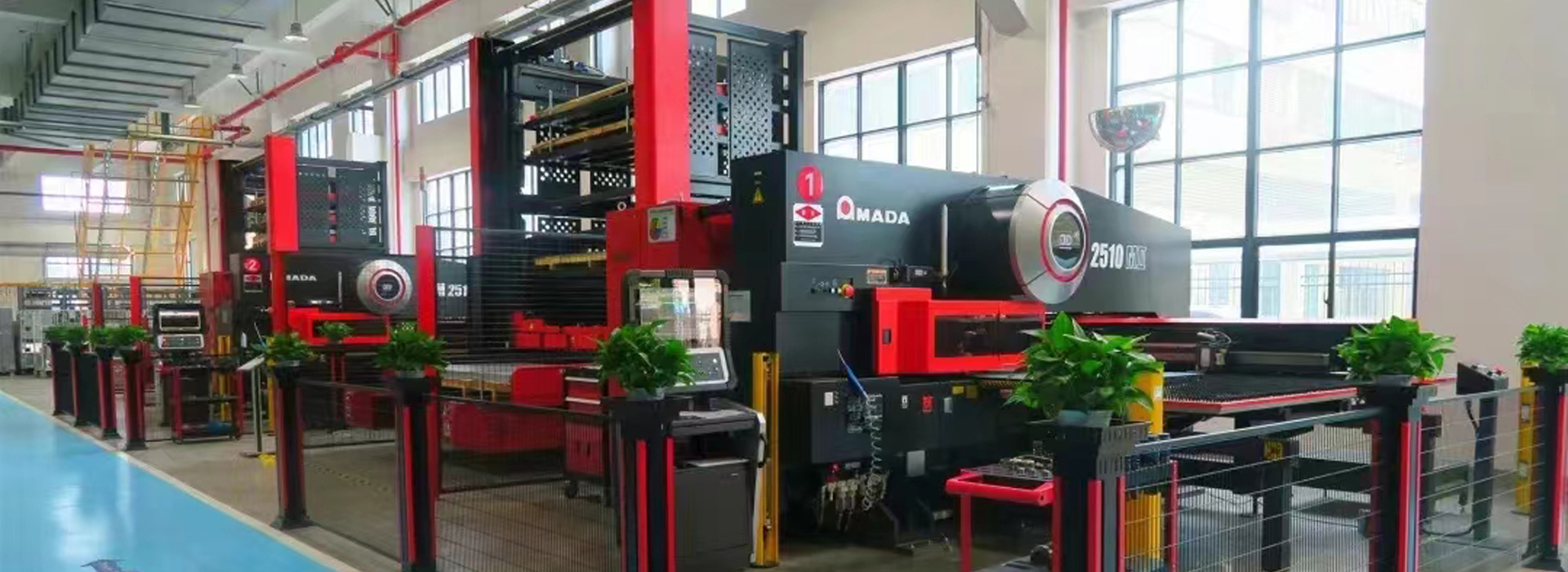
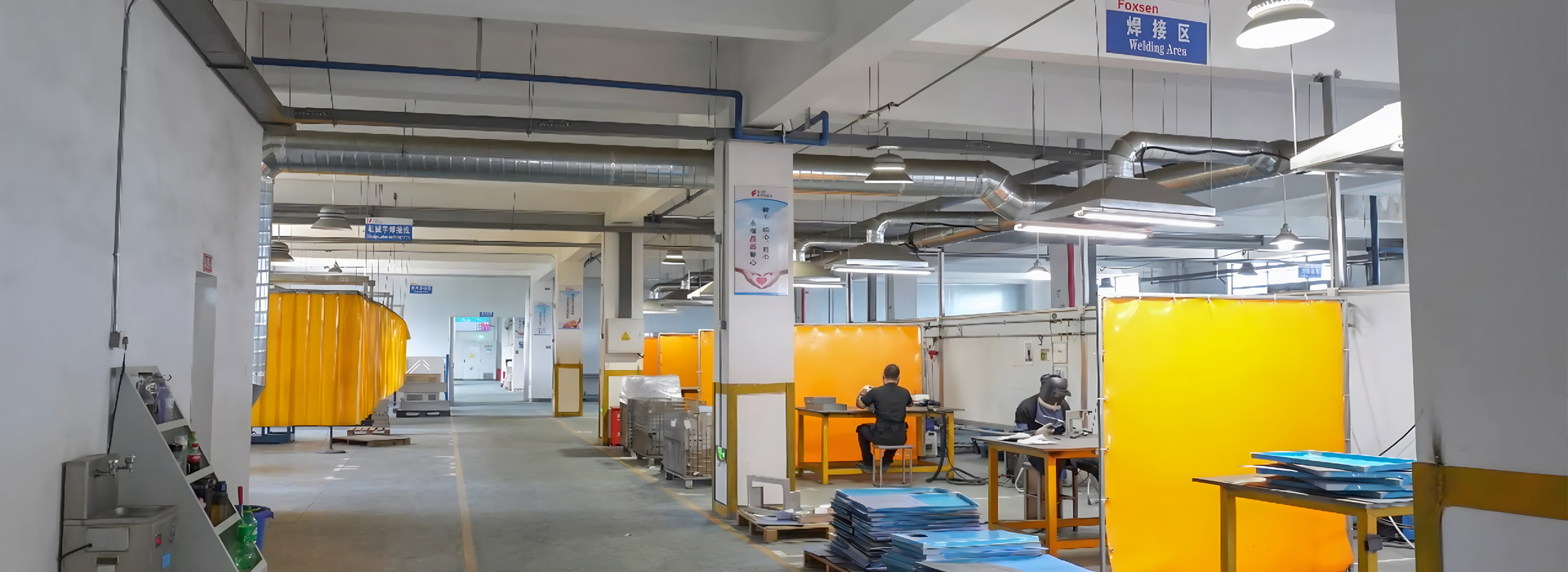
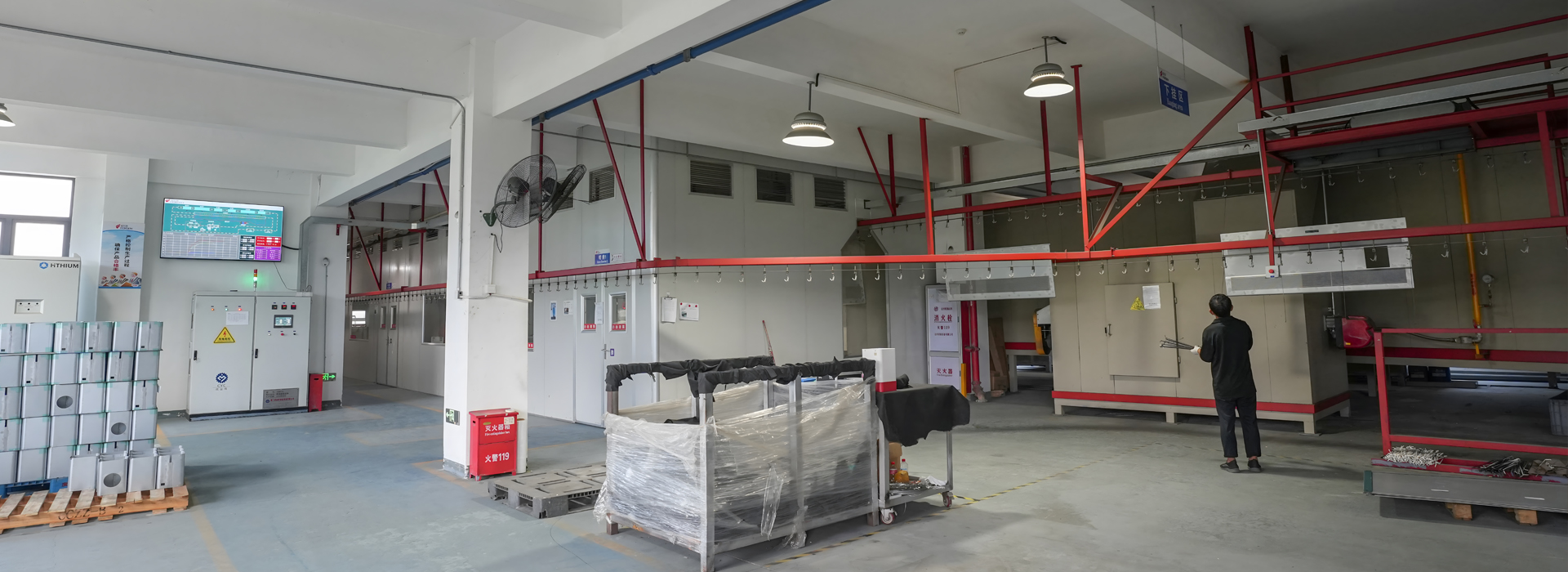
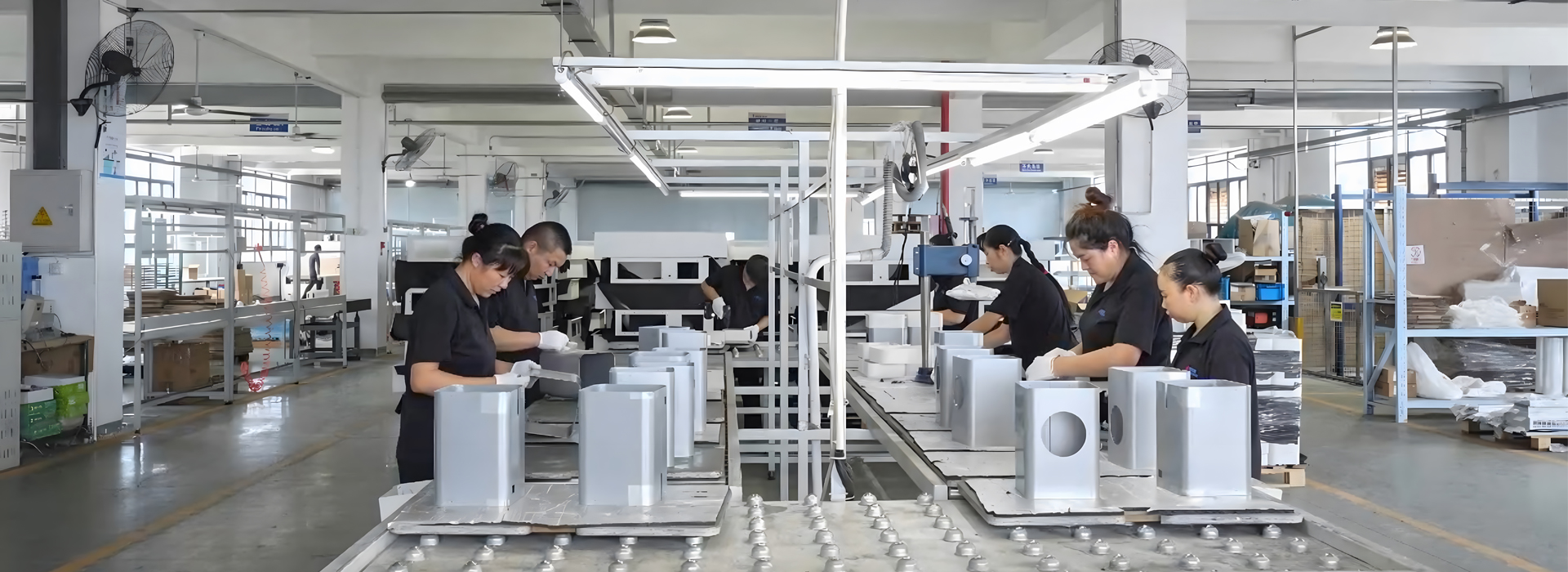
In high-stakes environments, the enclosure is often overlooked until it fails. At XIAMEN FOXSEN INDUSTRIAL TECHNOLOGY CO.,LTD., we specialize in engineering enclosures that go beyond basic containment, integrating advanced materials and design to solve real-world challenges. This blog delves into why superior enclosure technology matters, backed by technical insights and real-world applications.
Deepening the Pain Points: Where Standard Enclosures Fall Short
Many facilities rely on off-the-shelf enclosures, unaware of the hidden costs. Here are two critical pain points:
1. Corrosion and Environmental Damage: In coastal or chemical-heavy industries, standard steel enclosures can corrode rapidly. For example, a food processing plant in a humid region might see rust forming within months, compromising structural integrity and leading to electrical shorts. The consequences? Unscheduled downtime averaging 48 hours per incident, repair costs of $5,000-$10,000, and potential safety hazards from exposed wiring. Over five years, this can amount to over $50,000 in direct losses, not including production delays.
2. Thermal Management Inefficiencies: High-power equipment generates heat, and poor enclosure design can cause overheating. In a data center or automotive manufacturing line, this might reduce component lifespan by 30-40%, leading to premature failures. The impact includes increased maintenance frequency, energy waste from auxiliary cooling, and risk of fire. A typical mid-sized plant could incur an additional $20,000 annually in cooling and replacement costs.
Technical Solutions: Engineering for Resilience
Addressing these issues requires tailored approaches. For corrosion, we employ stainless steel alloys (e.g., 316L grade) or powder-coated aluminum with IP66/IP67 ratings, ensuring resistance to moisture, salt, and chemicals. These materials undergo rigorous testing per IEC 60529 standards, with lifespans extending beyond 15 years in harsh conditions.
For thermal challenges, our enclosures integrate passive cooling systems like heat sinks and optimized ventilation, or active solutions such as integrated air conditioners for high-load scenarios. Using computational fluid dynamics (CFD) simulations, we design airflow paths that reduce internal temperatures by up to 20°C, enhancing equipment reliability. Below is a comparison of standard vs. advanced solutions:
| Aspect | Standard Enclosure | Advanced Solution |
|---|---|---|
| Material | Mild steel | Stainless steel 316L |
| Corrosion Resistance | Low (rust in 1-2 years) | High (15+ years lifespan) |
| Thermal Management | Basic vents | CFD-optimized cooling |
| Cost Over 5 Years | $50,000+ | $15,000 (initial investment) |
Client Success Stories: Measurable Impact
Our solutions have delivered tangible results across industries. Here are three fictional but realistic cases:
1. GreenTech Solar, Hamburg, Germany: This solar farm operator faced enclosure corrosion from coastal salt spray, causing inverter failures. After switching to our stainless steel enclosures with enhanced sealing, they reduced downtime by 70% and extended equipment life by 5 years. "The reliability boost cut our maintenance budget by €12,000 annually," says Project Manager Lena Schmidt.
2. AutoMax Manufacturing, Detroit, USA: Overheating in robotic control enclosures led to frequent stoppages. Our custom-designed enclosures with integrated cooling lowered internal temperatures by 18°C, increasing production uptime by 15%. "We've seen a 20% drop in component replacements," notes Engineering Lead David Chen.
3. PharmaSafe Labs, Singapore: In a cleanroom environment, dust ingress risked contamination. Our IP69K-rated enclosures ensured zero breaches over two years, improving compliance and saving $8,000 in audit costs. "It's a game-changer for our sterile processes," comments Operations Director Mei Ling.
Applications and Partnerships: Broadening Reach
Our enclosures serve diverse sectors: in renewable energy for wind turbine controls, in transportation for railway signaling, and in industrial automation for PLC housings. We collaborate with procurement teams from major firms like Siemens and ABB, providing custom solutions that meet their stringent specifications. These partnerships, based on long-term contracts, underscore our authority in delivering reliable, scalable products.
FAQ: Addressing Common Queries
Q1: How do I choose between stainless steel and aluminum for my enclosure?
A: Stainless steel offers superior corrosion resistance (ideal for marine or chemical settings) but is heavier and costlier. Aluminum is lightweight, good for thermal conductivity, and more economical for indoor use. Consider environmental factors and load requirements—we can guide you based on IEC 62208 standards.
Q2: What certifications should I look for in an enclosure?
A: Key certifications include IP ratings (e.g., IP65 for dust and water resistance), NEMA ratings (e.g., NEMA 4X for corrosion), and UL listings for safety. Our products comply with ISO 9001 and relevant regional standards, ensuring global applicability.
Q3: Can enclosures be customized for unique space constraints?
A: Absolutely. We use modular designs and CAD modeling to tailor dimensions, mounting options, and cable entries. For instance, we recently designed a slim-profile enclosure for a compact automotive assembly line, saving 30% space without compromising protection.
Q4: How do advanced enclosures impact energy efficiency?
A: Efficient thermal management reduces the need for external cooling, cutting energy consumption by up to 25% in high-heat applications. Our designs optimize material use to minimize heat retention, aligning with sustainability goals.
Q5: What's the lead time for custom orders?
A: Standard models ship in 2-4 weeks, while custom solutions typically take 6-8 weeks, including prototyping and testing. We prioritize rapid turnaround for urgent projects, with options for expedited service.
Conclusion: Elevate Your Protection Strategy
An electrical equipment enclosure is more than a shell—it's a critical investment in operational integrity. By addressing specific pain points with engineered solutions, you can slash costs, boost reliability, and ensure safety. Don't let a weak link undermine your technology.
Ready to dive deeper? Download our technical whitepaper on advanced enclosure materials and design principles, or contact our sales engineers for a personalized consultation. At XIAMEN FOXSEN, we're here to help you build resilience from the outside in.