

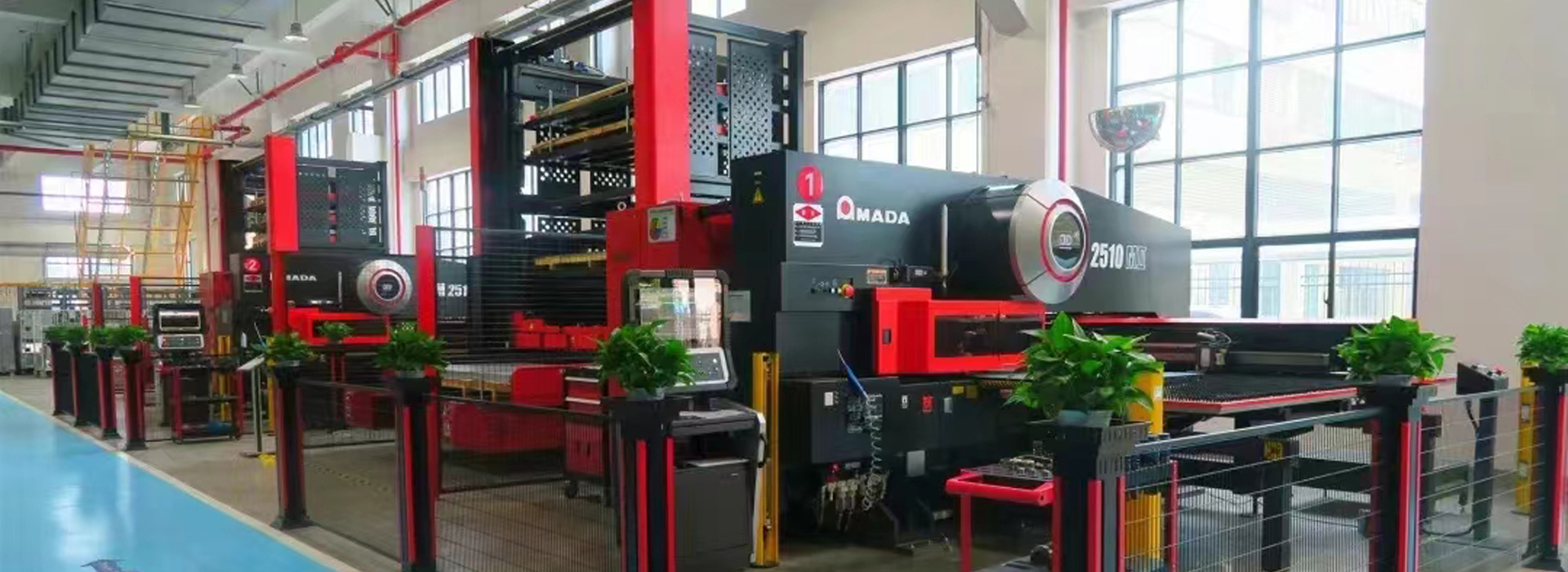
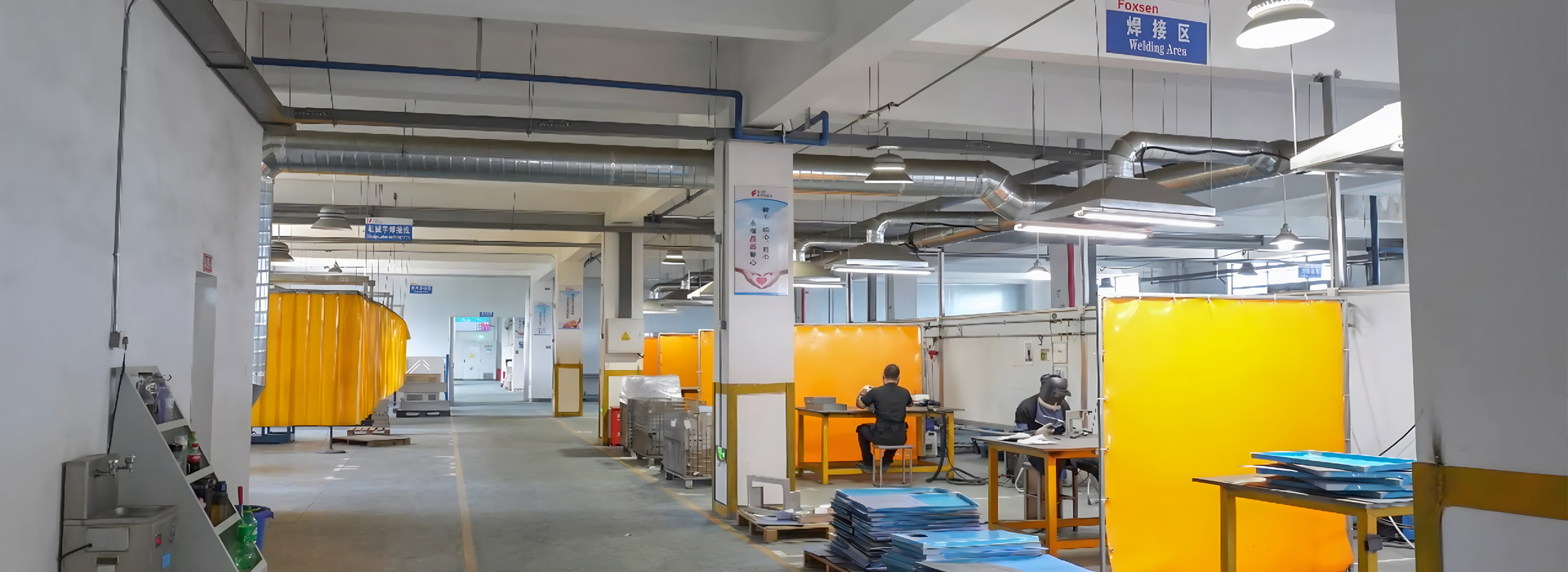
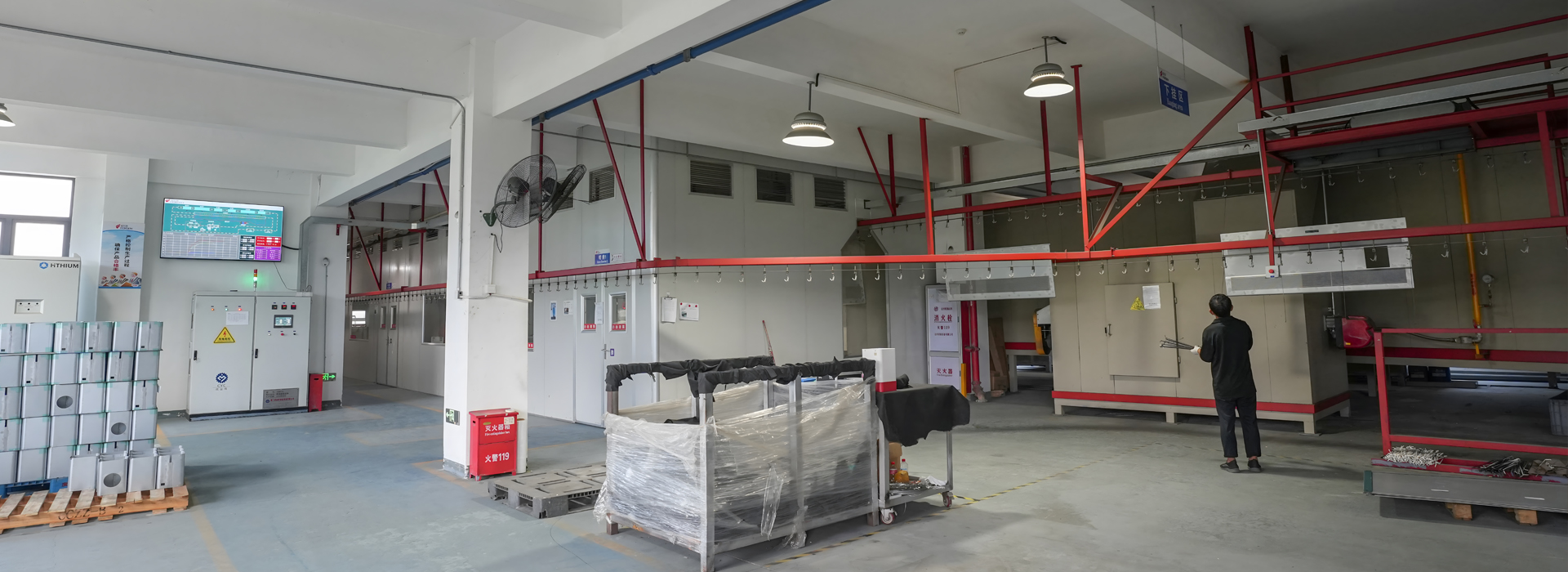
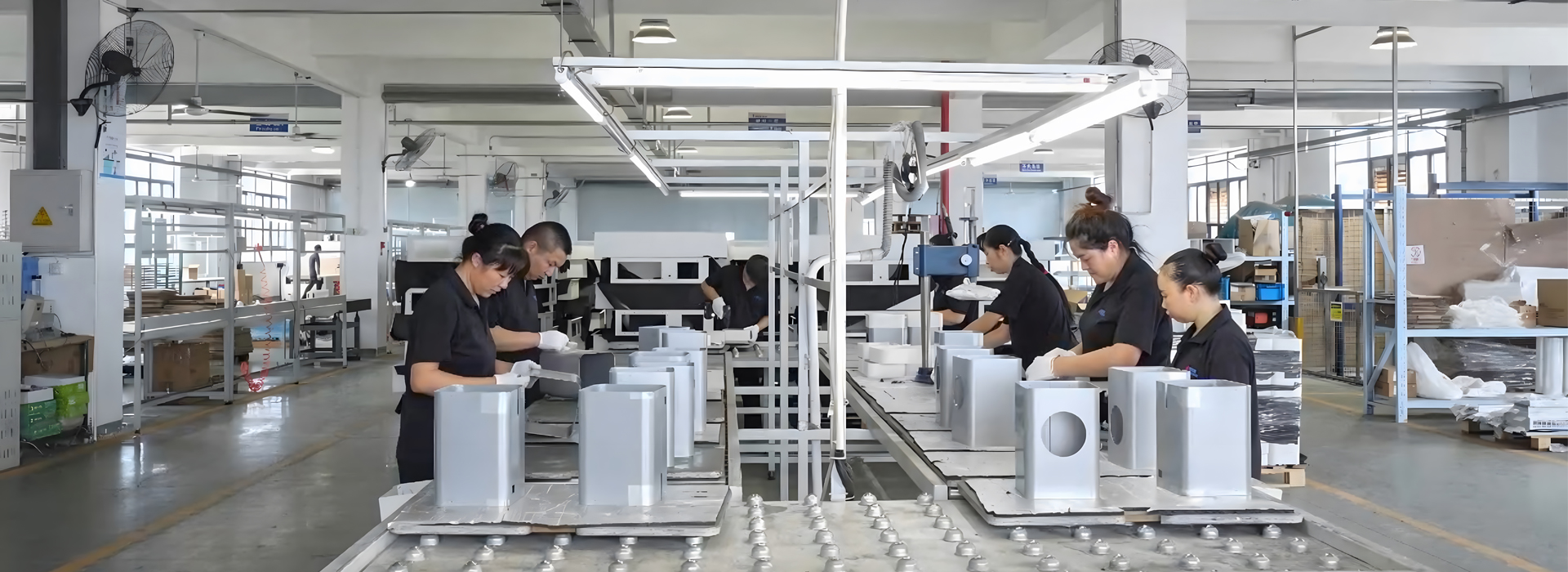
CNC punching offers numerous benefits in creating precise products. It is fast and accurate, enabling the production of items quickly and efficiently. This technology has significantly enhanced the production capabilities of various industries. For instance:
The global punches market was valued at $1.5 billion in 2023.
It is experiencing robust growth at a rate of 5.6% annually.
By 2032, the market could potentially reach $2.5 billion.
These facts highlight the benefits of CNC punching, establishing it as a crucial component of modern manufacturing.
Key Takeaways
CNC punching machines work automatically, cutting down mistakes and giving precise results with tiny errors of just 0.1mm.
These machines work very fast, punching up to 1200 times a minute, which makes production quicker and more efficient.
CNC punching can handle different materials like aluminum and steel, making it useful for industries like car-making and airplanes.
Using CNC punching reduces worker costs and saves materials, helping companies save money and make products in a greener way.
Taking care of CNC machines and designing them well keeps them running smoothly, ensuring good quality and steady production.
Benefits of CNC Punching for Precision Manufacturing
How CNC Punching Ensures Speed and Accuracy
CNC punching provides excellent precision, making it vital for modern manufacturing. It automates the punching process, reducing human mistakes and improving accuracy. These machines can punch holes in metal sheets with a tolerance as small as 0.1mm, ensuring nearly perfect results every time.
Advances in CNC punching technology also make it faster and more efficient. For example:
These improvements show how CNC punching combines speed and accuracy. It helps finish projects faster without losing quality. Whether making car parts or airplane components, CNC punching ensures reliable results.
Tip: Foxsen's CNC punching machines are built to boost productivity while keeping high accuracy. They are a great option for your manufacturing needs.
Comparison of CNC Punching to Traditional Methods
CNC punching is much better than older punching methods. Traditional methods depend on manual work, which can be slower and less accurate. CNC punching automates the process and offers many benefits:
Precision: Older methods can't match the 0.1mm tolerance of CNC machines.
Speed: CNC machines can punch up to 1200 strokes per minute, much faster than manual methods.
Flexibility: CNC machines let you switch designs quickly without long setup times.
For instance, traditional methods may take hours to change molds or settings. CNC punching machines, like those from Foxsen, can do this in seconds, saving time and effort.
Real-World Examples of Precision Applications
CNC punching is crucial in industries where precision is key. In the car industry, these machines make parts like doors and frames with exact measurements. The airplane industry uses CNC punching to create lightweight, strong parts like panels and brackets.
Electronics also benefit from CNC punching. These machines can handle complex shapes, making it easy to create detailed circuit boards and cases.
By using CNC punching, you can meet industry needs while keeping quality and efficiency high. Foxsen's machines are designed to handle these tasks, helping your business stay competitive.
Enhancing Productivity with CNC Punching Machines
Automation and Faster Production Cycles
Automation is the key to CNC punching machines. These machines simplify the punching process, removing the need for manual work. Once set up, they work quickly and accurately, making them perfect for medium to large production jobs.
Main benefits of automation include:
Fast punching speeds for quicker production.
Shorter cycle times to finish tasks faster.
Reliable results, even for tricky designs.
For example, a CNC turret punching machine can punch many holes in a metal sheet in just minutes. This speed and efficiency save time and improve productivity. By automating repetitive tasks, you can focus on other important parts of your work, boosting overall output.
Pro Tip: Foxsen's CNC punching machines are built for speed and accuracy. They help you meet your production goals with ease.
Reducing Downtime and Increasing Output
Downtime can hurt your production process. CNC punching machines lower this risk with smart maintenance and strong designs. Regular checks and predictive care keep these machines running smoothly.
Focusing on total productive maintenance also improves machine performance.
Using these methods ensures your machines work their best. This reduces downtime and boosts output, helping you meet deadlines and maintain quality.
Scalability for Large-Scale Manufacturing
CNC punching machines are great for large-scale production. They handle different designs and materials easily, adjusting to new demands without big costs.
Key features for scalability include:
Making large amounts of parts with steady quality.
Flexibility to work with various materials and designs.
Quick setup times for faster production changes.
The global market for CNC punching machines is growing fast. Valued at $2.5 billion in 2023, it may reach $4.5 billion by 2032, growing 6.5% each year. This shows how important CNC technology is for precise and efficient manufacturing.
By choosing scalable tools like Foxsen's CNC punching machines, you can prepare for future needs and stay ahead in the industry.
Versatility of CNC Punching in Design and Materials
Managing Complex Shapes Easily
CNC punching is great for making detailed shapes. It can create circles, squares, and tricky patterns without losing quality. The punching head turns tools in any direction, offering full 360° movement. This makes it easy to get perfect shapes without scratches or dents.
CNC punching machines can also do many tasks, making them very useful. These tasks include:
These features make CNC punching machines essential for working with sheet metal. They ensure high-quality results, even for tough designs.
Works with Many Materials
CNC punching machines can handle materials like aluminum, steel, and copper. This makes them useful for many industries. For example, they can work with light materials for planes or strong metals for cars.
Switching between materials is quick and easy. This saves time and keeps production running smoothly. Their ability to work with different materials helps meet project needs while keeping quality high.
Used in Cars, Planes, and More
CNC punching is important in industries like cars and planes. In car-making, these machines create parts like engine blocks and gearboxes. They make sure parts are the same every time, which is important for mass production.
In planes, CNC punching makes strong parts like panels and communication tools. These parts need to handle tough conditions and be very precise. Punching is also key for making car bodies and airplane parts.
Using CNC punching technology helps you make accurate and efficient products. Whether it’s car frames or airplane brackets, CNC punching delivers reliable results that meet industry needs.
Consistent Quality and Reliability in Production
Removing Human Mistakes with Automation
Automation in CNC punching helps avoid human mistakes during production. These machines follow programmed steps, ensuring accurate and steady results. Unlike manual work, they reduce errors and keep quality high.
For instance, a CNC turret punching machine can handle tricky designs perfectly. This process ensures every part matches the needed specifications. By letting machines do repetitive tasks, you can focus on improving other production areas.
Note: Automation improves accuracy, cuts waste, saves money, and helps the environment.
Reliable Results for Large-Scale Manufacturing
CNC punching is great for making many identical parts. Whether simple or detailed designs, these machines keep quality steady and waste low.
Important quality checks ensure reliability:
These checks make sure CNC punching delivers dependable results, even for tough jobs.
Long-Term Advantages of Steady Production
Using CNC punching machines brings long-term benefits. Consistent results mean less rework, saving time and materials. You can meet customer needs confidently, knowing your products are top quality.
These machines also support green manufacturing. They reduce waste and use energy efficiently, helping the environment. Over time, this boosts your reputation and keeps you competitive.
Tip: Invest in CNC punching for reliable, scalable, and cost-effective production over the years.
Cost-Effectiveness and Sustainability of CNC Punching
Cutting Material Waste to Save Money
CNC punching helps cut down on wasted materials. This lowers costs by using raw materials more efficiently. These machines are very precise, so every punch is accurate. Fewer mistakes mean less scrap and more savings.
For example, CNC machines can make detailed designs with little leftover material. They also arrange parts on sheets to use space better. Consistent quality avoids redoing work, saving time and resources. This makes CNC punching both budget-friendly and eco-friendly.
Tip: Using CNC punching wisely saves money and helps the planet.
Reducing Labor Costs with Automation
Automation in CNC punching lowers the need for workers. Machines handle tasks automatically, keeping productivity high with fewer people.
Studies show robotic systems can cut labor costs by 73%. Savings come from fewer wages, fewer accidents, and 24/7 operations. CNC machines also speed up tool changes and material handling. This means faster production with less effort and cost.
Note: Automation saves money and ensures steady, reliable production.
Saving Energy and Helping the Environment
CNC punching machines use less energy than older methods. Their advanced design makes them efficient and eco-friendly.
Using less energy lowers costs and reduces pollution. These machines also last a long time, cutting down on replacements. This saves resources and supports green manufacturing.
Pro Tip: Energy-efficient CNC machines save money and protect the environment.
CNC punching improves manufacturing with accuracy, speed, and cost savings. These machines work automatically, giving steady quality and quicker production. They make it easy to repeat tasks, cutting waste and saving materials. CNC machines can handle many designs and materials, making them useful in different industries.
Using CNC punching machines boosts productivity and helps the environment. They keep your business efficient and ready for the future.
FAQ
What is CNC punching, and why is it important?
CNC punching uses computers to control machines that make holes and shapes in metal sheets. It is fast, accurate, and efficient. This technology is great for making detailed designs and handling large projects with steady results.
How does CNC punching reduce material waste?
CNC punching places parts smartly on metal sheets to use space well. It makes fewer mistakes, so there’s less leftover material. This saves money and helps the environment, making it a good choice for businesses needing precise punching services.
Can CNC punching handle different materials?
Yes, CNC punching works with metals like aluminum, steel, and copper. It can adjust to different thicknesses and designs. This makes it useful for industries like car-making and airplane-building. You can count on it for reliable results with many materials.
What industries benefit from CNC punching?
Industries like cars, planes, and electronics use CNC punching for exact manufacturing. It makes car parts, airplane panels, and circuit boards with the same high quality every time. This technology is perfect for big projects and tricky designs.
Is CNC punching cost-effective?
CNC punching saves money by using less labor and reducing waste. Its energy-saving design also lowers costs. You can get great results while spending less, making it a smart choice for businesses.