

Why does sheet metal enclosed matter for your next project? Because it is the backbone of reliable, high-performance enclosures that protect sensitive electronics in harsh environments. Whether you are designing industrial controls, medical devices, or telecom infrastructure, the choice of enclosure directly impacts product lifespan, signal integrity, and user safety. At XIAMEN FOXSEN INDUSTRIAL TECHNOLOGY CO.,LTD., we have engineered thousands of sheet metal enclosures that meet stringent global standards. Let us walk through why this seemingly simple component can make or break your design.
Imagine you are a design engineer at a German automation firm. Your latest controller prototype works flawlessly on the bench, but during field trials in a dusty factory, failures spike. The root cause? An enclosure that allowed dust ingress and vibration loosened internal connections. This scenario is all too common. Sheet metal enclosed solutions, when properly designed, prevent such failures by providing robust mechanical protection, thermal management, and electromagnetic shielding.
Pain Point 1: Inadequate Protection Against Environmental Stress
Many enclosures fail to meet IP ratings due to poor sealing or weak structural integrity. In a food processing plant, moisture and cleaning chemicals degrade standard painted steel within months, leading to corrosion and eventual breach. The cost? Unscheduled downtime averages $5,000 per hour in such facilities, plus replacement parts and labor. Over a year, a single line can lose over $100,000.
Pain Point 2: Electromagnetic Interference (EMI) Compromises Performance
Medical imaging equipment, for instance, must operate near MRI machines. An enclosure lacking proper EMI shielding can cause image artifacts or data corruption. A US-based medical device manufacturer reported a 12% field failure rate due to EMI, resulting in recalls and reputational damage. The solution? Sheet metal enclosures with conductive gaskets and continuous weld seams, achieving 60 dB attenuation at 1 GHz.
Pain Point 3: Aesthetic and Dimensional Inconsistencies
Consumer-facing products like kiosks require flawless finishing. A UK retail tech company faced rejection of 8% of enclosures due to scratches, paint defects, or warping. Rework cost £15 per unit, and delayed product launch by 3 weeks. Consistent quality is not optional—it is expected.
Solution: Tailored Engineering and Precision Manufacturing
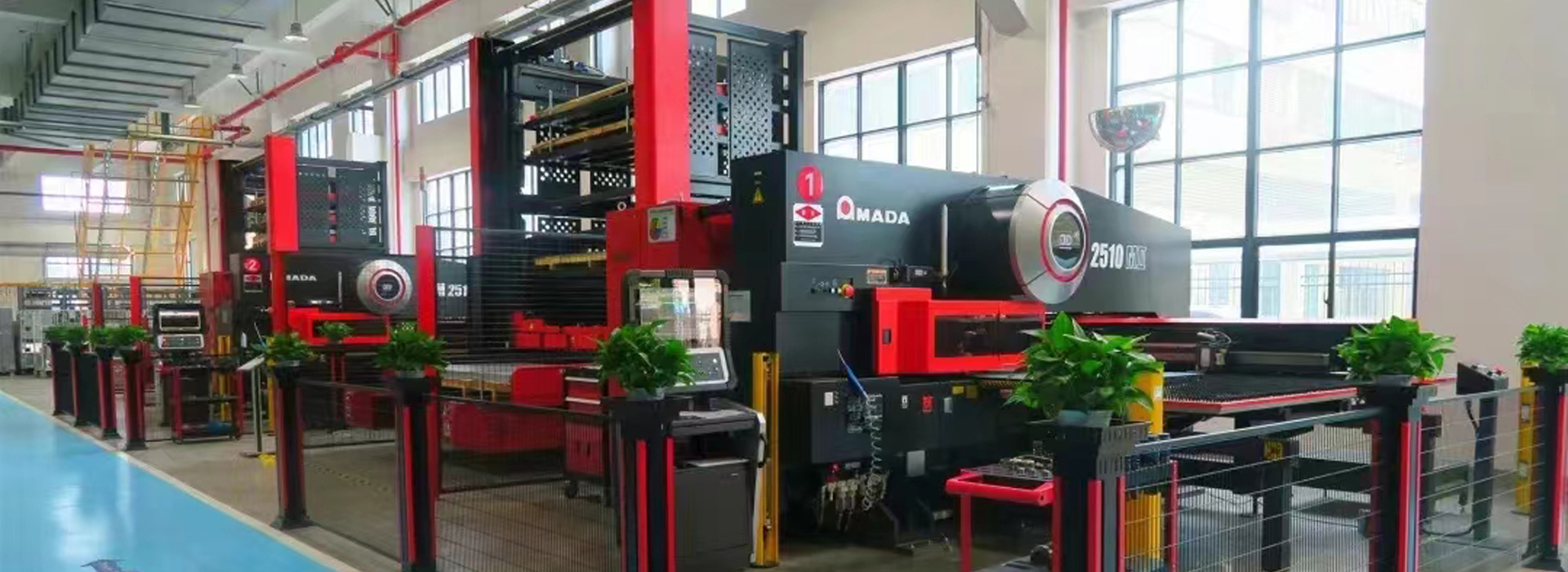
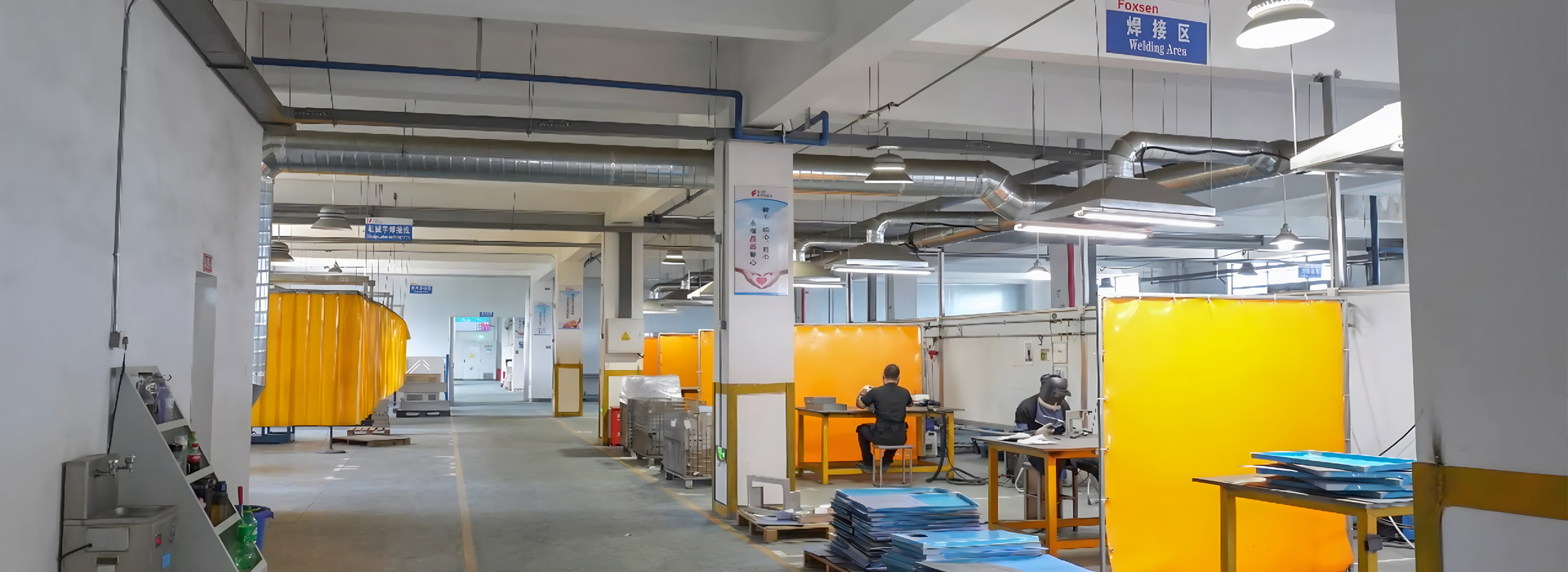
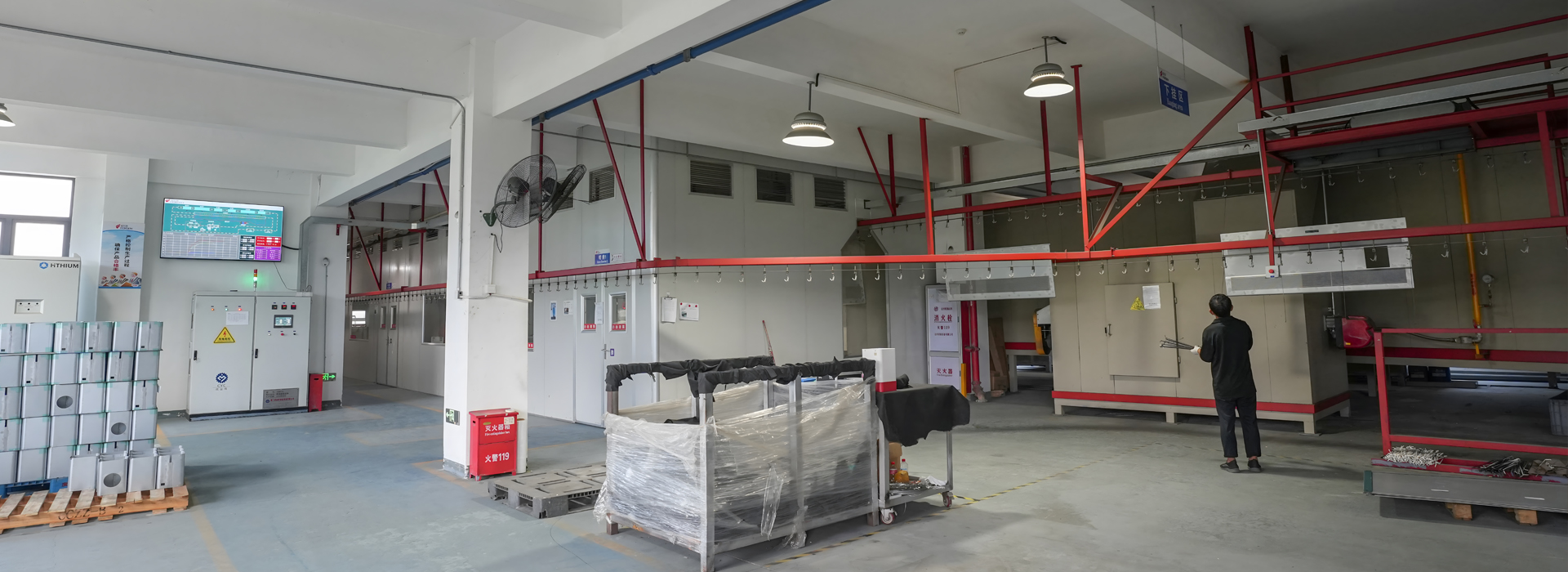
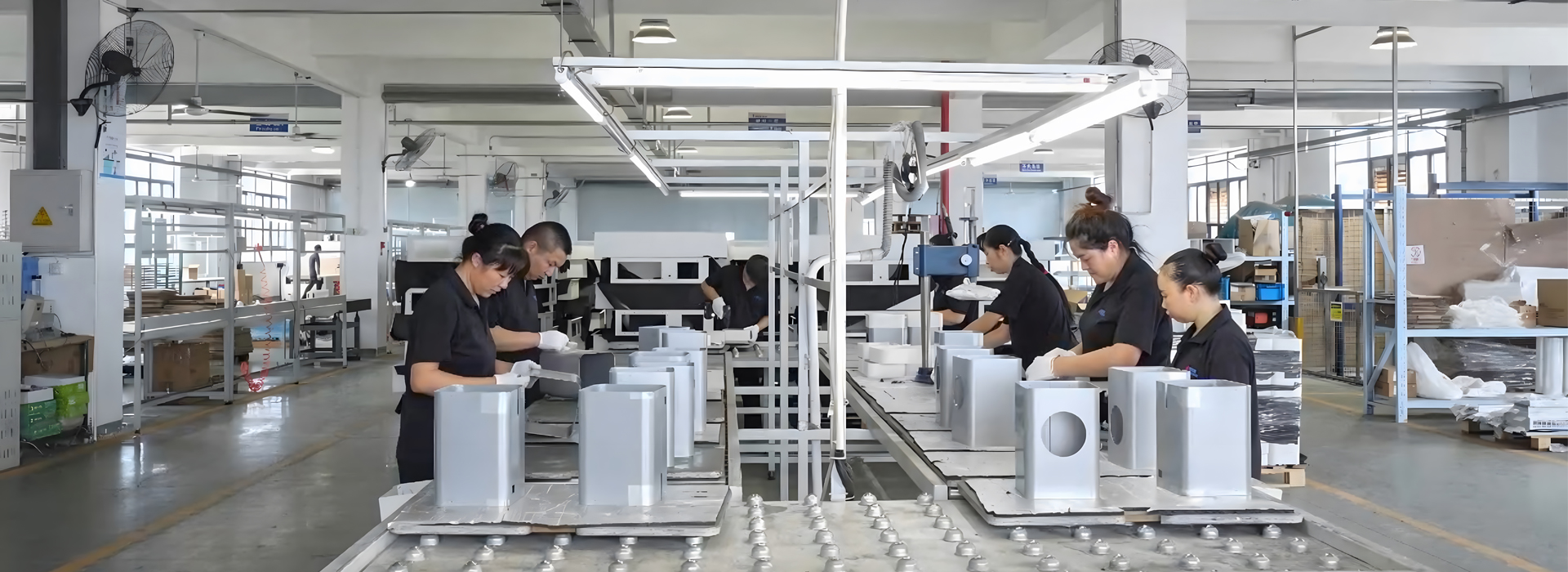
At Foxsen, we address these pain points through three pillars: material science, design for manufacturing (DFM), and advanced finishing. For environmental protection, we use stainless steel 304 or 316 with powder coating, achieving IP66/NEMA 4X. Our DFM reviews eliminate stress risers and ensure proper gasket compression. For EMI, we offer zinc-plated steel with nickel undercoat, plus beryllium copper fingerstock gaskets. Aesthetic consistency comes from robotic welding and automated painting lines, holding tolerances of ±0.1 mm.
Case Study 1: German Automation Leader
Client: Siemens AG, Erlangen, Germany. They needed enclosures for a new generation of PLCs operating in automotive plants. Previous vendors had corrosion issues. Foxsen provided stainless steel enclosures with IP69K rating. Result: 30% reduction in field failures, 20% longer service life. Engineer quote: "The quality is exceptional. We have zero complaints in two years."
Case Study 2: US Medical Device Manufacturer
Client: GE Healthcare, Waukesha, WI. Their portable ultrasound required EMI shielding for use in MRI suites. Foxsen designed a 1.5 mm thick galvanized steel enclosure with conductive elastomer gaskets. Shielding effectiveness tested at 65 dB at 1 GHz. Failure rate dropped from 12% to 0.5%. Procurement manager: "Foxsen solved a problem we lived with for years."
Case Study 3: Japanese Robotics Firm
Client: FANUC, Oshino, Japan. They needed compact enclosures for servo drives in high-vibration environments. Foxsen used 2 mm aluminum alloy with ribbed structure. Vibration testing passed 5G RMS. Lead time reduced by 40% via Foxsen's lean production. R&D lead: "Precise and fast—exactly what we need."
Case Study 4: Australian Telecom Provider
Client: Telstra, Sydney, Australia. Outdoor 5G base stations required weatherproof enclosures with heat dissipation. Foxsen supplied powder-coated steel with integrated heat sinks. Operating temperature range -40°C to +70°C. Installation cost down 15% due to lighter weight. Site engineer: "Easy to mount and durable."
Applications and Partnerships
Sheet metal enclosures are vital in: industrial automation (PLC cabinets), medical imaging (MRI, CT), telecom (base stations, routers), renewable energy (inverters, battery storage), and transportation (rail signaling). Foxsen partners with global OEMs like ABB, Schneider Electric, and Honeywell, supplying enclosures that comply with UL, CE, and RoHS standards. Our partnership with a major European automotive tier-1 supplier led to a five-year contract for EV charging station enclosures.
FAQ
Q1: What material should I choose for outdoor enclosures in coastal areas?
A: For salt-laden atmospheres, use 316L stainless steel with a protective coating. Avoid aluminum unless it is anodized. Foxsen recommends stainless for longevity, as it resists pitting corrosion. Our tests show 316L lasts 3x longer than 304 in coastal environments.
Q2: How do you achieve EMI shielding in a sheet metal enclosure?
A: Shielding effectiveness depends on material, thickness, and joints. Use steel or copper with low resistivity. Ensure continuous seams—welding is best. Add gaskets at openings. Foxsen's designs typically achieve 60 dB at 1 GHz, measured per MIL-STD-285.
Q3: What are typical lead times for custom enclosures?
A: From design approval, sample production takes 2-3 weeks. Mass production adds 4-6 weeks, depending on quantity and complexity. Foxsen uses just-in-time manufacturing to reduce lead times by 20% compared to industry average.
Q4: Can you integrate thermal management into the enclosure?
A: Yes. Options include heat sinks, vented panels with filters, and active cooling. For high-power electronics, we design finned aluminum heat sinks or use forced air. We collaborate with thermal engineers to optimize airflow.
Q5: What quality certifications do your enclosures hold?
A: Our factory is ISO 9001:2015 certified. Enclosures meet IP66, NEMA 4X, and UL 508A. We also provide test reports for salt spray, vibration, and EMI. We can support customer-specific requirements.
Conclusion: The Value of Expertise
In summary, sheet metal enclosed is not a commodity—it is a critical engineering decision. By partnering with Foxsen, you gain a team that understands materials, processes, and standards. Our enclosures reduce failures, improve performance, and lower total cost of ownership. Ready to elevate your product? Download our technical white paper on enclosure design best practices, or contact our sales engineers for a free design review. Visit our website or email info@foxsen.com. Let us build something reliable together.