

The metal sheet cabinet serves as a fundamental storage and protection solution across industrial, commercial, and institutional environments. From factory tool rooms and cleanroom facilities to office filing systems and outdoor equipment housing, these cabinets provide durability, security, and organizational efficiency. According to industry data, the global market for fabricated metal products continues expanding steadily, driven by industrial automation, infrastructure development, and the need for secure equipment storage.
Unlike wooden or plastic alternatives, a metal sheet cabinet offers superior strength, fire resistance, and longevity. Constructed from various metals through precise fabrication processes, these cabinets can withstand harsh conditions, support heavy loads, and maintain structural integrity over decades of use. The engineering behind each metal sheet cabinet involves careful material selection, precision manufacturing, and quality finishing to meet specific application requirements.
Material Selection and Properties
The performance of any metal sheet cabinet begins with appropriate material selection. Each metal offers distinct advantages depending on the intended environment and application.
Carbon steel provides excellent strength at economical cost, making it the most common choice for general industrial cabinets. It can be painted or powder coated for rust prevention and is suitable for heavy-duty applications where load-bearing capacity is paramount.
Stainless steel is preferred for environments requiring corrosion resistance and cleanliness, such as food processing facilities, pharmaceutical manufacturing, and medical settings. Grade 304 offers robust performance for most applications, while Grade 316 provides enhanced resistance to chlorides in coastal or chemical exposure environments. A stainless steel enclosure fabricated from these materials delivers exceptional service life in demanding conditions.
Galvanized steel incorporates a zinc coating that provides excellent corrosion resistance for moist or outdoor environments, ensuring the metal sheet cabinet remains rust-free regardless of exposure.
Aluminum offers lightweight strength with natural corrosion resistance, making it ideal for applications where weight is a concern, such as aerospace ground support or portable equipment cabinets. Marine-grade aluminum alloys can be anodized for additional protection.
Manufacturing Processes
The fabrication of a quality metal sheet cabinet involves multiple precision manufacturing stages that directly impact performance and durability.
Design and Prototyping: The process begins with CAD modeling to develop cabinet dimensions, features, and structural requirements. Modern design software automatically calculates flat patterns, bend allowances, and interference checks, enabling rapid prototyping and optimization before production begins.
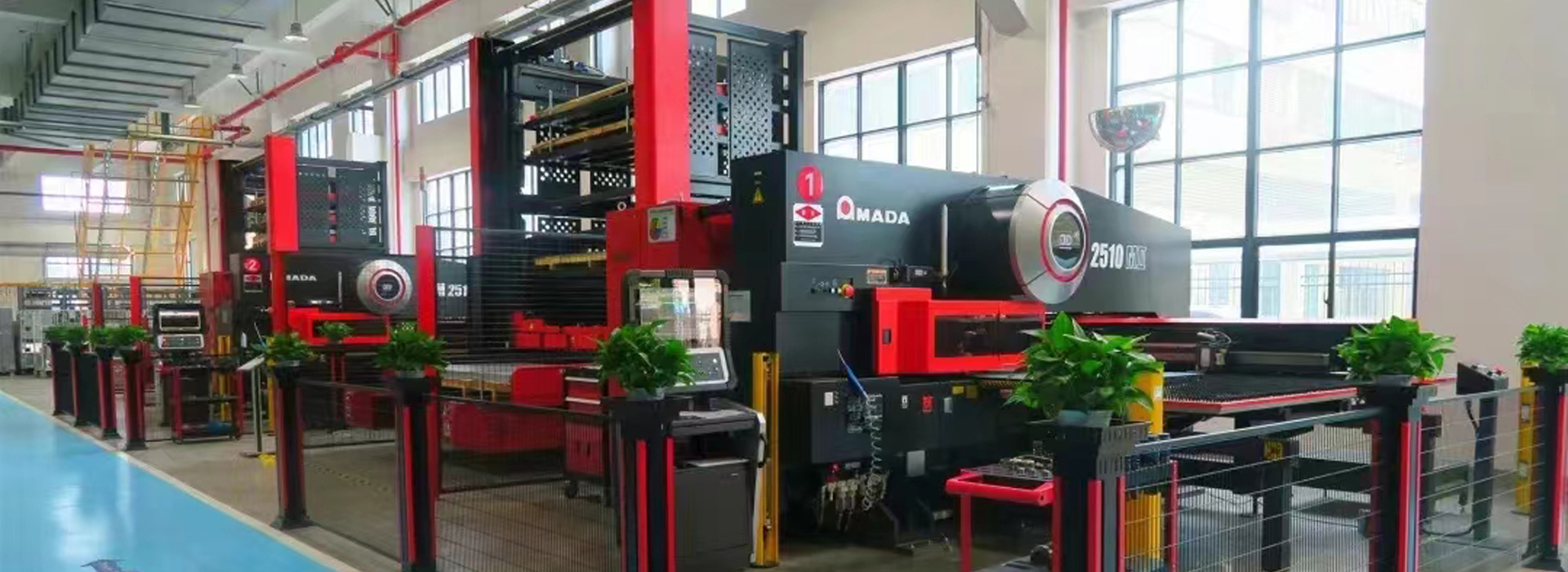
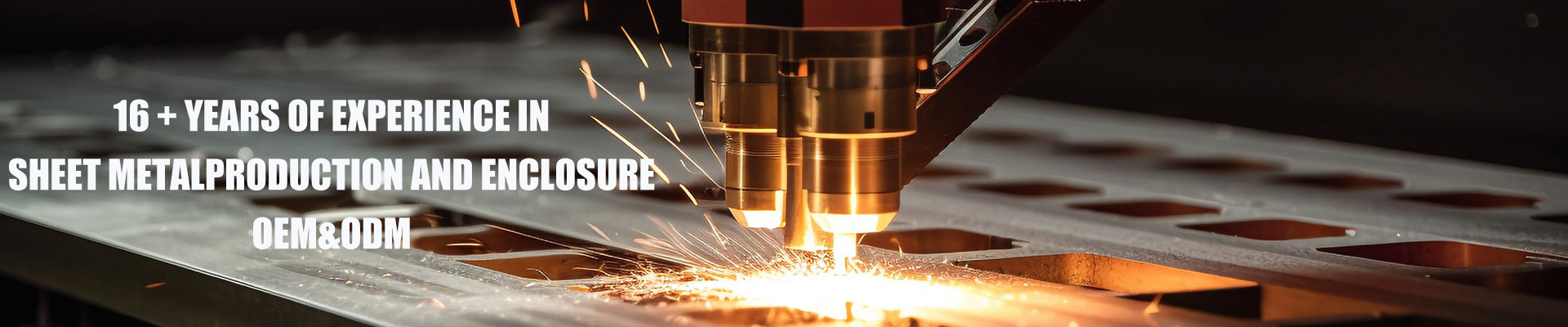
Cutting: Sheet metal is cut to precise dimensions using various methods. Laser cutting achieves tolerances as fine as ±0.1 mm, making it ideal for intricate designs with smooth edges. Plasma cutting efficiently processes materials up to 200 mm thick for solid bases and frames. Shearing handles larger sheets efficiently for cutting multiple panels simultaneously.
Bending and Forming: The core forming process shapes flat sheets into three-dimensional components. CNC press brakes equipped with angle sensors and real-time feedback systems achieve sharp, accurate angles with consistency across multiple bends. For complex profiles, roll forming creates long continuous shapes with uniform curves.
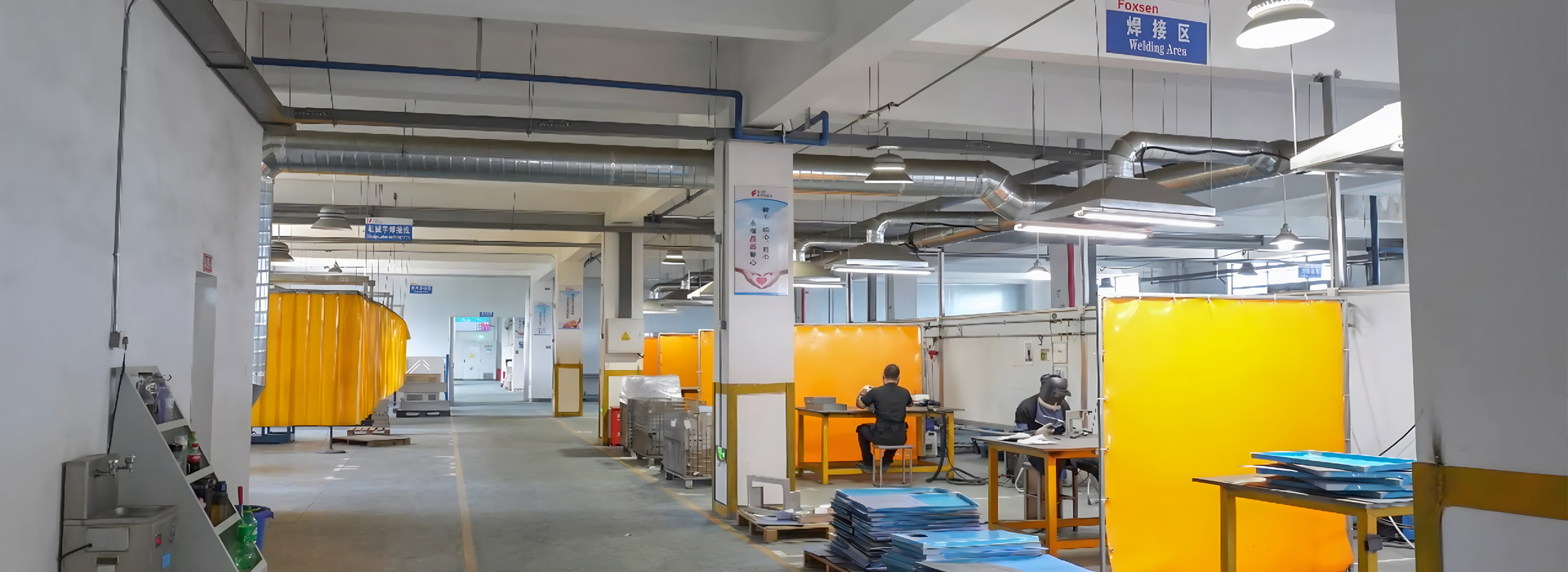
Welding and Assembly: Components are joined to form the complete metal sheet cabinet structure. MIG welding offers speed and adaptability for thin materials, while TIG welding provides clean, strong welds for demanding applications. Laser welding delivers precision with minimal heat distortion, particularly suitable for thin sheet splicing and aesthetic requirements. Resistance welding and seam welding create strong joints at specific points or continuous water-tight seams along edges.
Surface Treatment and Finishing
Surface finishing protects the metal sheet cabinet from corrosion while enhancing appearance and functionality. Proper treatment significantly extends service life in demanding environments.
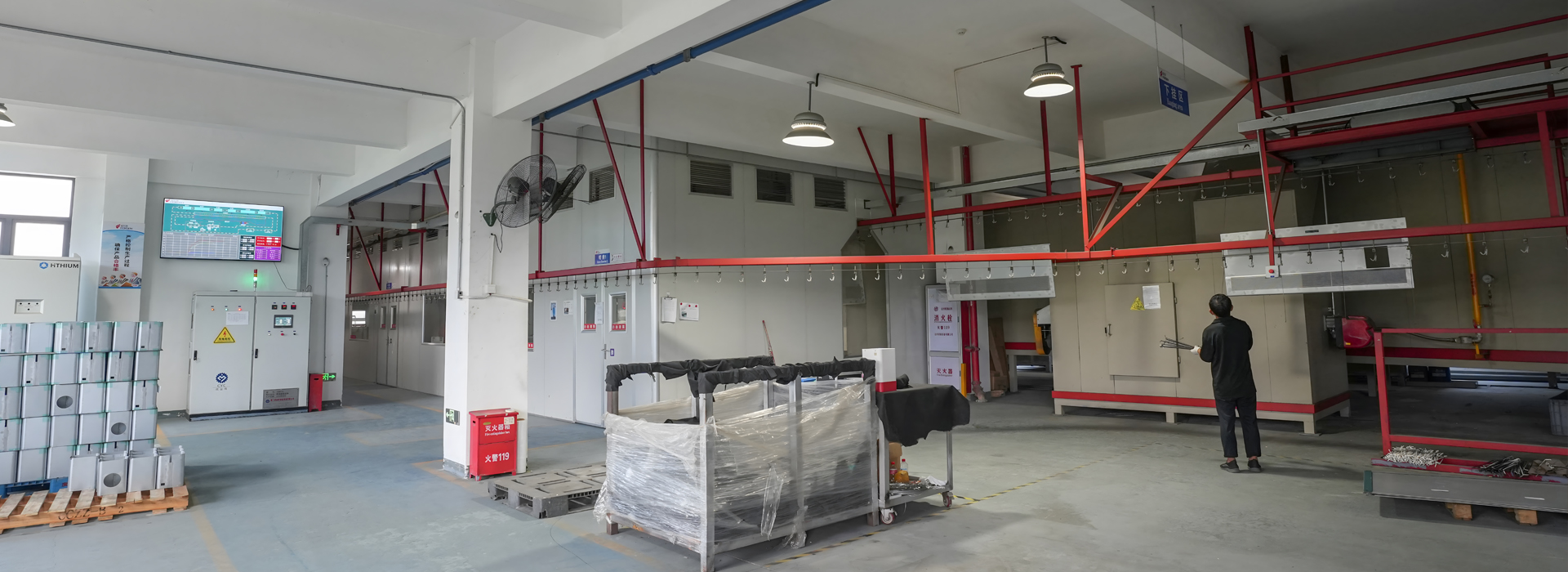
Powder coating remains the industry standard, applying dry powder electrostatically followed by thermal curing to create a tough, uniform finish. Modern polyester powder coatings provide excellent scratch resistance, fade resistance, and can achieve salt spray resistance exceeding 1,000 hours when combined with appropriate primers.
Electropolishing for stainless steel cabinets removes surface roughness and enhances corrosion protection, producing a clean, shiny surface ideal for hygienic applications.
Anodizing for aluminum cabinets builds a thick oxide layer that improves durability and corrosion resistance while allowing color options through dye absorption.
Multi-layer coating systems incorporating cathodic electrodeposition primers followed by powder topcoats offer enhanced protection for metal sheet cabinets used outdoors or in harsh industrial environments.
Structural Design Features
The engineering of a metal sheet cabinet incorporates numerous design elements that determine its functionality and longevity.
Frame Construction: Heavy-duty cabinets utilize 16-gauge or thicker steel with precision-welded joints providing structural rigidity. Robotic welding systems with real-time monitoring ensure consistent penetration and minimal heat distortion.
Door Design: Piano hinges provide continuous support for doors in heavy-duty applications, distributing weight evenly and preventing sagging over years of use. Flanged door designs enhance rigidity while maintaining clean exterior lines. Some configurations offer glass-paneled doors with tempered clear glass for visual access while maintaining protection.
Internal Configuration: Versatile mounting systems such as louvered panels support interchangeable accessories—shelves, drawers, bins, and rollout work surfaces. This modular approach enables users to reconfigure interiors as needs evolve without cabinet replacement, significantly extending useful life.
Load Capacity: Shelves and mounting rails are engineered to support rated capacities with safety margins. For demanding applications, reinforcement ribs and hanging supports enable capacities up to 70 kg or more while maintaining weight limits for automated handling systems.
Quality Standards and Testing
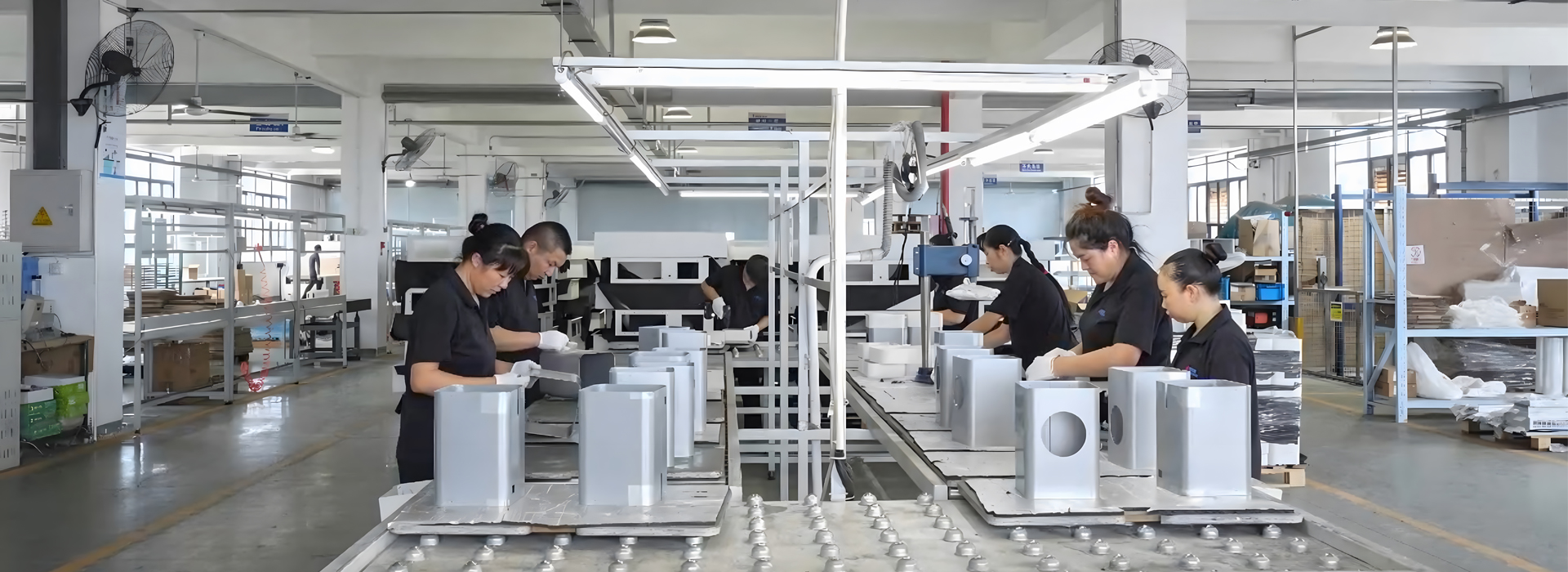
Metal sheet cabinet manufacturing adheres to rigorous quality standards ensuring consistent performance. Dimensional inspection using coordinate measuring machines and optical comparators verifies critical dimensions. Load testing confirms structural integrity under rated capacities. For cabinets requiring environmental protection, ingress testing verifies IP ratings against dust and water penetration.
International standards such as IEC 61439 for electrical equipment enclosures and UL 50 for North American applications specify requirements for structural strength, thermal performance, and environmental protection. Compliance with ISO 9001 quality management systems ensures consistent manufacturing processes and traceability.
Applications Across Industries
Metal sheet cabinets serve critical functions across diverse sectors, each with unique performance requirements.
Industrial Manufacturing: Factories use heavy-duty cabinets to store tools, components, and maintenance equipment. These applications demand robust construction to withstand shop floor environments and organizational features for efficient access.
Cleanroom and Laboratory Facilities: Precision manufacturing and research environments require cabinets with smooth, crevice-free surfaces that facilitate cleaning and prevent contamination. Stainless steel construction with electropolished finishes meets strict hygiene standards.
Commercial and Office Environments: Filing cabinets, storage units, and workspace organizers provide durable, secure storage with aesthetic finishes that complement professional settings. Powder coating offers varied colors and textures for branding integration.
Healthcare and Food Processing: These sectors demand cabinets with corrosion resistance and easy-clean surfaces. Stainless steel construction withstands frequent disinfection with harsh chemicals while inhibiting bacterial growth.
Future Trends and Developments
The metal sheet cabinet industry continues evolving with several notable trends shaping its future.
Modular and Configurable Platforms: Manufacturers increasingly offer core cabinet platforms with extensive accessory ecosystems, enabling customers to adapt storage as workflows change without purchasing new cabinets. This approach reduces waste and extends product lifecycles.
Lightweight High-Strength Designs: Aluminum-steel hybrid structures balance mobility and load capacity, incorporating aluminum bodies reinforced with steel structures to prevent deformation while staying within weight limits for automation systems.
Digital Integration: Smart cabinets with embedded sensors enable inventory tracking, access logging, and condition monitoring. This intelligence improves operational efficiency and security in critical applications.
Sustainable Manufacturing: Environmental considerations increasingly influence production. Manufacturers specify recycled-content materials, implement energy-efficient processes, and design for disassembly to improve end-of-life recyclability.
Advanced Surface Treatments: Antimicrobial coatings, conductive finishes, and self-healing surfaces expand functionality for specialized applications, enabling metal sheet cabinets to serve increasingly demanding environments.